The Bank Said I Owed $560,000 On A Mortgage I Never Signed. Turns Out, My Sister Used My Name To Buy Her Dream House. “Parents Also Support Her.” At Dinner, I Slid The Police Report Across The Table.
Part 1
The letter came on a Tuesday, the kind of Tuesday that should’ve been forgettable.
It was thick, heavier than the usual junk mail and coupon flyers, and it had that clean, official look that makes your stomach tense before you even open it. A bank seal embossed on the flap. My name printed in crisp black letters. My address correct down to the apartment number I still sometimes forgot to add when I ordered takeout.
I stood in my kitchen holding it like it might bite.
The place smelled like coffee and lemon dish soap. The dishwasher hummed. My old ceiling fan clicked on its third speed, the way it always did when the humidity rose. Normal sounds. Normal life. The kind I’d earned with careful choices and student-loan payments and a decade of doing the boring thing instead of the fun thing.
I tore the envelope open and pulled out the first page.
Mortgage delinquent. Balance notice. Foreclosure threatened.
Then the number hit me.
$560,000.
My throat tightened, like I’d swallowed something sharp. I read the page again. Slowly. Like if I stared hard enough, the words would rearrange themselves into something that made sense.
Account number. Property address. Past due amount. Late fees. A neat breakdown of what I “owed” and when they planned to take “my” home if I didn’t pay up.
Only one problem.
I didn’t own a home.
Not that one. Not any one. I rented a second-floor apartment with thin walls and a twelve-year-old car that made a sad little wheeze when I turned the key on cold mornings. My biggest luxury purchase this year had been a decent mattress because my back had started sounding like bubble wrap.
My hands started shaking so hard I had to sit down at the kitchen table. The paper trembled between my fingers.
My name was there.
My Social Security number was there, partially masked but still enough to confirm the impossible.
My signature was there too. Or something that looked like it—my letters, my loops, my slant. Except I had never written them. Not for this.
I stared at the signature for a long time, my mind doing that slippery thing it does when reality refuses to cooperate. My first thought was absurd: Maybe they sent the wrong letter.
My second thought was worse: Maybe I bought a house and forgot.
That one at least made me laugh, a short, bitter sound that bounced off the kitchen cabinets. I was the woman who checked her credit score like some people checked the weather. I was the woman who kept an emergency folder in a fireproof box. I knew exactly what I owned because I’d spent years terrified of owning the wrong thing.
I grabbed my phone and called the number printed at the bottom of the letter.
The line rang twice. A calm voice picked up, professional and kind, the kind of voice you trust because it sounds like it belongs to someone who has never had a catastrophe in her entire life.
“Thank you for calling Horizon Lending, this is Megan. How can I help you today?”
“Hi,” I said, and my voice came out thin. “I… I received a mortgage delinquency notice. But there’s a mistake.”
Megan’s tone stayed warm. “I’m sorry to hear that. Can I get your account number?”
I read it to her. My fingers kept sliding across the paper because they were sweaty.
I heard keyboard clicks. A pause. Then Megan said, “Okay, I see the account. For verification, may I have your full name, date of birth, and the last four of your Social?”
I gave her the information. My heart hammered like it was trying to bruise its way out of my chest.
“Thank you,” Megan said. More clicks. “Ma’am, we confirmed your identity on the purchase back in July. The deed lists you as the primary owner.”
The kitchen tilted.
“I didn’t purchase anything in July,” I said, slowly, carefully, as if the wrong words might make this real. “I didn’t buy a house.”
Megan’s voice softened, the way customer service voices do when they step into danger. “Let me pull up the closing documents. One moment.”
I stared at the sink, at a fork sitting in the drying rack, at the normalness of it all. Then Megan returned.
“We have a notarized signature and ID verification on file,” she said. “If you believe this is fraudulent, you’ll need to file a report. But I can provide the property address associated with the loan.”
“Yes,” I said. “Give me the address.”
She read it out.
Three hours away.
A luxury property in a gated community with a name that sounded like it belonged in a real estate commercial. The kind of neighborhood that had an HOA that fined you for leaving your trash bin out too long. The kind of place I’d joked about when I scrolled listings online, like, look at this marble kitchen that costs more than my entire life.
I wrote the address down anyway, my hand moving on autopilot.
Megan kept talking. “If you’d like, I can email you copies of the closing documents. You’ll need to confirm the email address on file.”
“Tell me,” I said, and my stomach tightened as I waited.
She did.
It wasn’t mine.
It was my sister’s email.
I went completely still.
My sister’s name slid into my mind like a knife finding the soft spot between ribs.
Cassandra.
Cass.
My older sister by two years, my parents’ golden girl, the one who could sell a bottle of water to a drowning man and make him thank her for the opportunity. The one who treated rules like suggestions and consequences like things that happened to other people.
The one who’d borrowed my clothes without asking, my car without permission, my credit card without warning. Once, years ago, she’d booked herself and a boyfriend a vacation with my card and then dumped him mid-trip and came home with a tan and no shame.
But this was different.
This wasn’t a “forgot to ask” mistake. This wasn’t a “pay you back later” situation.
This was federal.
This was my identity nailed to a mortgage like a butterfly pinned to a board.
I hung up with Megan after she promised to send the documents, and I sat there with my phone in my hand, staring at nothing.
For a long moment, I could hear my own breathing. Shallow. Unsteady.
Then something in me clicked into place, cold and precise.
I didn’t call Cass.
I didn’t text her.
I didn’t warn her.
I opened my laptop and pulled up the police department’s website.
And with my hands still shaking, I filled out the report.
Because if someone had built a mansion on my name, I was done being the quiet foundation.
Part 2
The police station smelled like old coffee and disinfectant, the kind of smell that clings to your clothes and makes you feel guilty even when you haven’t done anything wrong.
I sat across from an officer who looked like he’d been working double shifts for a month. He had tired eyes and a calm face, the expression of someone who’d seen too many versions of human stupidity to be surprised anymore.
He slid my printed report back toward me. “So you’re saying you didn’t sign for this mortgage at all.”
“I’m saying I didn’t buy a house,” I replied. “I’m saying someone used my Social Security number and forged my signature. I’m saying my sister’s email is on the account.”
He nodded slowly, like he was building the case in his head. “And you suspect your sister.”
I took a breath. Saying it out loud made it heavier. “Yes.”
He leaned back in his chair. “Do you have the documents from the bank?”
“Not yet. They’re emailing them,” I said. “But I have the delinquency notice and the account number. And I have the property address.”
I handed over the papers. He looked them over carefully, the way people do when they’re searching for the first crack in a story.
“You know,” he said after a moment, “a lot of folks come in here with family stuff and they change their minds later.”
My jaw tightened. “I’m not changing my mind.”
He studied me, and I knew what he saw. Not the kind of person who storms in screaming. Not the kind of person who makes threats and regrets them. I wore plain jeans and a cardigan. My hair was in a low bun because I’d pulled it back when my hands wouldn’t stop shaking. I looked like a woman who paid her bills on time.
The officer tapped the paper once. “Do you want to press charges?”
The question hit like a weight on my chest.
There’s a moment, when you’re raised in a certain kind of family, where the word charges doesn’t sound like justice. It sounds like betrayal. It sounds like you’re the one doing something wrong. Like you’re breaking a rule no one ever wrote down but everyone expects you to follow.
Don’t embarrass us.
Don’t make this public.
Don’t ruin her life.
I could already hear my mother’s voice saying it, soft and pleading. My father’s silence behind it. My sister’s outrage, like she was the injured party.
But then I saw the number again in my mind.
$560,000.
The years of my life that number could swallow if I let it.
I thought about my student debt that I’d been chipping away at since I was twenty-two. I thought about the old Honda I’d driven since college. I thought about the nights I’d skipped dinners out so I could pad my emergency fund. The mornings I’d checked my bank balance before I checked my messages, just to make sure I wasn’t about to be surprised by something I couldn’t control.
Cass had taken my control and lit it on fire.
“Yes,” I said quietly. “I want to press charges.”
The officer nodded like he’d expected that. “All right,” he said. “We’ll open a case. A detective will contact you. You’ll want to freeze your credit and notify the lender in writing that this is fraud.”
“I already started,” I said. “I’m meeting with a lawyer.”
“Smart,” he replied, and for the first time his tone held something like respect.
On my way back to my car, my phone buzzed.
A text from my mother.
Family dinner Sunday? Your dad’s grilling. Cass is bringing dessert.
I stared at the screen until the letters blurred.
Cass was bringing dessert. Like she hadn’t built a whole house out of my identity. Like we were just a normal family making normal plans.
My hands tightened around my keys.
In our family, Sunday dinner was not optional. It was a ritual. A performance. A way to keep the illusion polished.
My parents lived in a tidy house in a quiet neighborhood, the kind of place where the grass was always cut and the curtains always matched. My mother collected throw pillows. My father collected silence. Cass collected attention.
And I—well, I collected receipts. I collected bank statements. I collected the truth, even when it sat heavy and ugly.
I typed back: Sure. I’ll be there.
Then I sat in my car for a long minute and let myself remember, clearly, how we got here.
Cass had been loud since birth. My mother loved to tell the story of how Cass came into the world with her fists already swinging, screaming like she had opinions about the lighting. As a kid, Cass was the one who sang at the top of her lungs in grocery store aisles. She laughed like a firecracker. Teachers called her “a natural leader.” My parents called her “special.”
I was the quiet one. The one who read books in corners. The one who got straight A’s and didn’t make trouble. The one who learned early that being easy was the fastest way to get love.
Cass needed things. Cass wanted things. Cass demanded things.
And my parents… they smoothed. They excused. They covered.
When Cass totaled my father’s car at seventeen, it was “an accident” and “she’s young” and “thank God she’s okay.” When Cass got caught cheating on a test in college, it was “the professor is unfair” and “she was stressed.” When Cass bounced checks and missed payments and shrugged it off, my parents paid quietly and told me not to worry about it.
“She’ll grow up,” my mother said.
“She’s finding herself,” my father said.
“Don’t be so judgmental,” Cass said, smiling, like I was the problem.
I had spent ten years shrinking my frustration because it was easier than fighting the whole family machine.
But a $560,000 mortgage wasn’t a machine problem.
It was a wrecking ball.
Sunday dinner wasn’t going to be a conversation.
It was going to be a collision.
And for the first time in my life, I wasn’t going to step out of the way.
Part 3
Sunday arrived with bright weather, the kind that made everything look healthier than it was.
I drove to my parents’ house with the folder on the passenger seat like a living thing. Inside it were copies of the delinquency notice, the police report, and the email Megan had finally sent with the closing documents.
I’d read them twice the night before. Then once more that morning, like rereading might make it less real.
There it was in clean, legal language: I had “purchased” a home in July. I had “verified” my identity. I had “signed” a stack of forms, including the mortgage and deed.
The signature looked enough like mine to fool a notary who wasn’t paying attention, or maybe a notary who didn’t care. The ID attached wasn’t mine at all. It was a blurry scan of something that looked like my driver’s license, except the photo was Cass with her hair darkened and her makeup toned down.
She didn’t just take my name.
She wore it.
I pulled into my parents’ driveway and sat for a moment, watching through the windshield.
My father stood at the grill in his usual uniform: faded jeans, a polo shirt, tongs in hand like they were a weapon. My mother moved between the kitchen and the patio with a tray, smiling at neighbors who walked by. The whole scene looked like a commercial for stability.
Cass’s car was parked at the curb, a shiny SUV she definitely couldn’t afford on her “influencer” income. She’d told everyone she had “a real estate thing” going now. She posted photos with “SOLD” signs and captions about manifestation.
I took a breath, picked up my folder, and walked inside.
The house smelled like barbecue and vanilla. My mother had lit a candle, the kind called something like Cozy Autumn even in the middle of spring.
“Elena!” she sang, wiping her hands on a dish towel and pulling me into a hug.
Her hug was warm and familiar. It almost made me hesitate.
Almost.
“Hi, Mom,” I said, stepping back.
My father grunted a greeting from the patio.
Then Cass appeared in the doorway like she was stepping into a spotlight.
She was glowing. Designer dress, gold jewelry, hair curled perfectly. Her smile was bright enough to be a weapon.
“There she is,” Cass said, leaning in for a cheek kiss that smelled like expensive perfume. “My little sis.”
I didn’t smile. I didn’t step away either. I just looked at her.
For a second, her eyes flickered—something sharp, something calculating.
Then it was gone, replaced by sparkle. “Come sit,” she chirped. “Wait till you hear what I’m doing next. Big things.”
We sat at the table. My mother served food. My father asked Cass about her “real estate luck” like it was charming instead of suspicious. Cass launched into her story, all confidence and vague details.
“I just knew it was my time,” she said, twirling her fork like a wand. “You know? Like the universe was finally aligning. Opportunities just started showing up.”
My mother clapped softly, like Cass was a child who’d recited a poem. “I’m so proud of you.”
Cass winked at me across the table. “It’s all about mindset, El.”
I felt my stomach twist. I thought about my own mindset: careful, responsible, tired.
I waited until everyone had taken a few bites, until the conversation had settled into that comfortable family rhythm that usually lulled me into compliance.
Then I reached into my bag.
The folder made a soft thud on the table when I set it down.
Cass’s smile faltered. My mother’s eyebrows lifted.
“What’s that?” my mother asked lightly, like it might be a recipe.
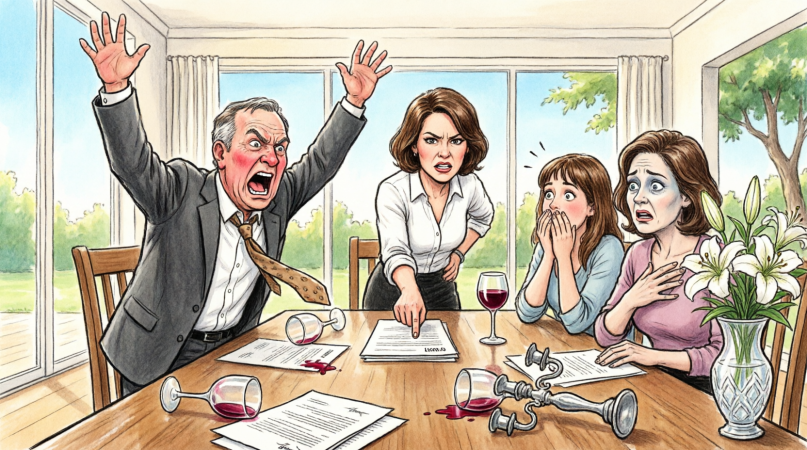
I slid the delinquency notice across the table toward Cass.
“Funny,” I said, and my voice came out calm. Too calm. “You bought your dream house with my nightmare.”
The air in the room changed. Thickened. Like someone had closed a door and turned up the heat.
Cass opened the folder. Her eyes skimmed the first page. Her face drained so fast it was almost impressive.
Her fork clattered against the plate.
Silence.
“You wouldn’t,” she whispered.
I leaned back in my chair. My hands were steady now. “You already did,” I said. “I’m just returning the favor.”
Cass’s head snapped up. “What does that mean?”
“It means I filed a police report,” I replied. “It means I pressed charges.”
My mother made a small sound, like she’d been punched. “Elena—”
Cass shot up so fast her chair screeched against the floor. Her eyes were wide, her voice shaking, but there was anger under it. Fury that I wasn’t playing my role.
“You’re going to ruin my life,” she hissed.
I didn’t blink. “No,” I said. “You did that the moment you signed my name and put a mansion on my credit score.”
My mother reached for the papers like she could smooth them out, like this was spilled wine instead of first-degree identity theft.
“Let’s talk about this privately,” she whispered, eyes pleading.
“Privately,” I repeated, and a low laugh escaped me, sharp and tired. “Where family?”
My father, silent for most of dinner, finally spoke. His voice was flat. “You don’t need to involve the police.”
I turned to him slowly. “You knew,” I said.
It wasn’t even a question. It was a conclusion.
My father’s eyes flicked away.
That silence hit harder than anything else.
They knew.
Not all the details, maybe, but enough. Enough to look at Cass’s sudden wealth and not ask questions. Enough to suspect and choose not to see. Enough to protect her from consequences and leave me holding the bag.
My chest burned. Not with hate. With betrayal so deep it felt like it had roots.
“You all thought I was too quiet,” I said, looking around the table. “Too focused. Too boring to notice. You forgot I’m the one who checks the numbers.”
Cass reached out toward me like her hand could rewind time. “I’ll pay it back,” she blurted. “I promise.”
“With what?” I asked, my voice steady. “Your fake real estate job? The influencer career you built on lies?”
Cass’s face twisted. “It’s not fake.”
“It’s funded,” I corrected. “By me.”
My mother’s eyes filled with tears. “Sweetheart, please. She made a mistake.”
“A mistake is forgetting to call,” I said. “A mistake is buying the wrong size dress. A mistake is not forging your sister’s identity for a half-million-dollar mortgage.”
Cass’s voice cracked, and for a second she sounded younger. “I needed it.”
I stared at her. “You wanted it,” I said. “And you thought you could take it.”
My father pushed his plate away like he’d lost his appetite for reality. “We’re family,” he muttered.
I gathered the papers neatly back into my folder, hands precise.
“I wanted to believe,” I said quietly, “that this family would protect me. Turns out I was just the signature you needed when no one else trusted you.”
Cass started crying then, the big dramatic kind she’d always used when she wanted someone to rescue her.
My mother stood, reaching for me. “Elena, don’t go.”
But I was already standing, my chair sliding back.
I didn’t stop. I didn’t turn. I didn’t look back.
As I walked out, I heard Cass sob, “You’re so jealous,” like jealousy was the only explanation for accountability.
I stepped into the sunlight, and my lungs filled with air that felt cleaner than the air inside that house.
That night, the detective called.
“We served her,” he said. “She’s facing felony fraud, and the DA’s fast-tracking the case.”
I didn’t smile.
Some victories don’t feel good.
They feel necessary, heavy, and final.
Part 4
The mugshot leaked by Thursday.
I found it the way everyone finds bad news now: in my inbox, buried between work emails and store promotions, sent by a coworker who didn’t know if she should be horrified or entertained.
Subject line: Is this your sister?
Cass looked hollow in the photo. No filters. No lashes. No polished grin. Just a face stripped of entitlement, staring down a reality she never believed would catch her.
The internet did what it always does when it smells blood.
Local Facebook groups shared it with captions like Fraud and Con artist. Real estate forums posted warnings. Someone screen-recorded Cass’s old Instagram reels—her “morning routine,” her “new house tour,” her hand running over marble countertops like she’d earned them—and stitched them next to the mugshot like a before-and-after of consequences.
Her agency dropped her within hours.
Sponsorships vanished so fast it was like someone unplugged her life.
My phone buzzed constantly. Texts from cousins I hadn’t heard from in years. Messages from old classmates who’d always found Cass suspicious. Strangers who’d somehow gotten my number asking, in the most casual tone imaginable, if it was true my sister stole half a million dollars.
I didn’t answer strangers.
I did answer the bank.
Because while the internet was feasting, the mortgage was still legally tied to me.
Horizon Lending didn’t care about our family drama. They cared about money. They cared about the paper trail that said Elena Carter bought a luxury house in July and missed payments by April.
I spent my lunch break on the phone with their fraud department, my voice measured, my notes organized. I sent them the police report. The case number. The detective’s contact info. I requested a fraud hold, a review, anything that would stop the foreclosure machine from rolling over my life.
“We’ll investigate,” the representative said, the same calm tone as Megan. “But until the matter is resolved, the account remains in your name.”
I hung up and stared at my desk, my vision narrowing. My coworkers talked about weekend plans. Someone heated leftover pasta in the office microwave. Life moved like nothing had happened.
I wanted to stand up and scream, Do you know how fragile everything is?
Instead, I did what I always did.
I made a plan.
That evening, I met with a lawyer.
His name was Raymond Park. Sharp suit, sharper mind. He didn’t waste time with sympathy; he dealt in solutions.
He flipped through my folder, eyes scanning quickly. “Identity theft,” he murmured. “Mortgage fraud. Forgery. Civil damages.”
“Yes,” I said. “And I need to get my name off that loan.”
He nodded, thoughtful. “We’ll push the lender to recognize this as fraud. That can take time. In the meantime, we’ll file civil claims against your sister. We’ll subpoena records. We’ll track where the money went.”
I let out a slow breath. “Good,” I said, because I had receipts. Literal ones.
Cass wasn’t subtle. She posted everything.
The marble counters. The pool. The four-car garage where she staged photos leaning against her SUV like she was in a music video. The $12,000 fridge with the glass door that lit up blue when you tapped it. The down payment she bragged about making “with smart investments.”
All of it paid for with my identity.
Raymond’s mouth tightened as he scrolled through printed screenshots I’d brought. “She made this easy,” he said dryly.
That weekend, Cass called me from a blocked number.
I stared at the incoming call, my stomach clenching, then answered because I was tired of being hunted by my own blood.
Her voice came through thick with tears. “Elena, please,” she sobbed. “They’re going to take the house. Mom won’t help. Dad won’t help. Please just tell them I had your consent.”
I stayed quiet for a beat, letting her words hang.
Then I asked one question. “When you signed my name,” I said softly, “were you thinking about me?”
Cass’s crying stuttered. A pause. Then nothing.
No apology. No explanation. No moment of genuine recognition.
Just silence.
I knew that silence. It was the sound of someone realizing they don’t have a script for accountability.
I hung up.
Not because I didn’t have more to say, but because I refused to give her comfort just because her consequences finally arrived.
She chose this.
And I chose freedom.
The eviction notice went up the following week.
Not because the bank wanted to be cruel, but because banks don’t do mercy. They do timelines.
A neighbor filmed it, of course, because everyone films everything now. The video showed a notice taped to the front door of Cass’s mansion, the wind lifting the corners like it wanted to expose the whole thing.
Cass screamed at the officers in the clip, yelling that it was a misunderstanding, that she was famous, that someone was out to get her.
The officers didn’t react. They’d heard every version of entitlement before.
She was given seventy-two hours to vacate.
According to my mother, Cass used seventy-one of those hours to throw tantrums and the last hour to disappear.
My mother called the night before the deadline. Her voice was low, tired, like she’d been crying.
“She’s scared, sweetheart,” she said. “Can’t you find it in your heart to forgive her?”
I closed my laptop slowly, my fingers resting on the keys.
“You’re asking the wrong daughter for grace,” I said.
My mother sighed. “You don’t know what it’s like to lose everything.”
And there it was again.
The expectation that I’d sacrifice myself to keep their illusion alive.
“No, Mom,” I said, voice steady. “I know exactly what it’s like. Because I’ve spent ten years losing pieces of myself just to keep you comfortable.”
Silence.
Then, sharp as a slap: “We didn’t raise you to be so cold.”
I smiled, bitter and small. “No,” I said. “You raised me to be convenient.”
I hung up.
The next morning, I drove past the house.
Not out of pity. Not out of revenge.
Closure.
The porch was littered with boxes—designer bags, framed prints of fake affirmations, a shattered mirror, the kind Cass used to pose in.
And in the center of it all, her.
No makeup. No perfect angles. Just a woman who built a castle on someone else’s name and watched it sink.
She saw my car and ran toward it, tears streaming, mascara smudged from what little she’d tried to hold together.
“Please,” she cried, pounding on my passenger window. “Just tell them I didn’t mean it!”
I rolled the window down just enough to hear her without letting her crawl into my life again.
“You meant it every time you signed my name,” I said. “Every time you smiled for the camera, knowing it was built on my identity.”
She sobbed harder. “I didn’t think it would get this bad.”
“That’s the problem,” I replied. “You never do.”
Then I said the truest thing I’d said in years.
“I don’t need you to go to jail. I just need you to finally live without me.”
I rolled the window up and drove off.
For the first time in a long time, my hands didn’t shake on the steering wheel.
My chest didn’t ache.
My voice was mine again.
Part 5
By Monday, the calls started—not from Cass, but from everyone else.
Aunt Marie, who once told me at Thanksgiving that I was “too serious” and should “lighten up” like Cass.
Uncle Dennis, who had borrowed money from my parents twice and never paid it back.
Even Grandma Evelyn, who had called me “the quiet failure” when I chose accounting over “something glamorous.”
They all said some version of the same thing.
She’s your sister.
Blood is thicker.
She learned her lesson.
Do you really want her to go to jail?
Not a single one asked what she’d done.
Not a single one asked how I was sleeping, how my heart felt, how it felt to realize your own parents had known and stayed silent.
They asked why I wasn’t covering it up better.
As if I was the stain. Not the forged documents. Not the six-figure fraud. Not the decade of silence while Cass burned bridges with my name on them.
I said the same sentence to each of them, calm and steady, like a line I’d practiced.
“I didn’t ruin her life,” I told them. “I just refused to keep funding it.”
Some hung up on me. Some gasped like I’d cursed in church. Some went quiet, the way people do when they realize the person they’ve labeled “soft” is actually just done.
That week, my face showed up in a blog post.
One of Cass’s influencer friends wrote a pity essay titled something like When Family Betrays Family: How Jealousy Ruins Lives. It didn’t use my name, but it used my LinkedIn photo—cropped, blurred slightly, still recognizable.
The post framed Cass as a misunderstood dreamer, punished by a bitter sister who couldn’t stand her shine.
The comment section turned into a bonfire.
At first, people piled on me, because the internet loves a villain.
Then someone from college dropped a truth bomb.
Actually, her sister stole her identity to buy a mansion. Bank statements and police reports say otherwise.
There was a pause in the comments like a collective inhale.
Then the post disappeared.
Deleted.
It was almost funny how fast people flipped once the lie stopped being profitable.
Meanwhile, my real life stayed stubbornly complicated.
The lender still had my name on the loan. The foreclosure process had paused, but not stopped. I had to send documents, make calls, verify details, and repeat my trauma in neat bullet points.
Raymond filed civil claims. He subpoenaed Cass’s accounts. He requested records from the notary. He started building a financial map of exactly how my identity had been used and where the money went.
“You’d be surprised how many people talk when paperwork shows up,” he told me.
I wasn’t surprised at all.
Cass had always talked.
She just never thought anyone would listen to the parts that mattered.
One night, after a long day of work and phone calls and pretending I was fine, I sat on my apartment floor and stared at the wall.
The silence felt unfamiliar.
Not the weaponized silence my family used—the kind that punished you for bringing up hard truths.
This silence felt… empty.
I realized I had no idea what to do with my own quiet now that it wasn’t being used to protect someone else.
So I did something I’d never done before.
I called a therapist.
Her name was Dr. Patel. She had kind eyes and a voice that didn’t flinch when I said the word fraud.
In our first session, I talked about the mortgage. The letter. The shock. The courtroom looming like a storm on the horizon.
Then I talked about my parents.
“That part hurts worse,” I admitted, staring at the carpet. “Not Cass. Cass is… Cass. But my parents knew. They looked away.”
Dr. Patel nodded slowly. “What did you learn in your family about conflict?” she asked.
I laughed once, humorless. “That it’s my job to absorb it,” I said. “So everyone else can stay comfortable.”
She tilted her head. “And what happens when you don’t absorb it?”
My throat tightened. “They call me cold,” I whispered. “Unforgiving. Dramatic.”
Dr. Patel’s voice was gentle. “Those are labels,” she said. “Not truths.”
I sat with that for a moment, my chest tight. It felt strange, hearing someone call my pain valid without asking me to dilute it.
After therapy, I started doing small things that made my life feel like mine again.
I rearranged my apartment furniture. I replaced the threadbare rug Cass once mocked. I took myself out to dinner without telling anyone. I stopped answering calls from relatives who only wanted me to be the family’s secret keeper.
Raymond called one afternoon with an update. “The notary’s office cooperated,” he said. “The ID used at closing doesn’t match you. Surveillance footage shows your sister signing documents. We’re pushing the lender hard now.”
My body sagged with relief. Proof. Concrete, undeniable proof.
Still, the court date approached like a slow drumbeat.
Cass’s lawyer offered a plea: restitution, probation, maybe reduced charges if I “cooperated.”
Raymond explained what that meant in legal terms.
In human terms, it meant Cass wanted a softer landing.
My phone buzzed one evening with a message from my mother.
Please. She’s falling apart. Come to dinner Sunday. Let’s talk like we used to.
Attached was a photo.
Cass and me at ten years old. Matching dresses, four smiles, a world where our biggest crime was stealing extra cookies from the pantry.
For a moment, my throat tightened. The image tried to pull me back into the old story: family first, forgiveness always, quiet girls don’t make waves.
Then I saw the other story underneath it.
All the times I’d paid for Cass’s chaos.
All the times my parents called it love.
All the times I swallowed anger because it was easier than being the problem.
I placed the photo on my kitchen table and stared at it for a long minute.
Then I fed it into the shredder.
The paper disappeared in thin strips, quiet and final.
I wasn’t that girl anymore.
Not the fixer. Not the disposable daughter. Not the signature they could borrow when they needed something no one else would give them.
The phone buzzed again. A cousin this time.
“They’re planning some big apology,” he said nervously. “Dinner, speeches, even a gift.”
“A gift?” I repeated, almost laughing.
“Yeah,” he said. “They’re really trying.”
I looked around my apartment—the life I’d built carefully, quietly, without anyone cheering.
“They already gave me the best one,” I said. “Distance.”
He hesitated. “So you’re really not coming, huh?”
“No,” I replied. “They don’t want accountability. They want a reset.”
That Sunday, while they poured wine and rehearsed hollow apologies in a house I’d once helped keep from foreclosure years ago, I sat in a small theater watching a play surrounded by strangers.
People who laughed without envy. People who cried without shame. People who didn’t need me to shrink so Cass could stay tall.
That night, I slept with my windows open.
No buzzing guilt. No shame storms.
Just wind, breath, and peace that sounded like finally choosing myself.
Part 6
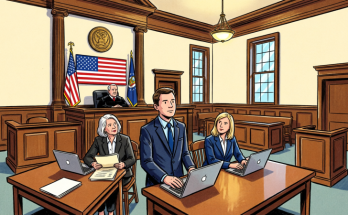
The courtroom was cold in a way that had nothing to do with the air conditioning.
Cold from the silence before something unfixable is spoken out loud. Cold from the fact that everyone in the room knew the truth now, and the truth didn’t care about family ties.
Cass walked in wearing beige. Hair tied back. No mascara. No fake designer labels. Just stripped-down desperation and the sudden realization that charm doesn’t work on courtrooms.
She looked smaller without her spotlight.
For a second, an old reflex in me stirred—the urge to protect, to soften, to make it easier. That reflex had been trained into my bones.
Then I remembered the mortgage balance and the way my father looked away.
I stayed still.
The judge read the charges.
Felony identity theft.
Mortgage fraud.
Forgery.
My name echoed off the walls like a wound reopened.
When the judge asked how Cass pled, she looked at me like I was supposed to save her again, like my existence was still a safety net.
“Guilty,” she said, then rushed the rest out like it would make it better. “But I didn’t mean to hurt anyone.”
I almost laughed.
Not because it was funny. Because it was so perfectly Cass—confession wrapped in self-pity, responsibility diluted by intention.
The prosecutor laid out the paper trail: emails, applications, digital signatures, the lender’s verification logs. Surveillance footage from the notary’s office. Cass leaning over a counter, signing my name with steady hands.
Steady.
She hadn’t been shaking when she stole my life.
Cass started to cry. Real tears or rehearsed tears, I couldn’t tell. In my family, emotions were often tools.
The judge paused. “Ms. Carter,” he said, looking at me. “Do you wish to make a victim impact statement?”
My chest tightened.
Raymond had prepared me for this. He told me to keep it factual, clear, calm. The court cared about harm, not poetry.
I stood anyway, not for revenge, but for record.
“This wasn’t an accident,” I said, voice steady. “It wasn’t a misunderstanding. It was a decision made over and over. To use me without asking. To silence me with guilt. To build a life on the bones of my credit.”
Cass’s lawyer started to object.
The judge lifted a hand, cutting him off. “Let her speak.”
I kept going.
“She didn’t just steal my name,” I said. “She stole years of trust. And when I confronted her, she begged for mercy. Not because she was sorry, but because she got caught.”
Cass’s crying turned into a sound that might have been rage. I didn’t look at her.
“She’s not the victim,” I said, and my voice didn’t shake. “She’s the architect of her own collapse.”
The judge nodded once, slowly, like he’d heard similar truths from other people who’d been forced to choose themselves.
Sentencing was postponed. There were negotiations. Restitution plans. Terms.
When I walked out of the courthouse, reporters waited outside like vultures who’d heard a rumor.
I didn’t stop.
I didn’t give them the drama.
Because the truth wasn’t entertainment.
It was a severing.
Two weeks passed with no calls and no texts. The kind of silence my family used to weaponize.
Now it felt different.
Now it healed.
I walked through my apartment barefoot. Sun poured through the windows. Peace felt like warm hardwood under my toes and coffee that didn’t come with a crisis.
Then Raymond called. “The lender’s fraud department accepted the evidence,” he said. “They’re moving to remove the mortgage from your record. It’ll take processing time, but you’re not legally responsible for the loan.”
I sat down hard on my couch.
Relief surged so fast it made my eyes sting.
After I hung up, I did something I hadn’t done in months.
I laughed.
Not sharp. Not bitter.
Just a quiet laugh that felt like my body remembering what it was like to not be braced for impact.
That evening, my mother emailed.
A final attempt dressed in polite language.
Your sister is agreeing to restitution. If you sign a forgiveness statement, it will help her sentencing. Please. For the family.
Forgiveness as if my signature could erase the nights I couldn’t sleep. The days I checked my credit report like it was a pulse. The job opportunities I’d hesitated on because I wasn’t sure if a background check would choke on my sister’s debt.
I stared at the email for a long time.
Then I closed it without replying.
Instead, I opened a different document Raymond had sent earlier that week.
A pre-approval letter.
Not for a mansion. Not for a marble fantasy.
For a modest home I could afford on my own.
The idea of buying a house had always felt like something I’d do “someday,” when everything was stable and safe. But stability and safety were myths now. If I wanted them, I had to build them.
So I did.
I toured small places with hardwood floors and sunlit kitchens. Places that didn’t need to impress anyone. Places that felt like quiet.
A month later, I sat at a closing table and signed my name.
My real name.
With a hand that no longer trembled.
When the title company slid the deed across the table, I stared at it like it was proof of survival.
It wasn’t a mansion.
But it was mine.
Part 7
Cass’s sentencing came on another Tuesday, because life has a cruel sense of symmetry.
This time, the courtroom felt less tense, more resigned. The big drama had already happened. Now it was paperwork and consequences and the judge’s voice reading out a future Cass didn’t want.
Cass stood when instructed. Beige again, like she’d decided color was too risky. Her hands were clasped tightly in front of her, knuckles pale. She looked at the judge, then at me, then down.
Her lawyer spoke about her “potential.” Her “mistakes.” Her “difficult upbringing,” which almost made me laugh out loud because we had the same upbringing and only one of us committed mortgage fraud.
The prosecutor spoke about the facts. The deliberate nature of the crime. The amount. The impact.
Then Cass was allowed to speak.
She swallowed hard. “I know I did wrong,” she said, voice shaking. “I just… I didn’t think it would ruin everything. I thought I could fix it before anyone found out.”
There it was again.
Not I’m sorry I hurt you.
Just I’m sorry consequences exist.
Cass glanced at me. Her eyes were wet, but I couldn’t tell if it was regret or fear.
“I love my sister,” she added quickly, like the word love should act as a shield. “I never wanted her to get hurt.”
I stayed still. Love without respect is just another kind of theft.
The judge listened without reacting, then delivered the sentence: a plea agreement with felony conviction, probation, restitution, mandatory financial counseling, and community service. There would be no immediate prison time, but one violation—one missed restitution payment, one new fraud attempt—and jail would be waiting.
Cass’s shoulders sagged with relief, and for a second I saw something in her face that looked like she’d already convinced herself she was the victim.
Outside the courthouse, Cass’s lawyer approached me with an envelope.
“It’s the forgiveness statement,” he said carefully. “Signing it could reflect well. It could help her employment prospects. It could—”
“It could help her feel like nothing really happened,” I replied, voice calm. “No.”
He hesitated. “You’re sure?”
I thought of the shredded childhood photo. The spray of family pressure. The way my father looked away.
“I’m sure,” I said.
That night, I hosted a small dinner in my new home.
Not blood. Not ghosts. Chosen people.
My best friend Tasha from work, who had brought over a plant and told me I was allowed to be angry. My neighbor Mrs. Jensen, who baked cookies and didn’t ask invasive questions. Raymond, who declined wine but accepted pasta like a man who’d survived too many cases to pretend food didn’t matter.
We ate at my small dining table. Candlelight flickered against the walls. People laughed without whispering. No one asked me to be smaller.
At one point, Tasha lifted her glass. “To Elena,” she said, smiling. “To her name. To her peace.”
We toasted, and my chest tightened, not with grief but with gratitude.
After dinner, when the dishes were stacked and the guests were gone, I walked outside onto my small porch.
The neighborhood was quiet. Trees swayed softly. A dog barked somewhere in the distance. The sky was sprinkled with stars like quiet witnesses.
My phone buzzed with a notification.
A missed call from my mother.
I stared at it, then set the phone down without listening to the voicemail.
Because healing doesn’t need an audience.
It needs space.
I looked up at the sky and whispered the truth that had taken me a decade to earn.
“I survived you,” I said softly, thinking of Cass, of my parents, of the whole family machine.
And then, even more quietly, because the second part mattered just as much:
“And I outgrew you.”
There was no applause.
Just the sound of a door inside me locking for good.
Part 8
In the months after sentencing, my life didn’t magically become easy. It became simpler, which was different.
There were still calls I didn’t answer. Family group chats I muted. Holidays I spent with friends instead of relatives who expected me to carry the emotional load. There were still moments when I caught myself bracing for disaster, like my nervous system hadn’t gotten the memo that the immediate threat was gone.
But the background noise of dread faded.
Raymond confirmed the mortgage was officially removed from my credit report. The lender sent a letter stating the loan was determined to be fraudulent and not my responsibility. I read that sentence three times, then framed the letter like a trophy.
Not because I wanted to celebrate the ugliness.
Because I wanted proof that the truth could win.
Cass made her first restitution payment on time. Then her second. Then her third.
My mother emailed updates like she was reporting on weather. Cass is doing better. Cass got a part-time job. Cass misses you.
I didn’t respond.
Not because I hated Cass. Not because I wanted her to fail.
Because I was done participating in the cycle where my pain was treated like an inconvenient detail and her comfort was treated like the main event.
Dr. Patel helped me name what I’d been doing my whole life.
“You were trained to be the stabilizer,” she said one afternoon. “When you stopped stabilizing, the system panicked.”
“I feel selfish,” I admitted.
She smiled gently. “Selfishness is taking what isn’t yours,” she said. “Boundaries are protecting what is.”
I carried that sentence around like a pocketknife.
On the anniversary of the letter—the Tuesday that had split my life into before and after—I took the day off work.
I didn’t spend it crying. I didn’t spend it raging.
I spent it in my home.
I made coffee and drank it slowly. I walked barefoot across my living room and felt how solid the floor was under me. I went to a bookstore and bought a novel just because I wanted it, not because it was on sale. I ate lunch on my porch in the sun.
Ordinary things, made precious because they were mine.
That evening, my phone buzzed with an unfamiliar email address.
It was from Cass’s lawyer again.
Subject: Restitution and Statement Request
Cass has agreed to increased restitution payments. She is requesting, once again, that you sign a forgiveness statement acknowledging reconciliation. This would assist in her professional rehabilitation. Please advise.
I stared at the email until my jaw unclenched and my shoulders dropped.
It wasn’t about money. Not really. It was about rewriting the story.
If I signed, it would let Cass tell herself this was a misunderstanding, a family hiccup, a rough patch we all moved past. It would let my parents tell relatives I forgave her, so the shame could evaporate without anyone facing what they did.
It would let them reset without accountability.
I closed the email.
No reply.
Then I opened the folder on my computer labeled Home.
Inside was a scanned copy of my deed. My name at the bottom, clean and real.
I clicked print.
The printer whirred, and the page slid out warm. I held it in my hands like it was a passport out of my old life.
Later, I hosted another dinner—smaller this time, just Tasha and Mrs. Jensen and one new friend I’d met at the bookstore, a man named Miles who talked about books like they were people you could trust.
We ate takeout, laughed, and listened to music while the evening softened around us. No one asked me to explain my family. No one asked me to fix anything.
At some point, Miles asked casually, “Do they ever try to reach out anymore?”
I smiled and shrugged. “Probably,” I said. “But I stopped checking.”
They nodded, like that made perfect sense.
Because the people who respect you don’t demand access to your wounds.
After everyone left, I washed dishes in warm water and watched the steam rise. My home was quiet, but it wasn’t lonely.
It was peaceful.
I turned off the lights, climbed into bed, and fell asleep without my heart racing.
And that was the clearest sign of all:
The debt was gone.
Not just the mortgage.
The emotional debt I’d been paying my whole life.
Part 9
The next time I saw my father was unexpected.
It was a Saturday morning at a hardware store. I was buying paint because I’d finally decided to redo the guest room, turn it into an office that felt like mine instead of a spare space waiting for someone else’s needs.
I turned down an aisle and almost ran into him.
He looked older than I remembered. Not dramatically, but in the way men do when their illusions break—like their posture has to carry more weight now. His hair had more gray. His hands were rougher.
“Elena,” he said, voice low.
For a second, my body did the old thing—tighten, prepare, brace.
Then I exhaled.
“Dad,” I replied.
He shifted awkwardly, staring at the paint swatches in my cart. “You bought a place.”
“Yes,” I said simply.
He nodded, swallowing. “Your mom told me.”
Of course she did. Sharing my life like it was still theirs.
My father’s eyes flicked to mine. “I… I should’ve stopped it,” he said quietly.
The words were simple, but they landed hard.
“You should have,” I agreed.
He flinched like he’d hoped I’d soften it. Like he’d hoped an apology would be a magic key.
He cleared his throat. “I didn’t know the amount,” he said. “Not at first.”
“But you knew something,” I replied.
He looked down. “Yes.”
Silence sat between us, heavy and familiar.
Then he said, “Your mother thought keeping peace was love.”
I let out a small, bitter breath. “Keeping her peace,” I corrected. “Not mine.”
He nodded slowly, as if the truth was finally catching up to him. “Cass is… struggling,” he offered, like that was a bridge back to family closeness.
I didn’t take it. “I hope she learns,” I said. “But she doesn’t get access to me while she does.”
My father’s eyes glistened. It startled me. I couldn’t remember the last time I’d seen him close to tears.
“I miss you,” he admitted.
I stood very still. Love complicated everything. Even broken love.
“I miss the idea of having parents,” I said honestly. “But I can’t go back to being convenient.”
He nodded, throat working. “I understand,” he whispered, though I wasn’t sure he did. Understanding wasn’t a feeling. It was a change.
We stood there in the hardware store aisle, surrounded by paint cans and fluorescent lights, like two strangers sharing the same last name.
When I left, my hands didn’t shake.
That was my new measure.
Not whether my family approved.
Not whether Cass was okay.
Whether I could walk away from them without losing myself.
That night, I sat on my porch and watched the sky shift from blue to black. The neighborhood lights blinked on. Someone laughed down the street. Somewhere, a lawn sprinkler clicked.
I thought about Cass.
I didn’t picture her mugshot anymore. I pictured her as a little girl with scraped knees, smiling in a photo my mother tried to use as a weapon. I pictured the version of her that might have become a decent person if she’d ever been required to face consequences early.
But she wasn’t that person.
And I wasn’t the person who could save her.
In the quiet, I finally let myself admit the simplest truth:
I didn’t want revenge.
I wanted peace.
And I had it.
Not because my family changed.
Because I did.
I finished my coffee, went inside, locked the door, and felt the solid click like punctuation.
A final, ordinary sound.
The kind that means the story is over.
And the life afterward is mine.
Part 10
My mother showed up on a Saturday morning like she still had a key to my life.
I was halfway through painting the guest room—my would-be office—when the doorbell rang. I’d been in old sweatpants, hair clipped up, speckled with pale gray paint that looked like dust. The kind of look you don’t wear around family unless you want commentary.
I opened the door and there she was, holding a paper bag from a bakery I’d never mentioned liking.
“Elena,” she said softly, like my name was a delicate thing. “I was in the area.”
It was a lie. My new house wasn’t “in the area” of anything she did. She’d driven forty minutes at least. Which meant she’d gotten my address from my father, or from some relative who still thought information was family property.
The bakery bag smelled like cinnamon and warm sugar. It was a smart tactic. Comfort disguised as kindness.
I didn’t step aside. “Mom.”
Her eyes moved past me into my entryway, taking in the newness, the clean walls, the absence of my old apartment’s clutter. Her expression flickered with something that looked like pride and grief fighting in the same breath.
“You bought a place,” she said again, as if the words might soften if she repeated them.
“Yes,” I replied.
She held the bag out. “I brought you breakfast.”
I hesitated. Not because I wanted the pastry. Because accepting anything from her still felt like signing something I hadn’t read.
“I’m in the middle of painting,” I said.
“I won’t stay long,” she promised, and then her voice dropped. “Please.”
That one word carried years of expectation. Please, Elena. Be easy. Be the daughter who smooths things over. Be convenient.
I stepped back enough to let her in, not because she’d earned it, but because I didn’t want a scene on my porch. My neighbors were friendly in that quiet way, the kind who waved and kept walking. I wanted to keep it that way.
My mother walked into my living room and sat on the edge of the couch like she wasn’t sure she was allowed to sink into it. She set the bakery bag on my coffee table carefully, like it might explode.
Her eyes darted around. “It’s nice,” she said. “It feels… peaceful.”
“It is,” I said, and I meant it.
She nodded slowly, hands clasped together. “I miss you.”
I leaned against the doorway, arms crossed. “You miss the version of me that did what you wanted.”
Her face tightened. “That’s not fair.”
I let out a quiet breath. “What do you want, Mom?”
She flinched. Not because my tone was cruel, but because it was direct. In our family, directness was treated like aggression.
She swallowed. “Your father told me you saw him.”
“Yes.”
“He said you said some… hard things.”
“I said true things.”
My mother’s eyes glistened. “He’s been carrying guilt,” she whispered, like guilt was a currency meant to pay me back.
I didn’t move. “Okay.”
Her gaze dropped to her hands. “Cass is struggling,” she said.
I waited. I didn’t offer comfort. I’d learned comfort was what my family used to drag me back into the old cycle.
My mother continued, “She’s making restitution payments. She’s doing the counseling. She’s working a job she hates.”
I nodded once. “That’s what consequences look like.”
My mother’s mouth trembled. “She keeps saying she wants to talk to you.”
“No.”
“She’s sorry,” my mother insisted. “I know you don’t believe it, but she is.”
I stared at the wall behind her, at a patch of sunlight that made the paint on my hands look almost silver. “Mom,” I said quietly, “Cass has been sorry every time she got caught. That’s not the same as remorse.”
My mother’s shoulders sagged. “She’s your sister.”
“And I’m your daughter,” I replied.
The words hung there. My mother blinked, as if she hadn’t expected that angle.
She picked up the bakery bag and opened it, pulling out a pastry and holding it like an offering. “Do you remember when you were little,” she started, voice softening, “and Cass would take your toys and you’d just let her?”
My stomach tightened. “I remember.”
“You were so patient,” she said. “So kind.”
I stared at her. “You mean I was trained not to fight.”
Her hand froze, pastry hovering. “Elena—”
“You called it patience because it made your life easier,” I said, voice still calm. “You called me kind because I didn’t inconvenience you with conflict.”
My mother’s eyes filled. “We did our best,” she whispered.
“I believe you did what you wanted,” I said.
She set the pastry down slowly, like her fingers had lost strength. “I didn’t come to argue,” she said. “I came because… we’re scared.”
There it was. The real reason, finally uncovered.
“Scared of what?” I asked.
My mother swallowed hard. “Of losing her,” she admitted. “She talks like she has nothing left. She says she ruined everything. She says… she says she can’t see a future.”
My spine went rigid. I understood exactly what my mother was doing, whether she realized it or not. She was positioning Cass’s fragility as my responsibility. If Cass broke, it would be because I was too cold. Too unforgiving. Too firm.
I kept my voice steady. “If Cass is in crisis, she needs professional help. She needs a therapist. A doctor. Not my forgiveness statement.”
My mother winced as if I’d said something obscene. “You talk like it’s all paperwork.”
“It is paperwork,” I replied. “It was paperwork when she stole my identity. It was paperwork when the bank threatened foreclosure. It was paperwork when she tried to use my name as a ladder.”
My mother’s tears spilled over. “I just want my family back,” she whispered.
I felt something in my chest tighten, not with pity, but with that old familiar ache. The grief of wanting something that never existed the way you needed it to.
“You want the picture back,” I said softly. “The version where Cass shines and I stay quiet and you don’t have to face what you allowed.”
My mother covered her mouth, shoulders shaking.
I didn’t rush to her. I didn’t pat her back. Comfort wasn’t my job anymore.
After a long moment, she whispered, “Your father and I… we thought if we could keep it contained, it wouldn’t destroy us.”
“It still did,” I said. “Just slower.”
She looked up then, eyes red. “What do you want from us?” she asked, voice thin. “Tell me.”
The question startled me because it sounded almost sincere.
I took a breath. “I want you to stop asking me to be the sacrifice,” I said. “I want you to stop treating accountability like cruelty. I want you to stop calling me cold when I’m just done bleeding.”
My mother nodded slowly, as if each sentence landed somewhere heavy.
“And I want boundaries,” I added. “If you show up here, you call first. If you want to talk, you don’t bring Cass into it. If you want a relationship with me, it has to be one where my needs exist too.”
My mother wiped her cheeks with shaking fingers. “That feels… harsh.”
“It feels new,” I corrected.
Silence settled.
Finally, she nodded. “Okay,” she whispered. “Okay.”
She stood, grabbed the bakery bag like she needed something to hold, and walked toward the door. At the threshold, she hesitated.
“I’m proud of you,” she said quietly, and it sounded like it hurt.
I didn’t answer right away. Pride from my mother felt like a rare coin. But I didn’t want it if it came with strings.
“Thank you,” I said, carefully. “I hope you’re proud enough to stop asking me to pretend.”
My mother nodded once, then stepped outside.
When the door clicked shut, I stood there with my paint-speckled hands and felt my heart beating steady, not frantic.
She hadn’t apologized. Not really. She hadn’t owned the full truth.
But she’d heard me.
And I had held the line.
That afternoon, I went back to my guest room, rolled fresh paint onto the wall, and watched the color spread smooth and even.
A new layer.
A new boundary.
A new life that didn’t require anyone else’s permission to be solid.
Part 11
Raymond called two weeks later with the kind of voice he used when he wanted me to sit down before he spoke.
“Good news and bad news,” he said.
I lowered myself onto my couch, phone pressed to my ear. “Start with the good.”
“The lender is officially removing the fraudulent mortgage from your record,” he said. “They’re sending confirmation in writing. Credit bureaus have updated. You’re clear.”
Relief washed through me so fast I had to close my eyes. Clear. The word felt like sunlight.
“And the bad?” I asked.
“Civil discovery turned up more,” Raymond replied. “Your sister didn’t just use your identity for the mortgage.”
My stomach tightened. “What do you mean?”
“She applied for two additional lines of credit in your name,” Raymond said. “One was denied. The other was approved for a smaller amount—twenty-five thousand. It looks like she used it to furnish the house and cover payments when she started falling behind.”
I stared at my living room, at the framed letter on the wall that said I was not responsible for the mortgage. My hands went cold again anyway.
“So it wasn’t just a house,” I whispered. “It was… a whole lifestyle.”
“Yes,” Raymond said. “And it gets worse. The notary we subpoenaed admitted your parents were present at closing.”
My chest tightened so hard it hurt. “Present how?”
“They didn’t sign anything,” Raymond said quickly, anticipating my panic. “But their car shows up in the surveillance footage. They were in the lobby. They waited while she signed.”
My breath caught. The room seemed to shrink.
“They were there,” I said, voice thin.
Raymond’s tone stayed careful. “We can’t prove they knew the full scope, but… Elena, they were present during the fraud.”
A familiar nausea crawled up my throat, the same feeling I’d had when my father looked away at Sunday dinner.
“They knew,” I whispered.
“Maybe,” Raymond said. “Maybe they told themselves it wasn’t that serious. Maybe Cass told them you were ‘helping’ her. But the optics are bad. And it gives us leverage if we choose to expand the civil claim.”
I swallowed hard. “You mean sue my parents.”
“I mean include them if evidence supports complicity,” Raymond replied. “At minimum, it strengthens the case against Cass, because it shows planning and support.”
I pressed my palm to my forehead. “I don’t want to sue them,” I said.
Raymond didn’t argue. He just asked, “Do you want to protect them?”
The question landed hard because it forced honesty.
“I want the truth,” I said slowly. “I want them to face what they did. But I don’t want to burn everything to the ground.”
Raymond sighed lightly. “Understood. Then we proceed strategically. We depose Cass. We depose the notary. We keep your parents as potential witnesses. If they lie, that changes things.”
My stomach twisted. Depositions meant sitting across from Cass while lawyers asked questions that cut through family like a blade. It meant hearing her justify, minimize, spin.
“Okay,” I said.
Raymond continued, “One more thing. Cass’s attorney is pushing hard for you to sign a reconciliation statement. Not just for sentencing optics. For the civil case.”
“Why?” I asked.
“Because if you sign anything suggesting consent or forgiveness,” Raymond said, “they’ll use it to muddy the narrative. They’ll imply you approved. They’ll imply this was a family agreement gone wrong.”
My jaw clenched. “So it’s a trap.”
“Yes,” Raymond said simply.
I stared at the floor. “I’m not signing anything.”
“I know,” Raymond replied. “But I need you to understand: this will get uglier before it gets quieter. Cass is losing the image she built. She will try to replace it with a new one: victim of a cruel sister.”
I let out a slow breath. “She already tried.”
Raymond’s voice softened slightly. “Then you keep doing what you’ve been doing,” he said. “Facts. Documentation. Boundaries.”
When I hung up, I sat in silence for a long time.
My parents had been at the closing.
Even if they hadn’t signed, even if they hadn’t forged, their presence was a kind of signature. A silent endorsement. A choice.
That night, I didn’t call my mother. I didn’t call my father.
I opened my journal and wrote one sentence, slow and steady:
They were willing to watch me be stolen from, as long as it kept the family looking whole.
Seeing it on paper hurt, but it also clarified.
I could love them and still refuse to protect them from the consequences of their choices.
That was adulthood, I realized. Not just paying your own bills.
Paying attention to the truth, even when it costs you comfort.
Part 12
Cass showed up at my workplace in early summer, as if she hadn’t learned anything except desperation.
I work in a mid-sized firm downtown—numbers, audits, corporate compliance. The kind of job that rewards quiet competence and hates scandal. My office is a glass-walled cube with a view of other glass cubes, a city built on people pretending they have control.
I was walking back from a meeting with a client when I saw her.
Cass stood in the lobby near security, hair pulled back, wearing a plain blouse like she was trying on humility. Her eyes snapped to me instantly, bright and frantic.
“Elena,” she said, stepping forward.
My heart jumped, not with love, but with alarm. It felt like spotting a fire where you thought everything was contained.
I stopped a few feet away. “You can’t be here,” I said.
Cass’s voice shook. “Please. Just five minutes.”
I glanced at the security guard, who was already watching. “You need to leave,” I repeated, lower.
Cass’s eyes filled with tears. “I’m trying,” she whispered. “I’m making payments. I’m doing everything they told me. But Mom and Dad won’t help me anymore, and I can’t—”
I cut her off. “Stop.”
Cass flinched.
“You don’t get to show up at my job,” I said, voice controlled. “You don’t get to threaten my career because yours collapsed.”
“I’m not threatening you,” she cried. “I’m asking.”
I stared at her. “In our family, your asking has always been a demand,” I said. “And I’m done.”
Cass swallowed hard, looking around like the marble floors might offer sympathy. “They said if you don’t sign the reconciliation statement, the civil case will ruin me,” she whispered. “I’ll never recover.”
I felt my jaw tighten. “You weren’t worried about my recovery when you forged my name.”
Cass’s face twisted, tears spilling. “I didn’t think—”
“That’s the problem,” I snapped, then lowered my voice because the lobby was echoing. “You never think. You just take.”
Cass reached into her bag and pulled out a folded letter. “I wrote this,” she said, holding it out like a peace offering. “Please. Just read it.”
I didn’t take it. I kept my hands at my sides, steady.
“Give it to your lawyer,” I said. “Or mail it. You don’t get to hand-deliver remorse to my workplace like it’s flowers.”
Cass’s breathing hitched. “You hate me.”
I let out a slow breath. “I don’t hate you,” I said. “I don’t trust you. And I don’t owe you access to me.”
Her mouth opened, then closed again. She looked smaller, cornered by the fact that tears weren’t working.
The security guard stepped closer. “Ma’am,” he said to Cass, polite but firm. “You need to leave.”
Cass’s eyes flashed with humiliation. She looked at me one last time, voice trembling. “You’re really going to let me drown.”
I held her gaze. “No,” I said quietly. “I’m going to stop letting you use me as a life raft.”
Cass’s face crumpled. She turned and walked out quickly, shoulders shaking.
I stood there for a moment, heart pounding, then turned and walked toward the elevators. My hands were steady, but my ribs felt tight, like my body was still learning that boundaries don’t require permission.
Later that afternoon, HR called me in.
Not because I was in trouble, but because someone had noticed Cass and wanted to confirm she wasn’t a safety risk.
I told them the truth in clean, professional sentences: family member, legal dispute, no threat of violence, but please notify security if she returns.
Saying it out loud in that context—work context—felt strange. Like I was translating my private pain into corporate language.
But when I left HR, I realized something important.
Old Elena would’ve hidden it. Would’ve swallowed the fear and hoped it wouldn’t happen again.
New Elena documented it. Named it. Prepared.
That evening, Raymond emailed me.
Subject: Deposition Schedule
Cass’s deposition was set for next month. My parents were listed as potential witnesses.
I stared at the email for a long time, then replied with one sentence:
I’ll be ready.
Because I was tired of living like the truth was something I had to tiptoe around.
Cass had already dragged my name into legal documents.
Now I was dragging it back into the light.
Part 13
My mother’s health scare arrived the way these things always do: suddenly, inconveniently, with enough panic to tempt you into forgetting your boundaries.
It was a Wednesday. I was finishing a late workday when my father called—an actual phone call, not a text, not an email.
“Elena,” he said, voice tight. “Your mom’s in the hospital.”
My stomach dropped. “What happened?”
“Chest pain,” he replied. “They’re running tests. She’s stable, but… can you come?”
The old reflex surged. Go. Fix. Smooth. Be the good daughter.
Then the newer reflex answered: Don’t let fear erase what you know.
“I’ll come,” I said carefully. “But I’m not doing family theater. I’m coming for Mom. That’s it.”
My father exhaled, as if he’d expected negotiation. “Okay,” he said softly. “Okay.”
At the hospital, the fluorescent lights made everyone look tired. My mother lay in a bed with wires attached, her face pale but alert. When she saw me, her eyes filled immediately.
“Elena,” she whispered.
I stepped closer, careful. “Hi, Mom.”
She reached out with a shaky hand. I hesitated, then took it. Her fingers were warm, fragile.
My father stood near the window, arms crossed, watching us like he didn’t know where to put himself.
Cass was there too.
She sat in the corner in a plastic chair, hands twisting a tissue, face bare. No glam. No sparkle. Just exhaustion and fear.
When she saw me, she stood quickly. “Elena—”
I held up a hand. “Not here,” I said quietly. “Not today.”
Cass’s mouth trembled, but she nodded and sat back down.
My mother squeezed my hand weakly. “I didn’t think you’d come,” she admitted.
“I came because you’re my mother,” I said. “Not because everything is fine.”
Her eyes shimmered. “Nothing’s fine,” she whispered.
The doctor came in, spoke in calm tones about tests and stress and the importance of rest. He mentioned anxiety, mentioned lifestyle changes. My mother nodded like she was absorbing it, but I could see her eyes flicking between Cass and me like her body was sick and her family was worse.
After the doctor left, my father cleared his throat. “We can talk later,” he said, as if the sentence might hold the room together.
Cass’s voice cracked. “I didn’t want this,” she whispered.
I looked at her, really looked.
For the first time, Cass didn’t look like someone plotting. She looked like someone terrified.
But fear didn’t erase what she’d done.
“You didn’t want consequences,” I said softly. “That’s different.”
Cass flinched. My father’s jaw tightened.
My mother squeezed my hand again, eyes pleading. “Elena,” she whispered. “I know we failed you.”
The words startled me. They were simple, but I’d waited years to hear anything close to them.
I swallowed hard. “What do you mean?” I asked.
My mother’s voice shook. “We let Cass take,” she admitted. “We let her take from you because it was easier than stopping her. And we called you strong so we didn’t have to protect you.”
My throat tightened so hard I couldn’t speak for a second.
Cass looked like she’d been slapped. “Mom—”
My mother’s eyes flashed with something I’d rarely seen directed at Cass: firmness. “No,” she said weakly but clearly. “You listen. You built your life on lies and we helped you by pretending it wasn’t happening.”
Cass’s tears spilled. “I’m trying,” she whispered. “I swear I’m trying.”
My mother looked at her, exhausted. “Then try without asking Elena to pay the price,” she said.
My father turned away, rubbing his face like he couldn’t stand the light on the truth.
I felt my chest ache. Not because it fixed anything. But because it named it. Because it made my pain part of the family story, not something I carried alone.
I leaned closer to my mother. “I want you to get better,” I said softly. “But I’m not going back to how things were.”
My mother nodded slowly, tears slipping down her cheeks. “I don’t want you to,” she whispered. “I want… a different way.”
I didn’t promise anything. Promises were what my family used to buy time.
But as I sat there holding my mother’s hand, I felt something shift—not reconciliation, not forgiveness, but a thin thread of reality where my boundaries could exist alongside love.
When I left that night, Cass didn’t follow me. She didn’t chase. She just watched, eyes red, shoulders slumped.
Outside the hospital, the air was cool. I sat in my car and breathed slowly.
I wasn’t healed.
But I wasn’t invisible anymore either.
And that mattered.
Part 14
Cass’s deposition was the most honest room we’d ever sat in together, not because she chose honesty, but because the law doesn’t care about family mythology.
Raymond sat beside me in a conference room with beige walls and a long table that looked like it had hosted a thousand ugly truths. Cass sat across with her attorney. A court reporter typed quietly, turning our lives into an official record.
Cass looked smaller than she used to, like reality had shaved the extra confidence off her edges. Her hands trembled when she lifted a bottle of water.
Her attorney started with soft questions, building her story: stress, bad decisions, intentions.
Then Raymond took over.
“Ms. Carter,” he began, voice calm and sharp. “Did you apply for a mortgage using Elena Carter’s Social Security number?”
Cass swallowed. “Yes.”
“Did you sign Elena Carter’s name on closing documents?”
Cass’s eyes darted to me. I didn’t react.
“Yes,” she whispered.
“Did Elena Carter give you permission to do so?” Raymond asked.
Cass hesitated, then said, “No.”
The air in the room tightened. Even her attorney shifted uncomfortably.
Raymond continued, methodical. “Did you alter or use a false identification document to verify identity at the notary’s office?”
Cass’s face flushed. “Yes.”
“Did you use Elena Carter’s identity to apply for additional credit accounts?” Raymond asked.
Cass’s shoulders sagged. “Yes.”
Raymond’s tone didn’t change. “Was this a one-time mistake, or did you knowingly repeat the behavior across multiple transactions?”
Cass’s voice cracked. “I repeated it.”
I felt something strange then: not satisfaction, but relief. Hearing it stated clearly, officially, without excuses, was like finally setting down a weight I’d carried in silence.
Raymond moved through the receipts: furniture purchases, deposits, payments, the timeline of Cass’s social media posts lining up neatly with charges on my stolen credit.
Then he asked about my parents.
“Were your parents present at closing?” he said.
Cass’s attorney objected weakly. Raymond held up a hand. “You can answer.”
Cass’s eyes filled. “Yes,” she whispered.
My stomach tightened anyway, even though I already knew.
“Did they know you were using Elena Carter’s identity?” Raymond asked.
Cass’s mouth opened, then closed. She swallowed hard. “I told them Elena was helping me,” she said quickly, like the lie might protect them.
Raymond tilted his head. “So you lied to them.”
Cass’s face crumpled. “Yes.”
Raymond paused, then asked the question that mattered. “Did they ever contact Elena Carter to confirm consent?”
Cass’s voice was barely audible. “No.”
When the deposition ended, Cass looked wrecked. Her attorney packed up papers quickly, avoiding my gaze.
Cass lingered for a moment after her lawyer stepped out to make a call.
“Elena,” she whispered.
I stayed seated, still, letting Raymond’s presence act like a wall.
Cass’s eyes were red. “I’m not asking you to forgive me,” she said, and for once, it sounded like she meant it. “I know I don’t deserve that.”
I didn’t answer.
Cass swallowed. “I want you to know… I didn’t think you’d fight,” she admitted. “I thought you’d be mad, then you’d fix it like you always do.”
The honesty hit harder than any insult.
“That’s why you did it,” I said softly. “Because you believed I’d absorb it.”
Cass nodded, tears spilling. “Yes.”
Raymond cleared his throat gently, a reminder this wasn’t a sister moment. It was a legal aftermath.
Cass wiped her face. “I’m selling everything,” she whispered. “Whatever I can. To pay it back.”
“That’s your job,” I replied, voice steady. “Not mine.”
Cass flinched, then nodded again.
When we left the building, Raymond walked beside me, hands in his pockets. “You did well,” he said.
“I didn’t do anything,” I replied.
“You showed up,” he corrected. “You didn’t collapse into guilt. That’s doing something.”
A month later, the civil case settled.
The lender, the title company, and the notary’s office all contributed to a resolution. Cass’s assets—what little was left—were seized or sold as part of restitution and damages. The settlement didn’t make me rich, but it made me whole. It paid attorney fees. It reinforced the record that this happened to me, not because I was careless, but because someone chose to steal.
When the final papers arrived, I sat at my kitchen table and signed my name one more time.
Not on a forgiveness statement.
On a settlement document that closed the loop.
My hand didn’t tremble.
Afterward, I went into my office—the one I’d painted myself—and sat at the desk with the window open.
Wind moved the curtains softly. My computer hummed. My home felt solid.
I wasn’t celebrating.
I was exhaling.
Because the law had finally done what my family refused to do for years:
It made my reality official.
Part 15
Life got quiet again, the good kind of quiet.
The kind where the loudest problem in your day is whether you forgot to buy milk.
I threw myself into my work for a while, not as avoidance, but as momentum. My boss noticed. I got promoted to a role that involved more oversight, more trust. It felt ironic—my family treated me like I was cold for having boundaries, while my workplace rewarded me for clarity.
On Saturdays, I volunteered at a local clinic that helped people navigate identity theft and financial coercion. I didn’t advertise it. I just showed up, sat with strangers, and helped them breathe through paperwork that made their hands shake.
There was a woman named Renee who cried when she told me her ex had opened three cards in her name. A man named Julio who stared at his credit report like it was a death certificate. A college kid who had no idea his own mother had taken out loans under his Social.
Every story was different. Every pattern was familiar.
One afternoon, after the clinic closed, I walked to the bookstore down the street—the same one I’d started haunting when my life was falling apart. The air inside smelled like paper and coffee. It felt safe.
Miles was there, leaning against a shelf, holding a novel like he was debating whether it deserved his time.
He looked up and smiled. “Hey,” he said.
I smiled back before I even thought about it. “Hey.”
Miles and I had been circling friendship for months—book recommendations, short conversations, a slow comfort that didn’t demand anything. He didn’t push. He didn’t pry. He didn’t treat my quiet like a mystery to solve.
“Coffee?” he asked.
We walked next door and sat outside with paper cups while the late afternoon softened the edges of the city.
Miles asked about my week. I told him about the clinic, about how exhausting it was and how good it felt anyway.
He nodded thoughtfully. “You ever think about teaching workshops?” he asked. “Like… basics. Credit freezes, fraud alerts, how to spot scams.”
I laughed softly. “You make it sound like a hobby.”
“It kind of is,” he said. “A hobby that saves people.”
I stirred my coffee, watching the swirl. “I don’t want to be the identity theft girl forever,” I admitted.
Miles leaned back. “Then don’t,” he said simply. “Be the woman who survived something and learned what she wanted to do with the lesson.”
The sentence landed quietly, but it stayed.
That night, I got an email from Cass.
Not from her lawyer.
From her.
Subject: Not for court
My stomach tightened as I opened it, half expecting manipulation.
The email was short.
Elena,
I won’t contact you again after this. I just needed to say something without lawyers.
I used to think you were quiet because you were weak. I realize now you were quiet because you were disciplined. You built something real while I chased attention.
I don’t expect forgiveness. I don’t expect a relationship. I know I destroyed that.
I’m in a program now. Not court-mandated. Real help. I finally understand how addicted I was to being seen, to being praised, to feeling like I mattered even if I had to fake it.
I’m sorry I made you pay for my emptiness.
I’m paying back what I can. I’ll keep paying. Not to earn you back. Just because it’s right.
Goodbye.
Cass
I read it twice, then sat back in my chair.
It wasn’t perfect. It wasn’t poetic. It didn’t undo anything.
But for the first time, it didn’t feel like a trap.
It felt like someone finally looking at the wreckage and admitting she held the match.
I didn’t reply.
Not because I wanted to punish her with silence, but because replying would reopen a door I wasn’t ready to manage.
Instead, I saved the email in a folder labeled Record.
Not evidence for court.
Evidence for myself.
That I wasn’t crazy. That it happened. That it mattered.
Then I closed my laptop and walked through my house, turning off lights.
In my office, the walls I’d painted looked smooth in the lamplight. In the living room, my couch held no ghosts. In my kitchen, coffee brewed without crisis.
I crawled into bed and felt my body relax into the mattress.
Not numb.
Safe.
That was the difference now.
Safety wasn’t something my family gave me.
It was something I built and defended, brick by brick, boundary by boundary, with my own name intact.
Part 16
Five years after the letter, I replaced my front door.
Not because it was broken, not because someone kicked it in, but because I wanted to.
The old door had been fine—sturdy, plain, a little scuffed near the bottom from moving boxes. But one morning I looked at it and realized it still felt like a door to a life I inherited, not a life I chose.
So I ordered a new one. Solid wood. Simple design. A clean brass handle that caught the light.
On installation day, I stood in the entryway watching the workers lift the old door off its hinges. The exposed frame looked raw for a moment, like a wound opened to air. Then the new door slid into place and everything looked sharper, cleaner, intentional.
When they finished, one of the workers asked, “Want us to put your name on the package box here? For deliveries?”
I nodded. “Yes.”
He handed me a small adhesive plaque for the mailbox.
I peeled the backing off and pressed it into place.
Elena Carter.
My name, plain and unapologetic, sitting at the edge of my property like a line in the sand.
That evening, my father called.
He didn’t call often anymore. We had settled into something cautious: occasional check-ins, no pretending, no pressure. My mother had gotten healthier, physically at least, but she’d also gotten quieter, like she was learning what it meant to live without controlling the narrative.
“Elena,” my father said. “Your mom wants to invite you for dinner. Just you. No Cass.”
I paused. “Is that true?” I asked.
“Yes,” he said, and his voice sounded tired in a way that felt honest. “Cass moved out of state. She’s still paying restitution. She hasn’t asked about you in a while.”
I took a breath. “What kind of dinner?” I asked.
My father hesitated, then said, “An apology dinner. Not speeches. Not gifts. Just… truth.”
I stared at the new door, at my name on the mailbox. I felt the old ache, the old longing for parents who protected me. I also felt the newer clarity: love without boundaries is just a different kind of trap.
“I’ll come,” I said carefully. “But I’m not coming to perform.”
My father exhaled softly. “Okay,” he said. “We won’t ask you to.”
When I arrived at my parents’ house that Sunday, it looked the same—trim lawn, neat porch, familiar smell of rosemary and roasted chicken. The sameness made my stomach tighten, but I walked in anyway.
My mother stood by the kitchen counter, hands clasped. She looked older now. Softer. Less certain.
“Elena,” she said, voice trembling slightly.
“Mom,” I replied.
We sat at the table. My father poured water. No wine. No theatrics.
My mother took a breath. “I’m sorry,” she said. Not dramatic. Not pleading. Just words placed carefully on the table like something breakable.
I waited.
“I’m sorry we asked you to stay quiet,” she continued. “I’m sorry we tried to make your boundaries look like cruelty. I’m sorry we protected Cass at your expense.”
My throat tightened, but I didn’t cry. Tears weren’t what I needed.
My father spoke next, voice rough. “I was there at closing,” he admitted. “I told myself it wasn’t real. I told myself you must’ve agreed. I didn’t ask because… I didn’t want the answer.”
He swallowed hard. “That was cowardice. And it hurt you.”
I nodded once. “Yes,” I said.
My mother’s eyes filled. “I don’t expect you to forgive us,” she whispered. “But I want you to know we see it now.”
I stared at the familiar kitchen—the one where I’d eaten Sunday dinners for years while Cass spun stories and my parents clapped along. The one where my quiet had been interpreted as consent.
“I don’t know what forgiveness looks like for this,” I said honestly. “But I know what accountability looks like. And this is closer.”
My father nodded, eyes glassy. “We’re going to therapy,” he said quickly, like he needed me to know they were doing something tangible. “Together. Not for you. For us.”
I exhaled slowly. “Good,” I said. “Because I’m not coming back into a system that needs me to be small.”
My mother nodded, tears slipping down her cheeks. “You don’t have to,” she whispered.
Dinner was quiet. Not awkward in a performative way. Quiet like people learning a new language.
When I left, my mother hugged me at the door. It wasn’t a hug that tried to pull me back into obligation. It was just a hug.
“Drive safe,” she said.
“I will,” I replied.
In my car, as I drove back to my home, I noticed something surprising.
My shoulders weren’t tight.
My jaw wasn’t clenched.
I wasn’t braced for the next attack.
That night, I walked up to my new front door, turned the brass handle, and stepped inside.
I locked it behind me.
The sound was small, ordinary, final.
Inside, my house smelled like clean laundry and coffee. My office walls held steady. My kitchen held no threats. My phone held no guilt bombs.
I stood in the entryway for a moment, listening to the quiet.
Not the silence of punishment.
The silence of peace.
And in that quiet, I understood the ending wasn’t Cass going to jail or my parents finally apologizing.
The ending was this:
I stopped letting anyone rent space in my life at the cost of my own name.
I walked into my kitchen, poured a glass of water, and set it down on the counter.
Then I smiled, small and real, and whispered the only sentence that mattered.
“I’m home.”
THE END!
Disclaimer: Our stories are inspired by real-life events but are carefully rewritten for entertainment. Any resemblance to actual people or situations is purely coincidental.