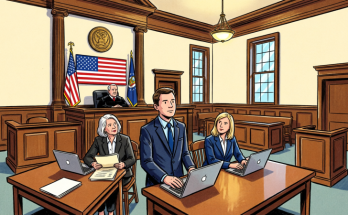
My Husband, The CEO, Believed His Brother’s Lies And Fired Me Without A Thought. Three Days Later, He Came Asking If I’d Learned My Lesson. Instead, I Handed Him Divorce Papers And Watched Both Him And His Brother, Bloodline Revenge, Finally Face The Truth They Built Their Empire On.
Part 1
Three days ago, I thought my life had been sorted into neat columns the way I liked my spreadsheets—assets here, liabilities there, projections lined up clean and sane.
Then Monday happened.
At 8:12 a.m., I was in my office on the twenty-second floor of Crown Meridian Capital, staring at payroll summaries while the city outside looked washed in pale winter light. The vents were blowing too cold, the coffee on my desk had already gone bitter, and somewhere down the hall I could hear the copy machine making that grinding, unhappy sound it always made when too many people treated it like a miracle instead of a machine.
It should have been a normal morning.
I was thinking about year-end bonuses. About whether we could stretch the numbers enough to increase maternity benefits next quarter. About the fact that one of our junior analysts, Ben, had brought in donuts and left powdered sugar fingerprints all over the breakroom counter.
Then the meeting notification slid onto my screen.
Performance Review — Mandatory — 9:00 a.m.
Scheduled by: Jack Rowan.
I stared at it long enough for the blue highlight to dim.
Jack was my husband.
Jack was also CEO.
And in seven years of building Crown Meridian together and five years of marriage, my husband had never once scheduled a “performance review” for me.
He usually texted me first, even when he was irritated. A curt Need to talk. A later? A simple you free?
This was cold. Formal. The kind of invitation you sent someone you were already halfway done with.
I checked my phone. No message.
I sent one anyway.
You in trouble or am I?
He read it.
He didn’t answer.
By 8:58, I was walking toward the main conference room with my heels clicking too hard against the slate tile, each step sounding like it belonged to somebody more confident than I felt. The glass walls reflected me back at myself: charcoal pencil skirt, cream blouse, hair pinned up, face calm. I looked like a woman who had things under control.
The room smelled like lemon polish, stale coffee, and money.
Jack sat at the head of the table. Navy suit, silver watch, jaw locked tight. He had that still look he got right before investor calls, when he wanted everyone around him to become quieter, smaller, easier to direct.
Beside him sat his younger brother, Levi.
Levi looked expensive in a way I had always found faintly insulting. Too much shine on the loafers. Too-white teeth. Hair cut so precisely it made him look like he traveled with his own lighting team. His Harvard ring flashed when he turned a page in the folder in front of him.
Three expense reports sat on the table.
Mine.
My stomach turned over once, slow and cold.
Jack folded his hands. “Hazel, thanks for coming.”
Not babe. Not Haze. Not even can you shut the door?
Just Hazel.
I sat down without asking permission. “What is this?”
Levi answered before Jack could. “A review of financial irregularities connected to your office.”
If he’d slapped me across the face, I think I’d have felt less stunned.
I laughed once because it was so absurd. “Connected to my office?”
Jack kept his eyes on the folder, not me. “There are discrepancies we need explained.”
Levi slid the first report toward me with two fingers, like it might stain him. “Three questionable reimbursements. Two consultant disbursements. One restricted fund transfer. All approved under your credentials.”
I flipped through the pages. I knew these reports. Or parts of them. Travel reimbursements. Vendor retention costs. Executive dining. A transfer marked under employee wellness reserve that made no sense at all.
“This one isn’t mine,” I said immediately, tapping the transfer. “I never approved this.”
Levi leaned back. “It has your authorization.”
“It has my digital signature. That’s not the same thing.”
Jack finally looked at me. His face was unreadable, and somehow that was worse than anger. “Can you explain the pattern?”
Pattern.
That word did something ugly to my pulse.
“I can explain every legitimate charge in that folder,” I said. “The Charleston client dinners. The compliance retreat. The vendor settlement. The rest I need system access to verify, which I assume you’ve already pulled because you wouldn’t call this meeting without checking audit trails.”
Jack didn’t answer.
Levi did that tiny smile of his, the one that made me want to break things. “Audit trails are exactly why we’re here.”
I looked at Jack again. “Tell him to leave.”
He didn’t.
The silence that followed was so complete I could hear the vents humming overhead.
“Jack.”
His expression shifted just enough for me to see it—the decision had already been made. Whatever this meeting was, it wasn’t an inquiry. It was a ceremony.
He cleared his throat. “The board has been informed there may have been misuse of company funds under your authority.”
“May have been?” I repeated. “Then why am I sitting here like a suspect?”
Levi opened the second folder. “Because at some point, leadership requires action.”
I stood up so fast my chair legs scraped the floor. “Leadership? I built the operating structure of this firm while you were still playing dress-up in business school. I handled payroll when we couldn’t afford a payroll manager. I negotiated the client renewal that kept this company alive in year two. If there’s fraud in this building, I will help you find it, but I will not sit here and be framed by a man who bills us forty thousand dollars a month to use words like synergy.”
Levi’s smile thinned.
Jack’s face didn’t move at all.
And that was the moment fear arrived. Not the hot kind. The cold kind. The kind that makes your fingers feel strange.
I took a breath. “Did you call security?”
Jack said nothing.
The door opened behind me.
Two guards stepped in.
I turned slowly. My ears were ringing.
“No,” I said, not because I thought it would stop anything, but because my body needed to hear me say it. “No, you don’t get to do this.”
Jack stood. “Hazel, please don’t make this harder.”
Harder.
I think some part of me left my body right then, because what I remember most is stupid, tiny detail. The knot in Jack’s tie was crooked. I had fixed that knot for years, one gentle tug at a time, laughing because he still rushed it on important mornings. And there he stood, firing me with a crooked tie and a straight face.
I pulled my badge from my jacket and set it on the table with more care than he deserved.
“Say it,” I told him.
His throat moved.
“We have to let you go. Effective immediately.”
There are sentences that split your life in half. That was one of mine.
I don’t remember packing much. A framed photo from the first office, a fountain pen Marcus gave me when we landed our first institutional account, the ceramic mug that said Trust the Numbers. I remember the cardboard box biting into my palms and the hall feeling too long. I remember employees staring at screens that weren’t interesting enough to hold that much attention. I remembered every single face.
When I passed Levi near the elevators, he leaned close enough for me to smell his cedar cologne.
“The only mistake here,” he murmured, “was hiring family.”
I wanted to claw the smirk off his face.
Instead, I walked.
By the time I got home, the apartment felt like a museum of my own bad judgment. Jack’s coffee mug in the sink. His running shoes by the door. His black wool coat hanging where I’d told him a hundred times not to hang it because it crushed mine. Maple, our golden mutt, whining at the entryway and looking behind me for him.
“He’s not here,” I whispered, and my voice cracked so sharply Maple flattened his ears.
I set the box down on the kitchen island and started deleting messages without reading them. Colleagues checking in. Friends asking if the rumors were true. One message from my mother that just said Call me.
I couldn’t.
I walked into our bedroom because pain likes the places it knows best. Jack’s side of the bed was unmade. His dresser drawer was half-open. One cufflink glinted in the low light like an eye.
Then my phone buzzed with an automated alert from the shared archive I’d forgotten was still mirrored to my personal device.
Transfer approved: Larkspur Advisory.
Authorized by: Hazel Bennett.
Timestamp: Thursday, 11:47 p.m.
Thursday at 11:47 p.m., I had been standing beside Jack at the Mercer Foundation gala while a photographer begged us to “look more in love.”
I stared at the screen until my hand started shaking.
If I hadn’t authorized that transfer, then who had—and why were they using my name?
Part 2
I didn’t sleep that night.
That sounds dramatic, but I mean it literally. I lay on top of the covers in leggings and one of Jack’s old college T-shirts because it was the first thing my hand touched, and every time I started to drift, my body kicked me awake like it was afraid of what waiting would do if I got still enough to feel it.
Maple climbed up once around three in the morning, heavy and warm and smelling faintly like the oatmeal shampoo I used on him, and pressed himself against my hip. I rested my hand on his ribs and counted his breathing.
At 5:11, the sky outside the bedroom window turned from black to deep blue. At 5:26, the radiator hissed alive. At 5:40, a garbage truck clanged in the alley below and I sat up with my heart beating like someone had knocked on the door.
Jack never came home.
He didn’t call. He didn’t text. He didn’t send some sterile legal statement through an assistant, which honestly would have been more in character for the version of him I’d met in that conference room.
He just vanished into the silence he’d made.
I showered because the hot water gave me something specific to survive. I put on sweats and tied my wet hair into a knot. I made coffee and couldn’t drink it. I opened the fridge and closed it again. The apartment smelled faintly like toast from Sunday morning, lemon cleaner, and the ghost of Jack’s cologne in the bathroom vent.
Everything around me was proof of a life I suddenly wasn’t sure had been real.
At 7:02, my phone lit up with another message from a coworker.
At 7:03, another.
By 7:10, I had forty-seven unread texts and two voicemails.
I deleted most of them because I couldn’t stand the thought of pity dressed up as concern.
One message I kept.
Nina Park, our HR director, had sent it from a number I didn’t recognize.
Don’t reply from your company email. Levi was in IT Friday night. Heard he had your access frozen before the meeting. Be careful.
I read it three times.
Nina wasn’t reckless. She had two kids, a mortgage, and the kind of practical nervous system that made her label leftovers by date and color. If she was contacting me from a burner number, something was very wrong.
I texted back: Can you talk?
Her answer came almost instantly. Not yet. They’re watching too closely.
That phrase sat in my chest like broken glass.
I took my laptop to the kitchen island and pulled up everything I could still access from personal backups—old expense summaries, archived approvals, vendor lists I’d exported during quarter close, compliance snapshots I’d saved because I trusted myself more than cloud storage.
The numbers looked wrong the way a familiar face looks wrong when the smile doesn’t reach the eyes. Nothing obvious at first. Nothing cartoonish. Just a handful of consulting fees large enough to matter and small enough to hide inside quarterly noise if no one was paying attention.
Larkspur Advisory appeared five times in six months.
The first payment had been modest—twelve thousand for “strategic restructuring.” Then eighteen. Then twenty-five. Then forty. Then the transfer I hadn’t approved.
The invoices were thin. Vague. No deliverables. No milestone attachments. No legal review stamp. Not impossible, but sloppy enough that I would have flagged them if they’d crossed my desk clean.
Which meant they hadn’t.
I zoomed in on the PDF signatures.
Mine looked like mine until they didn’t. The curve on the H was too smooth. The time stamps clustered oddly late at night. One approval email had my name, but the spacing in the signature block was off by one line. Tiny thing. Easy to miss. The kind of thing you only noticed after years of looking at your own professional fingerprint.
I thought of Levi’s ring flashing under the conference room lights.
I thought of how satisfied he’d looked.
Then I thought of Jack sitting beside him and letting that satisfaction happen.
By noon, anger had arrived.
Not the loud kind. The useful kind.
I called Marcus Bell.
Marcus had been our outside accountant in the early years, before we grew large enough to bring more functions in-house. He was one of those men who always looked like he’d just returned from arguing with a printer—gray at the temples, reading glasses he kept forgetting on top of his head, shirtsleeves rolled, tie loosened by ten a.m. We’d trusted him because he respected detail and distrusted charm. In finance, that’s basically sainthood.
He picked up on the second ring. “Hazel.”
He didn’t say I heard. He didn’t say are you okay. He just said my name, and the steadiness of it almost undid me.
“I need you to look at something.”
“I figured you might.”
That made me pause. “You figured?”
He exhaled. I could hear paper shifting. “I got a request Friday from Levi’s office for supporting documentation on legacy consulting agreements. Felt odd. More odd after what happened Monday.”
“Can you meet?”
An hour later we were in a diner three blocks from his office, the kind with chipped red booths and coffee so dark it looked metallic under the lights. The waitress called everybody honey and the pie case hadn’t been updated since 1998. I loved it immediately because it didn’t care about appearances.
Marcus studied the invoice copies I’d brought, chewing the inside of his cheek.
“These signatures aren’t clean,” he said.
My spine tightened. “Meaning forged?”
“Meaning generated. Not handwritten obviously, but not your normal authorization path either.” He tapped one page with his knuckle. “See this metadata trail? It routes through an admin token before final approval. That’s not standard user behavior.”
I stared at him. “Someone used an admin override to sign as me?”
“Looks that way.”
My first wave of relief was so humiliating I nearly hated myself for it. Because it meant I wasn’t crazy. Which should have been obvious. Which should never have needed proving.
Then the second wave hit: if Marcus could see it over coffee in a diner, then Jack could have seen it too.
Unless he never looked.
Unless he didn’t want to.
Marcus lowered his voice. “Do you have originals?”
“Not anymore.”
“Then we need system logs.”
I gave a short laugh that sounded nothing like humor. “Wonderful. Let me just stroll back into the office where my husband had me marched out by security.”
He looked at me over the rim of his glasses. “This isn’t just office politics, Hazel.”
“I know.”
“You need to consider that somebody wanted the accusation more than they wanted the truth.”
That sentence stayed with me all afternoon.
At home, I went through the paper files I’d kept in the apartment—the boring emergency copies nobody ever thinks matter until suddenly they matter more than oxygen. Vendor onboarding packets. Insurance certificates. Board packet drafts. Two years of handwritten notes from long budget sessions with Jack at the dining table while takeout cartons sweated soy sauce rings into the wood.
Near the bottom of a banker’s box, I found an old onboarding form for Larkspur Advisory.
The address was a P.O. box downtown.
The registered contact was a man named Aaron Pike.
I knew that name.
It took me a second to place it, then I saw him in my mind the way you see somebody from an old yearbook photo—too much hair, red solo cup, grin like a dare.
Aaron Pike had been Levi’s college roommate.
I sat very still at the table while the radiator clicked behind me and Maple’s nails tapped softly across the hardwood.
At 9:14, Marcus texted me a screenshot from the metadata trace.
Admin token created under IT credentials at 11:31 p.m. Thursday. Approval executed 11:47 p.m. Same token touched your reimbursement folder and restricted fund file. Hazel, someone had access to your desk environment before you were fired.
I read it once. Twice.
Then my eyes landed on the last line of his message.
I need to know who asked IT to open that door.
My throat went dry.
Because I suddenly knew this wasn’t just about money anymore.
It was about who inside my company—and inside my marriage—had decided I was disposable.
Part 3
By Tuesday morning, grief had turned into procedure.
That might sound cold, but I’ve always trusted process more than panic. Panic makes you loud. Procedure gets you evidence.
I put on jeans, a wool coat, and the kind of boots that make you feel more capable than you are. I tied my hair back, took Maple out into the sharp January air, watched steam rise from the street grates, and told myself that if I could get through ten small tasks, I could survive the day.
Task one: meet Marcus.
Task two: get more records.
Task three: find out what the hell “check the wellness fund” meant, because once a mystery lands in my lap, my brain gnaws on it like a dog with a bone.
Marcus’s office sat above a pharmacy and always smelled faintly like toner, dust, and peppermint tea. He had stacks of binders everywhere, plus one heroic ficus that had somehow lived through three tax seasons. When I walked in, he was already digging through old archive drives.
“I pulled what I still had from our pre-internalization backups,” he said by way of hello.
He turned his monitor toward me.
Larkspur Advisory was registered through a chain of shells so thin it was almost insulting. Aaron Pike, yes, but routed through a Delaware LLC, then a “strategic holdings” entity that had no employees, no public deliverables, and a mailing address shared with seventeen other companies and probably a tax attorney’s conscience.
Next to that, Marcus had highlighted three transfers from the employee wellness reserve.
I frowned. “Why would anyone pull from that?”
“Because people don’t scrutinize soft-benefit accounts the way they scrutinize direct operating expenses,” Marcus said. “Small recurring drains are less visible than one giant theft.”
He clicked deeper into the ledger.
There they were. Five thousand here. Eight thousand there. Two consultant reimbursements disguised as mental health program expansions. A reimbursement bundle marked executive family support initiative, which was such meaningless nonsense I almost admired the audacity.
I didn’t, but I almost did.
My anger sharpened.
“That fund paid for therapy stipends after the acquisition layoffs,” I said. “We made promises to staff.”
Marcus glanced at me, and there it was—the same look people get when they realize your injury is personal in more than one direction.
“Then whoever did this counted on nobody ethical wanting to believe it.”
I left his office with copies, notes, and the kind of buzzing focus that makes the world look unnaturally crisp. The sky was hard blue. The sidewalks were crowded with people carrying sandwiches and stress. I drove to Crown Meridian because there are moments in life when you know something is a terrible idea and your body goes there anyway.
The building lobby still smelled like polished stone and burnt espresso. The security desk gleamed. The receptionist on duty was new, which somehow felt insulting. My old access badge wouldn’t have worked even if I still had it.
I asked for my personal items from my locked office cabinet.
The guard’s mouth flattened in that apologetic-not-apologetic way corporate security people have. “I’m not authorized to release anything without executive approval.”
“Executive approval from whom?”
He hesitated.
That was answer enough.
As I turned away, someone called softly, “Ms. Bennett?”
Terry from facilities stood half-hidden near the service corridor, holding a manila envelope. Terry had been with the building longer than the company had. He kept peppermints in his pocket, knew everybody’s coffee order, and fixed jammed drawer rails with the gravity of a trauma surgeon.
“This was left in internal mail for you,” he said. “Thought maybe it got missed.”
The envelope was thin, unmarked.
I took it with a thank-you that came out rough.
In my car, I opened it.
Inside were six printed sheets from access logs and one yellow sticky note in block letters:
Check the wellness fund.
And the badge log from Thursday night.
My pulse jumped.
I spread the pages across the passenger seat. There were IT admin access entries, terminal wake events, remote session tags I didn’t fully understand, and one line that made my hands go cold.
11:42 p.m. — Office 22C Accessed — Badge ID: Levi Rowan.
Levi had opened my office door the Thursday before I was fired.
He had physically entered my office.
The sticky note trembled between my fingers.
I wanted to know who had sent the envelope, but the bigger question landed harder: what had he done once he got inside?
I called Rosa Medina from Accounts Payable.
Rosa owed me nothing, which is why I trusted her more than most executives. She was precise, discreet, and impossible to flatter. I’d helped her fight for a raise two years earlier after discovering she was training men who made more than she did. Since then, we had built the kind of respect that survives awkward org charts.
She agreed to meet me at a sandwich shop two blocks over.
The place smelled like grilled onions and pickles. We sat in a back booth. Rosa kept glancing toward the front windows like she expected someone to be watching.
“I shouldn’t be here,” she said.
“Then tell me one thing and leave.”
She swallowed. “Levi pushed through two split payments in December that I flagged because documentation was incomplete.”
“Larkspur?”
She nodded once.
“What did Jack say?”
Rosa’s eyes flicked up. “He said it was family-sensitive and not to create noise before the board review.”
The words hit me physically.
Board review.
“What board review?”
She frowned. “The one tomorrow. I thought you knew.”
I did not.
She lowered her voice further. “They’re calling a special session to ratify your termination, suspend your voting rights pending investigation, and appoint temporary financial oversight.”
My mouth went dry. “That fast?”
“They’re moving like they’re trying to close a window before anyone else sees through it.”
There it was. Not just firing me. Removing me. Fast enough that if I objected, I’d already be outside the machinery.
I thanked Rosa. She squeezed my hand once before leaving, quick and warm and frightened.
Back in my car, I stared at the mirrored glass of Crown Meridian towering above me. I could see my own reflection faintly in it, small and dark against all that polished ambition.
My phone buzzed.
Unknown number.
I answered carefully. “Hello?”
Silence for two seconds.
Then a voice I recognized, low and panicked.
“Hazel? It’s Ben. Don’t say my name if anyone’s with you.”
My grip tightened. “I’m alone.”
“I saw him,” he whispered. “Thursday night. Levi. In your office with Darren from IT. I thought it was some executive thing. Then Monday happened and I—” He broke off, breathing hard. “There may be a system capture. Training software. I need to check without getting caught.”
Every muscle in my body went rigid.
“Ben, listen to me,” I said. “Do not do anything reckless.”
“I already have,” he said, voice shaking. “And if I’m right, they didn’t just accuse you. They built the accusation.”
The call cut off.
I sat there with the phone pressed to my ear long after the line went dead.
On the passenger seat, the access log page stared back at me, Levi’s badge entry black against white.
He had been in my office at 11:42 p.m.
The board was meeting tomorrow to erase me.
And somewhere inside that building, there might be proof of exactly how they planned to do it.
Part 4
I have never understood people who say betrayal arrives all at once.
It doesn’t.
It arrives in layers.
First the obvious wound. Then the smaller cuts you only notice when you start taking inventory. The things you dismissed. The conversations you smoothed over. The ugly little jokes that should have bothered you more than they did.
Tuesday afternoon, I sat at my kitchen table with Marcus on speakerphone, Serena Hall across from me, and six years of memory rearranging itself into a pattern I no longer wanted but could no longer ignore.
Serena was my college friend and now a divorce attorney with immaculate posture and zero patience for sentimental self-deception. She wore a camel coat that probably cost more than my first month’s rent after college and had the unnerving habit of seeing the legal shape of a disaster before everybody else had even admitted there was one.
She listened while I walked them through the logs, Rosa’s warning, the board meeting, Ben’s call.
When I finished, Serena set down her tea.
“You need two parallel tracks,” she said. “Corporate response and personal protection.”
“I’m not filing for divorce because Jack was manipulated by his brother,” I snapped.
Her expression didn’t change. “You’re not filing because he was manipulated. You’re considering it because he fired you without investigating, used company force to humiliate you, and is apparently participating in a plan to strip your rights before you can defend yourself.”
The room went quiet.
When you hear the truth said cleanly, it has a way of sounding much worse than the story you’ve been telling yourself.
Marcus broke the silence. “Serena’s right.”
I hated that they were right.
I hated more that part of me still wanted Jack to walk through the door, look wrecked, and say, Hazel, I made a horrible mistake. I know you. I know you’d never do this. Tell me what to fix.
Instead I had nothing.
Not one apology. Not one explanation. Not one crack in the wall.
Serena slid a legal pad toward me. “Then don’t decide today. But prepare today.”
So I did.
We drafted a timeline. We listed possible witnesses. We mapped every suspicious account Marcus had found. I wrote down names, dates, folders, conversations. My handwriting started neat and turned ugly by the third page.
When I reached the line where Levi told Rosa not to create noise before the board review, I remembered another moment from four months earlier.
Levi at an executive dinner, swirling whiskey in a heavy glass, smiling while he told a story about “outsider leadership eventually forgetting whose table they’re sitting at.”
Everyone had laughed because he’d made it sound like a joke.
I had smiled too, though I’d felt my spine stiffen.
Later in the car, I asked Jack if his brother had a problem with me.
Jack had squeezed my knee and said, “Levi’s all bark. He respects you more than he knows how to say.”
I believed him because loving someone often means accepting their translations of the people who hurt you.
Around four, Ben texted from an encrypted app Marcus had suggested.
Can meet 6:30. Riverfront lot near the old warehouse. Alone.
It felt absurdly dramatic, but fear makes everybody look like they’re in a bad thriller. I went anyway.
The old warehouse district sat by the river where the city stopped pretending to be clean. Rusted loading docks. Wind knifing off black water. A donut shop glowing yellow on the corner like something left over from a kinder decade.
Ben was already there, hunched in a puffer jacket, hands jammed in pockets. He looked twenty-two and exhausted, which was accurate.
“I don’t have the full file yet,” he said before I even reached him. “But I found a training capture still.”
He handed me his phone.
The image was blurry, taken from some automated screen-record function used for IT tutorials. But it was clear enough.
My office.
My desk.
My monitor awake.
Levi sitting in my chair.
In the background, through the glass wall, the corridor lights were dimmed to night mode.
And farther down the hall, one office still lit.
Jack’s.
I lifted my eyes slowly.
“Was he there?” I asked.
Ben swallowed. “I didn’t see him. Just the light. Darren from IT was with Levi for part of it.”
Part of it.
That phrase pressed on a bruise I hadn’t let myself touch.
“Ben, did you hear anything?”
“Only bits. Darren was nervous. Levi kept saying, ‘It’s handled. Jack signed off on the cleanup.’”
My knees went weak for one horrible second.
Clean up.
It could mean anything. It could mean document review. It could mean legit access. It could mean nothing. Or it could mean exactly what it sounded like.
“Do you have the video?”
“Not yet. If I pull it wrong, they’ll know.”
I forced myself to breathe through my nose. The river smelled metallic and cold, and somewhere nearby a truck backed up with that shrill mechanical beep that always makes your teeth hurt.
“Don’t risk yourself unless you can do it clean,” I said.
He gave a shaky laugh. “Bit late for that.”
Back home, I found Maple asleep with his nose pressed into Jack’s side of the couch. I stood there looking at the indentation in the cushion, at the blue throw blanket I’d bought in Vermont, at the life arranged around me like a set after the actors had left.
Then my phone buzzed.
Jack.
My whole body leaned toward the sound before my mind caught up. I answered on the second ring.
“Jack.”
Static. A car door shutting. Then his voice, flat and distant. “I need some space right now.”
I stared at the kitchen tile. “You need space.”
“This is already difficult enough without you escalating it.”
Escalating it.
The words were so unreal I almost laughed.
“You fired me.”
“You need to let the process work.”
I closed my eyes. “There is no process, Jack. There’s whatever Levi told you and whatever you were too cowardly to verify.”
His inhale came sharp. “Don’t do this.”
“Don’t do what? Notice?”
He went silent.
Then, colder: “We’ll talk when you’ve had time to settle down.”
The line disconnected.
For a long second all I could hear was the refrigerator humming.
Then something in me went very still.
I opened my laptop and searched the shared cloud folder Jack sometimes used from home because he was too lazy to VPN into the main server.
One draft deck remained synced.
Governance Stabilization Plan.
Prepared by: Levi Rowan.
I opened it.
Slide seven was titled Interim Protection Measures.
Bullet point three read: Initiate misconduct-triggered equity review and negotiate forced buyout at reduced valuation.
I sat back so hard my chair creaked.
This had never been just about firing me.
This was about stripping my ownership, my work, my leverage—everything I had built—while calling it governance.
At the bottom of slide nine was a note in comments view.
Need Jack aligned before board sees final.
My chest went hot, then cold.
I clicked into the comment history.
And there it was.
Approved. Move fast. — JR
I stared at the initials until the screen blurred.
At 6:30 that night, Ben had shown me Levi in my chair.
At 9:14, my husband had become something worse than weak.
He had become willing.
And if Jack had approved Levi’s “cleanup,” what exactly had they cleaned away before they came for me?
Part 5
Wednesday started in the dark.
Not poetically. Literally. The power strip in the living room had tripped overnight, so when I got up at 5:50 to the sound of Maple pacing, half the apartment was shadow and the digital clock on the stove was blank. I reset the breaker, stood there in bare feet on cold tile, and watched the microwave blink 12:00 like time itself had given up keeping records.
Maybe that should have felt dramatic. Mostly it felt rude.
I made coffee strong enough to sand furniture and sat at the table waiting for Ben.
He arrived at 6:40, pale and damp-haired, carrying a cheap flash drive like it might explode.
“I got it,” he said.
I let him in fast and locked the door behind him.
Maple sniffed him once, approved, and dropped a tennis ball at his shoe. Ben stared at the dog, then at me, and for one weird second the normalness of it all almost made me laugh. Corporate fraud, marriage collapse, possible felony cover-up, and my dog still believed the real emergency was a ball nobody had thrown.
We sat at the table while steam climbed from our mugs.
Ben plugged the drive into my laptop.
The video loaded grainy and colorless, pulled from an internal training-monitor tool Darren from IT must have forgotten to disable. It showed a time stamp in the upper corner: Thursday, 11:34 p.m.
Levi stood behind my chair while Darren worked at my keyboard.
I watched my own office like it belonged to a stranger.
The overhead lights were off. Only my desk lamp was on, throwing a yellow cone over the keyboard and a stack of budget folders. Levi loosened his tie halfway through and sat down, tapping impatiently while Darren muttered about access privileges.
Then the screen capture sharpened on the monitor view.
Darren opened my approval dashboard.
He pulled an admin override.
Levi selected Larkspur invoices one by one.
“Use the older cert,” Levi said. “The new one flags two-factor.”
“It’s messy,” Darren whispered.
“It doesn’t matter. This has to clear before morning.”
Darren hesitated. “Jack said—”
Levi cut him off. “Jack signed off on the cleanup. Don’t grow a conscience now.”
I felt the blood leave my face.
Ben looked sick. “I didn’t know if you’d want the audio too.”
“I want all of it.”
So we kept watching.
They routed approvals through my credentials. Added a forwarding rule to an external archive. Opened the wellness fund file. Cross-referenced a consultant ledger. Levi leaned over once, bracing a hand on my desk where I had eaten late-night takeout and cried over budgets and laughed with Jack until midnight in the years when we were young enough to think exhaustion was romance.
At 11:49, Levi paused and looked toward the glass wall.
Someone had passed in the hallway outside frame.
Only shoes visible at first. Dark leather. Expensive.
Then the figure stopped.
Jack.
Not fully in the room. Not helping. Not objecting. Just standing there beyond the glass, profile lit by the corridor light, watching for maybe three seconds before moving on.
It was enough.
I pushed my chair back hard.
Ben flinched. “Hazel—”
“He saw.”
I wasn’t shouting. My voice had gone quieter than that.
The worst betrayals rarely arrive as explosions. More often they arrive as permission. A man you love sees something wrong and keeps walking because dealing with it would be inconvenient.
My phone buzzed on the table.
Nina.
Diane asked for backup documentation last night. Levi told board you were unstable and retaliatory. Jack didn’t correct him.
I read the message, then set the phone down with perfect care.
Ben looked like he wanted to disappear. “I’m sorry.”
“This isn’t on you.”
But the apology cracked something anyway.
Because now I had two versions of Jack in my head and they no longer fit together. Jack at twenty-nine, eating pad thai from the carton on the floor of our first office because we couldn’t afford a proper table yet. Jack pulling me into his lap and promising that when we made it big, we’d never become the kind of people who forgot what sacrifice cost. Jack kissing my ink-stained fingers and saying nobody sees numbers like you do, Haze.
And then this Jack. The man behind glass.
The one who watched.
By eight, Serena had arrived with a legal pad, a printer, and that dangerous calm she gets when she smells leverage.
“Good,” she said after watching the video once. “This is ugly enough to be useful.”
“That’s your pep talk?”
“That is my version of one, yes.”
Marcus joined by video call because he was chasing bank trace confirmations from a forensic contact. Nina fed us what she could from inside the office. Rosa agreed to put her concerns in writing if counsel requested it. The room began to feel less like a home and more like a war table.
Serena drafted divorce papers while I organized the evidence packet.
There should probably be a more poetic way to describe that moment—watching the legal end of my marriage take shape on twenty-pound bond paper while sunlight moved slowly across the kitchen island—but the truth is it felt administrative.
Almost insultingly so.
Name.
Date of marriage.
Grounds.
Division notices.
Filing jurisdiction.
Love, reduced to forms.
By late afternoon, my eyes burned from screens. Maple had wedged himself under the table like a furry footrest. Ben had gone home with instructions to say nothing more to anyone. Marcus texted that he had traced one of the offshore transfers to an account seeded from a dormant family trust Levi controlled after their father died.
That detail mattered more than the money.
Because it meant Levi hadn’t just been stealing from the company.
He’d been stealing under the cover of bloodline.
At 6:12 p.m., my intercom buzzed.
I looked at Serena.
She was already standing. “Want me to answer?”
I checked the building camera.
Jack.
He stood in the lobby in a charcoal coat, one hand in his pocket, posture loose with the confidence of a man who still believed access was his birthright.
For one stupid second my body remembered him before my mind did. The slope of his shoulders. The way he shifted weight onto one leg when tired. The little notch in his eyebrow from a college rugby accident.
Then I remembered the glass wall.
I buzzed him up.
Serena gathered the evidence folders into a neat stack and retreated to the guest room at my nod. We weren’t hiding. We were waiting.
Jack stepped into the apartment like it still belonged partly to him.
He smelled like cold air, cedar, and the expensive cologne I used to buy him for birthdays. Maple did not go to him. That hurt more than I expected.
Jack glanced around once, taking in the papers, the boxes, my face. He looked tired, but not shattered. More annoyed than damaged. More manager than husband.
“Hazel,” he said, slipping off his gloves. “I’m here because I think enough time has passed for you to reflect.”
Reflect.
I stared at him.
He walked to the leather chair in the living room—the one I hated because he always sank into it when he wanted to sound authoritative—and sat down like he was beginning a meeting.
Only then did I notice the folder tucked under his arm.
He laid it across his knee, and the top page slid just enough for me to read the title.
Equity Transfer Resolution.
My skin went cold.
He had not come to apologize.
He had come to make sure that after humiliating me, they could still take everything I hadn’t yet realized I still owned.
Part 6
There are moments when rage should arrive, and doesn’t.
I expected to feel it when I saw the words Equity Transfer Resolution in neat legal print under Jack’s hand. I expected heat, shaking, maybe the kind of cinematic slap people always threaten in stories and rarely survive in real life.
What I felt instead was clarity.
Cold, bright, almost peaceful.
Jack sat in that awful leather chair with one ankle resting on his opposite knee, as if he were settling into a negotiation with a difficult vendor instead of my living room after detonating my career. The lamp by the couch threw warm gold across one side of his face. The other side stayed in shadow.
“I know this has been difficult,” he said.
Difficult.
That word almost made me smile.
He continued carefully, like he’d rehearsed. “The board’s been asking about you. There’s concern about how you’re handling everything. I told them emotions are high, that you need some time.”
I folded my arms. “That was generous.”
His jaw flexed as if he heard the knife in that and resented it. “Hazel, don’t do this.”
“Do what?”
“Turn this into something uglier than it already is.”
That got me.
I laughed once, short and sharp. “You had security walk me out of a company I built with a cardboard box in my hands, and now you’re worried about ugly?”
He leaned forward. “We found serious discrepancies.”
“You found a stack of lies and decided they were easier than asking me a direct question.”
“That isn’t fair.”
“Fair?” I repeated. “You don’t get to use that word in my apartment.”
Maple moved closer to me and laid his head against my leg. Jack noticed. His mouth tightened.
He placed the folder on the coffee table, then flattened one palm over it. Not open. Just possession. “This doesn’t have to end the way you seem determined to make it end.”
There was that tone again. The one executives use when they think they are being magnanimous. It made my teeth hurt.
“What way is that, exactly?”
He exhaled through his nose. “If you acknowledge there were lapses—”
I actually blinked. “Lapses.”
“—or even just poor judgment around oversight, we can manage the narrative. Quietly. The board would consider a rehabilitation path. Time away. A structured reentry later, maybe in a consulting capacity—”
I held up a hand. “Stop.”
He did.
I stepped closer to the coffee table and looked down at him. “Let me make sure I understand. You think I should sign something admitting vague wrongdoing so you can generously offer me a smaller role in the company I helped build, after you publicly humiliated me based on evidence you never bothered to verify.”
His silence said yes before his mouth did.
“Hazel, I’m trying to help you.”
“No,” I said softly. “You’re trying to make this easier on yourself.”
For the first time that evening, something flickered in his expression. Not guilt exactly. Irritation. Maybe even confusion that his script wasn’t working.
“We have to think about the company.”
There it was. The altar where he laid everything inconvenient.
“The company,” I repeated. “Not your wife.”
His voice hardened. “My wife would have come to me with the truth.”
I stared at him.
It took me a second to understand what he’d actually said.
Then it hit.
“The truth?” I asked quietly. “Jack, I brought you approved reports in that conference room. I told you the transfer wasn’t mine. I asked you to look at the audit trail. You looked at your brother.”
He stood up then, finally, unable to keep managing me from a chair. “There were too many issues at once. Too many strange entries. Levi had corroboration from IT. The board was already rattled. I had to act fast.”
“Why?”
He opened his mouth. Closed it.
“Why did you have to act fast?” I asked. “Because the truth might catch up if you moved slowly?”
His eyes flashed. “Because leadership requires decisions.”
“Leadership requires courage,” I shot back. “What you had was panic with a title.”
The apartment fell quiet except for the radiator ticking and the faint city siren whining somewhere twelve floors below.
Jack looked tired now. Not tired enough for me, but less polished.
“I came here to give you a way back.”
That did make me smile, though there was no warmth in it.
“You really think this is about whether I can get back?”
I went to the kitchen island and picked up the first folder Serena and I had prepared. It was heavier than it looked. Paper always is when it carries a life inside it.
I set it down in front of him.
“What’s this?” he asked.
“Open it.”
He did.
At first his face stayed blank, still CEO, still managing. Then he turned another page. And another.
Larkspur Advisory registration records.
Metadata traces.
Admin token logs.
Badge access.
Wellness fund transfers.
Offshore routing breakdowns.
A still image of Levi in my office.
The color left his face one clean degree at a time.
“This can’t be right,” he murmured.
I set a second folder beside the first.
He looked up slowly.
“That,” I said, “is right.”
His hand hovered over it like he already knew and didn’t want to know anyway.
He opened it.
The divorce petition sat on top.
For a second the room went so still I could hear the blood in my ears.
Jack looked at the first page, then at me, as if the language had shifted without telling him and now nothing would translate.
“Hazel.”
“Don’t.”
He swallowed. “You’re serious.”
That sentence—more than anything—showed me who he was. Not I’m sorry. Not how did this happen. Not I should have believed you.
You’re serious.
As if the unbelievable thing in the room was not his betrayal but my response to it.
“You let your brother accuse me of theft,” I said. “You let him use company security to humiliate me. You signed off on a governance plan to strip my shares. And when you came here tonight, you didn’t come with regret. You came with terms.”
His eyes dropped back to the evidence. He turned a page and stopped dead on the bank trace tied to the dormant Rowan family trust.
“I know this account,” he said, almost to himself.
I watched that land.
“This account belonged to your father’s estate,” I said. “Or did, before Levi started moving money through it.”
Jack sat back down hard. He looked younger suddenly, and not in a good way. Younger like stripped. Like a man who had spent years calling dependency loyalty and was finally meeting the bill for it.
“Levi handled the estate after Dad died,” he said.
“Yes,” I said. “And apparently he handled your company too.”
Jack looked up, genuinely shaken now. “Why would he—”
I cut him off. “Because I was in his way. Because I asked questions. Because he wanted control. Pick one.”
His phone buzzed in his hand before he could answer.
Levi.
Jack stared at the screen like it had become a snake.
“Answer it,” I said.
He did, voice rough. “What?”
I couldn’t hear Levi’s words, only the speed and panic of them. Jack’s face changed in increments—confusion, then fear, then something close to horror.
“What do you mean Marcus is missing?” he whispered.
My whole body went cold.
Jack was already on his feet, phone pressed hard to his ear, eyes unfocused.
And just like that, the game changed again—because if Marcus was missing, then somebody else knew exactly how close I was to the truth.
Part 7
The moment Jack left, Serena came out of the guest room with her phone already in hand.
“What happened?”
“Levi told Jack Marcus is missing.”
She didn’t waste time reacting. “Call Marcus. Now.”
I did.
Straight to voicemail.
Again.
Voicemail.
My skin went clammy. The apartment suddenly felt too exposed, every window a sheet of black reflecting us back at ourselves. Outside, traffic hissed through wet streets. Somewhere down the hall a neighbor laughed at something on television, and the normality of that sound made everything inside me feel even more unreal.
Serena called a contact in white-collar defense who knew a former police lieutenant. I called Marcus’s office. No answer. His assistant. No answer. I called three times before remembering it was after eight and that panic does not improve chronology.
At 8:47, Marcus texted.
Alive. ER. Got jumped leaving office. Phone smashed. Don’t reply with details.
I sank into a kitchen chair so fast it skidded backward.
Serena read the text over my shoulder. “Good. Or as good as this gets.”
The message did not feel good. It felt like confirmation.
Whoever had set me up now knew the evidence trail was real enough to chase.
We moved fast after that.
I packed an overnight bag. Then another. Not because I believed Levi was going to kick down my door like a movie villain, but because men like him rarely do their own dirty work and I was done underestimating what entitlement looks like when cornered.
Serena insisted I come stay at her townhouse across town.
Maple hated leaving. He paced while I shoved clothes, files, chargers, and one pair of sensible heels into bags. When I passed the bedroom, I saw my wedding ring box still sitting on the dresser from the last gala where I’d switched to simpler earrings and tossed the box there without thinking.
I picked it up. Set it back down.
Not tonight.
The drive to Serena’s took twenty minutes and felt like two hours. The city looked slick and metallic under recent rain. Streetlights smeared on the windshield. Maple lay across the backseat with his head on my bag, watching me in the rearview mirror like he knew I was holding myself together with dental floss and caffeine.
At Serena’s, we spread everything across her dining room table.
Evidence packets.
Marcus’s trace notes.
Ben’s copy of the screen capture.
Rosa’s written statement.
A draft timeline for the board.
My divorce papers.
A yellow legal pad now so full of arrows and names it looked like the planning wall of a detective who needed sleep.
At 10:12, Marcus finally called.
He sounded bruised but lucid. Someone had hit him from behind in the parking garage outside his office. Wallet untouched. Laptop bag gone.
“Which means they wanted records, not money,” he said dryly.
“Did they get anything?”
“Some printouts. Maybe the external drive in the bag.”
My breath caught.
He added, “But I’m not an amateur, Hazel. I mirrored the serious stuff to a secure cloud before I left.”
I closed my eyes in relief so sharp it hurt.
“Marcus—”
“I’m okay,” he said. “Concussed, pissed off, and too old for this nonsense, but okay.”
We decided then that there would be no quiet settlement, no private confrontation, no giving Jack time to “work it out internally.” That door had shut the minute somebody put Marcus in the ER over accounting records.
By midnight, Diane Ellison had responded to the summary Serena sent from her firm account.
Board will hear the full matter at 8:00 a.m. Bring documentation and counsel.
No warmth. No apology. Just a lane opened.
Good enough.
Jack called at 12:17. Then 12:32. Then 12:46.
I let all three go to voicemail.
On the fourth, Serena looked at me over the rim of her wineglass. “You should probably hear what version of conscience he’s performing now.”
I answered without speaking.
Jack’s breathing filled the line first.
“Hazel.”
His voice had changed. The arrogance was gone. So was the managerial polish. What remained sounded raw and frayed.
“I didn’t know about Marcus,” he said. “I swear to God.”
I looked out Serena’s kitchen window. Rain clung to the glass in tiny silver beads. “That’s not the part that matters anymore.”
“You need to listen to me.”
“So talk.”
A pause. Then: “Levi lied.”
I laughed, tired and mean. “Did he just start today?”
“He lied about the accounts. About the board documents. About—” Jack stopped, inhaled hard. “I thought he was protecting the company.”
“You thought he was protecting the company by forging my approvals?”
Silence.
Then quieter: “I didn’t know the approvals were forged.”
“Really? Because there’s a video of him in my office and you walking by the glass.”
That landed.
When Jack spoke again, his voice had dropped. “You have the footage.”
“Yes.”
Another long silence.
“Hazel,” he said finally, and this time there was something in it I had wanted for forty-eight hours and now despised him for offering too late. “I made a terrible mistake.”
I could have screamed. I could have cried. I did neither.
Instead I said the thing that had been growing sharp and ugly inside me since Monday morning.
“No, Jack. You made a convenient choice.”
He started to answer, but I hung up.
At 2:03 a.m., an email hit the secure account Serena had created for me.
No subject line.
No sender name I recognized.
One audio file attached.
We played it at the dining room table with all the lights on.
Clinking glasses. Restaurant noise. Male laughter. Then Levi’s voice, unmistakable and lazy with confidence.
“Please,” he said. “Jack signs whatever I put in front of him if I tell him Dad would’ve wanted it. Family guilt is the cheapest leverage in the world.”
More laughter.
Then Levi again, lower this time. “And Hazel? She’s smart, which is annoying. So you don’t fight smart women head-on. You make the men around them doubt them first.”
My stomach clenched so hard I had to grip the edge of the table.
Serena stopped the audio. Her face had gone flat in the dangerous way it did before she gutted people in court.
“Well,” she said softly. “That’s festive.”
I sat there in the bright kitchen at two in the morning, the house smelling faintly of coffee and wet dog and legal paper, and felt grief finally lose its last illusion.
This had never been misunderstanding.
Never been haste.
Never been one bad meeting.
It had been strategy.
At 4:51, just before dawn turned the windows from black to charcoal, Diane sent one more email after reviewing the packet.
Bring everything.
And bring proof that Jack knew enough to stop this.
I read that line twice.
Because that was the question underneath all the fraud, all the theft, all the humiliating public theater.
Not whether Levi was guilty.
He was.
The real question was how much my husband had seen, how much he had ignored, and whether that difference mattered anymore.
Part 8
Walking back into Crown Meridian on Thursday morning felt like stepping into a dream my body recognized and my mind rejected.
The lobby smelled the same—espresso, polished stone, the faint chemical brightness of fresh cleaner. The waterfall wall still whispered behind the reception desk. The same abstract art still hung too high. The same security guards stood post.
One of them was the man who had escorted me out on Monday.
His eyes met mine for half a second before dropping.
Interesting what shame looks like when it no longer has authority behind it.
Serena walked beside me in navy wool and sharp heels, carrying two binders and the kind of legal composure that makes weak men talk too much. Marcus came behind us with a light bandage at his hairline and a bruise spreading yellow under one eye. He looked angry, which suited him. Diane had arranged for Ben and Rosa to submit statements without appearing unless absolutely necessary.
At the elevator, I caught my reflection in the mirrored doors.
Cream blouse. Black suit. Hair low at my neck. No wedding ring.
Good.
The conference room was the same one.
Same glass walls. Same long walnut table. Same lemon polish smell. Same city view spread beyond it like ambition in architectural form.
Only this time, I was not the one walking in unprepared.
Board members sat along both sides of the table, papers stacked, faces tense. Diane at the head. General counsel to her left. Two outside directors whispering to each other like men who had finally realized “family-owned culture” was not the charming phrase they’d sold themselves.
Jack stood near the windows, shoulders rigid, tie loosened. He looked like he’d slept in his clothes, which I hoped he had.
Levi sat in his usual chair as if none of this concerned him. Deep gray suit. White shirt. Perfect knot. One hand draped over a leather folio. The picture of expensive self-control.
He smiled when he saw me.
I had been waiting for that smile.
Diane called the meeting to order. Her voice was dry enough to preserve flowers. “This special session concerns allegations of financial misconduct, governance failures, and possible fraud affecting executive decisions made this week. Ms. Bennett, through counsel, has requested the opportunity to present evidence. Mr. Rowan”—a glance to Levi—“you will have the opportunity to respond.”
Levi folded his hands. “Happy to.”
Of course he was.
Serena stood first and laid the foundation cleanly: improper termination procedure, lack of independent audit, retaliatory governance actions, probable evidence tampering. Then she sat, and Diane nodded to me.
I rose.
For a second my hand rested on the back of the chair. The wood felt cool and solid under my palm. I remembered Monday morning. I remembered the humiliation of being turned into spectacle in this exact room.
Good, I thought. Let the room remember too.
“Three days ago,” I said, “I was accused here of misusing company funds under my authority. I denied it and asked for the audit trail. I was not given one. I was fired immediately. Security escorted me out. Since then, I have obtained records that show those charges were manufactured and that company funds were diverted through shell entities connected to Levi Rowan.”
Levi gave a soft, almost bored laugh. “This is a bitter fantasy.”
“Then let’s begin with reality.”
I clicked the remote.
The screen lit with Larkspur Advisory’s registration record. Then Aaron Pike’s name. Then the shell structure. Then the payment schedule.
Page by page, I built it.
The room changed as I spoke. You could feel it happen—skepticism first, then discomfort, then the particular silence of educated people realizing the story they accepted was the easy one, not the true one.
I showed the vague invoices.
The metadata on my forged approvals.
The admin override logs.
The badge entry for Levi accessing my office at 11:42 p.m.
Levi leaned back, smiling thinner now. “Circumstantial.”
I clicked again.
The grainy still image appeared—Levi in my chair, my monitor open.
Murmurs around the table.
Jack shut his eyes for one brief second.
Levi’s jaw hardened. “A still image without context. Darren from IT had system issues—”
“Then let’s add context.”
I played the training capture.
No one moved.
Darren’s nervous muttering filled the room.
Levi’s voice, crisp and impatient: “Use the older cert.”
Then: “Jack signed off on the cleanup.”
I paused the clip there.
Levi’s face had lost its easy color.
General counsel leaned forward. “Mr. Rowan, do you deny being present in Ms. Bennett’s office after hours while an IT override was used on her credentials?”
Levi adjusted his cuff. “I deny wrongdoing. We were preserving records during a sensitive internal review.”
I switched to the wellness fund transfers.
Then the offshore route.
Then the family trust account.
Then Rosa’s signed statement about “family-sensitive” split payments.
Then Marcus’s trace summary.
Levi tried again, sharper this time. “Marcus Bell is a disgruntled former vendor with obvious loyalty bias.”
Marcus didn’t even blink. “I’m a licensed forensic accountant with twenty-nine years of experience, son. If you’d like to compare credentials, I’m happy to make the room uncomfortable.”
One of the outside directors coughed to cover what might have been a laugh.
Levi pivoted, as men like him do when evidence fails them. “Hazel is emotionally compromised. She’s my brother’s wife. She’s angry, embarrassed, and clearly willing to weaponize private marital conflict to destroy the company.”
There it was. Not facts. Smear.
I met his eyes. “You’re right about one thing. I am angry.”
I clicked again.
This time the draft governance deck appeared, including the misconduct-triggered equity review and reduced-valuation forced buyout.
A sharp intake of breath came from the left side of the table.
Diane’s expression went glacial. “Mr. Rowan, was this plan under consideration before Ms. Bennett’s termination?”
Levi said nothing.
So I answered for him. “Yes. And if you check comment history, you’ll see it was prepared before Monday’s meeting.”
All eyes turned to Jack.
He went pale.
Diane looked at him directly. “Did you approve this?”
Jack swallowed. “I approved a draft governance response based on information I believed was accurate.”
“Without an independent audit?” counsel asked.
He had no good answer.
Levi leaned forward suddenly, too quick, too hard. “This is absurd. She’s manufacturing this because she can’t stand that the company needed protection from her.”
I could have stopped there and still won.
But I wanted the truth all the way in the light.
So I played the audio file from the restaurant.
Levi laughing.
Levi bragging.
Levi saying family guilt was the cheapest leverage in the world.
Levi saying you don’t fight smart women head-on, you make the men around them doubt them first.
No one in that room breathed for a full second after it ended.
The board members looked sick.
Jack looked like somebody had peeled his skin off.
Diane turned to security, who had already stepped in from the hallway at counsel’s signal. “Mr. Rowan, you are suspended from all company access pending immediate referral to law enforcement and regulators.”
Levi stood up so abruptly his chair shot backward.
“This is insane,” he snapped. “You’re all taking the word of a vindictive ex-employee over family.”
“Family?” I said quietly.
He turned on me, eyes bright and ugly now. “You were never family.”
I held his gaze.
“No,” I said. “I was just the one who built the parts you wanted to steal.”
Security closed in.
For the first time since I had known him, Levi looked genuinely rattled. Not because he felt guilt. Men like him rarely do. But because consequences had finally entered the room and refused to be charmed.
As the guards took his arms, he twisted toward Jack with a laugh that sounded almost feral.
“Tell her,” he spat. “Tell her what you did with the warning email, brother.”
Every sound in the room stopped.
I turned slowly toward my husband.
Jack’s face had gone white.
And suddenly, with Levi being dragged toward the door and the whole empire cracking under its own rot, there was still one truth left that could hurt me more than all the others.
What warning email had Jack buried before he ever fired me?
Part 9
The board meeting dissolved into chaos in the way expensive institutions always do—quiet voices, legal whispers, people pretending composure while their futures rearranged themselves under fluorescent lighting.
Diane ordered a recess and told everyone not directly required to stay to leave the room. Security removed Levi. Counsel followed. Marcus went with Serena to organize copies for regulators. The glass doors opened and closed, opened and closed, and then it was just me and Jack in the conference room where he had ended my job four days earlier.
Funny how fast a room can turn from theater into wreckage.
Jack didn’t sit.
Neither did I.
The city beyond the glass was bright and indifferent. Sun flashed off windows. Taxis moved in toy-like lines far below. Somewhere in the building, a printer was going, steady and mundane.
“What warning email?” I asked.
My voice came out flat. Good. Flat was safer than shaking.
Jack looked at the table, not me. “Three weeks ago you sent me a note about Larkspur.”
Memory surfaced instantly. An email at 11:18 p.m. after quarter reconciliation. Subject line: Need eyes on this vendor. I had flagged inconsistent backup documentation and asked Jack to hold further approvals until I reviewed the chain.
I had sent that.
He had never answered.
“I did,” I said. “You never replied.”
His mouth pulled tight. “Levi told me you were overreacting.”
For a second I just stared at him.
“That’s your answer?”
“He said the payments were tied to a family-sensitive restructuring issue linked to our father’s estate. He said you were pushing too hard because you didn’t understand the optics—”
I laughed, and it came out ugly. “The optics.”
Jack flinched but kept going, maybe because momentum was all he had left. “We were closing financing on the Dallas expansion. The board was tense. Levi said freezing the vendor could raise questions we didn’t need.”
“So you forwarded my warning to him,” I said.
He nodded once.
The room tipped.
I grabbed the back of a chair, not for drama, just balance.
“You sent my concerns about fraud to the man committing it.”
His eyes finally met mine. They looked wrecked now, bloodshot and red-rimmed, but I found that I no longer cared how much pain he was in. That frightened me a little. How cleanly love can become absence.
“I thought he would handle it,” he said.
“No,” I replied. “You thought he would make it go away.”
He had the grace to look hit.
“There was another note,” he admitted after a moment. “An internal audit flag. Anonymous. About irregular consultant disbursements. I buried it.”
The words landed so hard they seemed to make the air thinner.
“You buried it.”
“I told myself I needed more before alarming the board.”
“You had more. You had me.”
His face crumpled then, only slightly, but enough. “I know.”
I shook my head. “No. You know now. What you knew then was that believing me would create conflict with your brother, and you chose the easier loyalty.”
He ran a hand over his mouth. “Hazel, I never wanted this to happen.”
“Then why did it?”
He had no answer good enough to survive daylight.
After that there wasn’t much left to say, at least nothing useful. Jack tried. He told me he had been stupid, overwhelmed, pulled between blood and marriage, company and family history, guilt and pressure and all the other soft words men use when they want cowardice translated into something more respectable.
I listened until I couldn’t.
“You don’t get to make this tragic,” I said. “Tragic is when no one had a choice. You had choices every step of the way. You just didn’t choose me.”
His eyes closed.
That should have hurt me more than it did.
By noon, the company had notified outside counsel and regulators. By two, Levi had been detained pending a formal financial crimes investigation. By four, someone from investor relations had drafted the first of what would become many painfully vague statements about leadership transition, internal review, and commitment to transparency.
By six, Jack had stepped down “temporarily,” which in corporate language usually means either forever or until the lawyers stop hissing.
I went home to the apartment one last time that weekend.
The place smelled stale, unopened. I moved through it with boxes and labels and the strange numb efficiency that follows emotional amputation. Clothes. Files. Maple’s bed. The good knives my mother gave us for the wedding. My grandmother’s mixing bowls. The framed photo from our first office where Jack and I were standing shoulder to shoulder under a cheap fluorescent light, both of us grinning like the future belonged to us because we were willing to work for it.
I stared at that photo for a long time.
Then I left it facedown in the donation pile.
Jack came by while I was boxing books.
He stood in the doorway looking like a man who had aged ten years in ten days. No tie. No polish. No boardroom armor.
“I’m not here to fight,” he said.
“Then you’re in the wrong place.”
He took that. “I can make sure you get everything you’re owed.”
I taped a box shut. “My attorney already will.”
“The company shouldn’t lose you because of what I did.”
I looked at him then. Really looked.
“Lose me?” I said. “Jack, the company already did.”
He took a step forward. Maple growled low in his throat, which would have been funny in another life.
“I was wrong,” Jack said. “About Levi. About you. About all of it.”
I said nothing.
He swallowed. “I love you.”
That one almost made me angry enough to shake.
“Love is not what you say after the facts corner you,” I said. “Love is what you do before.”
He stood there like he wanted me to rescue him from himself.
I didn’t.
A month later, the divorce filing became public.
Two months later, Levi was formally charged with fraud, embezzlement, wire crimes, and obstruction.
Three months later, Crown Meridian’s stock value looked like a cliff face.
Four months later, I signed the lease on a modest office with terrible carpet and excellent light.
Phoenix Financial Solutions.
I chose the name because ashes are honest. They don’t pretend nothing burned.
Nina joined me first. Then Ben, after his mother’s surgery went well and he decided he’d rather work somewhere people didn’t treat ethics like optional software. Marcus came on as an advisor two days a week and complained about my coffee machine with such consistency it became a comfort.
On the morning our business license cleared, a messenger envelope arrived, forwarded from the old office.
Inside was the brass key card from our very first warehouse suite—the place with cracked windows, folding tables, and one heroic space heater that sounded like it was coughing up a lung all winter long.
There was a note in Jack’s handwriting.
I should have chosen you the first time.
I read it once.
Then I set it aside and looked around my unfinished office, at the scuffed baseboards and the rented desk and the sunlight warming the floorboards near Maple’s bed.
For the first time in months, the ache in my chest felt less like a wound and more like a door.
And I found myself wondering what it would feel like to build something no Mercer brother could ever touch.
Part 10
Six months after the day I got fired, I was standing in my new office holding a mug of coffee that was actually still hot for once, watching the late afternoon sun turn the windows across the street into sheets of copper.
Phoenix Financial Solutions occupied half a floor in a brick building downtown that used to house a textile importer and still smelled faintly, on humid days, like old wood and machine oil. The elevator groaned. The hallway lights took a full second to wake up when you stepped off. Our conference room chairs did not match yet. The copy room was really just a large closet with ambition.
I loved every inch of it.
Nothing in the space had been handed to me by bloodline, guilt, or a man who thought “trust me” was a substitute for proof.
Nina’s laugh floated from down the hall. Ben was arguing with Marcus about formatting in a way that told me he was finally comfortable enough to annoy people he respected. Maple was asleep under my desk, paws twitching in some dog dream that probably involved tennis balls and impossible justice.
The first few months had not been triumphant.
I wish they had.
What they were was hard.
Paperwork. Pitches. Long nights. Quiet mornings where I sat at my desk before anybody else arrived and felt the old grief move around in me like bad weather. Some days the anger burned hot enough to energize me. Other days it was just ash in my mouth.
Healing, I learned, is not a staircase. It’s a tide.
Still, work came.
At first it was small. A local manufacturing company that needed internal controls cleaned up after a sloppy controller retired. Then a mid-sized health services group that had heard about the Crown Meridian scandal and wanted “the woman who caught the fraud before anyone else did.” After that, referrals bred referrals. Integrity has a way of sounding expensive until people realize the alternative is ruin.
I became known, which felt strange.
Not famous. Not that.
Useful.
There are worse things to be.
Levi’s sentencing happened on a gray Tuesday in early fall.
I wore navy. Serena wore black. Jack sat three rows ahead of us and looked straight forward the entire time. He had aged again—thinner, sharper, the restless energy gone from his shoulders. He no longer looked like a man who assumed the room would bend around him.
Levi did not look remorseful.
He looked offended.
Even in court, even with bank records and audio and witness statements and the full ugly trail of his own appetite laid bare, he carried himself like consequence was a clerical error the universe would soon correct.
When the judge read the sentence—eighteen months federal, restitution, additional penalties pending civil actions—Levi’s mouth flattened but his eyes stayed defiant.
I thought I would feel victorious.
I didn’t.
I felt finished.
That surprised me.
For months I had told myself I wanted to see him fall. To see the man who tried to erase me finally reduced to what he was. And yet when it happened, the satisfaction was brief and thin. Not because he didn’t deserve it. He did. But because punishment, however necessary, is not restoration. It does not return innocence. It does not rewind the exact second somebody you love decides your truth is less important than their comfort.
After court, Jack tried to approach me on the courthouse steps.
Serena intercepted him with the elegance of a queen blocking plague.
He spoke anyway, not to her, but around her. “Hazel, please. Just one minute.”
I looked at him.
The wind smelled like wet stone and traffic. Reporters clustered near the curb. Somebody’s camera clicked in short hungry bursts.
“No,” I said.
He stopped like the word had physical weight.
For a second I saw the old reflex in him—the expectation that if he just stayed earnest enough, if he just explained himself one more time, I would eventually translate his regret into redemption.
I let him see, clearly, that I would not.
“There isn’t a future conversation where this becomes less true,” I said. “You chose your brother’s lie over my integrity. You buried warnings. You came to my home with terms instead of remorse. I don’t owe you a softer ending because you finally understand the damage.”
His face crumpled, and maybe once that would have mattered more to me.
Now it only felt late.
He nodded once, almost like a man accepting a sentence of his own.
I walked away.
Back at Phoenix, life kept doing the ordinary miraculous thing it does after catastrophe—it continued.
Invoices got paid. Clients rescheduled. Maple stole half a bagel from Ben’s desk and looked sincerely delighted about it. Nina hung a cheap brass sign by reception that said We Check Everything. Marcus complained that it was cheesy and then bragged about it to a client twenty minutes later.
One Friday evening, after everyone had left, I found a voicemail from Jack dated two weeks earlier.
I listened because I no longer feared hearing him.
He sounded tired.
He said he was sorry.
He said he missed me.
He said he knew that didn’t matter.
He said Crown Meridian was selling off two divisions to survive.
He said none of it felt worth what he had lost.
Maybe he meant it.
Maybe that was the truest thing he had said in a year.
I deleted the message anyway.
Not out of cruelty.
Out of hygiene.
Some wounds don’t need reopening just because the knife learned remorse.
A few days later, I got an offer from Crown Meridian’s attorneys—final settlement terms, equity buyout, nondisparagement carve-outs, numbers large enough to make people assume vindication feels rich.
I signed the fair parts.
Rejected the insulting parts.
Kept what I had legally built.
Left the ruins to the men who had chosen them.
That night I stayed late alone.
The office had gone quiet except for the low hum of the HVAC and the soft clatter of rain against the windows. I walked past the conference room, past Ben’s desk with three highlighters uncapped in a neat row, past Nina’s family photo by reception, and stopped in my doorway.
The city glowed beyond the glass.
Not glamorous. Not cinematic. Just alive.
When people talk about revenge, they usually mean destruction. Exposure. Public shame. A dramatic balancing of accounts.
I got some of that, sure.
Levi went to prison.
Jack lost the empire he thought blood could protect.
The truth came out in ugly, undeniable detail.
But that wasn’t the part that saved me.
What saved me was smaller and harder and less flashy.
It was learning that emptiness can become room.
That trust, once shattered, does not have to be rebuilt with the same people.
That losing the life you planned can make space for the life you actually deserve.
That love which arrives only after betrayal is not love arriving late. It is guilt dressed for the wrong occasion.
I set my coffee down and looked at the brass letters on the glass outside my office door.
Hazel Bennett
Founder & Managing Partner
No Rowan attached.
No permission required.
No family name casting a shadow over the work.
Just me.
Three days had been enough to destroy my marriage.
Six months had been enough to show me I was not destroyed with it.
And as the lights of the city flickered on one by one and Maple lifted his head from his bed with a sleepy sigh, I finally understood the one question that had haunted me since the day security walked me out holding a cardboard box.
What happens after they take everything they think matters?
You find out what was yours all along.
And then you build from there.
THE END!
Disclaimer: Our stories are inspired by real-life events but are carefully rewritten for entertainment. Any resemblance to actual people or situations is purely coincidental.