Financially, I got smarter too. Clare helped me build layered protections—multiple custodians, independent trustees, reporting structures that ensured transparency. My accountant, Priya, joked one day, “Daniel could hire the best lawyers in the world and still never untangle this web.”
For the first time in months, I slept through the night.
I started traveling—not to flaunt wealth, but to breathe. I wandered Kyoto gardens in silence that felt clean. I hiked Patagonia and cried alone on a ridge because the world was bigger than my family’s small cruelty. I took a cooking class in Italy and learned how to make pasta from scratch, hands dusted with flour, laughing with strangers who didn’t know my last name and didn’t care.
Every trip felt like reclaiming pieces of myself I’d been too scared to embrace.
I reconnected with old friends. Real friends. People who didn’t demand a cut of my success. They asked how I was. They laughed with me, not at me. Those friendships reminded me what connection was supposed to feel like.
My parents and Daniel didn’t back down. They kept spreading their narrative, but the more I rebuilt, the less it mattered. Their gossip was powerless against the reality I was building.
And then something shifted.
A mutual friend of Daniel’s reached out privately.
“Sam,” he wrote, “I know your brother’s been bad-mouthing you, but honestly? People are starting to see through it. Everyone knows he’s had everything handed to him. Now he just looks bitter. Be careful.”
It was a crack in the dam. For years the narrative always favored Daniel. Now people were noticing the truth.
Power isn’t just money. It’s freedom. Freedom from needing their approval. Freedom from their manipulation. Freedom to define yourself on your own terms.
And with that freedom came a thought I hadn’t let myself consider before.
Defense wasn’t enough.
If I had the power to rise above them, I also had the power to hold them accountable.
Not petty revenge. Not screaming. Not humiliation for sport.
Something cooler. Something inevitable.
Truth, placed on the table so precisely that there was no room for their stories.
Clare and I mapped it out like a campaign.
First: legal backbone. A forensic audit from the bank, full logs of the attempted transfers. Not a family dispute—suspected financial fraud.
Second: witnesses. People who could confirm patterns: my aunt, the dealership, a landlord who knew my parents had bailed Daniel out of late payments before. Not gossip—verifiable context.
Third: documentation. Priya pulled together a timeline of every payout and bailout my parents had made to Daniel over the years, dates and amounts. The spreadsheet was damning: credit card debt erased, mortgage help, rent covered for years, down payment wired from accounts tied to my parents.
Fourth: a civil suit for attempted theft and fraud. Depositions under oath. Sworn testimony. Lies with consequences.
Fifth: a reputation counterweight. Not a smear piece. A neutral profile from a reputable reporter that told my story plainly—grit, building, mentorship—so my family’s “he’s changed” narrative looked like what it was: sour entitlement.
I hired a private investigator, not to dig for gossip, but to pull receipts and confirmations. He found dealership invoices. He found emails confirming payment arrangements. He helped trace IP logs. Mundane paperwork became evidence.
The more we gathered, the calmer I felt. Rage burns hot and messy. Strategy is colder. Cleaner.
One night I sat at my kitchen table with folders spread out, receipts and logs and notes, and for the first time since Christmas dinner, I felt calm.
The ember wasn’t a flame anymore. It was an operation.
I called Clare and said, “I’m ready.”
She asked one question. “Are you prepared for how this will look in the moment?”
I thought of Daniel’s keys. My mother’s smugness. The attempted transfers. The years of being invisible.
I thought of those teenagers in the mentorship program who watched me like I was proof you could build a life even if your starting line was behind everyone else’s.
“I’m ready,” I said.
The next morning, I emailed Clare a file with one line in the subject:
Proceed.
When she filed the complaint, it felt anticlimactic—paperwork submitted, copies served, the legal equivalent of tipping the first domino. But the machine we’d built began to move, quiet and inevitable.
The bank logged the forensic report as evidence. Priya sent spreadsheets with margin notes. The PI delivered a folder with dealership invoices like a smoking pistol.
The first call from opposing counsel came that afternoon.
His voice was smooth, the kind that tries to sound reasonable while feeling you out.
“We’d like to discuss early resolution,” he said. “Your client must understand the family damage this will do.”
Weaponized guilt in legal clothing.
Clare’s response was clinical. “We can discuss resolution,” she said, “but it must account for attempted unauthorized transfers, misappropriated funds, and distress. We have logs, receipts, and witnesses.”
No raised voice. No drama. Facts.
They asked for a meeting. We scheduled one.
Clare prepped me like a general. “No theatrics,” she said. “Let evidence speak. If they threaten, we file countermeasures. This is civil court, not a carnival.”
The meeting took place in a glass-walled conference room that made everything feel exposed. My parents arrived with Daniel perched beside them like a wounded animal who still believed comfort was his right.
Their faces wore brittle composure. My mother tried to meet my eyes and failed. My father avoided my gaze like he always had. Daniel kept clearing his throat, restless and angry.
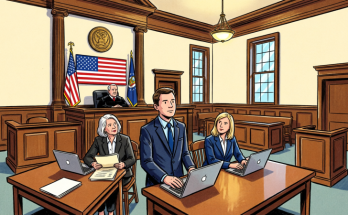
Opposing counsel opened with a plea for family unity, vague warnings about public damage. Clare slid the bank logs across the table. The room grew quiet as the auditor’s timestamps and IP addresses scrolled on the lawyer’s tablet.
Then Clare explained that the transfer attempts originated from an IP registered to their home and that the devices used were tied to my parents.
My mother’s face went the color of paper.
“There must be an explanation,” she said, voice trembling between disbelief and anger.
“We were worried,” she added quickly. “We were trying to help.”
The same excuse, dressed up for professionals.
Clare didn’t argue. She just presented more documentation. Dealership wires. Dates. Phone call logs. Pattern.
Then she played a recorded statement from my aunt Margaret, given legally with consent, describing how I’d confided in her about the acquisition and how my parents immediately began talking about “fair shares.”
Hearing Margaret’s calm voice in that room felt like exoneration.
We didn’t settle that day. The meeting dissolved into negotiations and veiled threats. Opposing counsel floated “quiet resolution” to avoid spectacle.
Clare forwarded later offers with annotations: if they accept, insist on public correction and enforceable protection. Otherwise decline.
I didn’t want hush money. I didn’t want secret deals.
I wanted accountability, safeguards, and a record.
The reporter’s profile ran the week the complaint hit.

It wasn’t a hit piece. It was human. It told the story of the diner shifts, the years building, the mentorship work. It included quotes from Margaret and third-party confirmations. It juxtaposed my family’s claims with documentation. It didn’t call my parents monsters. It simply showed their actions.
The public reaction shifted fast. Not because the internet is always fair—it isn’t—but because clinical evidence paired with human narrative is powerful. People believe receipts. They believe patterns. They believe clarity.
Messages flooded in from old friends and distant acquaintances: “I’m sorry.” “I didn’t know.” “I can’t believe they did that.”
Then depositions began.
Depositions are surgical. They strip away drama and force specificity. Under oath, words matter. Lies have consequences.
I sat in an adjacent room while Clare guided the questioning. Opposing counsel tried to frame me as suddenly cruel, but documents kept pulling the light toward truth.
My mother squirmed when asked about the bank login attempts. My father’s voice cracked when asked about the dealership wire source. Daniel tried to act confused until the bank records showed his account as the recipient.
At one point opposing counsel tried a cheap tactic—bringing up an old irrelevant family dispute to undermine Margaret’s credibility. It backfired. Margaret, calm and measured, described my early years: the night shifts, the community college, the times I slept in my car when rent spiked, the ways my parents prioritized Daniel.
Her words landed in that room like stones.
People shifted. The air changed.
Outside the legal process, the social scaffolding around my parents began to wobble. Friends distanced themselves. Invitations dried up. People who’d repeated my parents’ narrative now had to reconcile it with documents and sworn testimony. Daniel’s polished persona cracked as more people realized how much had been handed to him.
Opposing counsel called again and again with settlement numbers, generous if all I wanted was money and silence.
“A quiet settlement protects everyone,” he said.
Clare’s notes were always the same: insist on public correction and enforceable protections, otherwise proceed.
I thought about what I wanted.
Not humiliation. Not ruin.
Accountability.
And safety.
A settlement that included a formal admission, retractions of defamatory claims, restitution for what they’d taken, and a legally binding clause preventing any future contact with my financial institutions. Violations would trigger immediate legal action.
That was the line.
Mediation arrived on a cold morning.
I drove alone, hands steady on the wheel. Clare carried the folder like it was an extension of her spine. My parents arrived defensive, fearful. Daniel looked smaller than I’d ever seen him, still clinging to the belief that money could restore his world.
The mediator opened with platitudes about family healing. Then Clare began laying out facts like bricks.
Each time my parents’ lawyer tried to reframe something as misunderstanding, Clare produced a dated document. Bank report. Dealership invoice. IP logs. Every excuse dissolved under specificity.
At one point my father whispered, “We can’t win this.”
My mother snapped at him, horrified. “Don’t you dare.”
But he cut her off, voice cracked and tired. “It’s over. We’re not dragging this into court.”
That sentence sounded like surrender and, weirdly, like the first honest thing he’d done in years.
Then something happened that felt like the final nail.
Opposing counsel’s assistant entered with a slim folder, set it down, cleared his throat.
“This,” he said, “is a statement from the bank confirming the attempted transfers originated from the defendants’ home IP address and that both parents’ personal devices were used in login attempts. The dealership has confirmed in writing that funds for the vehicle came from their joint account, not a loan or third party.”
The room went still.
My mother’s face drained. My father stared at the table. Daniel’s eyes widened, panicked.
Clare glanced at the pages with calm detachment and said, “That corroborates everything we’ve claimed. Thank you.”
The mediator turned to my parents. “Do you contest this evidence?”
My mother opened her mouth, closed it, then whispered, “We were… trying to ensure fairness.”
“Intent does not change the action,” Clare said softly, and her voice wasn’t cruel. It was final.
Daniel slammed his palm on the table, suddenly desperate. “This is ridiculous! He has twenty-five million and he can’t even give me fifteen! Do you know how humiliating this is?”
His voice cracked, tears threatening again.
“I deserve it,” he insisted. “I deserve it.”
For years, I’d envied him. Hated that golden glow around him. In that moment, watching him thrash without his scaffolding, I didn’t feel envy.
I felt pity.
The mediator raised a hand. “This is not about who deserves what. This is about unauthorized access and misappropriation.”
Clare slid the terms across the table again. Restitution. Notarized admission. Retractions. Binding no-contact clause regarding my finances.
My mother’s hands trembled as she read.
“You want us to sign something that says we stole from our own son?” she whispered. “Do you have any idea what that would do to our reputation?”
Clare met her gaze. “Your reputation is already in jeopardy. Signing shows accountability. Refusing means trial, depositions, and public exposure of everything.”
My father whispered again, almost to himself. “We can’t win this.”
Silence.
Then my mother’s eyes finally met mine. Her glare wasn’t just anger—it was the kind of betrayal she believed belonged to me. Behind it, fear flickered.
She signed first.
Her hand shook, but she signed.
My father signed next, quiet and resigned.
Then the papers slid toward Daniel.
He stared at them like poison. “I’m not signing. I didn’t do anything wrong.”
Clare’s voice cut cleanly. “Your name is on the attempted transfer logs. The bank confirmed. If you’d like to proceed to trial, we can amend the complaint to include you individually.”
Daniel froze. Swallowed. Finally, with a trembling hand, he scrawled his name.
Ink dried. Papers were collected. Sealed. Filed.
It was over—not with shouting or slamming doors, but with a document that couldn’t be argued away.
As we stood to leave, my mother hissed under her breath, “You’ll regret this, Sam. You’ve destroyed this family.”
I stopped at the door and looked back at her.
For once, my voice didn’t shake. “No, Mom. You destroyed it when you chose greed over love. I just stopped letting you take me down with you.”
Her face twisted, but she said nothing.
Outside, the winter air hit my face like a baptism—clean, cold, final.
Clare walked beside me, calm, professional, and I saw the smallest flicker of a smile at the edge of her mouth—not triumph, but satisfaction in the way the truth had held.
That night, I sat alone in my apartment with copies of the signed admissions and protections spread on the table. My phone buzzed with messages from friends, relief from Margaret, silence from relatives who’d once sided with my parents. For the first time, I didn’t feel like I was fighting uphill.
I felt steady.
Daniel sold the luxury car within a month to cover part of the restitution. My parents retreated from social circles, their narrative unraveling under the weight of their own signatures. The golden glow around Daniel dimmed until it was nothing but dust.
And me?
I kept building. I kept mentoring. I kept living.
Not for revenge anymore.
For myself.
The fallout didn’t leave me bitter. It left me lighter, because I finally understood something I’d spent my whole life confusing.
Family isn’t who shares your blood.
It’s who respects your soul.
They wanted my future—but it was never theirs to claim.