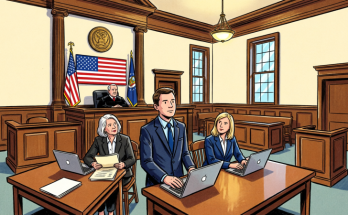
The Boss’s Son Walked Over, “This VIP Seat Is For My Girlfriend.” He Grabbed My Name Card, Tossed It To The Floor, And Smirked Arrogantly. Cameras Flashed. Phones Were Recording. I Stayed Calm And Said: “What You Just Did… Just Cost Your Mother $1.3 Billion.”
Part 1
The first thing I noticed wasn’t the music.
It was the smell.
Not perfume, exactly, though the ballroom was soaked in it—jasmine, amber, a sharp little bite of citrus from women who had paid someone too much money to tell them what wealth should smell like. Not the trays of seared scallops passing under the chandeliers. Not the wax from the candles burning in tall glass hurricanes along the walls.
It was arrogance.
Arrogance has a scent when it gathers in one room. It smells like polished wood, dry champagne, and people laughing half a second too loudly because they want the right people to hear.
I sat at table three, beneath a waterfall of crystal lights, with my black clutch resting beside my plate and my phone face down near my right hand. On the screen, hidden from everyone except me, was a final authorization window for a $1.3 billion capital transfer.
One tap, and Vale Group would live another year.
One delay, and their expansion plan would begin coughing blood before midnight.
My name card stood in front of me, thick ivory stock, raised black lettering.
Evelyn Ward.
Forty-eight years old. Widow. Private investor. The woman half the people in that ballroom had tried to reach for months without knowing what I looked like.
That last part was intentional.
People treat a signature differently when they have never seen the hand holding the pen.
“They’re staring,” Layla whispered beside me.
Layla had been my assistant for seven years, long enough to know I hated scenes and loved documentation. She was twenty-nine, sharp-eyed, and dressed in a navy suit that made half the junior bankers in the room glance twice before realizing she was listening to everything.
“Let them,” I said.
Across the ballroom, cameras flashed near the stage where Victoria Vale was posing with donors, politicians, and men who smiled as if they owned oxygen. She looked exactly like her photographs: silver-blonde hair pulled into a severe twist, pearl earrings, white silk suit, eyes like cut glass.
She had begged for my money in emails signed with warmth she did not possess.
Dear Evelyn, your partnership would mean more than capital. It would mean trust.
Trust. I almost smiled.
I unfolded my napkin and placed it in my lap. The silk felt cool against my fingers. A violinist near the fountain shifted into something romantic and forgettable. At the next table, a man in a tuxedo was explaining to his third wife how “legacy wealth” worked, which seemed bold considering his first wife’s family had funded his entire career.
Then the air at my back changed.
You can always feel when entitlement enters a room before the person speaks. Conversation thins around it. People adjust themselves. Women straighten. Men pretend not to watch.
Layla’s eyes moved past my shoulder.
“Oh no,” she murmured.
I didn’t turn.
A man’s voice, young and smooth and already irritated, cut through the music behind me.
“This seat is taken.”
I glanced up slowly.
Lucas Vale stood there with one hand in his pocket and the other resting lightly on the chair beside me. He was handsome in the lazy, inherited way—dark hair styled to look careless, a tuxedo that fit too well, a watch bright enough to signal aircraft. Beside him stood a woman in a silver dress, diamond straps glittering over her shoulders. She looked bored, but not uncomfortable. That told me enough.
I touched the edge of my name card.
“Correct,” I said. “I’m sitting in it.”
Lucas blinked, then gave a short laugh, the kind people use when they assume the help has made a charming mistake.
“It’s for my girlfriend,” he said. “You should head to the general guest section. Ma’am.”
The word ma’am came with teeth.
Layla sat forward. “Excuse me?”
Lucas didn’t look at her. He leaned across the table, picked up my name card between two fingers, and held it up as if it were something damp he had found on his shoe.
For one second, I thought perhaps he would read it.
He didn’t.
He dropped it on the carpet.
The card landed face up, my name staring at the ceiling. Lucas shifted his polished leather shoe and pressed his heel down until the ivory stock bent under him.
A small sound left Layla’s throat.
Around us, the ballroom did not stop, but it changed. Glasses still clinked. The violin still played. Yet the rhythm slipped. Heads turned. Phones tilted. A young man at table five lifted his camera with the careful casualness of someone pretending not to film.
I looked at Lucas’s shoe on my name.
Then at his face.
There are moments when rage arrives hot. Mine did not. Mine came cold and clean, like a blade taken from ice water.
I leaned down, picked up the card, brushed the dust from it with my thumb, and set it back exactly where it belonged.
“You shouldn’t have done that,” I said.
Lucas laughed louder.
“What are you going to do? Call security? This is my family’s party.”
His girlfriend lowered herself into the chair beside mine as if the matter had already been decided. She smelled like vanilla and expensive impatience.
I picked up my phone. The authorization window glowed beneath my thumb.
“What you just did,” I said, quietly enough that people had to lean in, “may have cost your mother exactly $1.3 billion.”
For the first time, Lucas’s smile faltered.
Only for a breath.
Then he recovered, because arrogance hates silence and always rushes to fill it.
“You hear that, babe?” he said. “We’ve got a billionaire at table three.”
A ripple of laughter moved through the nearby guests. Not everyone laughed. I noticed that. A gray-haired banker at table four went still when he heard the amount. His wife lowered her champagne.
Layla’s hand closed around her phone.
“Evelyn,” she whispered, “we should go.”
“Not yet.”
Lucas pulled out his own phone and tapped the screen. He kept his eyes on me while it rang.
“Mom,” he said when the call connected. “Come to table three. There’s a stubborn woman squatting in a VIP seat and pretending to be one of our investors.”
A few people sucked in quiet breaths.
I looked down at my soiled name card, the little smear left by his shoe crossing the W in Ward.
Funny, the small details you remember before a war begins.
The scent of vanilla.
The hiss of silk as his girlfriend crossed her legs.
The vibration of my phone under my palm, waiting for permission to move enough money to save an empire.
Then the crowd near the center aisle opened.
Victoria Vale was coming toward us.
And everyone in that glittering room seemed to understand something important was about to happen.
Everyone, that is, except the two people who had already doomed themselves.
Part 2
Victoria Vale did not walk across a ballroom.
She arrived.
There was a difference, and she knew it. People shifted out of her path before she reached them, not because she was rude enough to push, but because they had been trained by years of money to move when her shadow touched their shoes.
She stopped at table three, and the white silk of her suit caught the chandelier light like frost.
“What is going on?” she asked.
Not worried. Not curious.
Annoyed.
Lucas pointed at me as if reporting a stain on the carpet.
“She’s ruining our evening. I told her this seat was for Marissa, and she refused to leave.”
Marissa. So the girlfriend had a name.
She looked down at her lap and adjusted a bracelet heavy enough to pay off most people’s mortgages. Her nails were pale pink, each one perfect. She didn’t look at me either.
Victoria’s eyes swept over my face.
It was quick. Efficient. Dismissive.
She saw a woman near fifty in a simple black gown, pearl studs, no visible designer logos, no husband beside me, no desperate attempt to shine. Her gaze paused on Layla, then on the name card, though not long enough to read it.
That was the first clue that Victoria Vale had never actually studied the people saving her.
She knew the numbers. She knew the wire schedules. She knew the power of my signature.
But she had never bothered to know me.
“I’m afraid this section is reserved for confirmed guests,” Victoria said.
Her voice carried just enough for surrounding tables to hear. A practiced voice. The voice of charity speeches and hostile boardrooms.
Layla opened her clutch and removed a folded invitation.
“We have confirmation from your office,” she said. “Sent directly by your chief of staff.”
Victoria lifted one hand.
Not high. Just a few inches.
Enough to silence servants, assistants, and anyone she considered below her.
“I’m sure there has been some confusion,” Victoria said. “Security?”
Two men in black suits appeared so quickly I wondered if they had been watching from the beginning. One had a shaved head and an earpiece. The other had kind eyes that did not match his job.
Lucas smiled.
Not with relief.
With pleasure.
“See?” he said to Marissa. “Handled.”
Something in me became very still.
I had sat across from dictators in private investment rooms who smiled less cruelly. I had watched founders lie about balance sheets while their companies burned beneath them. I had heard men offer me islands, influence, and access to secrets, all because they thought a woman alone must be hungry for something.
But this was different.
This was petty. Public. Careless.
And carelessness, in business, is more dangerous than malice.
The security guard with kind eyes stepped closer.
“Ma’am,” he said softly, “please come with us.”
Layla stood so fast her chair scraped against the floor.
“This is Evelyn Ward,” she said.
A small shock moved through the air.
The gray-haired banker at table four leaned forward.
Victoria’s expression changed, but not enough. Her pupils sharpened. Her mouth tightened. Then pride stepped in front of sense.
“Anyone can claim a name,” she said.
Lucas laughed under his breath.
“Exactly.”
I looked at him.
He was still smiling, but there was a tiny tension around his jaw now. He had heard the shift too. He just didn’t understand it yet.
I stood.
The ballroom seemed taller when I rose. The chandeliers hung above us like frozen storms. My knees did not tremble. My hands did not shake. I picked up the name card again and placed it in the center of the table.
“Victoria,” I said.
Her eyes narrowed slightly at my use of her first name.
“You won’t remember this moment the way you think you will.”
The music felt far away.
“You’ll remember it,” I continued, “as the final minute you ever controlled this company.”
Marissa’s bracelet stopped moving.
Lucas scoffed, but the sound came late.
Victoria’s face hardened.
“Escort her out through the back exit,” she said. “We will not let this become a spectacle.”
That was the second mistake.
A spectacle already belonged to the crowd.
At least seven phones were filming. I saw their screens from the corner of my eye. My own phone sat in Layla’s hand now, recording from waist height with the steadiness of a surgeon.
The guards touched my arms. Not roughly. They were professionals, or at least decent enough to pretend.
I walked.
That is important.
I did not shout. I did not slap Lucas. I did not fling champagne or call Victoria names. People love to dismiss a woman once she raises her voice. So I gave them nothing messy to use against me.
The back corridor was colder than the ballroom. The smell changed from perfume and wine to bleach, metal carts, and overworked coffee. A kitchen door swung open, releasing steam and the sharp scent of garlic butter. A server froze when she saw me between the guards.
Layla followed two steps behind, her heels striking the floor like a countdown.
At the service exit, the guard with kind eyes looked uncomfortable.
“I’m sorry,” he whispered.
I looked at his name tag.
Aaron.
“Don’t apologize for following orders,” I said. “Just remember who gave them.”
His face went pale.
Outside, night air wrapped around me. Manhattan glittered beyond the hotel awning, wet from an earlier rain. The street smelled like asphalt, exhaust, and roasted chestnuts from a cart on the corner.
Layla’s car was already pulling up.
She opened the door for me, but I stayed on the sidewalk for a moment, looking back at the golden entrance where guests continued to laugh beneath the glow.
My phone buzzed.
Daniel Price.
Again.
I let it ring.
Layla looked at me.
“Do you want me to answer?”
“No.”
Another buzz.
This time, an internal banking alert.
Final transfer authorization pending.
I stared at the screen until it dimmed.
Inside that building, Lucas Vale was probably lowering himself into my chair. Victoria was probably smoothing her jacket, telling herself she had prevented embarrassment. Marissa was probably sipping champagne from a glass paid for by borrowed confidence.
They thought they had removed a woman from a room.
They had no idea I had removed the floor from under their feet.
I opened the banking app, entered my private authentication sequence, and selected a different option.
Cancel pending transfer.
Reason required.
I typed slowly, each letter clean and final.
Partner breach of minimum respect protocols.
Layla inhaled.
“Evelyn.”
I pressed confirm.
For a moment, nothing happened.
Then the screen flashed.
Commitment withdrawn.
The city traffic roared beside us, indifferent and alive.
My phone began ringing again immediately.
Daniel.
Then Gideon Price.
Then an unknown number from Vale Group headquarters.
I stepped into the car and closed the door.
Through the tinted window, I watched the hotel shrink behind us.
The gala lights still blazed, beautiful and doomed.
And as we pulled away, one question settled in the silence between Layla and me:
How long would it take them to realize the woman they threw out was the only reason their empire had not already collapsed?
Part 3
By the time we reached my townhouse, Daniel Price had called seventeen times.
I know because Layla counted.
She sat across from me in the back seat, scrolling through the call log while the city slid past in streaks of yellow light and wet black pavement. Her mouth had gone tight, which meant she was angry enough to become frighteningly polite.
“Daniel, Gideon, Daniel again, Vale general counsel, unknown number, Victoria’s office,” she said. “They’re waking up.”
“Not yet,” I said.
Layla looked at me over the top of the phone.
“You don’t think they know?”
“They know something hurt,” I said. “They don’t know where the bleeding is.”
That was how empires failed. Not all at once. First, someone felt a chill and called it bad air. Then a door stuck. Then an elevator skipped a floor. Then the lights flickered, and by the time people looked down, the foundation had already split beneath their shoes.
My townhouse stood on a quiet block behind iron gates and old trees that still held rain on their leaves. Inside, the entryway smelled faintly of lemon oil and paper. I had never liked houses that smelled unused. Mine held books, old wood, fresh coffee, and the ghost of my late husband’s tobacco pipe, though he had been gone eleven years.
In the study, I removed my earrings and placed them in a small porcelain dish shaped like a swan.
Layla set her laptop on the long walnut desk.
“Should I send the standard withdrawal notice?”
“No.”
Her fingers paused above the keys.
“We wait?”
“We document.”
A small smile touched her mouth.
She knew that word.
Documentation was my weapon of choice. People expected vengeance to look like shouting or lawsuits filed before dawn. I preferred folders. Timelines. Verified recordings. Quiet letters sent to exactly the right people in exactly the right order.
Layla connected her phone to the monitor.
The video from table three appeared.
Lucas leaning in. My name card in his hand. The little flick of his wrist as he dropped it. His shoe grinding down. Victoria’s arrival. Security. My warning.
I watched it once without speaking.
Then again.
The third time, I noticed something I had missed.
Marissa had looked at the name card.
Only briefly.
But she had looked.
She had known enough to hesitate before sitting down.
Interesting.
“Freeze the frame,” I said.
Layla did.
Marissa’s face, lit by crystal and candlelight, appeared on the screen. The pause caught her between expressions, mouth soft, eyes angled toward the card. Not guilty. Not innocent either.
“Who is she?” I asked.
“Marissa Cole,” Layla said. “Lifestyle influencer. Twenty-six. Publicly dating Lucas for four months. Privately…” She tapped the keyboard. “Longer, maybe.”
“Meaning?”
Layla opened a folder of screenshots so quickly I knew she had been researching during the car ride.
There were photographs of Marissa on yachts, at boutiques, in Vale Group’s charity boxes. Then older images. Less polished. A woman with brown roots showing through blonde hair. A cramped apartment kitchen. A caption about “manifesting a better life.”
“I’m not interested in punishing ambition,” I said.
“I know.” Layla clicked another file. “But look at this.”
An image filled the screen: Marissa standing beside a man in a navy suit at what looked like a private investor reception. I recognized the man immediately.
Daniel Price.
The date stamp was three weeks earlier.
“That’s odd,” Layla said. “Daniel was supposed to be the only person at Gideon’s office who had your updated photo.”
I sat back.
Rain tapped against the study windows, light and patient.
“Are you saying Marissa saw my file?”
“I’m saying she had access to someone who did.”
The room seemed to cool.
Daniel Price was Gideon’s chief investment officer. Competent. Nervous. Loyal to money before people, which made him reliable in the limited way finance men could be reliable. He had met me twice, both times in private, both times with enough sweat on his forehead to polish a window.
If Daniel had shown my photograph to anyone, that was stupidity.
If he had allowed someone else to access it, that was weakness.
If he had deliberately helped conceal my identity at the gala, that was something much worse.
My phone buzzed again.
Daniel.
I watched his name until the call died.
“Don’t answer,” I said.
“I wasn’t going to.”
Layla’s phone chimed.
She read the message and gave a soft, humorless laugh.
“Vale Group says they regret any confusion and would like to send a car.”
“How generous.”
“They also say Victoria hopes to personally clarify tonight’s misunderstanding.”
I looked at the paused image of Victoria ordering me out.
“Misunderstanding is a word cowards use when consequence arrives.”
Layla typed a reply.
I stopped her.
“Not from you. From legal.”
My general counsel, Amara Singh, answered on the second ring. Her voice was rough with sleep, but by the third sentence she was fully awake.
“They did what?” she asked.
“You’ll have the video in one minute.”
“Tell me the transfer wasn’t completed.”
“It wasn’t.”
A silence. Then a quiet exhale.
“Good. Send me everything. I’ll prepare formal withdrawal, breach language, and preservation notices.”
“Also include Gideon Price.”
“Gideon?” Amara asked. “He’s not Vale.”
“He is their largest shareholder. He knew enough to worry and not enough to prevent this. I want him awake before sunrise.”
Layla sent the files.
After the call, the study settled into a humming quiet. The monitor glowed blue against the bookshelves. Outside, a car passed slowly, tires whispering over wet pavement.
I should have felt satisfied.
Instead, I felt the old heaviness in my chest.
Not doubt. Never that.
Recognition.
Years ago, when my husband Jonathan was dying, men like Lucas had spoken around me in hospital boardrooms and estate meetings, assuming grief had made me decorative. One partner had asked if I needed “someone practical” to help manage the assets. Another had called me “sweetheart” while trying to steal a voting block.
Every arrogant man believes he invented underestimation.
Lucas Vale had simply been louder about it.
At 1:13 a.m., an anonymous email landed in Layla’s secure inbox.
No subject.
One attachment.
She opened it in a sandboxed window.
A second video loaded.
Different angle. Closer to Lucas. The audio clearer.
But that wasn’t what made Layla go still.
At the very beginning, before Lucas approached my table, the camera caught Marissa near the bar, whispering to someone just out of frame.
The person’s voice was low but recognizable.
Daniel Price.
I leaned closer as Daniel’s words slipped through the ballroom noise.
“Just keep Lucas away from table three until Victoria speaks.”
Layla turned to me, eyes wide.
The night had not been an accident.
Someone had known I was there.
Someone had tried to control the scene before it began.
And suddenly, the insult at my table looked less like arrogance and more like a trap that had gone terribly wrong.
Part 4
Morning arrived gray and cold, the kind of Manhattan morning that made glass towers look like knives.
I was already dressed when the first formal apology came in.
Victoria Vale sent flowers.
White orchids, three dozen stems in a black ceramic vase, delivered by a nervous young man whose delivery van blocked half the street. The card was cream-colored and embossed with the Vale crest.
Evelyn,
I regret last night’s unfortunate confusion. Please allow me the opportunity to make this right privately.
Victoria
No apology for what she had done.
Only regret that I had not remained invisible.
I had the orchids placed in the kitchen.
Not the sitting room. Not the entryway.
The kitchen.
Mrs. Alvarez, my housekeeper, eyed them while stirring oatmeal on the stove.
“Pretty flowers,” she said.
“Yes.”
“Poison?”
“Socially,” I said.
She nodded, satisfied.
Layla arrived at seven with coffee, red eyes, and a folder thick enough to break a toe.
“You slept?” I asked.
“In the moral sense, no.”
She handed me the folder. Inside were overnight summaries: Vale Group’s debt structure, pending expansion projects, supplier exposure, executive compensation, and risk memos their own people had buried under prettier language.
I took my coffee black and read at the breakfast table while rain streaked the windows.
Vale Group was worse off than they had admitted.
Much worse.
Their luxury real estate arm was overextended. Their hospitality division had borrowed against projected revenue from properties not yet finished. Their clean-energy acquisition, the one Victoria loved mentioning in interviews, depended entirely on my capital injection to close bridge financing due in nine days.
Without my money, they were not inconvenienced.
They were exposed.
“Gideon knows?” I asked.
“He knows enough to panic,” Layla said. “Daniel left six voicemails between three and five a.m. The last one sounded like he was either crying or running.”
“Both are possible.”
At 7:42, Gideon Price called.
I let it ring once. Twice.
Then I answered.
“Gideon.”
A breath burst through the line.
“Evelyn, thank God. I need to say first that what happened last night was unacceptable.”
“That is a sentence,” I said. “Not yet a solution.”
“I agree. Completely. I’m calling to ask what you need from us to restore confidence.”
Us.
Men like Gideon used plural pronouns when they wanted to hide behind furniture.
“Did Daniel know I was attending?” I asked.
A pause.
“Yes.”
“Did Victoria?”
“She had your name on the guest list.”
“Not my face.”
Another pause. Longer.
“We thought discretion was your preference.”
“It was.”
“Then I don’t understand—”
“Someone understood enough to warn Marissa Cole near the bar.”
The silence that followed was not confusion.
It was calculation.
Good. Gideon was catching up.
I held my coffee mug with both hands. It was warm against my palms, grounding.
“I have a video,” I said. “Daniel’s voice is on it.”
“Evelyn,” Gideon said slowly, “Daniel has been trying to reach you all night. He was furious about what happened.”
“Fury is inexpensive.”
“I’ll investigate.”
“No,” I said. “You’ll preserve records. All communications between Daniel Price, Lucas Vale, Victoria Vale, Marissa Cole, and anyone in your office regarding my attendance, image, investment, or table assignment. If a single message disappears, I will treat it as intentional destruction.”
His breath roughened.
“You’re serious.”
“Gideon, I canceled $1.3 billion because a man stepped on a card. What do you think I will do if I discover fraud?”
I heard him swallow.
“I’ll issue preservation instructions immediately.”
“Good.”
“Is there any path back?” he asked.
There it was.
Not apology. Not accountability.
Path back.
The phrase of men standing in ashes asking where the carpet went.
“There may be,” I said.
His relief traveled through the line too quickly.
“But it will not include Victoria Vale in control of that company.”
He said nothing.
“And it will not include Lucas Vale in any succession, advisory, ceremonial, or public-facing role.”
“Evelyn—”
“Nor will it include Daniel Price if he participated in concealing material information from his own chairman.”
“Daniel is one of my best people.”
“Then improve your standards.”
I ended the call.
Layla looked up from her laptop.
“That was brutal.”
“That was introductory.”
By noon, the first clip appeared online.
Not the anonymous video we had received. A shorter one. Cropped. Captioned.
Billionaire investor? Socialite? Woman kicked out of Vale Gala after seat dispute.
The internet did what it always does first: guessed badly.
Some commenters called me entitled. Some called Lucas rude. Some asked where my dress was from. One account claimed I was a retired soap opera actress.
By two o’clock, another version surfaced, clearer, with audio.
You should head to the general guest section. Ma’am.
Then the name card.
Then his heel.
The mood shifted.
By four, financial accounts began asking why Vale Group’s private expansion funding had not closed.
By five, someone leaked the exact amount.
$1.3 billion.
That was when the laughter stopped.
Layla and I sat in the study, watching private market chatter ripple across encrypted channels. Partners asking questions. Lenders requesting confirmation. Suppliers wondering if invoices would clear. Employees posting anonymous comments about layoffs they had been told would never happen.
“It’s moving fast,” Layla said.
“It always does when truth has a video.”
At 6:18 p.m., Marissa Cole called my office.
Not Lucas.
Not Victoria.
Marissa.
Layla patched it through to speaker but muted our side first.
Marissa’s voice sounded smaller without the ballroom around it.
“Ms. Ward, I don’t know if this is the right number. This is Marissa Cole. I think we should talk. There are things about last night you don’t know.”
Layla’s eyes met mine.
I unmuted.
“You looked at my name card before you sat down,” I said.
Marissa inhaled sharply.
“So tell me,” I continued, “did Daniel Price warn you who I was?”
Her breathing trembled through the speaker.
“No,” she whispered. “He warned me who you weren’t supposed to become.”
I leaned back slowly.
The kitchen clock ticked down the hall.
Marissa’s voice cracked.
“Lucas didn’t just take your seat because he was arrogant. He did it because someone told him making you angry might save them from something worse.”
For the second time in twenty-four hours, the story changed shape in front of me.
And the person I most wanted to destroy might only have been the fool holding the match.
Part 5
Marissa refused to meet at my house.
“I don’t want Lucas to know,” she said. “And I don’t want Daniel to know either.”
Fear has a sound. It makes people over-explain and under-breathe.
We chose a hotel tea room on the Upper East Side, quiet enough for secrets and public enough for safety. I arrived ten minutes early. Old habit. The room smelled of bergamot, warm scones, and rain-damp wool from coats hung near the entrance. A waiter moved silently between tables with a silver pot, pouring tea into porcelain cups thin enough to glow.
Layla sat two tables away, reading a menu upside down while recording everything.
Marissa came in wearing a beige trench coat, sunglasses, and no diamonds.
Without the glitter, she looked younger. Not innocent. Just tired. Her blonde hair was tied back, and the roots I had seen in old photographs were beginning to show again. She scanned the room twice before sitting across from me.
“Thank you for coming,” she said.
“I came because you said Daniel Price was involved.”
Her hands tightened around her purse.
“I need protection.”
“You need truth first.”
She looked down.
A waiter approached. I ordered Earl Grey. Marissa asked for water and then did not drink it.
For nearly a minute, she said nothing. Outside, traffic hissed over wet pavement. Somewhere near the front, a spoon chimed against a cup.
“Lucas is stupid,” she said finally.
It was not the opening I expected.
“Not evil?” I asked.
She gave a small, bitter smile.
“Stupid can be evil when it has money.”
Fair.
She rubbed her thumb over a scratch on the table’s white marble surface.
“He does what people tell him if they make it sound like his idea. Victoria knows that. Daniel knows that. I knew that too.”
“Did you know who I was?”
“Not at first.”
“Before you sat?”
Her eyes flicked up.
“Yes.”
There it was.
Not dramatic. Not shouted. Just a small admission dropped between teacups.
“Daniel showed me a photo three weeks ago,” she said. “Not intentionally, I think. He had a file open on his tablet at an investor reception. Lucas was drunk. Daniel was complaining that the whole company depended on some woman nobody was allowed to recognize publicly.”
“Why tell Lucas to take the seat?”
She swallowed.
“Because Victoria was furious about the terms.”
The waiter set down my tea. I waited until he left.
“What terms?”
Marissa looked confused.
“You don’t know?”
“I know my terms.”
“No. The other ones.”
A fine, quiet thread tightened at the back of my neck.
I lifted my cup but did not drink.
“Explain.”
She opened her purse and took out a folded sheet of paper. Not a copy. A photograph printed on cheap drugstore paper. She slid it across the table.
It showed a page from what looked like an internal memo. The header was partially cut off, but I could read enough.
Contingency Strategy: Ward Capital Dependency
Below that, several bullet points.
Delay final transfer until after gala optics.
Secure public association with Ward commitment.
If Ward attempts governance control, activate reputational pressure.
I read the line twice.
Governance control.
My agreement did include oversight provisions. After Vale’s sloppy disclosures, I had required independent board seats, audit access, and restrictions on related-party transactions. Normal protections for abnormal risk.
Victoria had apparently called that control.
“Where did you get this?” I asked.
“Lucas left it in his car. He said his mother was handling the old woman problem.”
Old woman.
There was almost comfort in their lack of creativity.
Marissa’s voice dropped.
“Daniel told Victoria that if you felt publicly embarrassed, you might withdraw in anger, and then Gideon would blame you for destabilizing the company. Victoria thought she could turn the board against your terms if you walked first.”
I watched steam curl above my tea.
“They wanted me to cancel?”
“Not exactly,” Marissa said. “They wanted you emotional. Messy. They wanted a scene. If you screamed, if you threatened them in public, if you looked unstable… they could say you were never a reliable partner.”
“But Lucas stepped on the name card.”
“That wasn’t in the plan.” Her mouth twisted. “That was just Lucas.”
For a moment, I almost laughed.
Almost.
It would have been funny if thousands of employees were not standing under the ceiling those people had cracked.
“Why tell me?” I asked.
Marissa looked toward Layla’s table. She knew. Smart girl.
“Because Victoria will blame me. Lucas already did. He said I should have kept my mouth shut, should have pulled him away, should have smiled better. Daniel told me this morning I must not speak to anyone because I was ‘part of a sensitive shareholder matter.’”
“Were you?”
She looked back at me.
“I wanted a chair,” she said quietly. “A dress. A man with a last name that opened doors. I told myself that was all this world respected anyway.” Her eyes shone, but tears did not fall. “Then last night, when Lucas put his shoe on your name, I saw everyone watching. And I realized I wasn’t sitting beside power. I was sitting beside rot.”
I believed parts of her.
Not all.
Never all.
“Do you have the original memo?”
“No. But I know who does.”
“Daniel?”
She shook her head.
“Victoria’s chief of staff. Clara Bell.”
The name meant something. I had seen it in email chains. Efficient. Polished. Always one line too careful.
Marissa leaned closer.
“Clara has everything. The table change. The instruction to security. The talking points in case you reacted badly. And the order to keep Gideon in the dark until after the gala.”
That was the missing piece.
Not arrogance alone.
A planned humiliation designed to weaken my hand.
I reached into my bag and took out a business card for Amara Singh.
“Call this number. Today. Tell her everything you told me. Give her the photo. If you lie, she’ll know before lunch.”
Marissa took the card.
“Will you protect me?”
“No,” I said.
Her face fell.
“I’ll protect the truth. If you stand inside it, you may survive.”
She nodded slowly.
As she stood to leave, her phone lit up on the table.
Lucas.
Then Victoria.
Then Daniel.
Three names, one after another, like hounds catching scent.
Marissa stared at the screen, color draining from her face.
A message appeared.
From Daniel.
Do not meet Ward. We know where you are.
Layla rose from her table.
Outside the tea room window, a black SUV had stopped at the curb.
And for the first time since table three, I felt something sharper than anger.
I felt hunted.
Part 6
People assume wealth makes you fearless.
It does not.
Wealth gives you better locks, better lawyers, and cars with glass thick enough to make the city sound far away. Fear still gets in. It just enters wearing quieter shoes.
Layla reached me before the waiter understood anything was wrong.
“Side exit,” she said.
Marissa was frozen, one hand gripping Daniel’s message, her face the color of paper.
I stood calmly, because panic is a luxury you cannot afford in public.
“Bring her.”
Marissa blinked.
“You said you wouldn’t protect me.”
“I said I would protect the truth.”
We moved through a narrow hallway smelling of lemon cleaner and baked sugar. A server carrying a tray of tiny cakes stepped aside, eyes wide. Behind us, the tea room door opened. Men’s shoes struck marble.
Not running.
Professionals don’t run unless they must.
Layla pushed open a staff door, and cold air hit us. We emerged into an alley between the hotel and a florist shop, where crushed rose stems lay in a wet cardboard box. My driver, Malcolm, was already at the curb in the black sedan, engine running.
He had been with me twelve years. Former military. Current reader of terrible spy novels. He opened the rear door without asking questions.
“Home?” he said.
“Amara’s office.”
He nodded once.
As the car pulled into traffic, a black SUV slid out behind us.
Layla noticed it first.
“Same vehicle.”
Marissa began to cry silently.
I did not comfort her. Not because I was cruel, but because comfort can wait. Survival cannot.
“Send Daniel’s message to Amara,” I told Layla. “Also send the plate number.”
Layla worked fast, thumbs moving.
Malcolm changed lanes twice, then took a sudden right through a narrow street lined with delivery trucks. The SUV followed.
“Persistent,” he said.
“Not police?”
“No.”
“Good.”
Marissa let out a thin sound.
“How is that good?”
“Police require different paperwork.”
She stared at me as if I had lost my mind.
Maybe I had, a little.
The chase lasted eight minutes, though it stretched longer in the body. Red brake lights smeared across the wet windshield. Horns blared. A cyclist shouted something creative at us. At one point, the SUV pulled close enough that I could see the driver’s hand on the wheel.
No gun. No visible threat.
Intimidation, then.
Victoria’s style.
We reached Amara’s building through the underground garage, where security closed the gate behind us before the SUV could enter. Malcolm escorted Marissa inside. Layla and I followed.
Amara Singh’s office occupied two floors of an old bank building converted into law suites. The conference room had high windows, brass lamps, and a table long enough for war.
Amara stood waiting in a charcoal suit, silver hair cut blunt at her jaw.
She looked at Marissa once.
“Sit. Start talking.”
For the next ninety minutes, Marissa talked.
She gave us names. Times. Places. Fragments of conversations. Enough to form a skeleton, though not yet the full animal.
Victoria had feared my governance conditions would expose side agreements between Vale Group and several companies controlled by her relatives. Lucas had been promised a ceremonial role after the capital transfer closed, despite my term sheet requiring executive appointments to meet competence standards. Daniel had suggested provoking me publicly so my withdrawal could be framed as irrational.
Clara Bell had coordinated the seating “mistake.”
Security had been instructed to remove me if I resisted.
The guest list sent to Gideon’s office had marked my attendance confidential. The version used by Victoria’s team had tagged my seat as “flexible.”
Flexible.
A word that now meant fraud.
Amara listened without expression. Only her pen moved.
When Marissa finished, the room felt airless.
“Do you have any documents besides the photo?” Amara asked.
Marissa shook her head.
“Clara does. But she won’t cross Victoria.”
“She might,” I said.
Everyone looked at me.
“People loyal to power are loyal until power looks unstable.”
Amara’s phone buzzed. She read the message, then slid it across the table to me.
It was from Gideon.
Emergency board meeting tonight. Victoria claims you are extorting company leadership after staging incident. Need clarity.
I almost admired her.
Almost.
Victoria had moved from apology to counterattack before sunset. That meant she was scared.
Good.
I handed the phone back.
“Give Gideon clarity,” I said.
Amara’s eyes sharpened.
“How much?”
“Enough to make him doubt Victoria. Not enough to make him comfortable.”
By seven that evening, a preservation notice hit Vale Group, Gideon Price’s office, Daniel’s team, Victoria’s executive suite, Clara Bell personally, and the outside security firm hired for the gala.
By eight, the full table three video reached three board members through channels that could not be traced to me.
By nine, Marissa’s printed memo photo was circulating among counsel with a watermark.
At nine thirty, Clara Bell called.
Not my office.
Amara’s.
We listened on speaker.
Clara’s voice was dry and controlled, but beneath it I heard the soft click of ice in a glass.
“I received your notice,” she said.
“I assume you intend to comply,” Amara replied.
“I assume you understand I am employed by Vale Group.”
“For now.”
A pause.
“Is Ms. Ward present?”
I leaned toward the speaker.
“Yes.”
Clara exhaled.
“Then she should know Victoria is preparing to blame Lucas entirely. She’ll say he acted alone, that she never recognized Ms. Ward, and that Daniel’s office provided incomplete information.”
“Is that true?” I asked.
“No.”
“Can you prove it?”
Another pause.
Then Clara said the words that changed everything.
“I have the original contingency memo, the seating instructions, and a recording of Victoria approving the strategy.”
Layla closed her eyes.
Amara’s pen stopped.
Clara continued, voice lower now.
“But there is something else. Something worse than the gala.”
The room went silent.
“The $1.3 billion wasn’t only meant to save Vale Group,” Clara said. “It was meant to hide what Victoria already stole.”
Part 7
By dawn, Clara Bell was sitting in Amara’s conference room with a gray folder on her lap and no makeup on her face.
It startled me, how ordinary she looked without Victoria’s shadow behind her. Mid-thirties. Brown hair pulled into a loose bun. A small coffee stain on one sleeve. Hands steady, though her left foot tapped under the table.
She placed the folder in front of Amara.
“I want immunity where possible,” she said.
Amara did not touch the folder yet.
“You are not my client.”
“I know.”
“Then be careful what you ask for and even more careful what you admit.”
Clara looked at me.
“I helped schedule a humiliation,” she said. “I did not help steal pension reserves.”
The words landed hard.
Layla, standing near the window, turned slowly.
“Pension reserves?” she asked.
Clara opened the folder.
Inside were printed emails, internal transfer summaries, shell company charts, and board packets with sections marked for deletion. The paper smelled like warm toner and panic.
Victoria had been moving money for two years.
Not in one dramatic theft. She was smarter than that. Small management fees routed through consulting firms controlled by cousins. Inflated vendor contracts. “Strategic advisory retainers” paid to entities with no staff. Collateral pledged twice. Employee pension reserve funds temporarily “reallocated” to cover liquidity gaps, then replaced before audits.
Except lately, they had not been replaced.
My capital was supposed to fill the hole.
Once the $1.3 billion arrived, the books would be cleaned, the expansion announced, the stock stabilized, and Victoria could step into the next quarter wrapped in applause.
My governance terms threatened to expose everything.
So she tried to make me look unstable before the money moved.
I read the documents without speaking.
Anger can become too large for expression. It loses shape. It becomes weather.
Clara slid a small recorder across the table.
“Victoria prefers phone calls,” she said. “But she forgets assistants sit in rooms before calls connect.”
Amara played the file.
Victoria’s voice emerged, crisp and unmistakable.
“If Ward wants to play queenmaker, we remind everyone she’s an emotional private investor with no public accountability. Let Lucas handle the table. If she reacts, we use it. If she leaves, Gideon can chase her on our terms.”
Then Daniel’s voice.
“And if she doesn’t react?”
Victoria laughed.
“Everyone reacts when you show them their place.”
I looked at the recorder.
There are insults you expect from enemies. They bruise less.
This one did not bruise at all.
It clarified.
Amara stopped the audio.
Clara looked at me as if waiting for an explosion.
I gave her none.
“Why come forward?” I asked.
Her foot stopped tapping.
“My father works in one of Vale’s logistics warehouses in Ohio. Thirty-two years. His pension is in those reserves.”
That I believed.
Self-interest, yes. But rooted in something real.
“Does Gideon know?” Layla asked.
“Not the pension part,” Clara said. “Daniel suspected some liquidity manipulation, but I don’t think he knew how deep it went.”
“Daniel suggested the provocation,” I said.
“Yes.”
“Then Daniel is finished.”
Clara nodded once.
No defense.
At noon, Amara and I entered Gideon Price’s private boardroom.
Not Vale’s tower. Gideon’s territory.
The room was all dark leather, city views, and men pretending they had not aged during the night. Gideon sat at the head of the table, tie loosened. Daniel stood near the wall, pale and damp-looking, as if he had been left in the rain.
Victoria Vale sat upright beside Lucas.
She wore red.
Of course she did.
Lucas looked ruined already. There were shadows under his eyes, and his hair lacked its careless perfection. He avoided looking at me. Marissa was not present. I had insisted on that.
Victoria smiled when I entered.
“Evelyn,” she said, warm as a knife handle. “I’m glad you finally agreed to discuss this like adults.”
I sat opposite her.
“I agreed to attend. Not perform.”
Her smile thinned.
Gideon rubbed his forehead.
“We’re here to understand what happened and whether the capital commitment can be restored.”
“No,” I said.
The room stilled.
“Not under current leadership. Not under current governance. Not while anyone involved in last night’s conduct remains in authority. And not before you review what my counsel has brought.”
Victoria laughed.
“A video of a seating dispute? Really?”
Amara placed copies of the contingency memo on the table.
Victoria’s face did not change.
But Daniel’s did.
That was enough.
Gideon picked up the memo. As he read, his mouth tightened. One board member whispered, “Jesus.”
Victoria leaned back.
“Fabricated.”
Amara placed the transcript of Victoria’s recorded call beside it.
Victoria stopped breathing for half a second.
Lucas looked at his mother.
“Mom?”
She ignored him.
Then Amara placed the pension documents down.
That was when the room truly changed.
Not because of me.
Because every person at that table understood theft from employees was not a scandal you could polish. It was a criminal wound.
Gideon stood slowly.
“Victoria,” he said, voice rough, “tell me this is false.”
Victoria’s eyes moved around the room and found no safe place to land.
“Every major company uses temporary internal reallocations,” she said.
Daniel closed his eyes.
Lucas whispered, “What does that mean?”
No one answered him.
I almost pitied him then. Not enough to save him. Just enough to see him clearly. A foolish prince raised in rooms where consequences were always sent away before dessert.
Gideon turned to Daniel.
“You knew?”
Daniel opened his mouth.
Nothing came out.
A security officer appeared at the door. Then another.
Victoria pushed back from the table.
“This is absurd. I built this company.”
“No,” I said.
She looked at me, hatred finally naked on her face.
“You inherited a company,” I said. “You dressed it in silk, hollowed it out, and tried to use my money to hide the bones.”
For once, she had no elegant reply.
Gideon looked at me across the table.
“What are your terms?”
I had prepared them, of course.
Total removal of Victoria Vale from executive authority. Lucas Vale barred from succession and any company role. Daniel Price suspended pending investigation. Independent forensic audit. Employee pension restoration before executive compensation. Board restructuring. Public accountability. Full cooperation with regulators.
And only then, conditional capital.
Victoria stared at me.
“You want my company.”
“No,” I said. “I want it to stop being yours.”
Her hands curled against the tabletop.
Outside the window, sunlight broke through the clouds and struck the glass towers until they shone like blades.
The vote was scheduled for that evening.
And as we left the room, Lucas finally spoke my name.
“Mrs. Ward,” he said, voice cracked. “Can I talk to you?”
I turned.
He looked younger than before. Smaller. But regret born from fear is not the same as remorse.
“Please,” he said. “I didn’t know.”
I looked at the man who had ground my name into the floor.
“No,” I said.
And I walked away while his mother began to lose everything.
Part 8
The vote took twenty-seven minutes.
That surprised people who think power dies dramatically.
It usually dies through procedure.
Motions. Seconds. Abstentions. Recorded objections. Legal language read in flat voices while someone’s dynasty quietly falls off a cliff.
Victoria Vale lost executive authority at 8:43 p.m.
Lucas Vale was removed from the succession plan at 8:51.
Daniel Price was suspended from Gideon’s investment office at 8:56, pending investigation into misconduct, concealment, and breach of fiduciary responsibility.
At 9:02, the board approved an independent forensic audit.
At 9:05, employee pension restoration was prioritized above all bonuses, dividends, and executive payouts.
At 9:11, Victoria walked out of the boardroom without her title.
She did not cry.
People like Victoria do not cry when defeated. They look for witnesses and arrange their face into something history might mistake for dignity.
I stood near the elevators with Layla and Amara as Victoria came down the hall, Lucas behind her. Her red suit looked darker beneath the fluorescent lights. The hard shine had gone from her eyes, leaving something flat and animal.
She stopped in front of me.
“You think this makes you noble?” she asked.
“No.”
“You think employees will thank you? You think markets care about your little morality play?”
“No.”
That seemed to irritate her more than an argument would have.
“Then why?” she snapped.
The elevator opened behind her with a soft bell.
I looked past Victoria to Lucas. He stood with his hands hanging uselessly at his sides. He did not smirk now. Marissa had left him. The board had erased him. His future, once guaranteed by blood, now depended on skills he had never bothered to develop.
Then I looked back at Victoria.
“Because you mistook cruelty for control,” I said. “And you built a company where everyone was too afraid to tell you the difference.”
Her jaw tightened.
“For a seat,” she said bitterly. “All this for a seat.”
“No,” I said. “The seat was just where you showed me the truth.”
For the first time, she had no words.
She stepped into the elevator. Lucas followed. Just before the doors closed, he looked at me again.
Not angry this time.
Lost.
I felt nothing.
That was how I knew I was done.
Over the next three weeks, Vale Group changed in public and bled in private.
Regulators opened inquiries. News outlets replayed the gala footage until table three became shorthand for corporate arrogance. Think pieces bloomed like mold. Former employees spoke up. Vendors produced invoices. Clara testified under counsel and kept her father’s pension intact. Marissa gave a sworn statement, deleted every photo with Lucas, and disappeared from society pages for a while.
I did not follow her closely.
Survival is not redemption, but it is a start.
Gideon called me twelve days after the vote.
“Your conditions have been accepted,” he said.
“All of them?”
“All.”
“Pensions?”
“Restoration initiated. Escrow funded.”
“Audit?”
“Underway.”
“Victoria?”
“Gone from the building. Fighting through attorneys, but gone.”
“Lucas?”
A pause.
“Also gone.”
I looked out my study window at the small garden behind my townhouse. Spring had started to press green through the soil. Mrs. Alvarez had moved Victoria’s orchids outside after they began dropping petals on the kitchen counter. Most of them had died. One stubborn stem still held a single white bloom.
“Then we can discuss capital,” I said.
Not restore.
Discuss.
Words matter.
In the end, I did not return the original $1.3 billion on the original terms. That agreement had died on the carpet beneath Lucas Vale’s shoe.
Instead, Ward Capital led a restructured rescue package with stricter governance, outside oversight, employee protections, and no ceremonial throne for anyone named Vale. Other investors joined once the rot was cut out. Not because they loved justice. Because clean books smell better than hidden fires.
Vale Group survived.
The Vale family empire did not.
Six months later, I attended the reopening of one of their hotel properties—not as a guest begging for recognition, not as a woman escorted through a back exit, but as chair of the independent investment committee.
The lobby had been renovated. Pale stone floors, brass fixtures, fresh lilies near the reception desk. A pianist played something soft near the bar. Employees moved through the space with cautious hope, the way people do after a storm when they are not yet sure the roof will hold.
Layla stood beside me, holding a folder and wearing the faint smile she saved for completed disasters.
“Table three is available,” she said.
I followed her gaze.
Near the windows, a small round table had been set with white linen and crystal glasses. A little card stood at the center.
Evelyn Ward.
I laughed quietly.
“No.”
Layla’s eyebrows lifted.
“No?”
“I’ve had enough of table three.”
We walked instead to the bar, where the bartender poured sparkling water over ice with a twist of lime. The glass was cold in my hand. Outside, taxis moved through evening traffic, their headlights bright against the deepening blue.
A man approached while I was watching the street.
Late forties, maybe early fifties. Brown skin, gray at the temples, simple suit, no visible watch. He carried himself like someone who had spent enough time around power not to be impressed by its costumes.
“Mrs. Ward?” he said.
“Yes.”
“I’m Aaron Miles.”
I recognized the name before the face caught up.
The security guard with kind eyes.
The one who had escorted me out.
“You look different without the earpiece,” I said.
He smiled, embarrassed.
“I’m no longer with that firm.”
“I hope not because of me.”
“No. Because of me.” He glanced toward the lobby. “That night bothered me. I kept thinking about what you said. Remember who gave the order.”
“And did you?”
“Yes.” His expression grew serious. “I testified for the investigation.”
“I know.”
He looked surprised.
“I wanted to thank you,” I said. “Most people remember decency only when it is convenient.”
He shook his head.
“I should have done more.”
“Maybe,” I said. “But you did something later. That counts.”
We stood there for a moment, two people who had met at the edge of someone else’s arrogance.
Then he nodded toward the bar.
“May I buy you a drink?”
Layla suddenly found something fascinating in her folder.
I looked at Aaron. There was no performance in his face. No hunger. No calculation that I could see. Just a man asking a woman a simple question in a room where everything had once been unnecessarily complicated.
“Sparkling water,” I said.
“With lime?”
“Yes.”
He smiled.
“Then I can afford two.”
I laughed, and this time it felt like a door opening, not a blade leaving its sheath.
Nothing grand happened after that. No orchestra swell. No instant romance written by lonely columnists. Aaron and I talked for twenty minutes about bad hotel coffee, his teenage daughter’s college applications, and the strange cruelty of people who confuse a uniform with a lack of dignity.
I liked him.
That was all.
At forty-eight, I had learned not every pleasant beginning needed to become a destiny by dessert.
Later that night, I stood alone near the windows and watched the reflection of the lobby shimmer over the dark glass. Behind me, people laughed softly. Real laughter, not the brittle kind from Victoria’s gala. Somewhere across the city, the Vale name was being removed from another plaque. Somewhere, Lucas was probably discovering that apologies made after consequences rarely purchase forgiveness.
I did not hate him.
I did not forgive him either.
Forgiveness is not rent owed to people who damage you. Sometimes the cleanest ending is simply refusing to carry them any farther.
My phone buzzed once.
A news alert.
Former Vale CEO Victoria Vale faces expanded financial misconduct investigation.
I read it, then turned the screen off.
Layla joined me at the window.
“Do you ever think about what would’ve happened if Lucas had just read the card?” she asked.
“All the time.”
“And?”
I watched a yellow cab stop at the curb, its roof light glowing in the mist.
“If he had read it, Victoria might still be stealing, Daniel might still be scheming, and everyone would still be smiling over a rotten floor.”
Layla nodded.
“So he did us a favor?”
“No,” I said. “He revealed a debt.”
I looked across the lobby at the empty table three. My name card still stood there, untouched.
The old Evelyn might have walked over and claimed it.
The woman I had become did not need to.
Power is not a chair. It is not a chandelier, a title, a last name, or the fear in other people’s eyes when you enter a room. Power is knowing what you are worth before anyone else confirms it. It is leaving when respect is absent. It is returning only on terms that protect more than your pride.
Lucas Vale took my seat for his girlfriend because he thought the room belonged to him.
Victoria Vale threw me out because she thought dignity could be ranked by invitation tiers.
Daniel Price tried to use my anger as a tool because he thought women like me were only dangerous when emotional.
They were all wrong.
I did not wipe out their company because they embarrassed me.
I wiped out the lie holding it together.
And when the truth was finished, the company still stood.
They did not.
THE END!
Disclaimer: Our stories are inspired by real-life events but are carefully rewritten for entertainment. Any resemblance to actual people or situations is purely coincidental