I pressed play again.
The next clip showed them in my driveway twenty minutes later. Vanessa smoked with shaking hands while my father coached her lines.
“If they mention alcohol,” he said, “you had a drink here after the accident. You were upset. You weren’t driving.”
My mother added, “And if Emily objects, she’s emotional. She’s been difficult lately.”
That part stung because it wasn’t improvised. Patricia had been laying that groundwork for months—dropping small comments to neighbors and relatives. Emily was moody. Emily was secretive. Emily needed discipline. I had thought it was normal grandmother criticism. It was preloaded ammunition.
When the video ended, the room felt smaller.
Vanessa stood first. “You recorded us in secret?”
“No,” I said. “I secured my home.”
My father’s jaw tightened. “You should have come to us before sending anything to police.”
Emily let out a short, disbelieving laugh. “That’s your problem?”
My mother turned to me with the same wounded dignity she had weaponized my entire life. “Claire, families handle things privately.”
“No,” I said. “Families don’t frame children for crimes.”
Vanessa’s eyes filled suddenly, but I knew her too well. Tears were often just another tactic. “I panicked.”
“You stole a minor’s car,” I said. “You drove drunk. You crashed it. Then you watched a bleeding fifteen-year-old take the blame.”
“I said I panicked!”
“And I stayed quiet,” I said. “For about an hour. That’s the part I have to live with.”
I had already emailed the footage to Officer Ruiz, my attorney, and the insurance investigator before they arrived. I had also printed transcripts. Those papers sat in neat stacks beside the untouched coffee.
My father saw them and finally understood. This wasn’t a family dispute. This was evidence.
His face lost color first. Then my mother’s. Vanessa looked like she might faint.
“Police are reopening the report,” I said. “Insurance knows Emily wasn’t driving. And Child Services was informed that adults falsely accused a minor while she was injured.”
“You called CPS?” my mother whispered.
Emily answered for me.
“You made me need protection.”
The fallout didn’t come all at once. It arrived in pieces, each one clean and irreversible.
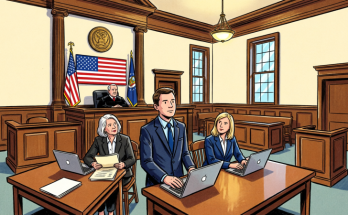
Officer Ruiz returned that afternoon with another investigator from the county traffic unit. This time they didn’t stand outside making guesses. They sat at my dining table with the video, transcript, ER medical report, and tow assessment showing the driver’s seat had been positioned far too far back for Emily, who was five-foot-two. Vanessa was five-foot-eight.
Facts, unlike family myths, did not bend for emotion.
Vanessa was arrested forty-eight hours later on charges of unauthorized use of a vehicle, filing a false report, and giving false statements during an investigation. The prosecutor later added penalties tied to driving under suspension once her old DUI surfaced. She didn’t look glamorous in her booking photo on the county website. She looked puffy, exhausted, and furious that consequences had finally caught up with her.
My parents weren’t arrested, but they were questioned repeatedly. Their lawyer told them to stop contacting Emily. That advice came too late. My mother had already left four voicemails, each more poisonous than the last, shifting between tears and blame. In one she said, “I hope you understand what you’ve done to this family.” I saved that too.
Insurance initially tried to stall, but my attorney pushed hard. Once the police amended the report and the fraud became obvious, the claim moved quickly. The car was declared a total loss. The settlement didn’t undo what happened, but it paid off the loan. Months later, I bought Emily another car—used, more practical for our budget, silver instead of blue. I asked if she even wanted it.
She stared out the dealership window for a long time before answering. “I want the choice back.”
So I handed her the keys.
The hardest part wasn’t court or paperwork. It was my daughter learning what my silence had cost her.
She didn’t yell much. I almost wish she had. Anger would have been easier to face than restraint. Instead, she became careful around me. Polite. Measured. The kind of distance that says the wound runs deeper than drama. I put her in therapy with a counselor specializing in adolescent trauma and family betrayal. Then, after one session where Emily calmly asked why I had frozen instead of protecting her, I found a therapist for myself too.
I learned that fear can look a lot like obedience when you grow up in the wrong family.
My parents had trained me for decades to keep peace at any cost, especially when Vanessa was involved. Vanessa ruined birthdays, stole money, wrecked relationships, screamed in restaurants, borrowed things she never returned, and somehow remained “the one going through a hard time.” I was the reliable daughter. The quiet one. The one expected to absorb damage and smile. That conditioning didn’t excuse what I did on the roadside, but it explained how a mother could fail her child for sixty terrible minutes and spend the rest of her life wishing she had chosen differently sooner.
The trial never turned into dramatic television. Real life rarely does. Vanessa accepted a plea deal. My parents avoided charges but not exposure. Relatives who had believed my mother’s version for years fell silent once they saw the evidence. Some apologized. Others didn’t. I stopped keeping score.
We moved six months later to a different suburb outside Cincinnati—partly for work, mostly for breathing room.
New street, new school district, new routines. Emily wanted distance from every road that reminded her of that tree.
On our last night in Columbus, she stood in the empty kitchen where I had played the video and asked, “Did you already know, when you pressed play, that you were done with them?”
I looked at the bare table—the place where my family had finally faced the truth in high definition.
“No,” I said. “I knew I was done helping them hurt you.”
She nodded like that was enough. Maybe it was.
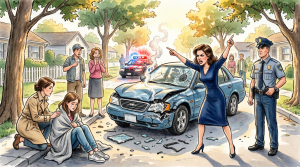
We aren’t magically healed. She still flinches when unknown numbers call. I still replay the scene at the wreck some nights and hear her saying, Mom. Tell them. Some failures don’t disappear just because you corrected the record. They stay, marked in memory like scars after stitches fade.
But this much is true: when the moment came again, in every way that followed, I chose her.
And sometimes that’s how a family truly begins—not with blood, not with loyalty, but with the first honest line drawn against people who mistook your love for permission.
💡 What readers can learn from this story
Your story isn’t really about inheritance, a cabin, or even a car crash. It’s about truth, power, and the moment someone stops being controlled.
1. Not everything valuable looks valuable at first
What seems small, forgotten, or even unfair in the beginning can hold the greatest meaning later. The cabin wasn’t “worthless”—it was intentional. Sometimes the real gift isn’t money or property… it’s something hidden, something earned, or something only meant for you.
2. Silence can be stronger than reaction
People who manipulate others often expect anger, tears, or chaos—because that’s what they know how to control. Choosing silence, patience, and timing can be far more powerful than reacting in the moment.
3. The truth doesn’t need to rush
Both parts of your story show this clearly: truth may be delayed, but when it arrives with proof, it becomes undeniable. Acting too early can weaken your position—waiting can strengthen it.
4. Family doesn’t always mean loyalty
Some people hide behind the word “family” to justify harmful behavior. Real family protects, supports, and takes responsibility—not lies, manipulates, or sacrifices others to save themselves.
5. Breaking the cycle is painful—but necessary
Standing up against toxic patterns, especially in your own family, comes with loss. But it also creates something new: freedom, self-respect, and a healthier future.
6. Protection is a choice, not just a role
Being a parent isn’t just about love—it’s about action. Even after failure, choosing to correct mistakes and stand up for your child matters more than pretending nothing happened.
7. People reveal themselves when they think they’ve already won
The most important truth in your story:
When people believe there are no consequences, they show who they really are.
Sometimes the biggest lesson isn’t what was taken from you…
it’s realizing what they could never take in the first place
END