I Didn’t Tell My Paralyzed Mother-In-Law That I Had Installed Cameras In The Apartment. In The Evening, I Sat Down To Watch The Recordings And Almost Fell Off My Chair. I Immediately Threw My Husband’s And Mother-In-Law’s Belongings Into The Stairwell And Changed The Locks. Later, The Neighbor Said, “Oh My God, So That’s Why They…”
Part 1
The first sound I heard wasn’t a scream.
It was laughter—soft, lazy, almost playful. The kind of laughter that belonged on a porch swing at sunset, not in a living room where a woman was supposed to be helpless.
That was the exact second I knew the cameras weren’t paranoia. They were survival.
My name is Marina Holloway. I was thirty-seven the year I learned that devotion can be weaponized, and that the people closest to you can turn kindness into a trap so quietly you don’t notice the bars until you try to stand.
Daniel and I had been married nine years. We weren’t flashy, the kind of couple friends described as “steady.” We had routines. Friday takeout. Sunday grocery runs. A savings account that grew slowly, like a plant we watered without thinking much about it. We weren’t rich, but we weren’t struggling either. I worked as a project coordinator for a regional hospital network—mostly spreadsheets, emails, meetings that could’ve been shorter. Daniel worked in sales, bouncing between clients and carrying himself like the world always owed him a little more than it had paid so far.

Two years ago, his mother had a stroke.
Evelyn collapsed at her condo while watering her plants. That’s how Daniel told it, breathless with fear, his voice cracking in a way I’d never heard before. By the time I reached the hospital, he was sitting rigid in a plastic chair, eyes red, hands shaking. When the doctor said “partial paralysis” and “mobility loss,” Daniel’s shoulders caved as if someone had hit him with a physical blow.
I remember reaching for his hand. I remember thinking: We can do this. We’ll take care of her. It’s what families do.
Evelyn moved into our apartment three weeks later. We lived on the third floor of an older building with unreliable elevators and thin walls that let you hear your neighbors’ music and arguments. It wasn’t ideal, but Daniel insisted it would be temporary. “Just until she stabilizes,” he said. “Then we’ll reassess.”
Temporary is one of those words that can stretch for years.
At first, I was the one who adapted. I rearranged furniture for wider pathways. I cleared space in the bathroom for the shower chair and grab bars. I labeled drawers so she could find things from her wheelchair. Daniel bought a ramp that barely fit the doorway and acted like he’d solved everything.
Friends called me a saint. Coworkers patted my shoulder and told me I had a good heart. Neighbors in the hallway smiled with that soft pity reserved for people carrying burdens everyone wants to admire from a safe distance.
I learned how to lift Evelyn without hurting her shoulders. I learned how to change sheets with one corner pinned under her hip so I didn’t jostle her too much. I learned what medications were supposed to be taken with food, and which ones made her nauseous if she swallowed them too fast.
Daniel started letting me handle the hard parts by default. He’d “forget” to pick up prescriptions and then swear he’d do better. He’d take out the trash once and expect applause. When I asked him to help bathe her, he’d sigh like I was asking him to scrub the entire building by hand.
“She’s my mom,” he’d say, as if it were a painful fact I should appreciate. “It’s hard for me to see her like this.”
So I did it. I did all of it. Quietly. Because I loved him. Because I believed in vows. Because I believed illness changed people and that compassion was what you offered before you counted the cost.
Then the house began to feel off in ways I couldn’t name at first.
Daniel started coming home later, always with a reason that sounded reasonable until you lined them up in a row. Traffic. Client dinner. A meeting that ran long. A coworker who needed help. He became protective of his phone, turning the screen away when he texted. When I kissed him hello, he smelled like cologne that wasn’t his.
Evelyn’s voice changed around me. She’d be speaking softly to Daniel, and the second I entered the room, she’d pause, eyes flicking toward me, mouth tightening. The conversation would restart with different words, like a theater script revised mid-scene.
Doors seemed to close too fast. Cabinets clicked shut the second I approached. The air in the living room would sharpen, and I’d feel like I’d walked into the middle of a joke that stopped being funny when I arrived.
Then came the bruises.
The first one appeared on my wrist, a faint purple bloom shaped like fingertips. I stared at it under the bathroom light, trying to remember bumping into anything. Evelyn had a habit of gripping me when I helped her stand for transfers—wheelchair to bed, wheelchair to toilet, wheelchair to couch. “I’m afraid,” she’d say, nails digging in. “Don’t let me fall.”
So I told myself it was that. An accident. A moment of panic. I covered it with long sleeves and didn’t mention it.
But it happened again. And again.
Not always on my wrists. Sometimes on my forearm. Once on my upper arm, where a hand would have to clamp hard to leave a mark. Once on the inside of my thigh, like someone had grabbed me when I turned away. I began to feel my body bracing before I entered rooms, anticipating contact I couldn’t predict.
One night, while I was washing dishes, Daniel came up behind me and pressed close, too close, his breath warm against my neck.
“You’ve been acting weird,” he said.
I kept scrubbing, watching suds slide down the plate like melting snow. “I’m tired.”
He chuckled—short, humorless. “Stop imagining things.”
There it was. That word like a slap.
Imagining.
As if my instincts were a hobby.
I tried once, carefully, to talk to him. I mentioned the money—how our savings seemed lower than it should. Daniel snapped that medical care was expensive and I should be grateful I didn’t understand. I mentioned Evelyn lowering her voice and he said she was embarrassed, that I should be kinder.
I mentioned the bruises, and Evelyn looked right at me and said, “You bruise easily, dear. Some women do.”
Daniel nodded like that settled it.
That night, in bed, I stared at the ceiling and listened to the building’s pipes knock as the heat cycled on. Daniel fell asleep fast, turned away from me. In the dark, the living room felt like it was holding its breath.
The next morning, while Daniel was at work and Evelyn pretended to nap, I opened my laptop and searched home security cameras. Not the obvious ones—no big blinking lights, no doorbell camera that announced itself. I wanted small lenses, quiet ones, the kind that disappeared into corners and outlets and little plastic housings no one questioned.
The delivery arrived two days later in a plain box. I hid it under my bed until midnight. When Daniel went to shower, I slipped into the living room and began.
One camera went above the bookshelf, tucked behind a framed photo of Daniel and me at the beach—our smiles sunburned and real. Another went near the kitchen doorway, angled toward the hallway. A third faced the couch and Evelyn’s wheelchair. I avoided the bathroom and bedroom. I didn’t want anything that could be turned against me. I wanted proof of what happened in common spaces. I wanted reality, unarguable.
When I finished, I sat on the edge of the couch and stared at Evelyn’s sleeping face. Her hair was silver and neatly brushed, her mouth slightly open. The wheelchair sat beside her like a prop. She looked fragile. She looked harmless.
That should’ve soothed me.
Instead, my skin crawled with the sense that I’d just added a lock to a door I didn’t realize had been open.
I tested the feed on my phone. Tiny rectangles showed my own living room from different angles. Everything looked normal, the way a life does from the outside.
That evening, Daniel left after dinner for what he called a quick errand.
“Back in twenty,” he said, already slipping on his jacket.
Evelyn watched him go, eyes tracking him like a cat tracks a bird through a window. When the door clicked shut, she turned her face toward the television and sighed dramatically.
“Could you adjust my blanket?” she asked.
I did. I tucked it around her legs that were supposedly useless. She stared straight ahead, lips pressed together like she’d swallowed something sour.
“Thank you,” she murmured, and the words sounded like they cost her.
I waited ten minutes. Then fifteen. Then twenty.
At thirty, I opened the camera app with a mug of tea I didn’t drink. My thumb hovered over the recordings like a match over dry paper.
I expected nothing. A quiet apartment. Evelyn sleeping. Maybe Daniel returning with a bag of groceries and an apology.
The first sound I heard wasn’t a scream.
It was laughter.
Soft. Lazy. Almost playful.
Evelyn’s.
My stomach dropped so fast it felt like falling.
I turned up the volume, barely breathing, and watched.
On the screen, Evelyn’s hand moved beneath the blanket. Not a twitch. A deliberate push. She shifted her weight. The blanket slid aside.
And then she stood.
Not shaking. Not struggling. She rose with the smooth practiced motion of someone who had stood up a thousand times.
A second later, Daniel walked back in through the front door.
He wasn’t carrying groceries.
He was smiling.
I sat frozen on my couch, phone glowing in my palm, tea going cold on the coffee table.
On the screen, my paralyzed mother-in-law took two steps—careful at first, then steady—stretching her legs like someone waking from a nap.
Daniel clapped once, softly, amused.
Evelyn laughed again, and it filled the apartment through my speakers like a song I never wanted to learn.
Part 2
I rewound it three times.
The first time, I thought I’d mis-seen it, like a magician’s trick where your brain fills in what it expects. The second time, I watched Evelyn’s feet specifically—how her heel struck the rug, how her toes flexed, how her ankle rolled with perfect balance. The third time, I watched Daniel.
He didn’t look surprised. He looked proud.
He leaned against the doorframe, still half in his jacket, and said something I couldn’t hear clearly over the hum of the camera’s microphone. I tapped the audio boost, the kind meant to catch voices across a room.
Evelyn’s voice came through, low and delighted.
“I swear, I almost slipped today,” she said. “Your little saint is getting stronger. Nearly lifted me like I weigh nothing.”
Daniel laughed. “Told you keeping the act was worth it.”
Worth it.
I sat so still my legs started to cramp. My heart didn’t race. It went quiet, like a power outage.
On the recording, Evelyn rolled her shoulders back, then lifted her arms and rotated them slowly as if loosening stiff joints.
“She thinks I’m getting worse,” Evelyn said, almost admiring. “The way she looks at me. Like she’s praying over a corpse that won’t stay dead.”
Daniel walked into the kitchen, opening cabinets like he owned the air inside them. “As long as she keeps paying, she can pray all she wants.”
Paying.
My hands went numb.
I watched as Evelyn walked—actually walked—into the kitchen. She opened the fridge and pulled out the container of chicken soup I’d made that morning. She took a spoon, tasted it, made a face.
“Too much thyme,” she said.
Daniel snorted. “She’ll do better tomorrow. She always does.”
Evelyn leaned her hip against the counter, the posture of a woman perfectly comfortable in her own body. “How much is left in her savings now?”
Daniel opened a drawer and pulled out a folder I recognized—the one he kept our bills in. He flipped it open with the ease of a man flipping through a menu.
“Plenty,” he said. “But I’ve been moving it slow. If we pull too much at once, she notices.”
Evelyn clicked her tongue. “She notices everything. She’s just trained herself not to speak.”
Daniel’s eyes flicked toward the living room camera—toward where I sat in real life, watching him through a screen.
He smiled faintly.
“I’m good at training,” he said.
My throat tightened so hard it hurt.
On the recording, Evelyn finished the soup, then set the bowl down like she was done with a chore. She glanced toward the hallway.
“Make sure she doesn’t start asking again,” she said.
Daniel’s smile sharpened. “She won’t. She’s afraid.”
Evelyn chuckled. “Good. Fear keeps people obedient.”
He reached for her, not in the way a son reaches for a mother. He cupped her cheek. He kissed the top of her head, lingering.
It wasn’t maternal. It was intimate in a way that made my skin crawl.
Evelyn didn’t pull away. She leaned into it.
“Danny,” she murmured, voice honeyed.
Danny.
Daniel kissed her again, closer to her temple this time
PART 2-I Installed Cameras for My Paralyzed Mother-In-Law—That Night I Changed the Locks on My Husband
Then, as if remembering the stage they were on, Evelyn straightened and looked toward the front door, listening. “She’ll be asleep soon. She exhausts herself trying to earn love.”
Daniel’s voice softened, almost tender. “That’s why I married her.”
I felt something inside me split cleanly.
Not a dramatic shatter. Not a sobbing collapse. A precise break, like a bone snapping under pressure it’s been carrying too long.
I muted the audio. I couldn’t handle their voices. I watched silently as Evelyn walked back to the living room, turned her wheelchair slightly, then lowered herself into it with careful choreography. She pulled the blanket over her legs.
Then she changed her face.
It was immediate. Her brows drew together. Her mouth pulled into a thin line. Her eyes dulled, as if someone had flipped a switch from vibrant to frail.
She became the woman the world believed she was.
Daniel walked to the door again, opened it, and stepped out. Two minutes later he came back in, now carrying a small bag from a convenience store—receipts, a soda, a cheap prop of an errand that could be explained if anyone asked.
He glanced at Evelyn, now properly helpless, and nodded like a director approving an actor’s final mark.
I sat on my couch in the dark, phone in my hand, and felt the weight of two years press down on me all at once.
Every time I’d apologized for being late because Evelyn needed help. Every ache in my lower back. Every night I’d fallen asleep with damp hair because I’d rushed from bathing her to making dinner. Every moment I’d swallowed irritation and told myself it was compassion.
All of it had been harvested.
I couldn’t even be angry the way people imagine anger. My body didn’t know what to do with the betrayal. It just went cold, as if my blood had decided it didn’t want to participate anymore.
Daniel texted me at 9:41 p.m.
Running late. Make sure Mom eats.
I stared at the message until the screen dimmed. Then I set the phone down and looked around my living room—the same couch, the same rug, the same framed photo on the bookshelf. Everything looked identical, but it wasn’t my home anymore. It was a set. A stage where I’d been cast as the fool.
I didn’t confront them that night.
I stood up, walked into the kitchen, and poured my cold tea down the sink. The sound of it draining felt like a decision.
When Daniel came home, he kissed my cheek and asked how my day was. I smiled and told him it was fine.
Evelyn sighed from her wheelchair and said her legs hurt.
I touched her hand gently, like a nurse, like a daughter, like a woman still playing her part. “Every day?” I asked.
Evelyn’s fingers tightened around my wrist just a little too hard, nails pressing into skin where bruises had already lived.
“Every day,” she whispered.
I almost laughed.
Instead, I tucked the blanket around her legs and said, “I’m sorry.”
Daniel watched me, eyes calculating.
That night, I lay in bed beside my husband and stared at the ceiling while he slept. I listened to his breathing, steady and unconcerned. I tried to remember the boy I’d met at twenty-eight, charming and attentive, bringing me coffee at work, telling me I was different from anyone he’d known.
Now I wondered if “different” had always meant “useful.”
The next few days, I became a ghost in my own life.
I made breakfast. I bathed Evelyn. I answered work emails. I nodded at Daniel’s stories. I smiled at neighbors. All of it felt like acting, but acting I could control.
Because while they believed I was blind, I was watching everything.
Every night, after Daniel fell asleep, I reviewed footage. I made a timeline. I noted dates and times, like a detective building a case instead of a wife falling apart.
Evelyn stood up more than once. She walked to the bathroom at 2:13 a.m. She stretched in the kitchen at 3:47. She even danced—quietly, swaying to music from Daniel’s phone—when she thought the apartment belonged only to them.
Sometimes they talked about me like I was a pet.
“She believes anything,” Evelyn said one night, sipping wine from a glass I’d never seen before. “Tell her the sky is green and she’ll find a reason to agree.”
Daniel replied, “That’s why I married her. She wants love so bad she’ll pay for it.”
They laughed, and I watched, and something sharp formed inside me, not rage exactly—more like clarity. A blade made of truth.
Then the money started making sense.
Our savings account had been draining in small, steady bites. “Medical equipment,” Daniel said. “Therapy fees.” “Private specialists.” He always insisted on handling the bills because it was “too stressful” for me.
One afternoon, while Daniel was out and Evelyn pretended to nap, I opened the closet where Daniel kept the paperwork. I’d never gone through it before. Trust, after all, is a habit.
The folder wasn’t there.
I searched the dresser. The kitchen drawers. Under the couch cushions. My pulse stayed calm, like my body had moved past panic into precision.
Finally, I checked under our mattress.
The folder was there, slightly bent, paper edges peeking out like a secret trying to breathe. I slid it free and flipped through.
Receipts. Statements. Forms.
Then I saw it.
A document titled Durable Power of Attorney.
My name was printed at the top.
And my signature—my signature—sat at the bottom.
Except it wasn’t mine.
It was close enough to fool someone glancing quickly, but wrong in the places that mattered. The curve of the M was too tight. The loop on the r didn’t dip the way my hand always dipped. It was my name written by someone who’d studied it.
My stomach finally found fear.
This wasn’t just them using me. This was them preparing to erase me.
I put the papers back exactly how I found them, smoothing the mattress like nothing had been disturbed.
Then I walked into the bathroom and locked the door. I stared at my reflection, at the faint bruise on my wrist, at the tired woman I’d become.
In the mirror, my eyes looked awake for the first time in months.
That night, while Evelyn watched television and Daniel scrolled on his phone, Daniel spoke without looking up.
“You know,” he said calmly, “you’re nothing without us.”
I turned toward him slowly.
He finally met my eyes, and there was something smug there, something that assumed ownership.
I smiled.
Not sweet. Not warm. Just a small, controlled curve of my mouth.
Because by then I knew exactly how wrong he was.
Part 3
If you’ve never been scared of someone you share a bed with, it’s hard to explain the way the fear doesn’t feel like a scream. It feels like math.
It feels like counting exits. It feels like noting who holds the keys. It feels like waking up and immediately gauging the mood in the room the way sailors gauge the sky.
I didn’t sleep much after finding the forged papers. When I did, it was shallow, the kind of sleep where you surface at every creak of the building. Daniel noticed, of course. He always noticed when my body stopped being convenient.
“You’re jumpy,” he said over coffee one morning. “You should see someone.”
I stirred sugar into my mug, watching it dissolve. “I’m fine.”
Evelyn sighed dramatically from her wheelchair, blanket folded just so over legs that could carry her through the night. “Stress does terrible things to women,” she said. “Makes them… irrational.”
Daniel’s mouth quirked. “Exactly.”
The way they teamed up against me was subtle enough that, if I’d tried to describe it to someone two weeks earlier, I might’ve sounded dramatic. Not now. Now it was obvious. They spoke in a shared language of implication and dismissal, making me feel like an outsider in my own home.
So I stopped trying to be understood and started trying to be safe.
At work, I took my lunch breaks in my car and made phone calls. The first was to a lawyer whose name I found through a coworker’s quiet recommendation. A woman named Leslie Park. She spoke with the calm confidence of someone who’d watched messy people do messy things for a living and had learned not to flinch.
I didn’t tell her everything at first. I didn’t know how without sounding like a woman in a thriller movie.
So I started with facts. “I found a forged power of attorney,” I said. “I have concerns about financial abuse. I have video evidence that someone is pretending to be disabled.”
There was a pause—not shock, but attention.
“Do you feel safe in your home right now?” Leslie asked.
I looked at my steering wheel, at the worn leather where my hands had gripped it during ordinary commutes. “Not completely.”
“Then the first priority is documenting,” she said. “Second is separating your assets. Third is planning your exit. Do not confront them alone.”
I swallowed. “They already tried to frame me for something once. Not… legally, but socially.”
Leslie’s voice stayed even. “People who fake illness for money often escalate when they feel control slipping. You need backups of your evidence. Multiple. And you need a record of the forged document. Photograph it. If you can, take it to a notary or have your attorney copy it through legal channels.”
I thanked her and ended the call, sitting in silence while my heart did something strange: it steadied. Fear loves isolation. Planning interrupts it.
The second call I made was to an old friend from college named Tessa, someone I hadn’t spoken to in months but who still owed me for a favor I’d done years ago. Tessa worked in compliance for an insurance provider. Not the one Daniel claimed we used, but close enough to know the right language and the right doors.
“I need advice,” I told her.
She didn’t ask why. She just listened, and when I finished explaining—carefully, with minimal emotion—she exhaled slowly.
“This is bad,” she said. “This is really bad. But if you have video, that’s a cornerstone.”
“I don’t want revenge,” I lied, because revenge wasn’t the point. “I want it to stop.”
“Then you’ll need to be strategic,” Tessa said. “If you report too openly, they’ll know it’s you. If you report anonymously with enough detail, it triggers audits without giving them someone to attack directly.”
I stared at the dashboard clock. 1:12 p.m. The day marched on like nothing had changed. “Can you help me draft something?”
“Send me what you have,” Tessa said. “Not the files—too risky. Just a list. Dates. Times. Patterns. We’ll make it look like it came from an outside observer.”
Outside observer.
I thought of my cameras, my tiny lenses that had turned my home into a courtroom.
That night, I didn’t watch recordings like a betrayed wife. I watched like a witness.
I made a spreadsheet—old habits dying hard. Column headers: Date, Time, Camera Angle, Behavior Observed, Notes. I logged Evelyn walking, standing, lifting objects. I logged Daniel’s statements about money, about my “training.” I logged the moment he kissed her temple like she belonged to him.
As I watched, small details started to stand out.
Evelyn called Daniel “Danny” when she thought no one was listening. Sometimes she called him “D.” Once, in a moment of irritation, she snapped, “Don’t get sloppy, sweetheart,” and the word sweetheart landed with an intimacy that made my stomach turn.
Daniel referred to her as “Mom” in public moments—when a neighbor passed by, when he spoke loudly enough for someone in the hallway to hear. In private, his language shifted. He’d say, “Evelyn wants—” or “She thinks—” or “Tell her—” like Evelyn was a partner, not a parent.
I began to wonder if my original assumption—mother-in-law—was part of the performance too.
On Friday, I asked Daniel casually about Evelyn’s condo. “Do you think we should check on it?” I said lightly. “Make sure nothing’s leaking.”
Daniel’s face tightened. “It’s fine.”
“When was the last time you went?” I asked, still light.
He set his fork down too carefully. “Why are you interrogating me?”
“I’m not,” I said, smile in place. “Just thinking ahead.”
Evelyn’s eyes flicked toward him, then to me. Something passed between them—silent, quick.
“The condo is being handled,” Evelyn said, voice brittle. “Your concern is unnecessary.”
I nodded. “Of course.”
After dinner, Daniel cornered me in the kitchen. His voice was low, controlled. “Don’t start poking around. You don’t understand what you’re messing with.”
PART 3-I Installed Cameras for My Paralyzed Mother-In-Law—That Night I Changed the Locks on My Husband
I blinked at him, slow and calm. “I was just making conversation.”
His hand landed on my wrist, squeezing hard enough that pain flashed white for a second. His eyes held mine. “Stop.”
He released me and walked away as if he hadn’t touched me at all.
In the bathroom, I ran cold water over the spot. The bruise would bloom by morning, a fresh fingerprinted reminder.
I leaned on the sink and stared at myself, breathing slowly.
I didn’t want to burn down my life. I wanted my life back.
On Sunday, Daniel announced we were having guests.
“Guests?” I repeated, keeping my tone neutral while my mind raced.
He smiled with that practiced gentleness he used when he wanted to appear caring. “Just a few people. Evelyn’s been… declining. She could use prayers.”
Evelyn dabbed at her eyes with a tissue, perfectly timed. “I don’t want to be a burden,” she whispered, voice quavering.
Daniel squeezed her shoulder, then looked at me. “It would mean a lot if you were supportive today.”
Supportive.
I understood then: this wasn’t concern. It was theater.
And if Daniel was staging a scene with witnesses, it meant he was preparing to make me the villain.
That afternoon, our apartment filled with people. Neighbors I barely knew. Daniel’s cousin, Mark, who always smelled like aftershave and entitlement. The building manager, Mrs. Donnelly, a brisk woman with keys clinking at her hip and a no-nonsense face softened by the sight of Evelyn’s wheelchair.
Evelyn performed like she’d spent her life onstage. Her hands trembled. Her voice cracked at the right moments. She told a story about pain and loss that made two women from the second floor wipe their eyes.
Daniel stood beside her, arm around her shoulders, looking like a devoted son and exhausted husband all at once.
Then he turned to the room.
“Marina hasn’t been coping well,” he said gently. “She’s been… confused. Paranoid.”
Every head turned toward me.
The air changed. Concern sharpened into suspicion.
I felt my heart beat once, hard.
I opened my mouth.
Before I could speak, Evelyn made a sound—half gasp, half sob—and slid from her wheelchair.
Not a fall. A controlled collapse. She hit the carpet with a thud and screamed.
Daniel shouted, “What did you do?”
The room exploded.
Someone yelled for an ambulance. Someone grabbed my arm. Mrs. Donnelly stared at me like I’d set the building on fire. Mark’s eyes widened, hungry with judgment.
I stood frozen, not because I didn’t know what to do, but because I could see it so clearly now—the script, the cues, the roles they’d assigned.
Evelyn peeked at me through half-closed eyes.
And she smiled.
Daniel leaned close enough that only I could hear him.
“No one will ever believe you,” he whispered.
He was right.
Not yet.
As the sirens approached, a strange quiet settled inside me, like a lake freezing over.
Humiliation was the last thing they’d ever get from me.
Part 4
That night, Evelyn stayed at the hospital for observation. Daniel went with her, playing the frantic son. He didn’t invite me. He didn’t need me there. My role, in his story, was the unstable wife who needed watching.
I went home alone.
The apartment felt smaller without their presence, like the walls were finally done pretending. I stood in the doorway for a long moment, listening to the building’s hum—the distant elevator, a neighbor’s muffled television, a dog barking somewhere down the hall.
Then I cleaned.
Not because the place was dirty, but because cleaning gave my hands something to do while my mind solidified into purpose. I wiped counters until they shone. I washed the throw blanket that Evelyn always clutched like a prop. I vacuumed the rug where she’d “fallen,” erasing the imprint of her performance.
I folded laundry with steady hands, stacking Daniel’s shirts like they belonged to a stranger.
I brewed tea and let it go cold, just like the night I first watched the footage.
When the apartment finally looked too normal, I sat at my kitchen table, opened my laptop, and pulled up the recordings.
This time, I didn’t watch as Marina the wife.
I watched as Marina the investigator.
I noted timestamps. I captured screenshots of Evelyn standing. I clipped moments where Daniel talked about money, about “training,” about me being afraid. I exported video segments into labeled folders. I made duplicates on two external drives and uploaded encrypted copies to a new cloud account with a password Daniel couldn’t guess—something not tied to birthdays or anniversaries or anything love-based.
By 3:00 a.m., my eyes burned, but my mind was clear.
Fraud. Medical deception. Financial abuse. Identity misuse. Emotional manipulation. False accusations in front of witnesses.
They thought revenge meant screaming. Breaking dishes. Public meltdowns.
They underestimated me.
At 6:12 a.m., Daniel came home alone. His face looked tired, but his posture was confident, like he’d survived a minor inconvenience.
“She’s fine,” he said, shrugging off his jacket. “They’re keeping her another day just to be safe.”
I nodded, expression neutral.
He looked around, taking in the clean apartment, the calm way I sat. “You should apologize today,” he said. “To everyone.”
I dipped my chin. “Okay.”
Daniel’s mouth relaxed, pleased. He walked past me, as if I were a piece of furniture that had finally stopped wobbling. “Good,” he said. “We’ll fix this.”
Fix this.
He had no idea the fixing had already begun.
That afternoon, I visited Leslie Park’s office. I brought copies of the forged power of attorney and a thumb drive of video clips, carefully selected and clearly labeled. I didn’t bring the entire archive—Leslie advised me to hold back some evidence, to keep leverage and protect myself.
Leslie watched the footage with her jaw clenched. When Evelyn stood up on-screen, Leslie’s eyes narrowed, not in surprise, but in recognition of a pattern she’d seen before.
“They’re running a con,” she said. “And the forged POA suggests escalation. If they can control your legal and financial decisions, they can control everything.”
“Can they use this against me?” I asked quietly. “The cameras?”
Leslie shook her head. “You installed them in common areas of your own home. No bathrooms, no bedrooms. That’s important. And the footage documents ongoing fraud. Even if they argue privacy, the pattern of criminal behavior matters.”
I exhaled slowly, a knot loosening in my chest.
“Now,” Leslie said, sliding a notepad toward me, “we plan your exit and your protection.”
We mapped it out like a project timeline. Separate finances. Change passwords. Secure personal documents. Notify my workplace security in case Daniel showed up. Document bruises with photos and dates. Avoid being alone with them if possible.
Then came the part that felt like swallowing glass: public apology.
Leslie didn’t tell me to do it. She asked what outcome I wanted.
“I want them to feel safe,” I said. “Safe enough to keep acting.”
Leslie nodded once. “Then you perform.”
That evening, I knocked on Mrs. Donnelly’s door with a plate of cookies I didn’t care about.
“I’m so sorry,” I said softly, eyes down. “I’ve been under so much stress. I think I… I got overwhelmed.”
Mrs. Donnelly’s face softened. People love an apology that restores their world’s order.
“You’ve had a lot on your plate,” she said, patting my arm.
I apologized to the women from the second floor. I apologized to Mark. I apologized to a neighbor in the stairwell who’d only heard rumors.
I became the version of myself Daniel needed: small, remorseful, unstable.
By the time Evelyn returned from the hospital two days later, the building’s collective judgment had shifted from anger to pity.
Evelyn rolled into the apartment in her wheelchair like a queen returning to her throne. Her face was pale. Her voice was weak.
“You’ve been so difficult,” she whispered to me when Daniel wasn’t looking, and her grip on my wrist was light but deliberate, a reminder. “Don’t let it happen again.”
I smiled gently. “I won’t.”
That night, after Daniel and Evelyn settled in—their bodies arranged in familiar positions of comfort and control—I went to my office nook, opened my laptop, and sent the first email.
Anonymous. Precise. No emotional language. Just facts.
Dates. Times. Evidence of mobility inconsistent with claimed paralysis. Fraud indicators. Concern for misuse of medical resources and financial exploitation.
I attached clips—short, clear, undeniable. Evelyn standing. Evelyn walking. Daniel discussing “keeping the act” and moving money slowly.
Recipients: the hospital’s patient advocacy department, the insurance provider’s fraud reporting address, Adult Protective Services, and a general tip line for the state’s Medicaid fraud unit, just in case.
I sent it at 1:18 a.m.
Then I closed my laptop, washed my hands, and went to bed beside Daniel like nothing had happened.
Two days later, insurance called Daniel at work.
I heard it through the camera in the living room, audio catching just enough.
Daniel’s voice started casual. Then it shifted—confusion, sharpness, panic.
“What do you mean reassessment?” he snapped. “She can’t—she’s paralyzed.”
A pause.
His voice dropped. “Of course she can’t stand. That’s the whole point.”
Another pause.
“Who reported this?”
His breath came faster. “This is ridiculous.”
When he came home that night, his smile was tight, his eyes scanning the apartment as if looking for something out of place.
“Insurance is being annoying,” he said, tossing his keys down. “They want a reevaluation.”
Evelyn’s face flickered, just for a second—anger under the mask. “They can’t,” she hissed.
Daniel lowered his voice. “They can. We’ll handle it.”
The next morning, our bank froze the joint account.
Daniel stared at his phone like it had betrayed him. “What the hell?” he muttered.
I sipped coffee, calm. “Maybe it’s a glitch.”
He glared at me. “Don’t start.”
By afternoon, the hospital requested Evelyn come in for an in-person mobility reassessment—under supervision, with a nurse and a physician present.
Daniel paced. Evelyn’s hands trembled for real now, not performed.
And then, in our living room, a nurse arrived with a gentle smile and a clipboard.
“Mrs. Holloway,” she said to Evelyn, voice kind, “we’re just going to do a few basic checks. Nothing to worry about.”
Evelyn’s eyes darted to Daniel. Daniel’s eyes flicked to me.
I met his gaze and smiled—not cruelly, not triumphantly.
Calmly.
The nurse knelt. “Can you try standing for me, ma’am?”
Evelyn swallowed.
The silence that followed was louder than any scream.
Slowly, as if her body were betraying her, Evelyn pushed her hands against the chair’s arms and rose to her feet.
The nurse’s smile didn’t change, but her eyes sharpened.
Daniel’s face drained of color.
Evelyn stood there, trembling—not from weakness, but from being caught.
And in that moment, the act collapsed.
Part 5
Within hours, two officials returned.
One introduced herself as a representative from the insurance provider’s special investigations unit. The other wore a badge clipped to his belt and said he was with social services, there to assess potential abuse—not Evelyn’s, but mine.
They asked questions politely at first. Where did Evelyn receive care? Who managed the bills? How long had she been “unable to walk”? Did she have documentation of ongoing paralysis? Why had there been repeated claims for equipment and home support services?
Daniel tried to control the room with charm. He offered water. He made jokes. He spoke quickly, like speed could replace truth.
“She’s been improving,” he said. “It’s a miracle, really. The human body—”
The insurance investigator held up a hand. “We have documentation that claims continued total mobility loss,” she said. “We also have concerns about inconsistent reporting.”
Daniel blinked. “Who said inconsistent?”
The social services officer glanced at Evelyn. “Ma’am, can you describe your limitations?”
Evelyn’s voice wobbled. “I—I can’t—some days I—”
The insurance investigator opened a folder and slid photos across the table.
My bruises.
I’d photographed them with dates and times and emailed them to Leslie, who’d filed them in preparation.
Daniel’s eyes widened, then narrowed. “What is this?”
The officer’s voice remained steady. “We also received reports of forged documents and potential financial exploitation.”
Daniel’s mouth opened, closed. “That’s—no. That’s not—”
The insurance investigator turned her tablet toward him.
The video played.
Evelyn walking across my kitchen.
Daniel’s voice, clear: “Told you keeping the act was worth it.”
Evelyn’s laugh.
Daniel stared at the screen as if it were showing someone else’s life.
Evelyn’s face crumpled. “Turn that off,” she whispered.
The officer wrote something down.
Daniel’s gaze snapped to me, sharp and furious. “You planned this.”
I tilted my head slightly. “I documented what was happening,” I said quietly.
“You ruined us,” he hissed.
I looked at him—really looked—and felt something almost peaceful.
“You ruined yourself,” I said. “I just stopped protecting you.”
That night, Daniel tried to corner me in the hallway again. His body blocked the path to the bedroom. His voice was low, urgent, dangerous.
“You think you’re smart,” he said. “You think you’ve won.”
Behind him, Evelyn sat in her wheelchair, hands gripping the arms so hard her knuckles were white.
“You don’t know what you’ve done,” Daniel continued. “You don’t know who you’re messing with.”
I held my phone up, screen lit.
On it was Leslie’s number, ready to dial.
“I know exactly what I’ve done,” I said. “And I’m done being afraid.”
Daniel’s eyes flicked to the phone. His jaw tightened.
For the first time in two years, he stepped back.
The next week moved fast, like a river after a dam breaks.
Our joint account stayed frozen pending investigation. Daniel’s workplace called him in—apparently, the insurance provider had contacted them too, because Daniel’s job involved client accounts and financial handling. “Suspended pending inquiry,” he said, voice tight with humiliation.
Evelyn lost coverage almost immediately. No more paid equipment. No more home support reimbursements. The services Daniel had quietly billed under my name and her diagnosis evaporated
Neighbors whispered in the hallway. The same mouths that had called me unstable now used my name carefully, like it had weight.
Mrs. Donnelly approached me by the mailboxes. “I’m sorry,” she said bluntly. “We thought—well. We thought the worst.”
I nodded, not offering comfort. “It’s easy to think the worst when someone hands it to you,” I said.
Leslie filed for an emergency protective order after Daniel sent me three texts in a row at 2:00 a.m. calling me a liar, a traitor, and worse. She filed for separation of assets. She filed for divorce.
Daniel and Evelyn were instructed—under “supervision,” a word that meant an officer standing quietly in my living room—to pack essentials and leave while the investigation continued. Evelyn’s movements became careful again, as if she hoped no one would notice how naturally she navigated the room when she thought eyes weren’t on her.
As they packed, Evelyn grabbed my arm one last time.
Her nails dug in. Her eyes were bright with something venomous.
“You think you’ve won,” she whispered.
I leaned in close enough to smell her perfume. “This isn’t winning,” I murmured. “This is the truth catching up.”
Her grip loosened.
Daniel slammed the door behind them, hard enough that a picture frame on my bookshelf rattled.
The apartment fell silent.
I stood in the quiet and waited for grief. For collapse. For the dramatic sobbing movies promised.
Instead, I felt lighter. Like I’d been carrying a heavy bag for miles and finally set it down.
Three weeks later, the hospital issued a formal apology for how they’d treated me during the “incident” in my living room. They offered resources. Counseling. A patient advocate to help me navigate the system.
Daniel was charged with fraud and identity misuse. The forged power of attorney, combined with financial patterns, made the case stronger than he’d expected. Evelyn was flagged for fraudulent claims and faced repayment demands that made her voice shake when she left angry voicemails on my phone.
I didn’t answer.
One afternoon, a plain white envelope appeared in my mailbox. No return address. My name printed neatly.
Inside was a letter from building management.
During the investigation, they’d reviewed security footage from common areas. Hallways. Lobby. Parking lot.
Footage I hadn’t even asked for.
It showed Daniel, multiple times, lifting Evelyn’s wheelchair into his car. No ramps. No assistance. No struggle. It also showed Evelyn—on a night I’d been at a late work meeting—walking through the lobby on her own, hair down, posture relaxed, moving like someone who’d never been trapped in a chair at all.
The building terminated Daniel’s lease privileges immediately. They changed the garage access code. They issued him a trespass notice.
That same afternoon, I heard a knock.
The neighbor across the hall—quiet, watchful, the one who’d always seemed to listen more than she spoke—stood there holding a cup of coffee.
Her name was Renee. I’d only exchanged polite hellos with her before.
She looked at me with wide eyes, voice soft. “Oh my god,” she said.
I took the coffee, hands steady. “Yeah,” I replied.
Renee hesitated. “I… I had a feeling something was wrong,” she admitted. “Not the details. Just… the way he talked to you in the hall. The way she watched you.”
I held the cup, warmth seeping into my palms. “Why didn’t you say anything?”
Renee’s gaze dropped. “Because people don’t like being told their life is a lie.”
I almost smiled. “Turns out I didn’t either.”
Renee shifted, then said, “If you ever need someone to walk with you to your car, or—anything—just knock.”
After she left, I stood in my doorway for a long moment, coffee in hand, looking down the hallway where Daniel had once walked like he owned the building.
The door across the hall clicked shut.
The building felt different now. Not safer, exactly. But clearer.
I took a sip of coffee and tasted something I hadn’t tasted in a long time.
Relief.
Part 6
Divorce isn’t one event. It’s a season.
It’s waking up and remembering you don’t have to listen for someone else’s footsteps. It’s realizing you can cook dinner without timing it around medications someone never needed. It’s signing papers that reduce your marriage to assets and liabilities and a judge’s stamp.
Leslie warned me that Daniel would try to fight dirty, because dirty was the only language he spoke fluently when he felt cornered.
She was right.
Daniel’s first move was to accuse me of illegal surveillance. He claimed I’d violated privacy, that I’d manipulated recordings, that I’d “set him up.” His attorney—slick, expensive, with teeth that showed when he smiled—filed motions meant to intimidate more than succeed.
Leslie countered calmly. The cameras were in common areas of my own home. No private spaces. No audio enhancements beyond what the devices captured naturally. The footage documented ongoing fraud and potential coercion. My bruises were photographed. The forged documents were verified by handwriting analysis requested through the investigation.
Daniel’s motions didn’t disappear, but they lost their power to frighten me.
Because fear relies on uncertainty, and Daniel’s schemes were finally being dragged into light.
I started getting calls from unknown numbers. When I answered once, Daniel’s voice came through, too smooth.
“You think you’re the hero,” he said. “You’re going to regret this.”
I hung up. I logged it. Leslie filed it.
Then the calls stopped.
Not because Daniel changed, but because Daniel’s world narrowed.
His suspension became termination. His coworkers, once friendly, began distancing themselves. A rumor spread that he’d been “playing insurance games.” Clients pulled away. The same charm he’d used to build a life now curdled into suspicion.
Evelyn, without coverage, tried to apply for assistance programs, but her file was flagged. Every application triggered questions. Every question triggered scrutiny. Scrutiny is poison to a liar.
One evening, Mark—Daniel’s cousin—knocked on my door.
I almost didn’t open it, but Renee was in the hallway at the same time, taking out trash, and her presence steadied me like an anchor.
Mark held his hands up. “I’m not here to start something,” he said quickly. “I’m here because… I didn’t know. I swear.”
I leaned against the doorframe, keeping my chain latched. “What do you want, Mark?”
He swallowed. “Daniel’s saying you ruined him. He’s saying you’re crazy. But the investigators… they asked me questions. About Evelyn. About the stroke. About… everything.”
“And?” I asked.
Mark rubbed the back of his neck. “I don’t think she had a stroke.”
My fingers tightened on the chain. “I know.”
Mark’s eyes darted down the hallway. “There’s more,” he said, voice dropping. “Daniel told me once—months ago—he and Evelyn were going to ‘move on’ soon. He said you were ‘maxed out.’ I thought he meant you were stressed. I didn’t realize he meant money.”
My skin went cold. “Move on where?”
Mark shook his head. “He didn’t say. But he made it sound like… like this wasn’t the first time.”
The words landed heavy.
Not the first time.
That night, after Mark left, I sat at my kitchen table and pulled up old footage again. Not just the obvious clips. The small moments. The slips.
Evelyn calling Daniel “sweetheart.”
Daniel referring to her as Evelyn instead of Mom.
Their shared laughter, intimate and practiced.
A pattern began to form in a new shape—one bigger than my apartment.
The next week, an investigator named Carla Nguyen contacted me. She worked with the insurance provider’s fraud unit, but she wasn’t the same woman who’d first visited. Carla’s tone was direct, professional.
“We’re expanding our scope,” she said. “We have reason to believe your case may be connected to previous suspicious claims.”
My mouth went dry. “Previous?”
Carla paused, then said carefully, “We can’t share details yet. But I can ask: did your husband ever mention moving often? Changing names? Avoiding paperwork?”
I thought of Daniel’s irritation when I asked about Evelyn’s condo. How quickly he’d shut it down. “Yes,” I said softly. “He hated paperwork. He hated anything that left a trail.”
Carla’s voice tightened, like she’d just confirmed a suspicion. “We may need additional cooperation from you. Your footage is… unusually clear.”
I almost laughed at the phrase. Unusually clear. As if clarity hadn’t been the one thing I’d begged for when I was still trying to love them.
“I’ll cooperate,” I said.
After I hung up, I stared at my reflection in the dark laptop screen.
If this wasn’t their first time, then my story wasn’t just betrayal.
It was a pattern.
And patterns mean more victims.
I walked across the hall and knocked on Renee’s door. When she opened it, she looked surprised, then concerned.
“I need a favor,” I said.
Renee stepped back immediately. “Come in.”
Her apartment smelled like clean linen and citrus. It was tidy, minimal, like someone who liked control but didn’t weaponize it.
I sat on her couch, hands clasped. “Do you know anything about insurance fraud investigations?” I asked.
Renee’s eyes flickered. “Why?”
I studied her face. Calm. Watchful. Like she’d been waiting for this moment.
“Because someone from a fraud unit called me,” I said. “And they implied Daniel and Evelyn may have done this before.”
Renee didn’t look shocked.
She looked resigned.
“I was hoping it was just you,” she admitted quietly. “I was hoping I was wrong.”
My pulse quickened. “Renee… why would you think that?”
She hesitated, then reached into a drawer and pulled out a laminated ID card.
Not building management.
Not a hospital.
Insurance Special Investigations.
My breath caught.
Renee watched me carefully. “I didn’t move here because I needed a cheaper apartment,” she said. “I moved here because we received an anonymous tip that someone was staging disability and draining an account under caregiver pressure. Your email triggered a file. But your building had already been flagged months earlier.”
My mind raced. “Flagged… why?”
Renee’s jaw tightened. “Because someone else lived in this building before you.”
The room seemed to tilt.
“Who?” I asked.
Renee’s voice went soft. “A woman named Heather Lane. She lived here three years ago. She reported feeling trapped. She reported financial pressure. And then—” Renee swallowed. “Then she disappeared from the file. Moved, supposedly. No forwarding address. No contact.”
My skin prickled. “Daniel lived here then?”
Renee nodded once. “Under a different name.”
The coffee cup Renee had offered me weeks earlier came back in my mind, suddenly heavy with meaning. The quiet neighbor who watched. The offer to walk me to my car. The timing.
“You were watching me,” I said.
“I was watching them,” Renee corrected gently. “And I was trying to make sure you didn’t become Heather.”
The air in my chest felt too thin.
All this time, I’d thought my cameras had saved me.
Maybe they had.
But maybe I’d also been standing at the edge of something much darker than a stolen bank account.
Part 7
After Renee showed me her ID, the hallway outside her apartment felt different when I walked back to mine. Not because it had changed, but because I had. Every dull beige wall, every scuff on the carpet, every buzzing ceiling light suddenly seemed like part of a much larger scene—one I’d stepped into without realizing the script had started before I arrived.
I didn’t sleep that night. I didn’t watch camera footage either. I sat at my table with a notebook and wrote down everything I could remember about Daniel’s past.
Where he said he’d lived. The jobs he claimed to have had. The friends he never introduced me to. The way he avoided family gatherings unless he controlled them. The way Evelyn’s “friends” never visited, not even once, in two years.
Because if Evelyn were truly Daniel’s mother, there should have been people. Old neighbors. Cousins. Someone who remembered her from before the wheelchair.
Instead, there was silence—convenient, curated.
The next morning, Carla Nguyen called again. This time she didn’t sound like she was feeling around the edges. She sounded like she had a file open in front of her and was reading from it.
“We have confirmed multiple claims tied to identities adjacent to your husband,” she said. “Different addresses, different caregiver names, consistent patterns. We believe the woman you know as Evelyn may not be related to him.”
My throat tightened. “Not related how?”
Carla’s pause was deliberate. “Not his mother.”
The words should have been shocking, but they slid into place like a missing puzzle piece.
Evelyn’s intimate tone. Daniel’s non-maternal affection. The way he called her Mom only when others could hear.
“What is she then?” I asked.
Carla’s voice stayed careful. “Possibly a partner. Possibly a co-conspirator. We are working with law enforcement now.”
I stared at the window, at the city beyond, bright and indifferent. “And Heather?” I asked. “Heather Lane?”
Another pause. “We cannot confirm her current location. But her file matches the pattern.”
My hands trembled for the first time in weeks—not fear of Daniel, but fear for the woman whose name I’d never known until now.
“What do you need from me?” I asked.
Carla exhaled softly, like she’d been waiting for cooperation rather than resistance. “We need every piece of footage you have. Full archives. Unedited. We also need a statement about your interactions—anything that indicates coercion, threats, forged documents.”
“I have it,” I said. “Everything.”
“Good,” Carla replied. “And Marina—please don’t meet Daniel alone. If he contacts you, document it. If he shows up, call police.”
As if summoned by the warning, my phone buzzed a minute later.
Unknown number.
I let it go to voicemail.
The transcription came through seconds later: Daniel, voice thick with fury, saying my name like it was an insult.
“You think you’re safe because you hid behind paperwork,” he said. “You’re not. You hear me? You’re not.”
I saved it. I forwarded it to Leslie. Then I forwarded it to Carla.
That afternoon, I handed Renee a hard drive containing the full footage archives. She didn’t touch it with casual hands. She handled it like evidence, because that’s what it was—my life reduced to a set of files that might save someone else.
“Thank you,” Renee said quietly.
I swallowed hard. “Do you think Heather is alive?”
Renee’s eyes held mine. “I don’t know,” she admitted. “But the pattern suggests they don’t like loose ends.”
The phrase loose ends wrapped around my ribs like wire.
For the first time since the recordings, I allowed myself to cry—not because I missed Daniel, not because I mourned my marriage, but because I realized how close I’d come to being erased in ways that had nothing to do with divorce papers.
Leslie moved quickly after that. She filed for a stronger protective order. She requested emergency sole access to my personal accounts. She helped me move the remainder of my paycheck into a separate account Daniel couldn’t touch.
She also recommended I change the locks.
When the locksmith drilled into the deadbolt, the sound was loud and final. Metal shavings fell like gray dust onto my welcome mat.
I watched, arms crossed, feeling something like empowerment and something like grief, tangled together.
That evening, there was a knock.
Not the soft, polite kind Renee did. Not the neighborly tap Mrs. Donnelly used.
A heavy knock. One that assumed the door would open.
I froze.
The peephole showed Daniel in the hallway.
His hair was unbrushed. His jaw was tight. His eyes flicked left and right, scanning like a man checking for witnesses. Behind him, the hallway was empty.
I didn’t open the door.
I didn’t speak.
I stepped back and called the police, my voice steady as I gave my address.
Daniel knocked again, harder. “Marina,” he called, voice dripping false concern. “Come on. We need to talk.”
Need. The word people use when they mean control.
I stayed silent.
Through the door, I heard his tone shift.
“You think you can ruin me and hide?” he snapped. “You think you can take everything and just—what, live happily ever after?”
I didn’t move.
His voice lowered. “Open the door.”
Then, softer, almost intimate: “I can make this worse.”
The police arrived within minutes. Daniel’s posture changed the second he saw uniforms, like someone flipping back into a mask. He lifted his hands, laughed nervously, told them it was a misunderstanding.
The officers didn’t arrest him, but they warned him. They documented. They told him the protective order was pending and that he needed to leave.
Daniel’s eyes met mine through the peephole.
And in that brief alignment, I saw something I hadn’t seen before.
Not smugness.
Not charm.
Desperation.
Because for the first time, he wasn’t controlling the narrative.
He left, shoulders stiff, walking fast like speed could outrun consequences.
Later, when the hallway was quiet again, I sat on my couch and replayed old memories like footage.
Daniel proposing in a candlelit restaurant. Daniel crying in the hospital when Evelyn “had the stroke.” Daniel telling me I was his home.
I wondered how much of it was real.
Then I thought of Heather. Of the possibility that Daniel’s story had started long before mine, that I’d stepped into a con that already had a rhythm, a script, a practiced laugh.
I opened my laptop and began searching public records, not as a hobby, but as a duty.
If Daniel had used a different name, there would be traces. Old leases. Address histories. Corporate filings. Sales licenses. Anything.
By midnight, I found a clue.
A marriage license.
Not mine.
Dated twelve years ago.
A man who looked like Daniel—same jaw, same eyes—under a different last name.
And beside him, a woman named Evelyn.
Not Holloway.
No mention of motherhood.
Just marriage.
My stomach turned, but my mind stayed clear.
Evelyn wasn’t my mother-in-law.
She was my husband’s wife.
Or had been.
Or still was.
And I had been the mark in the middle of their long game.
Part 8
The day I handed Leslie the marriage license printout, she didn’t gasp. She didn’t look surprised. She looked angry in that quiet, professional way that meant she’d seen too many people like Daniel get away with too much.
“This changes the framing,” she said, tapping the paper. “It turns your case from domestic betrayal into organized fraud.”
I sat across from her desk, hands folded in my lap. “Does it help Heather?”
Leslie’s eyes softened slightly. “It can,” she said. “Because it strengthens the argument that Daniel and Evelyn are repeat offenders. And repeat offenders get attention.”
Attention, I learned, is the one thing cons can’t survive.
Carla Nguyen and law enforcement moved faster after that. Renee stopped being simply my neighbor and became a visible presence—someone who checked the hallway before I stepped out, someone who walked with me to my car not as a friendly gesture but as a protective measure.
The investigation expanded beyond my bank accounts.
They pulled Daniel’s employment records. They examined claims tied to Evelyn’s identity and linked them to other addresses. They subpoenaed phone records. They interviewed Mark again, this time with sharper questions.
A detective named Gabriel Sato took my formal statement. He was calm, mid-forties, the kind of man whose patience felt like steel.
“I’m going to ask you something difficult,” he said, pen poised. “Did Daniel ever talk about you being a problem… long-term?”
I thought of the forged power of attorney. The phrase maxed out. “Yes,” I said. “He said I was nothing without them. He implied I’d be lost if they left.”
Detective Sato nodded. “Did he ever mention life insurance?”
The question hit like a cold wind.
I stared at him. “Not directly.”
Sato’s pen paused. “We found an incomplete application in a recovered digital folder,” he said carefully. “It lists you as the insured.”
My mouth went dry. “Recovered from where?”
“From a laptop associated with Daniel,” Sato said. “We’re verifying timelines. But Marina—your footage may have prevented escalation beyond fraud.”
For a moment, I couldn’t speak.
I’d been thinking about money, humiliation, control.
I hadn’t allowed myself to think about death.
Now the bruises on my wrists felt like they carried a different meaning—not just intimidation, but practice. Measuring. Conditioning. Testing how far he could push before I broke.
Sato watched my face with the calm focus of someone trained not to panic with you. “We’ll keep you informed,” he said. “For now, maintain the protective order. Avoid contact. If he tries again, call immediately.”
“Okay,” I whispered.
The divorce proceedings moved like a separate machine, grinding on while the criminal investigation accelerated. Daniel’s attorney tried to delay, arguing asset freezes were “premature.” Leslie countered with evidence of forged documents and intimidation.
Daniel didn’t show up to the first hearing. His attorney claimed illness. Leslie raised her eyebrows like she’d heard that excuse too many times.
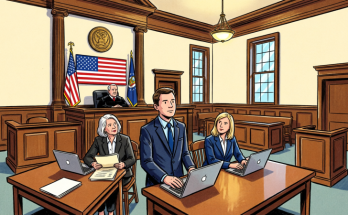
Evelyn did show up, rolling into the courtroom in a wheelchair, face pale, eyes wet. She looked like a grieving mother. A suffering victim. She dabbed at her eyes with a tissue and stared straight ahead like the world had wronged her.
But now that I knew her name might not even be Evelyn, the performance felt hollow. A costume.
When the judge asked her about her relationship to Daniel, she hesitated—just a fraction of a second too long.
“Mother,” she said finally, voice trembling.
Leslie stood. “We have reason to believe that is false,” she said calmly, then presented the marriage license.
Evelyn’s tissue froze mid-dab.
Daniel’s attorney objected. The judge leaned forward.
The courtroom’s air changed, that subtle shift when a story everyone believed begins to crack.
After the hearing, I stepped outside into cold sunlight and felt my hands shake. Renee was waiting by the courthouse doors, her posture casual but her eyes scanning.
“You did good,” she said quietly.
“I didn’t do anything,” I replied. “I just… stopped lying to myself.”
Renee nodded, like she understood exactly how hard that was.
Weeks passed. Then months.
Daniel’s case went from local embarrassment to something bigger. More files surfaced. More claims. More names. A pattern that suggested Heather wasn’t the only one before me.
One evening, Carla called with a tone that made my stomach tighten.
“We found another victim,” she said. “Alive.”
I gripped my phone. “Who?”
“Not Heather,” Carla said. “Another woman. Different city. Similar timeline. She recognized Daniel’s photo from a query we sent out. She said he used a different name, but the mother—Evelyn—looked exactly the same.”
A strange, shaky breath escaped me. Relief that someone had survived, tangled with terror at how far the pattern went.
“Do you think Heather…” I started.
Carla’s voice softened. “We’re still trying,” she said. “But Marina, your evidence is becoming the spine of this case. They can’t wriggle out the way they have before.”
That night, I dreamed of laughter.
Evelyn’s laughter. Soft, lazy, playful.
In the dream, it echoed through endless hallways, bouncing off doors that wouldn’t open.
I woke up sweating and sat in the dark, listening to my building’s quiet. The pipes. The distant elevator. A neighbor’s muffled TV.
Ordinary sounds.
I clung to them like proof I was still here.
Two days later, Detective Sato called with an update.
“We’ve located Heather Lane,” he said.
My heart stopped. “Alive?”
A pause—just long enough to make me dizzy.
“Yes,” he said. “Alive. But she’s not ready to speak publicly yet.”
I pressed my hand against my mouth, tears spilling before I could stop them.
Sato continued, “She left the state and changed her name. She’s been hiding. She agreed to confirm certain facts through counsel. Marina… she said to tell you: she’s sorry she couldn’t warn you.”
I sank onto my couch, shaking.
The con hadn’t started with me.
But it might end with me.
Part 9
Heather didn’t contact me directly. Not yet. Detective Sato said she was still afraid—afraid of Daniel, afraid of being pulled back into a story she’d fought hard to escape. I understood that fear intimately. It’s not the kind of fear that fades when the threat is gone. It’s the kind that rewires you.
But her existence changed something in me.
I wasn’t just a woman who’d been fooled. I was a link in a chain, and chains can be broken if enough pressure is applied at the right point.
The criminal case became public after an arrest was made—not Daniel’s yet, but Evelyn’s. She was pulled over for a minor traffic violation. The officer ran her information and found a warrant tied to fraudulent claims and identity misuse. The bodycam footage later made its way into the news: Evelyn’s face shifting from fragile confusion to sharp rage in the span of a breath
She didn’t look paralyzed in the video.
She looked furious.
Daniel was arrested two weeks later, not in our city, but three states away. He’d been staying in a motel under a different name, trying to access accounts that were already flagged. A cashier recognized him from a bulletin. He tried to charm his way out. The police weren’t in the mood.
Leslie called me the moment it happened.
“They have him,” she said.
I closed my eyes. My chest didn’t flood with joy. It didn’t flood with vengeance.
It flooded with quiet.
Like the moment after a storm when the wind finally stops.
The trial date was set for late spring.
In the months leading up to it, I moved.
Not because I had to, but because I couldn’t breathe in that apartment anymore. It had held too much performance. Too much pretending. Even with Daniel gone, the corners felt haunted by laughter.
I found a small townhouse across town with sunlit windows and a tiny backyard where rosemary grew wild along the fence. Renee helped me carry boxes. Mrs. Donnelly surprised me by showing up with packing tape and an apology that actually sounded like regret.
“I should’ve listened,” she said, pressing the tape into my hands. “I let his story become mine.”
I nodded. “We all do sometimes,” I replied.
On moving day, as I carried the last box to my car, Renee stood by the sidewalk, arms crossed, watching the street.
“You okay?” she asked.
I glanced back at the building. “I will be,” I said. “I think.”
Renee’s gaze stayed steady. “You already are,” she said. “You just don’t recognize yourself yet.”
The townhouse felt strange at first. Too quiet. No wheelchair squeaks. No dramatic sighs. No Daniel’s keys clattering in the bowl by the door.
I began to rediscover small freedoms. Cooking pasta without someone criticizing the seasoning. Taking long showers without rushing. Leaving the house without announcing it.
At night, I still checked locks twice. I still woke up to phantom knocks. Trauma doesn’t pack itself into boxes neatly.
The trial arrived like a fixed star—inevitable, bright, impossible to ignore.
On the first day, Daniel entered the courtroom in a suit that tried too hard, hair neatly styled as if he thought presentation could overwrite evidence. He looked thinner. His eyes scanned the room until they landed on me.
For a moment, the old power flickered in his gaze—an attempt to remind me who he thought he was.
Then he saw Renee sitting behind me.
And he looked away.
Evelyn—if that was still her name—sat at the defense table in a wheelchair again, blanket over her knees. But her hands didn’t tremble. Her expression was controlled, sharp at the edges.
When the prosecution played my footage, the courtroom went silent.
Evelyn standing.
Evelyn walking.
Daniel’s voice: “Keeping the act was worth it.”
Their laughter.
The prosecutor didn’t need to dramatize anything. The recordings did the work. They showed not just fraud, but contempt—the way they spoke about me as if I were furniture.
When it was time for my testimony, my legs felt like they belonged to someone else. Leslie squeezed my shoulder before I walked to the stand.
“Just tell the truth,” she said softly. “It’s been waiting long enough.”
I took the oath and sat down, palms damp against the wood.
The prosecutor asked simple questions at first. Who was I? How long had I been married? When did Evelyn move in? How did caregiving responsibilities shift? What signs made me suspicious?
I spoke clearly. I described bruises. Late nights. Money disappearing. The forged power of attorney. The staged fall in front of witnesses.
Then the defense attorney stood.
He smiled like a man who thought he could still win through performance.
“Mrs. Holloway,” he said, “isn’t it true that you were overwhelmed by caregiving?”
“Yes,” I answered.
“And isn’t it true you were angry at your husband for working late?”
“I was concerned,” I said.
“Concerned,” he echoed, savoring the word. “Or jealous? Suspicious? Isn’t it possible you installed those cameras out of paranoia?”
I met his gaze steadily. “I installed them because my body was bruising and my money was disappearing,” I said. “That’s not paranoia. That’s evidence.”
He shifted tactics. “Did you ever physically handle Mrs. Holloway roughly? In moments of stress?”
The question was meant to plant a seed. To resurrect the Sunday accusation in people’s minds.
I kept my voice even. “I lifted her the way I was trained by her physical therapist,” I said. “And I have footage showing she could stand and walk without my help.”
The defense attorney’s smile thinned.
He tried one last angle. “You claim this woman is not your mother-in-law. Yet you lived with her for two years without verifying. Isn’t that… careless?”
I almost laughed, but not because it was funny. Because it was absurd.
“It’s easy to be deceived when you assume people you love are telling the truth,” I said calmly. “That was my mistake.”
I stepped down from the stand feeling like I’d walked out of a burning house.
Two days later, Heather testified through a recorded deposition, her face partially obscured for safety. Her voice was steady but haunted.
“They did the same thing,” she said. “He married me. She moved in. I became the caretaker. Money disappeared. Then he started talking about how I’d be nothing without them.”
My stomach clenched at the echo.
Heather continued, “When I tried to leave, he told me no one would believe me. He said he’d make me look unstable. I left anyway. I hid.”
When the verdict came, it came clean.
Guilty.
On multiple counts.
Daniel’s face finally cracked—shock, rage, disbelief—like he’d truly believed rules applied only to other people.
Evelyn’s jaw tightened, eyes hard, but I saw something else beneath the hardness.
Fear.
Because the performance was over.
Part 10
Sentencing took longer than the verdict. The judge reviewed impact statements, financial totals, prior patterns. The prosecutor outlined the web—how Daniel and Evelyn had moved between cities, how claims had been filed under different names, how caregivers had been isolated and pressured, how money had been siphoned in careful increments.
I submitted an impact statement, but I didn’t write it like a poem. I wrote it like a report.
Because what happened to me wasn’t a tragic romance. It was targeted exploitation.
I wrote about sleep deprivation. About being told I was imagining things. About the way my home became a stage, my body became a tool, my love became their currency.
I wrote one sentence that surprised even me when it appeared on the page:
The worst part wasn’t that they stole my money. It’s that they tried to steal my sense of reality.
When I read it aloud in court, Daniel didn’t look at me. He stared at the table, jaw working as if chewing on anger.
Evelyn watched me intently, expression unreadable.
After my statement, the judge asked Daniel if he had anything to say.
Daniel stood and smoothed his suit jacket, posture returning like a reflex.
“Your Honor,” he began, voice smooth, “this has been blown out of proportion. My wife—my ex-wife—was under stress. She misinterpreted—”
The judge raised a hand. “Enough,” he said flatly.
Daniel blinked. “I’m sorry if she—”
“I said enough,” the judge repeated, voice sharper. “This court has heard extensive evidence. Your apology is not credible. Sit down.”
Daniel’s face flushed. For the first time, someone with authority refused to be charmed.
Evelyn didn’t speak. She stayed seated, hands on the wheelchair arms. But when the judge referenced the marriage license, the identity inconsistencies, and the pattern of claims, her lips pressed together tightly.
The judge’s sentence was longer than Daniel expected. Not the maximum, but heavy. Years. Restitution. A formal referral to a broader fraud task force.
Evelyn received her own sentence, lighter due to age but still significant—house arrest, restitution orders, and a permanent ban from receiving certain benefits tied to disability claims. The judge also ordered a medical reevaluation under court supervision.
It was over in a legal sense.
But consequences ripple.
Outside the courthouse, reporters asked questions. Cameras flashed. Daniel’s attorney shoved people aside. Evelyn’s face hardened as if she were walking into bright sunlight she couldn’t control.
I didn’t speak to the media. I didn’t want my pain turned into soundbites.
Renee walked beside me to my car, her presence steady. “You okay?” she asked.
I exhaled, long and slow. “I think I am now,” I said.
Renee nodded, then hesitated. “There’s something you should know,” she said.
My stomach tightened. “What?”
Renee glanced toward the courthouse doors. “Evelyn isn’t her real name,” she said quietly. “She has two prior aliases confirmed. And Daniel—his original last name isn’t the one you married.”
I stared at her. “How many?”
“At least three identities in the last decade,” Renee said. “They were careful. But not careful enough.”
I swallowed. “So… who were they?”
Renee’s eyes held mine. “Professional predators,” she said. “The kind who look for caregivers because caregivers are trained to doubt themselves.”
On the drive home, those words echoed in my head.
Professional predators.
It explained so much. The way Daniel had selected me—competent, empathetic, stable income, willing to sacrifice. The way Evelyn’s performance had been flawless, like she’d rehearsed it for years.
My marriage hadn’t been a relationship.
It had been a hunt.
That night, in my townhouse, I sat in my backyard with a blanket over my shoulders and watched the rosemary sway in a mild breeze. The air smelled clean. The sky was clear. My hands wrapped around a mug of tea that was actually hot for once.
I expected to feel empty, like people do when a long fight ends and adrenaline fades.
Instead, I felt something like resolve.
Because Daniel and Evelyn had victims before me. They might have created victims I’d never meet. The only reason they’d been caught was because I’d installed cameras and refused to let my reality be rewritten.
What if other women didn’t have cameras?
What if other women didn’t have a Leslie, a Renee, a Tessa, a system that finally listened?
The next week, I started writing. Not a memoir. Not a dramatic confession. A guide.
How to recognize coercive control. How to document financial abuse. How to protect yourself legally when someone is manipulating your care. How to report fraud anonymously if you need time to plan. Where to find resources.
I posted it online under my first name only.
Within days, messages arrived.
Some were simple. Thank you. I thought it was just me.
Some were long, detailed, heartbreaking. Stories of sick relatives who weren’t sick. Partners who drained accounts under the guise of caregiving. People who used pity as a weapon.
One message, though, made my chest tighten.
It was from a woman named Daniella. She lived two states over.
Her note was short:
I think the woman you call Evelyn tried this with my aunt. Is there a way to contact you privately?
I stared at the screen.
The ripple was becoming a wave.
And then, late that evening, another message arrived—no name, no greeting, just a single sentence that made my blood run cold:
You still don’t know the worst thing they did.
Part 11
I didn’t reply to the anonymous message immediately. I sat with it, letting the fear it sparked move through me without taking control. Fear had been Daniel’s favorite tool. I wasn’t going to hand it back to him just because a sentence appeared on a screen.
Still, I forwarded it to Detective Sato and to Renee. Then I closed my laptop and checked my locks, old habits rising like ghosts.
The next morning, Renee knocked on my door, expression tight.
“We got something,” she said without preamble.
I stepped back to let her in. “From the message?”
Renee nodded, pulling out her phone. “We traced it to a disposable email, but the IP pinged near the county jail,” she said. “It likely came from someone associated with Daniel’s holding unit.”
My stomach turned. “Daniel?”
“Maybe,” Renee said. “Or someone trying to bargain.”
A knock came from my backyard gate. I froze, heart jumping, then realized it was the mail carrier dropping a package over the fence to keep it out of sight.
Renee watched my reaction, then softened. “You’re safe,” she said quietly. “But I need you to understand something: cases like this don’t end when the judge bangs the gavel. They end when the predator stops trying.”
I sat at my kitchen table, hands wrapped around coffee. “What did you mean, you got something?”
Renee pulled up a scanned document on her phone and slid it toward me.
It was a medical report.
Not Evelyn’s.
Mine.
My name at the top. My birthday. My address—my old apartment.
I stared at it, throat tight. “What is this?”
“It was filed,” Renee said, voice controlled, “three months ago. Not in your city. In a clinic network Daniel had access to through a client relationship.”
The room seemed to tilt.
The report described symptoms I’d never reported. It painted a picture of instability—paranoia, mood swings, erratic behavior. It recommended psychiatric evaluation. It suggested I might be a danger to myself or others.
A paper weapon.
My hands trembled as I scrolled. “This is… fake.”
“Yes,” Renee said. “We believe Daniel used it as a contingency. If you tried to expose them, he could brand you as mentally unwell with something that looked official.”
My stomach lurched. The Sunday gathering suddenly felt even colder. Daniel had been rehearsing my downfall with documents, not just whispers.
Leslie had warned me about dirty. But this was calculated.
“How is this legal?” I whispered.
“It’s not,” Renee said. “It’s another charge. But Marina—this is likely what happened to Heather.”
I looked up sharply. “What?”
Renee’s eyes didn’t flinch. “Heather’s file shows a similar report,” she said. “A ‘concerned partner’ described her as unstable. A clinic record appeared, thin but damaging. It didn’t convict her of anything, but it made her easier to dismiss. Easier to isolate.”
My coffee tasted like ash.
A wave of anger rose—not hot, not reckless. Cold and sharp.
“So he tried to medically brand me,” I said, voice low. “To discredit me.”
Renee nodded. “And maybe more.”
Detective Sato called that afternoon. “We confirmed the record is fraudulent,” he said. “We’re adding charges. Also, Marina… we located a storage unit connected to Daniel under an alias.”
My chest tightened. “What’s inside?”
Sato paused. “Wheelchairs,” he said. “Medical props. Insurance paperwork. And… a box of IDs.”
I closed my eyes. Of course. Tools. Costumes. The wardrobe of a con.
Sato continued, “We also found a binder labeled ‘Caregivers.’ It contains profiles—names, workplaces, estimated savings, notes about temperament. Your name is in it.”
My skin went cold.
Profiles.
Estimated savings.
Temperament.
I had been chosen the way people choose prey.
“Is Heather in it?” I asked.
“Yes,” Sato replied. “And several others.”
My throat tightened. “Are any missing?”
Sato’s pause was heavy. “One profile is marked ‘resolved.’ The associated name doesn’t appear in later files. We’re investigating.”
Resolved.
The word made my stomach twist.
After the call, I went into my backyard and sat on the grass, letting the sun hit my face. My hands dug into the earth, grounding myself in something real. Rosemary brushed my wrist, its scent sharp and alive.
I thought about all the times Daniel had told me I was imagining things.
He wasn’t just dismissing me.
He was preparing to erase me, on paper, in systems, in stories others would believe more readily than a woman’s instincts.
That night, I received a letter in the mail—not email this time, but actual paper, sealed in a plain envelope.
No return address.
Inside was a single printed page.
A confession.
Not from Daniel.
From Evelyn.
Or rather, from the person who had played Evelyn.
The handwriting was neat, practiced. The tone was almost amused.
You were never meant to survive the end of this. You lasted longer than most. Congratulations.
My breath caught.
The letter continued:
Danny wanted to move on clean. He said you were getting sharp. He said you had cameras once, before you even knew you had cameras. I told him not to rush. He rushed anyway. That’s his weakness. Mine is pride.
At the bottom was a final line:
Ask Heather what “resolved” means.
My hands shook so hard the paper rustled like leaves in wind.
Renee arrived within minutes after I called her. She read the letter, jaw clenched.
“This is bait,” she said.
“Or a warning,” I whispered.
“Both,” Renee replied.
Leslie advised me not to contact Heather directly without law enforcement guidance. But I couldn’t sit with that word—resolved—like a stone in my throat.
So I asked Detective Sato for permission to send a question through Heather’s counsel.
One question.
What does “resolved” mean?
The reply came two days later.
Heather’s answer was typed, careful, but it hit like a punch:
Resolved means they didn’t just leave. It means they made sure no one could follow.
I stared at the words until they blurred.
Then I looked up at my quiet townhouse, at the sunlit windows, at the rosemary in my yard.
And I realized the final twist wasn’t that Evelyn could walk.
It wasn’t even that Evelyn wasn’t Daniel’s mother.
The final twist was that the cameras hadn’t just saved me from humiliation.
They might’ve saved me from becoming a file marked resolved.
Part 12
The investigators didn’t tell me everything after that. They couldn’t. Active cases don’t unfold like stories; they unfold like knots—tight, slow, patient work.
But Renee stayed close. Leslie stayed sharp. Detective Sato stayed steady.
And I stayed alive, which began to feel like an act of defiance all on its own.
Two weeks after Evelyn’s letter, law enforcement announced additional charges. Not just fraud and identity misuse, but conspiracy, coercion, and falsification of medical records. The phrase “organized scheme” appeared in official statements. Daniel’s face showed up in the news again, no longer as a suspended employee or a messy husband, but as something darker: a repeat offender who used caregiving as cover.
Evelyn—her real name finally released as Maris Caldwell—was shown in a mugshot without her wheelchair. No blanket. No tremor. Just a woman with sharp eyes and a mouth set in stubborn disdain.
When people in my life saw that photo, they reacted in different ways. Some were horrified. Some were fascinated. Some tried to make it into a sensational story, like the kind you binge late at night and forget by morning.
I didn’t let them.
To me, Maris wasn’t a plot twist.
She was a lesson.
The week Daniel was transferred to a longer-term facility pending appeals, I received a final packet from the fraud unit. It included restitution updates and a copy of the protective order extension.
It also included one more piece of evidence from the storage unit: a stack of printed photographs.
Women.
Not explicit, not illegal in that way—just candid shots taken without consent. Women walking to cars. Women carrying groceries. Women entering buildings. Profiles becoming targets.
My photo was there.
Me, in my old work blazer, walking out of my hospital network office with my laptop bag on my shoulder.
Under it, in Daniel’s handwriting:
Strong. Wants approval. Will sacrifice. Keep her tired.
I stared at those words for a long time.
Then I took the photo, held it over my sink, and lit the corner with a match. The flame curled the paper, turning my image into ash.
I didn’t do it to destroy evidence—copies were already filed.
I did it to reclaim myself from his narrative.
Months passed.
My divorce finalized quietly. No dramatic courtroom showdown. Just signatures, stamps, and the strange feeling of seeing my married name become a past tense.
I kept my job, though I transferred departments to avoid the constant reminder of how Daniel had exploited systems adjacent to my work. My supervisor didn’t ask for details. She simply said, “If you need time, take it.”
I started therapy, not because someone told me to, but because I was tired of living in my own nervous system like it was a war zone.
The therapist taught me something simple: trauma makes you feel like you’re always about to be interrupted. Healing is learning that your life can continue without someone slamming a door.
Renee and I stayed friends, though our friendship began in surveillance and ended in something quieter. Sometimes we sat in my backyard and drank coffee. Sometimes we talked about nothing—movies, work, the neighbor’s dog who barked at squirrels like they were burglars.
One afternoon, Renee handed me an envelope.
“From Heather,” she said.
My hands trembled slightly as I opened it.
Inside was a note in simple handwriting:
I’m sorry you became part of this. Thank you for ending it. I’m learning to sleep again. I hope you do too.
At the bottom was a second line, smaller:
Your cameras did what mine couldn’t. You believed yourself.
I held the note against my chest and cried, not from fear this time, but from release.
A year after the trial, I was invited to speak at a small conference about caregiver exploitation—how predators target compassion, how systems can be used as weapons, how documentation can protect people when their reality is being rewritten.
I stood behind a podium in a hotel ballroom with bad carpet and too-bright lights and told a room full of strangers the truth.
Not the sensational truth. The practical truth.
That abuse doesn’t always look like bruises. Sometimes it looks like someone laughing softly in the next room while you’re still trying to be good enough to deserve love.
After the talk, a woman approached me. Mid-thirties. Tired eyes. Hands clenched like she was holding herself together.
“My husband’s mother moved in,” she said quietly. “She says she can’t walk. But sometimes… sometimes I hear footsteps at night.”
My stomach tightened, not with panic, but with recognition.
I took her hand gently. “Believe yourself,” I said. “And don’t confront them alone.”
Outside the hotel, the sun was setting, painting the sky orange and pink like nothing terrible had ever happened. Renee waited by my car, leaning against it with a coffee in her hand, smile small.
“You did good,” she said.
I exhaled and looked at the horizon. “I did what I had to,” I replied.
As I drove home, my phone buzzed with a notification—a comment on the guide I’d posted online a year ago.
It was from an account with no profile picture, no name, just a string of numbers.
The comment read:
They always pick the kind ones. Thanks for teaching them to bite back.
I didn’t know who wrote it. Maybe a survivor. Maybe someone watching quietly from another hallway, deciding whether to trust their instincts.
I turned onto my street, pulled into my driveway, and stepped into the calm of my own home.
The rosemary in my yard had grown thicker, wilder. I brushed my fingers over it as I walked to my door.
Inside, the rooms were quiet—not the tense quiet of a stage waiting for actors, but the gentle quiet of a life that belongs to only one person.
I locked the door once, not twice.
Then I made tea and drank it while it was still hot.
And for the first time in a long time, I laughed—softly, lazily, almost playfully.
But this time, the laughter belonged exactly where it was.
In a house where I was finally free.
THE END!
Disclaimer: Our stories are inspired by real-life events but are carefully rewritten for entertainment. Any resemblance to actual people or situations is purely coincidental.