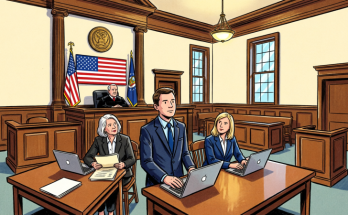
My brother and sister arrived at our mother’s funeral in gleaming rental SUVs, already planning how to split the house—until I opened the safe and dropped a red folder on the table.
“Put a sticky note on that china cabinet,” my sister whispered as soon as we got back from the cemetery.
She thought I didn’t hear her.
My mother had been buried less than three hours.
My brother was already pacing through the living room with a glass of my father’s good whiskey in his hand, eyeing the grandfather clock like he was shopping an estate sale.
For ten years, those two called me the freeloader.
The one who “never got her life together.”
The one who “lived off Mom and Dad.”
Meanwhile, they built shiny lives in big cities. My brother wore expensive suits and talked like every sentence was a boardroom speech. My sister turned her whole life into filtered photos and fake inspiration online.
And me?
I stayed in our little hometown in Ohio and watched my world disappear one piece at a time.
First Dad’s memory went.
Then Mom got sick.
The last twelve years of my life weren’t spent climbing a career ladder. They were spent crushing pills, cleaning sheets, lifting dead weight, rubbing lotion into paper-thin skin, and waking up at three in the morning because Dad was screaming for his mother even though he was eighty-two.
My twenties vanished under fluorescent kitchen lights.
I lived on coffee, eggs, and whatever was cheapest at the grocery store. My back ached. My hands cracked from bleach and hot water. I missed birthdays, weddings, road trips, dinners, whole seasons of life.
People eventually stopped inviting me.
My siblings showed up twice a year like holiday actors.
They brought expensive scarves Mom was too weak to wear, gadgets Dad couldn’t understand, and giant smiles for photos they posted online with captions about gratitude, family, and blessings.
Then they’d leave before dessert because, as my sister once muttered, “This house smells sad.”
Whenever I asked for help, even a little, they gave me the same speech.
We’re stretched thin.
The kids’ tuition is brutal.
The second mortgage is killing us.
Besides, you live there for free.
That phrase stayed under my skin for years.
Rent-free.
As if sleeping on a mattress next to my mother’s room so I could hear her vomiting after treatment was some kind of lucky break.
As if changing my father’s diaper before sunrise was payment enough.
Dad died six months ago.
Mom held on longer than anyone expected.
Last week, she finally let go.
I made the funeral arrangements alone. Picked the flowers alone. Signed the papers alone. Sat alone in the front pew while my brother shook hands like he was running for office and my sister cried loud enough for the whole town to hear.
The neighbors knew the truth.
They had seen me pushing wheelchairs through slush, hauling groceries, carrying oxygen tanks, and standing in pharmacy lines.
So when we got back to the house and my brother clapped his hands and said, “Okay, Emily, let’s talk assets,” something inside me went cold.
“The house should sell fast,” my sister said, scanning the room. “The market’s hot. We split it three ways. You can finally get a small apartment and start over.”
My brother nodded. “I’ll take the clock. Patty wants the jewelry. You can keep the kitchen stuff.”
I looked at both of them.
Really looked.
Perfect clothes. Perfect teeth. Empty eyes.
“The house is not for sale,” I said.
They actually laughed.
My brother leaned back and said, “That’s not your decision. Without a will, it gets divided equally. I already talked to a lawyer.”
I stood up, walked to the hallway closet, spun the safe open, and pulled out the red folder.
When I dropped it on the coffee table, the room went still.
“There is no inheritance,” I said. “Read.”
My sister opened it first.
Then my brother leaned over her shoulder.
And the color drained out of both their faces.
Ten years earlier, when Dad still had enough clear moments to think ahead, my parents sold me the house for one dollar.
Not as a gift.
As a contract.
In exchange, I became their full-time caregiver for the rest of their lives. The paperwork was notarized. The doctor’s letters were attached. Everything was legal, signed, sealed, and impossible to tear apart.
I didn’t buy this house with money.
I bought it with sleep.
With youth.
With panic attacks in the bathroom.
With every meal eaten standing up.
With every night I stayed when they drove away.
My sister started crying for real then.
My brother started shouting words like fraud and manipulation.
I just sat back down, took a sip of cold tea, and let them wear themselves out.
Then I opened the front door.
“Get off my porch,” I said. “And leave the whiskey.”
They left furious.
Fast.
Loud.
But when the door shut and the deadbolt clicked, the silence felt different.
Not empty.
Not lonely.
Holy.
For the first time in twelve years, this house felt like mine.
And deep down, I knew something they were just now learning:
Character always shows up in the end. Sometimes it arrives in a shiny rental car. Sometimes it’s the one who stayed.
Part 2
If you came back for Part 2 thinking the red folder ended it, you have never seen what entitlement can do to blood.
My sister turned me into a thief before sunrise.
My brother turned grief into a threat by breakfast.
At 5:12 the next morning, my phone started vibrating across the kitchen table hard enough to rattle the spoon in my cold coffee.
I had not slept.
I had closed my eyes.
That was all.
The first message was from my sister.
I cannot believe what you did to this family.
The second was from my brother.
You think one folder makes this over? Call me before I take the next step.
Then came the cousins.
Then an aunt I had not heard from in two Christmases.
Then a woman from church who always spoke in a whisper like she was handling glass.
Emily, honey. Maybe there’s been a misunderstanding.
Misunderstanding.
That word almost made me laugh.
For twelve years I had wiped blood, vomit, spilled pills, and every kind of human dignity off bathroom floors.
But sure.
Maybe the confusion was mine.
I opened my sister’s page and there it was.
A black-and-white photo of her in dark glasses outside the funeral home.
Head tilted.
Lip trembling just enough to look brave.
Her caption said:
Sometimes the child who stays behind is not the child who loves hardest. Sometimes they stay close to control the ending.
No names.
No details.
She did not need them.
Everybody in our town knew whose funeral had been the day before.
Everybody knew I was the daughter who had stayed.
The comments were already piling up.
Praying for you.
Families get so ugly over money.
Caretakers can be manipulative too.
There are always two sides.
That last one sat in my chest like a stone.
Because it was true.
There were two sides.
There were always two sides.
The side people could photograph.
And the side that smelled like bleach, sickness, and fear at three in the morning.
I shut the app.
My hands were shaking so bad I nearly dropped the phone.
That was when I saw the envelope.
It had been slid under the sugar jar on the counter.
I knew my mother’s handwriting the way some people know hymns.
Thin loops.
Careful print.
Even sick, she wrote like she was trying not to take up much space.
On the front she had written only three words.
Not tonight, Emmy.
I sat down so fast the chair legs scraped the floor.
For one awful second I thought maybe I had missed it before.
Maybe she had left it days ago and I had walked past it a dozen times while measuring medicine and answering calls and planning a funeral and pretending I was still a person with skin thick enough for all of this.
Inside was a folded note and a small brass key.
The note said:
If they fight, they will fight fast.
Do not answer everything at once.
Do not let loud people rush you into shame.
Go to the attic.
Open the cedar chest.
Take the ledger.
Then eat something.
Love,
Mom
I stared at the word shame until it blurred.
That woman had been dead for three days and she still knew exactly what my brother and sister would reach for first.
Not the law.
Not the truth.
My shame.
The old cedar chest was under the far window in the attic, shoved behind boxes of Christmas lights, school projects, and the cracked bassinet none of us could bear to throw out after Dad died.
Dust rose when I dragged it forward.
I coughed.
The brass key fit on the first try.
Inside were quilts, photo albums, one of Dad’s old flannel shirts, and underneath it all, a leather ledger thick enough to stop a door.
There was also another envelope.
This one said:
After you read the book.
I carried both downstairs.
The kitchen looked the same as it had every morning for a decade.
Pill organizer.
Tea stains.
The yellow notepad where I wrote appointment times.
The crack in the linoleum by the stove.
It had been the control room of our family’s collapse.
Now it felt like a witness stand.
The ledger opened with a dry little groan.
My mother had labeled the first page in block letters.
CARE.
That was it.
Just care.
Not sacrifice.
Not burden.
Not cost.
Care.
Page after page was in her handwriting.
Dates.
Doctors.
Medications.
What Dad had forgotten that day.
How many times he fell that month.
What insurance would not cover.
How many hours I slept.
Which neighbor brought soup.
Which cousin called.
Which sibling promised to come and did not.
I kept turning pages.
March 14.
Emily up 4 times with your father. Changed sheets twice. No help.
May 2.
Patricia says flights are too expensive. Sent photo of flowers instead.
August 19.
Robert says quarter-end is brutal. Cannot come. Asked if Emily could just “hire someone.”
December 23.
Emily feverish but refused to leave me alone. Made her lie on couch between medicines.
February 11.
Sold bracelet to cover in-home night nurse for 3 shifts so Emily could sleep.
I pressed my hand over my mouth.
I had not known that.
Mom had told me the night nurse came out of a leftover medical fund.
I turned more pages.
There were numbers now.
Checks.
Wire transfers.
Cash help.
Every time my parents had bailed out one of my siblings.
Down payment assistance for Robert and Dana: $18,000.
Emergency tuition help for Patricia’s son: $11,500.
Bridge loan during Robert’s job transition: $9,200.
Credit card rescue for Patricia after “business setback”: $7,400.
Vacation already booked; could not cancel. Sent $300 instead.
Too ashamed to tell children we are burning savings. Emily must never know.
I sat back.
The whole room went quiet in a way that made my ears ring.
There it was.
Not in theory.
Not in hurt feelings.
Not in my memory against theirs.
In ink.
My parents had not just chosen me to stay.
They had financed the leaving.
All those years my brother and sister said they were stretched thin.
All those years they acted like I had gotten the better deal because I lived in the house.
All those years Mom had been mailing out pieces of her own security so their lives could keep looking successful from far away.
A banging sound hit the front door so hard I jumped.
Then again.
Then my brother’s voice.
“Emily. Open up.”
I looked at the clock.
8:07.
Of course.
Robert never could let a night pass between losing and demanding a rematch.
I left the ledger open on the table and walked to the door.
I did not open it all the way.
Just enough to see him standing there in the same dark coat from the funeral, hair combed back, jaw set, one hand gripping a large envelope.
My sister stood behind him in oversized sunglasses even though the day was gray.
There was a man beside them in a camel coat holding a slim briefcase.
My stomach turned.
“Seriously?” I said.
Robert lifted the envelope. “This is a formal notice. We have reason to believe our parents were pressured into an unfair transfer.”
The man in the coat cleared his throat, like he wanted it known he was only the messenger and not part of the ugliness.
Patty folded her arms.
“We’re asking for access to the house records,” she said. “And to Mom’s financial documents.”
I looked at the briefcase man.
“Are you their lawyer?”
“I’m delivering correspondence,” he said carefully.
Not yes.
Not no.
Good enough.
I took the envelope.
I did not invite anyone in.
Robert leaned forward like he thought he could force his way through the gap with posture alone.
“You need to be smart here,” he said. “Don’t turn this into something public.”
I almost laughed again.
My sister had posted my name without using it to half the town before sunrise, and now I was the one being warned about publicity.
“What exactly do you think this is?” I asked.
Robert’s voice dropped.
“I think Mom and Dad were vulnerable. I think you isolated them. I think you built your whole life around getting this house.”
That one landed.
Because if you live long enough inside someone else’s illness, you start losing track of what your life is built around.
Love.
Duty.
Fear.
Habit.
Need.
Sometimes they all wear the same face.
Patty stepped up beside him.
“Do you know what people are saying?” she asked. “Do you know how this looks?”
I looked past her at the rental SUV still parked at the curb.
Glossy.
Clean.
Ridiculous.
Then I looked back at my sister.
“I know exactly how it looks,” I said. “That’s why you posted it.”
The sunglasses hid her eyes, but not the little twitch in her mouth.
The man with the briefcase shifted his weight.
“Ms. Carter,” he said to me gently, “it would be best if all parties kept communication civil.”
Civil.
There it was again.
The language people use when one person has spent years drowning quietly and the other two finally get wet at the edges.
I held up the envelope.
“You delivered it,” I said. “Now go.”
Robert’s nostrils flared.
“This is not over.”
“No,” I said. “It isn’t.”
I shut the door.
He pounded once more.
Hard.
Then the porch groaned under retreating steps.
I waited until the SUV pulled away.
Then I locked the deadbolt.
Then the chain.
Then, because my hands were still trembling, I stood there with my forehead against the door and let myself shake.
Half an hour later, Mrs. Keller from next door walked in through the kitchen without knocking the way she had for years.
She had a casserole dish in one hand and pure fury in her face.
“I saw them,” she said.
I nodded.
She set the dish down.
“Your mother would come back from the dead just to slap that boy.”
I made a noise that was half laugh, half sob.
Mrs. Keller wrapped her arms around me before I could pretend I did not need it.
She smelled like soap and onions and the same perfume she had worn since I was thirteen.
“I’m sorry,” she said into my hair. “I’m so sorry the day after burying your mama, this is what you got.”
I did not mean to cry.
I was too tired to stop it.
“I don’t even know what I’m crying about anymore,” I said when I could speak.
“Yes, you do,” she said.
She pulled back and held my face in both hands.
“You’re crying because when people do the wrong thing for a very long time, they start believing it’s their rightful shape.”
I sat with that after she left.
Rightful shape.
Maybe that was the whole disease in our family.
Robert had gotten used to being the successful son.
Patty had gotten used to being the beautiful one.
I had gotten used to being useful.
And once a role settles in, everybody panics when you step out of it.
By noon, the post under my sister’s photo had spread beyond people we knew.
Someone had shared it into one of those giant community groups where strangers discuss weather, school closures, lost dogs, and each other’s sins like they are all one public service.
I should not have looked.
I knew that.
But grief makes fools out of even the quiet ones.
The comments were worse there.
If she lived there for free all those years, of course she planned this.
Caregiving is work. The others should be ashamed.
A dollar house transfer? That sounds shady.
Do you know what elder care costs? She earned every floorboard.
Blood is blood. You split it three ways.
No child should “earn” a parent’s home. That’s sick.
No one who stayed home gets to rewrite history.
Then this one:
Funny how daughters are saints when they sacrifice, but freeloaders while they’re doing it.
I stared at that until my eyes burned.
Whoever wrote it had no idea how close they’d cut.
That was exactly the trap.
While I was doing the work, I was the one who never launched.
Once the asset showed up, suddenly my labor existed.
Only now it was suspicious.
Only now it counted.
Only now people wanted to measure it.
My phone rang again.
Unknown number.
I almost ignored it.
Then I answered.
“Emily?”
It was Reverend Hale.
His voice sounded older than it had at the funeral.
“Your sister called me,” he said.
Of course she had.
“She wants me to encourage peace.”
I sat down.
“What do you want?” I asked.
A sigh came through the line.
“I want to make sure you’re not alone in that house with too much anger.”
I looked at the ledger.
I looked at the empty hallway where Mom’s walker used to catch on the runner rug.
I looked at the chair where Dad once sat for an hour trying to remember what a fork was called.
“I’m not alone with anger,” I said. “I’m alone with records.”
He was quiet for a moment….
Click Here to continuous Read Full Ending Story👉: They Came for the House, but My Mother Left the Real Inheritance Behind_part2