Part 1
The first time I ever learned how to file a tax form, I was sixteen and standing on a chair so I could reach the kitchen counter. Our mom had been gone six months, our dad two years, and the only adult in our apartment was me. The air smelled like dish soap and cheap detergent. Jasmine sat at the table, swinging her legs, humming like nothing could touch her because she still believed someone older would eventually show up and fix everything.
No one did.
So I became the someone.
I learned to braid hair from YouTube and patch holes in socks with needle and thread. I learned to stretch ground beef into three nights of dinner. I learned that when a teacher called and asked for a parent, you didn’t correct them. You said, “This is Sophia,” and you handled it.
For years, that was the whole shape of my life: handle it.
By the time Jasmine was twenty-six, she wore silk dresses and talked about Napa Valley like it was a normal place to get married. She told me Connor Sterling came from “a legacy family,” which was her polite way of saying rich. She said his parents owned a vineyard. She said there would be investors and politicians and editors from lifestyle magazines. She said the wedding was going to be “big.”
When she said big, her eyes shone the way they did when she was a kid holding a Christmas ornament at the store, staring like she could already see it glowing on our tree. She wanted something glittering. She wanted proof that the story didn’t end in our cramped apartment with the peeling linoleum.
I wanted that for her too.
That’s why I flew in. That’s why I agreed to the itinerary that read like a military operation. That’s why I swallowed my dislike of Connor’s smile, the one that always seemed to be measuring what he could get away with.
But the Sterling family didn’t know our story. They didn’t care. They saw a last name that wasn’t theirs and a skin tone that didn’t match their portraits, and they decided what I was before I opened my mouth.
It started at the gate.
The Sterling estate sat behind stone walls and iron bars, the kind of place that looked like it had never heard of a bounced check. I pulled up in a beige rental Honda Civic because my jet had been grounded by a mechanical issue, and my driver was stuck two hours south in traffic. I was tired. I’d been up since four a.m., taking calls, approving contracts, doing the work that kept my company running even when I wasn’t there.
The security guard glanced at my invitation, then glanced at my car, then waved me toward a dirt road like he was shooing a fly.
“Deliveries and staff use the south gate,” he barked.
“I’m not staff,” I said, voice calm.
He snorted. “Sure.”
I could have corrected him with a single phone call. Instead I took the dirt road, because I heard Jasmine’s voice in my head from our last conversation: Just… please, Sophia. Don’t cause a scene. Not this weekend.
So I drove around back like I was something that needed to be hidden.
By the time I parked, the tires had kicked up mud. I stepped out and sank two inches into it. My sneakers were ruined in seconds. I walked toward the service entrance because the main driveway was blocked by catering trucks and flower deliveries.
Inside, the house was cold with air-conditioning and hot with entitlement. People moved around with clipboards and headsets. Someone rushed past me carrying a box of candles like they were transporting diamonds.
I was wiping mud off my shoes when a man strode out of a library with a glass of scotch in his hand.
Preston Sterling.
He looked like the kind of man who’d never had to check a price tag. Cream linen suit. Silver hair cut perfectly. That calm, lazy confidence of someone who believes the world is a room built for him.
He stared straight through me.
Then he spoke, loud enough for the nearby guests and staff to hear.
“You are just the help, so learn your place and take this trash to the dumpster.”
He shoved a dripping black bag into my chest.

The plastic was slick, and something cold leaked through it onto my hoodie. My hoodie wasn’t just a hoodie, either. Limited edition. Gift from my lead engineer after we closed our biggest deal. It was stupid to care, but in that moment it felt symbolic. Everything I owned had always been earned, and this man was staining it like it didn’t matter.
People nearby snickered. A woman with perfect hair covered her mouth as if laughter needed manners. A man in a blazer smirked like watching someone get humbled was entertainment between courses.
Preston walked away muttering about incompetence, not even waiting to see if I obeyed.
I stood there holding his garbage, feeling heat rise in my cheeks. Not embarrassment. Not exactly.
Recognition.
Because I’d seen this type before. Not in Napa, but in boardrooms. The kind of person who mistakes quiet for weakness and thinks humiliation is a tool. The kind who forgets that some people don’t fight with fists.
They fight with paperwork.
In my pocket, behind my phone, was a folded document I’d printed on the plane. A foreclosure notice stamped with today’s date. The name on it was Preston Sterling’s.
He didn’t know that.
He also didn’t know that forty-five minutes ago, while he was rehearsing his toast about legacy, my legal team had finalized the purchase of Sterling Shipping’s distressed debt portfolio. Not because I’d been hunting him specifically at first, but because my firm bought debt the way other people bought real estate: as strategy.
Then I’d heard Connor brag. I’d heard Preston sneer. I’d watched Jasmine shrink.
And I’d told my team: Buy it now. I don’t care what the premium is.
Now, the debt was mine. The lien was mine. The leverage was mine.
I looked at the garbage bag in my arms and smiled.
It wasn’t a nice smile.
It was the kind of smile you give when someone has just handed you proof they have no idea who they’re dealing with.
I didn’t take the trash to the dumpster. I carried it into the nearest service hallway, set it down carefully like it was evidence, and walked into the rehearsal dinner like nothing had happened.
Because the Sterlings thought the humiliation was the beginning.
For me, it was the moment I stopped trying to be invited into their story and decided to rewrite the ending.
Part 2
The rehearsal dinner was staged like a magazine spread: candles, white flowers, crystal glasses, a string quartet playing something soft enough to feel expensive. Every surface gleamed. Every laugh sounded practiced.
My name was written on a crumpled napkin at the end of the long mahogany table, right next to the swinging kitchen doors where servers rushed in and out. The exile seat. The place for people you wanted present but not seen.
I sat anyway.
Across the room, Jasmine looked like a doll placed on a shelf. Hair perfect, makeup flawless, smile tight. Connor leaned in close, whispering something that made her laugh too loudly. When her eyes flicked toward me, she looked away fast.
The sting of that was worse than Preston’s trash bag.
Because Preston was a stranger. Jasmine was the little girl who used to fall asleep on my shoulder on the bus ride home, her head heavy and trusting.
Victoria Sterling, Connor’s mother, finally noticed me halfway through the first course. She wore pearls the size of marbles and a smile that never reached her eyes.
“So, Sophia,” she said, voice bright enough to cut glass, “Jasmine tells us you’re in shipping.”
Around the table, conversation slowed. People leaned in slightly, hungry for hierarchy.
“Yes,” I said. “Logistics and supply chain.”
Victoria made a pitying sound. “Oh, that must be exhausting. Do your knees hurt from lifting all those heavy boxes all day?”
A few people chuckled politely.
She thought I was a delivery driver. The implication was so deliberate it almost impressed me.
Connor didn’t correct her. He didn’t even look at me. He kept cutting his steak with aggressive motions, then lifted his head and smiled like a warning.
“Mom, stop,” he said lazily, but he wasn’t stopping her. He was performing. “Honest work is honest work, right, Sophia?”
He winked. Not friendly. A reminder.
Then he added, for his friends to hear, “As long as it’s legal, of course. We know how easy it is for people from… certain neighborhoods… to get caught up in the wrong kind of hustle.”
The air left the room.
That was the moment I understood the Sterlings’ version of humor: insult you, then pretend you’re sensitive if you react.
My grip tightened on my spoon. I kept my face calm.
And I watched Jasmine.
She lifted her wine glass and laughed along with them—small, brittle, desperate. Like she was paying admission to stay in the room.
That laugh hit me like a punch.
After dinner, I found her in the bridal suite. The room was massive, bigger than our entire old apartment, but she looked smaller inside it. She sat on the edge of the bed with her face in her hands. Mascara streaked down her cheeks like cracks in porcelain.
When I stepped in, she flinched.
“Sophia, please,” she whispered. “Don’t yell.”
“I’m not here to yell,” I said, and my voice surprised me with how calm it was. “I’m here to understand why you just let them talk about me like I’m a criminal delivery driver.”
She wiped her eyes quickly. “They’re just… different. They joke like that.”
“So you laughed,” I said. “Because you’re scared they’ll think you don’t belong.”
Jasmine’s chin lifted defensively. “You don’t know what it’s like. Connor says if I play along and the wedding goes smoothly, his dad will finally give him his shares.”
I stared at her. “Shares in what?”
“In the company,” she snapped. “Millions, Sophia. We’ll be set.”
There was a document on the vanity table, bound in blue paper with sticky notes. I recognized the formatting before I even touched it.
Prenuptial agreement.
“What is this?” I asked, reaching for it.
Jasmine lunged. “Don’t. It’s private.”
I flipped to the flagged page anyway. My blood went cold.
Clauses about weight gain. Clauses about annulment. Clauses that said anything she created during the marriage would belong to Connor. Clauses that stripped her down to a possession.
“Jasmine,” I said softly, “did you read this?”
She looked away. “Connor explained it. He said it’s standard.”
“Standard for owning you,” I said.
Her eyes flashed. “He loves me.”
“That’s not love,” I said. “That’s a cage with a ribbon on it.”
Jasmine’s voice cracked. “If I don’t sign, the wedding is off. Everyone’s here. I can’t be the girl who got dumped at the altar.”
There it was. The truth underneath everything: she was terrified of being nobody again.
I set the prenup down slowly. “Fine,” I said, voice flat. “Sign it. But remember this moment. Remember I warned you.”
Jasmine’s face twisted like I’d slapped her. “You’re being cruel.”
“No,” I said. “I’m being honest.”
I walked out and stood in the hallway lined with portraits of Sterling ancestors staring down like they owned oxygen.
My phone buzzed with an email from my legal team.
Acquisition finalized. Wire transfer cleared.
I stared at the subject line and felt the anger in my chest cool into something sharp and usable.
Then, as if the universe wanted to hand me the final ingredient, I heard voices from behind a slightly open study door.
Preston’s booming baritone. Connor’s younger, smug voice.
I pressed myself against the wall and listened.
They were talking about money. About a wire transfer. About Ocean Bank. About a deadline. Then Connor laughed and said the words that made my vision go tunnel-narrow.
“Jasmine transferred it this morning. Five hundred grand. She thinks it’s for that house in the hills. She believes whatever I tell her.”
Preston chuckled. “Using the sister’s money to pay off the father’s debt. Poetic.”
My hand slid into my pocket. I opened my voice recorder and hit record.
I captured every word. Every laugh. Every admission.
When I stopped recording, my hand was steady.
They weren’t just insulting me.
They were stealing from us.
I looked down the hallway toward the glow of the party lights and realized something with brutal clarity.
They thought Jasmine was the prize.
They thought I was the wallet.
Tomorrow, they were going to learn the difference between a wallet and a weapon.
Part 3
The wedding morning arrived bright and aggressive, the kind of sunshine photographers love because it makes everything look clean.
Nothing about this weekend was clean.
I showed up to the ceremony and walked straight to the front row on the bride’s side because tradition wasn’t something the Sterlings got to rewrite. Our parents were gone. I’d been the one who signed permission slips, paid tuition, sat through fevers, and worked until my back hurt so Jasmine could have choices.
That seat belonged to me.
It was full.
Three men in gray suits sat there, whispering to each other like they were discussing a merger.
I recognized the look instantly: bankers.
A wedding planner with a headset grabbed my arm and steered me backward.
“Miss Sophia, we made a last-minute adjustment,” she hissed, smile painted on like a mask.
She marched me past the second row, the third, the friends and cousins, until we reached the last row near the catering tent. The smell of dish soap and grease floated over the roses.
“This is a great spot,” she chirped, then dropped her customer-service voice. “Mr. Sterling was very specific. Front rows are for VIPs and key stakeholders.”
Key stakeholders.
Not the woman who raised the bride.
I sat because I wanted to see exactly how far they’d go.
The music swelled. Jasmine appeared at the top of the aisle, stunning in lace I’d paid for, glittering like a fantasy. Her eyes darted across the crowd and found me sitting by the kitchen tent.
Shame flashed across her face.
Then she looked away.
A tall, silver-haired man stood up from the second row and offered his arm.
I froze.
I’d never seen him before.
He walked to Jasmine and the officiant asked, “Who gives this woman to be married to this man?”
The stranger’s voice filled the garden. “I do.”
A murmur rippled through the guests.
I glanced down at the program and saw it printed in elegant script.
Bride escorted by Uncle Arthur.
We didn’t have an Uncle Arthur.
They’d hired an actor. A paid, photogenic stand-in to give Jasmine away because having me do it didn’t fit their aesthetic.
Jasmine took his arm and smiled up at him.
She accepted the lie.
Something inside me crumbled. Not rage. Not heartbreak.
A quiet, final understanding.
Jasmine had been choosing this illusion for a long time. I’d been the safety net she assumed would stay stretched beneath her no matter how hard she stomped on it.
Connor started his vows. He spoke about sheltering her, providing for her, building a world through his hard work.
Hard work.
He looked like a prince in his tuxedo. If you didn’t know him, you’d believe him. But I’d heard him laughing in that study, calling her clueless.
Then came the lie that made my teeth ache.
“Just like I worked tirelessly to buy our dream home in the hills,” Connor said, squeezing Jasmine’s hands, “I promise to work every day to make sure you never want for anything.”
He was claiming my money as his sweat.
The guests sighed, charmed. Jasmine beamed, believing him or pretending she did.
A waiter bumped my shoulder and sloshed red wine down my sleeve. The stain spread across my dress like blood.
The waiter muttered, “Oops,” and walked away.
Preston turned around in his seat, saw the stain, and smirked.
He wanted me dirty, out of place, quiet.
I sat up straighter and ignored the wine.
Because the ceremony was just the trailer.
The reception was where the truth would play on the biggest screen in the room.
Part 4
The reception tent was a cathedral of silk and chandeliers. Cold air-conditioning fought the heat outside. The smell of lilies mixed with expensive perfume and the faint tang of wine drying on my dress.
My table was in the back corner by the kitchen doors. Again.
I sat down anyway.
Preston Sterling took the stage with a microphone like it was a crown. He praised legacy, expansion, prosperity. He toasted Ocean Bank’s “belief” in their vision while the bankers sat stiff, eyes cold.
Then Preston’s gaze found me.
The spotlight hit my table, blinding.
“And of course,” Preston said, voice dripping with pity, “we must acknowledge the bride’s family. Or rather, her sister, since she’s all Jasmine has left.”
He gestured at me like I was a sad charity case at an auction.
“Sophia,” he continued, “the quiet sister, the one who works in the shadows. Jasmine tells us you’ve had a hard life. Manual labor. Warehouses. It warms my heart to welcome you into a world you’ve probably only seen in movies.”
Laughter. Polite, cruel.
“It’s Dom,” he said, lifting his glass. “Quite different from the beverages you’re used to. But drink up. Tonight you get to taste what real success feels like.”
He raised his glass. “To Sophia. The help.”
The room responded with a wave of clinking crystal and half-smiles.
Then Preston stepped off the stage and walked straight toward me.
He carried a white styrofoam takeout box, ugly against the fine linen.
He set it on my table with a hollow thud.
“Here,” he said loudly. “Eat up quickly and then clear out. We need this table for the dessert station.”
He tapped the box. “Pack your leftovers. I know how rare a meal like this is for people like you. Take it home. It’ll probably feed you for a week.”
The laughter was louder this time. Connor’s friends roared. Bridesmaids giggled behind their hands.
Jasmine sat thirty feet away, eyes shiny, fork frozen. She heard everything.
She didn’t stand.
Preston waited for me to take the bait. To cry. To shrink. To grab the box and run.
Instead, I pushed my chair back.
The scrape of metal against wood cut through the laughter like a knife.
The room quieted.
I stood, smoothed the front of my stained dress, and looked straight at Preston.
Then I walked toward the stage.
Preston’s smile faltered. He leaned toward the bandleader, whispering urgently, but the music was already dying. Heads turned. Conversations dissolved into that hungry silence people get when they sense a public scene.
I climbed the steps, reached for the microphone, and took it from the stand before Preston could stop me. Feedback squealed once, sharp and brief.
I tapped the mic twice.
Boom. Boom.
The tent fell silent.
I looked out at the room—at bankers and investors, at Connor’s smug friends, at my sister sitting in a dress bought with my labor, at Preston’s face tightening with fear because he could feel control slipping.
Then I looked at Preston and asked, calmly, clearly, loud enough for everyone to hear:
“Do you even know who I am?”
His face went pale.
Not offended pale. Not annoyed pale.
Panic pale, like a man who just realized he’s been yelling at the person holding the deed to his house.
I didn’t wait for him to answer.
“You’ve been calling me the help all weekend,” I said. “You’ve been joking about my work, my life, my background. You’ve been throwing trash and leftovers at me like humiliation is a hobby.”
I held up my phone. “So let’s talk about work.”
With a single tap, I connected to the venue’s screen. The slideshow of Connor and Jasmine’s engagement photos vanished.
A bank statement appeared, blown up so large the back tables could read it.
“This,” I said, pointing, “is a wire transfer from yesterday morning. From my account. Sophia King. Five hundred thousand dollars.”
Gasps. Whispers. Phones came out.
“And this,” I continued, swiping, “is the next transfer fifteen minutes later. From Jasmine’s account to Connor’s personal checking.”
Connor’s head snapped up. His jaw went slack.
“Connor told you he bought a house in the hills with his hard work,” I said. “Looks like the only thing Connor knows how to build is a withdrawal from my bank account.”
Preston lunged a step forward, sputtering, but I lifted one hand. He stopped like he’d hit a wall.
“And that’s just the beginning,” I said.
I swiped again. A credit card statement appeared with my name at the top.
“The wedding dress. Paid by me. The flowers. Paid by me. The venue deposit. Paid by me.”
I looked at the table of laughing frat boys. “Every bite of steak you just ate? Every sip of champagne you just drank? Paid by the woman you’ve been mocking.”
The laughter had died completely now. People were staring at Preston like he’d suddenly turned into a clown.
Preston’s mouth opened and closed. He looked toward Ocean Bank’s men in gray suits like they could save him.
I smiled at him, finally.
Not a nice smile.
“Now,” I said, voice turning colder, “let’s talk about Preston Sterling’s idea of success.”
I pulled a blue folder from my bag and held it up.
“This morning,” I said, “Ocean Bank liquidated a portfolio of non-performing Sterling assets.”
I looked directly at the lead banker. “Mr. Smith, did the bank sell Sterling’s debt this morning?”
Mr. Smith stood slowly, tie suddenly tight against his throat. He looked at me, not Preston.
“Yes,” he said quietly. “The bank initiated liquidation due to default.”
“And who purchased it?” I asked.
Mr. Smith swallowed. “A private equity firm called Sophia Holdings LLC.”
The words hit the room like a dropped plate.
Preston made a choked sound.
I opened the folder and held up the document with the county seal.
“I’m not the help,” I said, staring into Preston’s face while his skin drained of color. “I’m the owner.”
Then I lowered the folder slightly and said the line I’d been saving since he shoved garbage into my chest:
“And I think it’s time we discuss rent.”
Part 5
Preston tried to recover the way bullies always do when words fail: with force.
“Security!” he shouted, voice cracking. “Get her off the stage! Remove her!”
Four guards shifted near the tent entrance, big men hired for intimidation. For half a second, the old social script tried to reassert itself: rich man commands, staff obeys.
I didn’t move.
I turned my head and looked at the head of security, a man named Mike, whose eyes kept darting to his phone like he was waiting on a paycheck.
“Mike,” I said calmly, “check your bank app.”
The tent stayed silent as he hesitated. Then, slowly, he pulled out his phone. The other guards did too, following his lead.
Preston waved his arms. “Don’t listen to her! I’m paying you!”
Mike’s face changed as he read his screen. Confusion. Then anger.
“It bounced,” Mike said, voice rough. “Insufficient funds.”
Preston’s throat worked like he was choking on his own pride. “That’s a mistake. I’ll fix it Monday.”
I reached into my bag and pulled out a thick stack of crisp hundred-dollar bills. Not a flex. An emergency habit from years of dealing with volatile assets and unpredictable rooms.
I tossed the cash to Mike.
He caught it. Counted it fast.
“I’m hiring you now,” I said. “Your job is to make sure nobody removes me from this stage. Especially Mr. Sterling.”
Mike crossed his arms again.
But this time, he was guarding me.
Preston stood there, abandoned by the muscle he thought he owned. His wife, Victoria, looked like she might faint. Connor’s face had gone the color of dishwater.
I didn’t even enjoy it yet, because business wasn’t the point. Jasmine was.
I turned toward her table.
“Jasmine,” I said into the microphone, and my voice softened the smallest amount. “Look at the screen.”
Her hands were shaking. Tears slid down her face. She stared at the timestamps, the numbers, the truth laid out in black and white.
Connor lurched up from his chair, trying to wedge himself between her and reality.
“Baby, don’t listen to her,” he hissed, grabbing her arms too tightly. “She’s jealous. She’s trying to ruin us.”
I watched his knuckles whiten on her skin and felt something old and protective flare in my chest.
I stepped down from the stage and walked straight toward them.
The crowd parted instinctively, making a path like they could sense a storm.
Connor tried to block me.
“Stay away from her,” he spat. “You’ve done enough damage.”
I ignored him completely and looked at Jasmine.
“You have a choice,” I said quietly. “And you have one minute to make it.”
I held up another paper from my folder—foreclosure notice, stamped and sealed.
“This is reality,” I said. “The money is gone. The status is gone. The only thing left is truth.”
Connor’s voice rose in panic. “That’s fake!”
I didn’t even look at him. I looked at my sister.
“That man,” I said, nodding toward Connor, “is a liar. He stole from us. And his father treated me like trash because he thought I couldn’t do anything about it.”
Jasmine’s eyes darted to Preston, who stood rigid, face pale, hands trembling.
Then Jasmine looked down at her ring.
The massive diamond Connor had presented with fanfare, calling it a family heirloom worth fifty thousand dollars.
Under the chandelier lights, it glittered.
But now Jasmine stared at it like she was seeing it for the first time.
She turned her hand slightly. The stone caught light too perfectly. Too shallow. Like a cheap trick.
Connor noticed and went still.
Jasmine’s voice came out small. “It’s fake,” she whispered.
Connor blinked fast. “What?”
“The ring,” Jasmine said, louder now. “It’s fake, isn’t it?”
Connor’s charm cracked. “It’s a high-quality simulant,” he snapped. “What does it matter? It looks real.”
Something in Jasmine’s face shifted. Like a door unlocking.
“It matters,” she said, voice gaining strength. “Because I am real.”
Connor tightened his grip. “Stop—”
Jasmine yanked her arm free with a sharp motion, a reclamation. She pulled the ring off, scratching her finger in the process, but she didn’t care.
“You wanted a trophy wife,” she said, tears streaming but chin high. “You wanted a bank account.”
She stepped back, creating space.
“Well,” she said, and the words landed like a final gavel, “the bank is closed.”
She threw the ring.
Not gently.
It hit Connor in the cheek with a sharp crack and dropped into the grass.
Connor stumbled back, clutching his face, shock turning to rage.
“You crazy—” he shouted. “You’re nothing without me!”
Jasmine wiped her cheeks and looked at him with a calm that terrified him.
“I may be a girl in a dress,” she said, voice steady, “but at least I own the dress. You don’t even own the suit you’re wearing.”
She turned away from him.
And then she looked at me.
She walked the five steps between us like they were the hardest steps of her life.
Then she reached out and took my hand.
“Let’s go home,” she whispered.
My chest tightened so hard it hurt.
I squeezed her hand back. “Let’s go home,” I said.
Behind us, Connor screamed her name. Preston shouted for someone to stop us. Guests stood frozen, mouths open, watching the Sterling dynasty collapse in real time.
We walked out into the night anyway.
And for the first time in years, Jasmine exhaled like she’d finally stopped holding her breath for someone else’s approval.
Part 6
Outside, the air was crisp and smelled like damp earth and freedom.
Jasmine shivered in her strapless gown, shoulders bare. Without breaking stride, I slipped off my blazer and draped it over her. She clutched it tight like it was armor.
We reached the circular driveway where the valet stand had been abandoned. My beige rental Civic sat off to the side, dusty under flood lights.
Jasmine looked at it, then at me, confusion in her eyes. Like she expected the escape to match the humiliation: two sisters fleeing in the same cheap car the guard had mocked.
Headlights cut through the darkness at the far end of the driveway.
A low, deep rumble rolled over the gravel, vibrating in my chest.
A black Phantom glided forward, midnight paint swallowing the light like water. The car stopped in front of us, and my executive assistant, David, stepped out in a tailored suit, opening the passenger door with gloved hands.
“Good evening, Ms. King,” he said, calm as if retrieving a car after dinner was a normal part of weddings.
Jasmine’s mouth fell open. “Sophia… is this…”
“It’s ours,” I corrected gently, because the word mattered. “Not his. Not theirs. Ours.”
She slid into the passenger seat, sinking into soft leather like she’d been promised luxury by a liar and finally received it from someone who never asked her to shrink.
I took the driver’s seat. My hands felt steady on the wheel, not because I was cold, but because this was the part I understood: moving forward.
As I started the engine, a frantic figure stumbled out of the darkness and slammed hands against my window.
Preston.
His tuxedo was rumpled. His face slick with sweat. He looked less like a patriarch and more like a man who’d just watched his life evaporate.
“Open the window!” he shouted, voice muffled by the glass.
I lowered it two inches.
Preston jammed his fingers into the gap like he could physically stop the car from leaving.
“Please,” he panted. “Be reasonable. Think about my reputation. Think about the humiliation.”
I stared at him.
He wanted to negotiate dignity like it was a payment plan.
“Dignity,” I repeated softly. “You threw that away when you decided my humanity was less important than your aesthetic.”
Preston’s eyes flickered, frantic. “We can work something out. Monday. Just give us until Monday.”
I leaned closer to the gap so he could see my eyes clearly.
“You’re still talking like time belongs to you,” I said. “It doesn’t.”
His fingers trembled.
“Where was my dignity,” I continued, voice quiet, “when your guard sent me through the mud? Where was Jasmine’s dignity when you made her sign a contract that treated her like property? Where was my dignity when you shoved garbage into my chest?”
Preston’s mouth opened, but no words came.
I let the silence stretch until his breathing slowed.
Then I said, “Do you want to know who I am?”
His face went even paler.
“I’m the person who raised the bride you just tried to break,” I said. “And I’m the person you should have treated with respect before you handed me your weaknesses like a gift.”
I pressed the window button. The glass rose. Preston yanked his fingers back just in time, shouting obscenities as the gap sealed.
I shifted into drive.
The car moved forward smooth and unstoppable, leaving Preston in the driveway under the red glow of taillights.
At the main gate, blue and red lights flashed against the stone wall.
Three black SUVs with federal plates blocked the entrance. Agents in windbreakers marked FBI and IRS moved with quick purpose.
I stopped and lowered my window fully this time.
An agent stepped up, clipboard in hand. “Ms. King?”
“That’s me,” I said.
“Thank you for the digital evidence package forwarded to our field office,” he said, professional and calm. “We have a warrant for Preston Sterling for wire fraud, tax evasion, and embezzlement. We’re moving in to secure the suspect.”
I nodded once, eyes on the road ahead.
“He’s in the driveway,” I said. “The one yelling at my exhaust.”
The agent signaled his team. Vehicles surged past us into the estate like the law finally showing up to a party it should’ve ended years ago.
I drove through the open gate, leaving the Sterling property behind.
Inside the car, the silence was deep.
Jasmine stared out the window at the vineyard blurring into darkness. Then, softly, she said, “We’re homeless.”
I kept my eyes on the road. “We’re not homeless,” I said. “We’re between castles.”
Jasmine let out a small laugh that sounded like relief trying to learn how to exist.
After a minute, she whispered, “I waited my whole life to be Cinderella.”
I glanced at her. “Yeah?”
“I thought if I was good enough, quiet enough, the prince would come,” she said. “But you… you never wanted to be Cinderella.”
“No,” I said.
Jasmine’s eyes shone in the dashboard light. “You were the dragon,” she murmured. “Guarding the mountain. Burning the kingdom down to get me out.”
My grip tightened slightly on the wheel as the truth settled into me.
Society teaches women like us to wait to be chosen.
I’d learned to build instead.
And as the city lights appeared on the horizon, I knew the real ending wasn’t what happened inside that wedding tent.
The real ending was what happened after.
What we built when nobody was watching.
Part 7
For the first week after the wedding, Jasmine slept like someone recovering from a long illness.
She stayed in my penthouse guest room, curtains drawn, phone turned off, living in the quiet like it was something fragile she wasn’t sure she deserved. Sometimes she’d wake up and ask, “Was it real?” like the Sterling estate had been a nightmare.
I’d sit at the edge of her bed and say, “It was real. And it’s over.”
Connor tried every route he could think of.
First, he texted apologies from unknown numbers. Then he emailed “explanations.” Then he sent a message through a mutual friend claiming he’d been manipulated by his father. The whole time, he never once said, I’m sorry I stole your money.
He only said, We can fix this.
Like he thought love was a contract you renegotiate when the numbers change.
I didn’t respond.
My attorneys did.
They froze accounts, filed claims, secured restitution. The five hundred thousand Connor had rerouted became evidence, not leverage. The recording I’d made outside the study door became the spine of the case. Preston’s debts, already mine through the portfolio purchase, turned into a web of financial misconduct as investigators traced where he’d been hiding money and how long he’d been lying to lenders.
The press tried to turn it into a spectacle.
Headlines about a “billionaire sister” and a “wedding collapse” and “Napa scandal.” People love a story where the rich eat each other.
But the story wasn’t about wealth.
It was about power and what it does to people who think they’re untouchable.
Jasmine didn’t read the articles. She started therapy instead.
The first session, she came home pale and quiet. She sat on my couch and stared at her hands.
“What did she say?” I asked gently.
Jasmine swallowed. “She asked me when I first learned to shrink.”
The question hit me too.
Jasmine looked up, eyes wet. “I think I learned it with Mom,” she whispered. “After she died… I watched you work yourself into the ground. And I thought if I needed less, it would make it easier for you.”
My throat tightened.
“I tried to be easy,” she said. “Connor… he felt familiar. Like if I stayed quiet, I’d be safe.”
I leaned back, letting the words settle.
“You were never a burden,” I said.
Jasmine’s face crumpled. “I know that now,” she whispered. “But I didn’t then.”
One night, after she’d been with me two months, she stood in my kitchen watching me cook pasta and said, “I want to work.”
“You don’t have to,” I told her automatically.
“I know,” she said. “That’s why I want to.”
She found a small studio space and started painting again—big canvases, bold strokes, messy color. At first the work was angry. Reds and blacks like bruises. Then slowly, the colors shifted. Blues. Gold. Greens that looked like breath.
At the same time, I dealt with the vineyard.
Yes, the vineyard.
Buying the debt meant I wasn’t just holding leverage. I’d become the legal owner of a property Preston had been pretending was untouchable.
My advisors asked what I wanted to do with it.
Sell it? Flip it? Turn it into a luxury resort?
I drove up there on a quiet Tuesday with no cameras, no entourage. Just me.
The gates had been repainted. The Sterling nameplate was gone. The house looked smaller without Preston strutting through it like a king.
I walked through rooms that still smelled like expensive cologne and entitlement and thought about the mud road they’d forced me down.
Then I made my decision.
I converted the estate into a training and retreat center for my company’s scholarship program—one I’d quietly funded for years. We brought in students who’d grown up like we did, kids who’d been told they didn’t belong in rooms with chandeliers.
They belonged now.
We taught them finance, tech, negotiation, and how to spot predatory contracts. We taught them that “standard” clauses aren’t always standard, and the word “legacy” is meaningless if it’s built on exploiting people.
The first group arrived in spring. Jasmine came with me. She walked the grounds in jeans and a hoodie, hair pulled back, looking like herself again. Not a bride. Not a trophy. A woman.
We stood near the garden where she’d walked down the aisle behind a fake uncle.
She stared at the archway for a long moment and then let out a slow breath.
“I can’t believe I let them do that,” she said quietly.
“You were surviving,” I replied. “Now you’re living.”
Jasmine nodded once, and when she turned to me, her eyes were clear.
“I’m going to sign my own name from now on,” she said. “Not somebody else’s.”
A year later, Connor took a plea deal. Preston’s assets were liquidated. Victoria moved into a condo and tried to tell anyone who would listen that she’d been “tricked.” Nobody cared.
The Sterlings lost their empire the same way they built it—through paperwork.
Meanwhile, Jasmine’s first gallery show sold out.
At the opening, she stood beside her paintings and talked to strangers with a calm confidence I’d never seen on her before. She introduced herself simply.
“I’m Jasmine King,” she said.
Not Sterling.
King.
At the end of the night, after the last guest left, she found me near the back wall and hugged me so hard it made my ribs ache.
“I’m sorry,” she whispered.
I held her tighter. “I know.”
And for the first time since Mom died, the apology didn’t feel like guilt.
It felt like a door opening.
Part 8
Two years after the wedding, Jasmine got an invitation in the mail.
Not from Connor. Not from Victoria.
From the county court.
A victim impact hearing.
Jasmine stared at the envelope on my kitchen counter like it was a snake. “Do I have to go?” she asked.
“No,” I said. “But you can if you want to close the loop.”
She thought about it for a full day. Then she nodded. “I want to.”
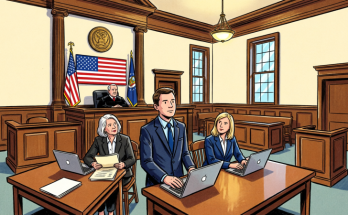
In court, Connor looked smaller without a tuxedo, without chandeliers, without an audience trained to clap. He wore a suit that didn’t fit quite right and sat hunched like his own shadow embarrassed him.
When Jasmine stepped to the microphone, the room held its breath.
She didn’t cry. She didn’t yell.
She spoke clearly.
“I thought love was something you earned by becoming less,” she said. “I thought if I stayed quiet, I’d be safe. You taught me that was wrong.”
Connor’s jaw tightened.
Jasmine continued. “You didn’t just steal money. You tried to steal my voice. My choices. My name.”
She lifted her chin. “You failed.”
The judge sentenced him. Not dramatically. Just firmly. Consequence, delivered in plain language.
Outside the courthouse, Jasmine exhaled and looked at the sky like she’d been holding her breath for years.
“That’s it,” she whispered.
“That’s it,” I agreed.
That fall, we hosted Thanksgiving at my place.
Not because we needed a holiday to prove anything, but because we wanted one without performance. My assistant tried to hire a chef. Jasmine vetoed it immediately.
“We’re cooking,” she declared.
We made a mess. We burned one batch of rolls. We laughed. We ate anyway.
A small group came: friends who’d become family, a couple of employees from the scholarship program, and Ryan from my board who’d grown up in foster care and understood what it meant to build your own table.
After dinner, Jasmine stood up holding a glass of sparkling cider and looked around the room.
“I used to think family was the people who gave you a seat,” she said. “But I learned family is the people who stand up when you’re being erased.”
She turned toward me.
“And this is the part that matters,” she said, voice steady. “Sophia raised me. Alone. She didn’t do it because she had to. She did it because she loved me.”
My throat tightened.
Jasmine smiled through shining eyes. “And I’m done letting anyone pretend she’s the help.”
Everyone lifted their glasses. The room felt warm, not because of money or crystal or candles, but because nobody in it was trying to make anyone smaller.
Later, after the guests left and the dishes were stacked, Jasmine sat with me on the couch.
“I used to want a prince,” she said, laughing softly at her old self.
I glanced at her. “What do you want now?”
She thought for a moment, then said, “A life where I don’t have to ask permission to exist.”
I smiled. “That’s a good life.”
She leaned her head on my shoulder like she used to as a kid.
“You know what the craziest part is?” she murmured.
“What?”
“I really thought you were going to leave me there,” she admitted. “At the wedding. I thought you were finally done.”
I swallowed. “I was done being quiet,” I said. “I wasn’t done being your sister.”
Jasmine nodded slowly. “Thank you,” she whispered.
Outside, the city lights blinked like distant stars.
Inside, the quiet felt clean.
And somewhere far away in Napa, a vineyard that used to be a stage for humiliation now held classrooms full of kids learning how to write contracts, how to read fine print, how to build something that couldn’t be taken by someone with a louder voice.
That was the real ending.
Not Preston’s face going pale.
Not the FBI lights.
Not the dramatic mic-drop.
The ending was this:
My sister came home.
And this time, she knew exactly who she was.
Part 9
The first time Jasmine drove herself somewhere after the wedding, she didn’t tell me.
I found out because I walked past the garage one morning and my spare set of keys was missing from the hook. For a second, that old instinct flared in my chest, sharp and protective. Where is she. Is she safe. Is someone bothering her.
Then I caught myself.
Jasmine wasn’t fourteen anymore. She was twenty-six. She wasn’t hiding behind my legs during thunderstorms. She was learning how to move through the world without waiting for permission, and my job was to let her.
When she came back, she had flour on her jeans and a paper bag in her hands. She placed it on the kitchen island like it was evidence.
“Don’t get mad,” she said.
I raised an eyebrow. “That’s a terrible opening.”
She pulled out two plastic containers. One held a lemon loaf. The other held a small pie with a sloppy handwritten label: peach.
“Mrs. Hartman still runs the bakery,” she said, voice soft. “I drove by our old neighborhood.”
I stared at the pie. Then at her face.
“Why?” I asked, not harsh, just careful.
Jasmine shrugged like it didn’t matter, but her eyes said it did. “I needed to see if it was still real,” she admitted. “The place where we came from. I kept thinking… maybe I imagined it. Maybe it wasn’t as bad as I remember.”
That made me laugh once, short and bitter. “You didn’t imagine it.”
“I know,” she said quickly. “I know. But sometimes my brain tries to rewrite it, like it rewrites everything. Like it rewrote Connor into someone good.”
I sat at the counter and watched her open the pie container. The crust was cracked. The peaches looked too glossy, like syrup had been poured over them. It smelled like cinnamon and childhood.
“You went to the apartment?” I asked.
She nodded. “The building is still there. Different paint. Same stairs.” She paused. “There’s a family living in our old unit. A little girl was on the balcony. She waved at me like she knew me.”
My throat tightened in a way I didn’t expect.
Jasmine slid a plate toward me, then another toward herself. She cut the pie into uneven slices with a kitchen knife, the way we used to because we never had a proper pie cutter.
“I didn’t go in,” she said. “I just stood there for a minute. And I realized something.”
“What?” I asked.
She stared down at her plate. “I always thought you were strong because nothing ever hurt you,” she said quietly. “But standing there, I realized… it did hurt you. You just didn’t have the option to fall apart.”
The words landed heavy.
I’d spent years acting like strength was a natural resource, something I simply had. Like it wasn’t built out of exhaustion and fear and the quiet panic of being a kid raising another kid.
Jasmine lifted her fork, then set it down again without eating. “Connor used to tell me you were cold,” she said. “That you didn’t understand love. That you only understood control.”
I felt heat rise in my chest. “He said that?”
She nodded, embarrassed. “Yeah. He’d say, ‘Sophia is trying to run your life because she can’t stand you having your own.’”
I leaned back, staring at the ceiling for a second. “I wasn’t trying to run your life,” I said slowly. “I was trying to keep you alive.”
“I know,” Jasmine said quickly. “I know that now.”
She finally took a bite of pie, chewed, swallowed. Her eyes softened with the taste. “Mrs. Hartman asked about you,” she said. “She said she still remembers you coming in every Friday night after work. You’d buy day-old bread because it was cheaper.”
I smiled without meaning to, because I could see it: sixteen-year-old me, still in a fast-food uniform, hands smelling like fryer oil, buying bread like it was a luxury.
Jasmine looked up. “Sophia,” she said, voice steady, “I don’t want to be your project.”
The sentence hit me like a slap. Not because it was cruel, but because it was true.
I had been building her recovery the way I built everything: with systems, protection, boundaries, contingency plans. Like if I could control the environment enough, she’d never get hurt again.
But people don’t heal in cages, even gilded ones.
“I’m not trying to make you a project,” I said carefully.
“I know,” she replied. “But it’s happening anyway. And I need to learn how to stand without leaning on you every second.”
My instinct was to argue. To list reasons. To say, I’m not controlling, I’m caring. The difference matters.
But then I thought about the apartment building, the stairs, the little girl waving from our old balcony. I thought about how I’d grown up too fast because I didn’t have anyone to lean on.
Maybe letting Jasmine lean forever wasn’t love.
Maybe love was letting her build her own spine.
So I nodded once. “Okay,” I said. “What do you need from me?”
Jasmine’s shoulders loosened slightly, like she hadn’t expected me to ask that. “I want to move into my own place,” she said. “Not far. But… mine.”
My chest tightened anyway. “Okay,” I said again, forcing steadiness into the word.
“And I want to work,” she added. “Not just painting. I want to do something that helps people like me.”
I pictured her on that stage at the courthouse, voice clear. I pictured her walking out of the reception tent, shoulders squared under my blazer.
“You’d be good at that,” I said.
Jasmine smiled, small and real. “I know.”
Later that day, I went to my office for the first time in a week.
Aurora Tech’s headquarters sat in a glass tower downtown with clean lines and too much natural light. My assistant, David, walked beside me with a tablet and a worried expression.
“The board wants a meeting,” he said. “They’re concerned about… the vineyard.”
I didn’t blink. “Concerned how?”
David hesitated. “They think you’re using company resources for personal… vendettas.”
Vendettas. Like protecting my sister was a hobby.
In the boardroom, twelve people sat around a long table, faces polite and tense. I knew all of them. Some were brilliant. Some were careful. All of them were watching me like I was a risk.
One board member cleared his throat. “Sophia, the Sterling situation has been… high-profile.”
I folded my hands. “Yes.”
“And now Aurora Tech is being mentioned in articles about federal investigations and asset seizures,” another added. “We need to ensure the company isn’t exposed.”
I looked at them, calm. “Aurora Tech is not exposed,” I said. “I handled the Sterling debt acquisition through Sophia Holdings. Separate entity. Separate risk.”
A woman near the end of the table leaned forward. “But you’ve been using the vineyard for your scholarship retreats,” she said. “That’s tied to Aurora Tech’s brand.”
“It’s tied to our values,” I replied.
A beat of silence.
Then the first man said, gently, “Sophia, we support philanthropy. We support community investment. But the perception is… you bought a vineyard to punish a family who insulted you at a wedding.”
I felt something cold slide into place behind my ribs.
“Do you think that’s what happened?” I asked.
A few people looked away.
I leaned forward slightly. “Because if you think I did all this because my feelings got hurt,” I said, voice calm but sharp, “then you don’t understand me, and you don’t understand what I built Aurora Tech to be.”
They watched me carefully.
“I bought that debt because Preston Sterling was committing fraud,” I said. “Because he was harming workers and clients and banks. Because he stole from my sister. Because he used power like a weapon and thought nobody would check the math.”
I paused, letting the room feel the weight.
“And yes,” I added, “he insulted me. But that wasn’t the crime. That was the warning.”
No one spoke for a moment.
Finally, the woman who’d questioned the brand said quietly, “So what’s next?”
I thought about Jasmine’s words: I don’t want to be your project.
I thought about the kids who’d come through our scholarship program, faces bright and hungry, learning to read contracts like they were maps.
“We build something that outlives all of this,” I said. “Not vengeance. Not headlines. Something real.”
And for the first time, I saw a few board members relax.
Because business people understand one thing better than apologies.
They understand legacy.
And I was done letting the Sterlings define what that word meant.
Part 10
If you give the internet a story with a wedding, a billionaire, and handcuffs, it will chew it down to bone.
The first article that really took off wasn’t even accurate. It framed the whole thing like a dramatic takedown—wronged CEO buys vineyard, humiliates groom’s father, sends FBI to the gate. The writer made it sound like I snapped my fingers and the government arrived like personal security.
It was stupid.
It also went viral.
Within a week, Aurora Tech’s PR inbox was flooded. Interview requests. Opinion pieces. People arguing about whether I was “iconic” or “unhinged.” A podcaster with a neon logo wanted me to “tell my side.” A business magazine wanted a profile titled The Dragon of Logistics.
I hated the nickname. Jasmine loved it in a guilty, amused way.
“It’s better than Cinderella,” she said, grinning as she scrolled on her phone.
I took the phone out of her hand and set it facedown. “Don’t feed it.”
Jasmine leaned back on my couch, arms crossed. “Sophia, it’s already fed,” she said. “It’s not going away just because you ignore it.”
I didn’t answer, because she was right, and being right didn’t make it less annoying.
The bigger problem wasn’t the internet.
It was our clients.
Aurora Tech ran tracking and optimization software for major shipping and manufacturing companies. Those companies didn’t like uncertainty. They didn’t like their vendors being associated with federal investigations, even if the investigation wasn’t ours.
David walked into my office one morning with his jaw tight. “Henderson Steel wants reassurance,” he said. “So does Davis Textiles. They’re getting calls from competitors saying Aurora Tech is ‘distracted.’”
“Of course they are,” I muttered.
Competitors love chaos. They don’t have to build a better product if they can make your clients nervous.
I called Henderson myself. The CEO answered on the second ring, voice clipped.
“Sophia,” he said. “Tell me this doesn’t affect my shipments.”
“It doesn’t,” I said. “You’ll get your materials on schedule. Our support team is staffed. Our systems are stable. Your contract is protected.”
A pause. “And the headlines?”
“I can’t control headlines,” I admitted. “But I can control performance.”
Henderson exhaled. “That’s what I needed to hear.”
When I hung up, Jasmine was standing in my doorway. She’d come by my office with lunch like she used to bring me snacks during finals week, back when we were kids pretending school problems were the biggest problems.
“You should let me talk,” she said.
I frowned. “To who?”
“To the press,” she said. “To the clients. To whoever.”
My stomach tightened. “Absolutely not.”
Jasmine’s eyes narrowed. “Why?”
“Because they’ll eat you alive,” I said, too fast. “They’ll twist your words. They’ll make you the villain or the victim. They’ll take your pain and monetize it.”
Jasmine stepped into the office, closing the door behind her. “Sophia,” she said carefully, “I’m not fragile.”
I opened my mouth, then closed it.
Because my brain still saw her at ten years old, legs swinging under the kitchen table, trusting me to handle everything.
And that was the problem.
“I know you’re not fragile,” I said, voice quieter. “But I don’t want you hurt again.”
Jasmine nodded slowly. “I don’t either,” she said. “But avoiding everything isn’t protection. It’s just hiding.”
I stared at my desk, at the neat stacks of contracts, the calendar of meetings, the little systems that made me feel like I could manage life.
“What do you want to say?” I asked, finally.
Jasmine’s eyes sharpened with purpose. “I want to say the truth,” she said. “That Connor lied. That his family tried to make me smaller. That I let it happen because I was scared. And that I walked away.”
My throat tightened.
“And,” she added, “I want to say you didn’t save me because you’re rich. You saved me because you loved me. And I saved myself by choosing to leave.”
I looked at her for a long moment.
This wasn’t just about PR. This was Jasmine stepping out of the shadow of my protection and telling the world she belonged to herself.
David knocked once and stepped in before I answered. “Sophia, the board’s PR committee wants to know if we’re issuing a statement,” he said.
I glanced at Jasmine. Her chin was lifted. Her hands were steady.
I nodded. “We are,” I said.
David looked relieved. “Great. I’ll schedule—”
“No,” I said, cutting him off gently. “Not just a statement.”
David blinked. “What do you mean?”
I stood up, walked around my desk, and faced them both. “We’re doing one interview,” I said. “One. With someone serious. No podcasts. No drama channels.”
David opened his mouth to argue, then caught the look on my face and nodded. “Understood.”
Jasmine’s eyes widened. “You’re letting me?”
“I’m not letting you,” I corrected. “You’re doing it. I’m supporting it.”
Jasmine smiled, and for a second I saw the kid who used to wave her art assignments in my face, desperate for me to see her. But now the desperation was gone. The pride remained.
We chose a journalist from a national business outlet known for long-form profiles and minimal sensationalism. The interview was scheduled for the following week.
On the day of, Jasmine wore a simple black blazer and jeans. No wedding drama costume. No victim outfit. Just herself.
The journalist, a woman named Elise, set her recorder on the table and asked Jasmine, “Why did you go through with the wedding if things were so bad?”
Jasmine didn’t flinch. “Because I wanted to be chosen,” she said. “And I confused being chosen with being loved.”
Elise nodded slowly. “And when did that change?”
Jasmine looked at me briefly, then back at Elise. “When I saw my sister being treated like garbage and realized I’d been helping them do it,” she said. Her voice didn’t shake. “They made me believe love meant shrinking. My sister reminded me love means standing.”
Elise asked about the debt acquisition, the vineyard, the legal fallout. Jasmine answered with calm honesty.
Then Elise leaned in and asked the question I’d been waiting for.
“People say your sister’s power saved you,” she said.
Jasmine smiled slightly. “Her power gave me a door,” she replied. “But I had to walk through it.”
After the interview, we walked outside into the bright afternoon. Jasmine exhaled like she’d been holding something heavy in her lungs for years.
“How do you feel?” I asked.
She thought for a second. “Tired,” she said. “But clean.”
A week later, the article came out.
It didn’t call me a dragon.
It called Jasmine a survivor.
And it called what we built next the only part of the story that mattered.
Part 11
The first time we invited former Sterling employees to the vineyard, I expected anger.
I expected people to show up ready to spit in my face, because when a company collapses, the people at the top have parachutes. The people on the ground have rent due.
I’d already seen the reports: unpaid wages, delayed benefits, vendors left holding invoices, crews stranded when ships were impounded.
Preston had called it legacy.
Workers called it theft.
We held the meeting in the old tasting room, the one with floor-to-ceiling windows overlooking rows of vines like a postcard. The Sterlings used to bring investors there and pour expensive wine while pretending their numbers were clean.
Now the room held folding chairs and a pot of coffee that smelled like reality.
About thirty people showed up. Men with weathered hands. Women with tired eyes. A few younger employees who looked like they still didn’t believe adulthood could be this unfair.
They stared at me like I was a villain with better lighting.
A tall man in a navy jacket spoke first. “So what, you bought the place and now you’re the queen?” he asked, voice sharp. “You gonna tell us to smile and be grateful?”
Jasmine shifted beside me, jaw tight.
I kept my voice calm. “No,” I said. “I’m going to tell you the truth.”
I gestured to the chairs. “Sit if you want,” I said. “Leave if you want. Nobody’s trapped here.”
They sat, slowly, suspiciously.
I pulled out a folder and placed it on the table. “This is a list of outstanding wage claims filed against Sterling Shipping and the vineyard operations,” I said. “This is the amount owed. This is the legal status.”
The tall man scoffed. “And you’re gonna pay it?”
“I’m going to help make sure you’re paid,” I said. “Because Preston’s assets are being liquidated, and those funds should go to the people he used to prop up his lifestyle.”
A woman near the front crossed her arms. “Why do you care?” she asked. “You didn’t know us.”
I looked at her and didn’t rush my answer. “Because I grew up in a place where one missed paycheck meant lights off,” I said. “Because I know what it feels like to be treated like labor doesn’t matter. Because Preston treated my sister like a decoration and treated me like trash, and I don’t want his mess to keep landing on people who never deserved it.”
The room stayed quiet, but the hostility shifted slightly. Not gone, but less certain.
A younger guy with a shaved head leaned forward. “So what’s the catch?” he asked. “Because there’s always a catch.”
Jasmine spoke before I could. “There isn’t,” she said, voice steady. “We’re not the Sterlings. We’re not asking you to perform gratitude.”
The shaved-head guy blinked, surprised. “Who are you?”
Jasmine lifted her chin. “I’m the bride who didn’t marry Connor,” she said. “And I’m the woman who’s tired of rich people breaking things and leaving everyone else to clean it up.”
A murmur moved through the room.
The tall man studied her face. “You’re… her,” he said, softer now.
Jasmine nodded once.
The woman who’d asked why I cared looked down at her hands. “Preston fired my husband,” she said quietly. “Called him lazy when he asked about missing overtime pay.”
My jaw tightened. “I’m sorry,” I said, and meant it.
We spent two hours doing something Preston never did: listening.
We wrote down names. We documented amounts owed. We explained the legal process in plain language. We connected workers with pro bono employment attorneys from a partner nonprofit.
Then I made a decision on the spot that my board would call emotional, but my gut called necessary.
I set up the Sterling Restitution Fund.
Not charity. Restitution. The difference mattered.
We seeded it with my personal money, then used my firm’s influence to pressure the liquidation trustee to prioritize wage claims. We offered temporary contracts to some laid-off workers at fair rates to help with the vineyard renovation and scholarship center buildout, because people don’t need pity.
They need paychecks.
At the end of the meeting, the tall man stood near the door, hands shoved in his pockets.
“I still don’t trust rich people,” he said.
“That’s healthy,” I replied.
He almost smiled. “But… thanks,” he said, like the word tasted unfamiliar.
After they left, Jasmine slumped into a chair and exhaled.
“That was intense,” she said.
“Yeah,” I admitted.
Jasmine looked out the window at the vines. “You know what I keep thinking?” she asked.
“What?”
“All those dinners,” she said. “All that champagne. All those speeches about legacy.” She shook her head. “They were stealing from everyone in the room. Even the people clapping.”
I sat beside her. “That’s how that kind of wealth works,” I said. “It’s not built by genius. It’s built by extraction.”
Jasmine turned to me, eyes sharp. “So we build differently,” she said.
It wasn’t a question.
It was a vow.
That spring, the vineyard reopened, but not as a Sterling monument.
We called it the King Center.
A place for training, scholarships, legal literacy workshops, and job placement programs for people who’d been told they didn’t belong in “professional” spaces.
On the first day of the first retreat, a kid from Oakland raised his hand during a contract workshop and asked, “So if a clause sounds like ‘standard,’ do I just sign?”
Jasmine smiled and said, “No. You ask questions. You always ask questions.”
And I watched her teach with a calm authority that had nothing to do with my money.
It had everything to do with her finally owning her voice.
Part 12
The letter arrived in late summer, tucked into a plain white envelope with no return address.
Jasmine found it first because she’d started checking her own mail again. That was one of the small signs of healing: not letting life pile up untouched because you’re afraid of what’s inside.
She brought it to my kitchen, eyes narrowed. “This feels like Connor,” she said.
My chest tightened. “Don’t open it if you don’t want to.”
Jasmine stared at the envelope for a long moment, then tore it open.
Inside was a letter on thick paper, typed, signed by an attorney.
Connor Sterling was requesting a private meeting to “discuss reconciliation and financial arrangements.”
Jasmine read it out loud, voice flat. The words sounded like a business proposal, not an apology.
At the bottom, Connor had added a handwritten note.
Jas,
I know things got out of control. We can fix it. Please don’t let your sister poison you against me. You know what we had was real.
—C
Jasmine’s hand shook slightly as she held the paper. Then she let out a laugh—one sharp, disbelieving sound.
“He still thinks I’m something he can negotiate,” she said.
I watched her face carefully. “How do you feel?” I asked.
Jasmine’s eyes were steady. “Angry,” she said. “But not confused.”
That was progress.
She set the letter down, walked to the sink, and turned the water on too hard. “He called you poison,” she said, staring at the stream. “Like you’re the problem.”
I leaned against the counter. “That’s what parasites do when the host stops feeding them,” I said quietly. “They blame the person who closed the door.”
Jasmine turned off the water and faced me. “I want to answer,” she said.
My instinct was to stop her. To say, ignore him, let the courts handle it. But Jasmine’s voice wasn’t shaky. It wasn’t desperate.
It was intentional.
“How?” I asked.
“Not with a meeting,” she said. “With a letter. One. So he can’t claim I never responded. And so I can say what I need to say.”
I nodded. “Okay,” I said. “What do you want to say?”
Jasmine took a breath and looked past me, like she was looking at a version of herself still trapped in that wedding tent.
“I want to say you don’t get to call what we had real,” she said. “Not after you lied. Not after you stole. Not after you watched your dad treat my sister like trash.”
She picked up a pen from my desk drawer and pulled a notebook toward her.
Then she paused and looked at me, eyes searching.
“Sophia,” she asked softly, “do you ever worry you made me too dependent on you?”
The question hit like a quiet punch.
I swallowed. “Yes,” I admitted. “All the time.”
Jasmine nodded, like she’d expected honesty. “I don’t blame you,” she said. “You did what you had to do.”
She tapped the pen against the paper. “But I want you to know something,” she said. “When I left Connor, that wasn’t you rescuing me.”
I stayed silent, listening.
“That was me choosing,” Jasmine said. “And I want to keep choosing. Even if it scares you.”
My throat tightened. “Okay,” I said, voice rough. “Then choose.”
Jasmine wrote for twenty minutes. The house was quiet except for the scratch of pen on paper and the distant hum of the refrigerator.
When she finished, she slid the letter toward me. “I want you to read it,” she said. “Not to approve it. Just… to know me.”
I picked it up and read.
Connor,
No, we cannot fix it. What we had was not real. It was control dressed up like love.
You lied to me. You stole money. You let your family insult the woman who raised me, then expected me to smile through it.
Do not contact me again through lawyers, friends, or new phone numbers. If you need to communicate about restitution or legal matters, speak to my attorney.
I am not available for your version of reconciliation. I am building a life that doesn’t require me to shrink.
Goodbye.
Jasmine King
My chest ached, but in a good way. Like a muscle strengthening after years of being unused.
“It’s strong,” I said, handing it back.
Jasmine exhaled. “Good,” she said. “I’m done being soft for people who use it as a handle.”
We mailed it certified, return receipt requested. Clean. Documented. Final.
A week later, Connor’s attorney replied with a short note acknowledging receipt and stating that Connor “respected her wishes.” The sentence was laughable, but it didn’t matter.
Because Jasmine didn’t write the letter for Connor.
She wrote it for herself.
That night, she went into her studio space and started a new painting. She didn’t tell me what it was at first. She just worked, brush moving fast, colors layered thick.
When she finally stepped back, she called me in.
The canvas showed a table. A real table, not fancy, but solid. Two chairs. One chair was empty. The other had a jacket draped over it, like someone had just stood up.
Behind the table, the background was dark, but there was a line of light cutting through it, like sunrise.
“I called it Leaving,” Jasmine said quietly.
I stared at it, throat tight. “It’s beautiful,” I managed.
Jasmine nodded once, eyes shining. “So is the quiet after,” she said.
And for the first time, I believed her completely.
THE END!