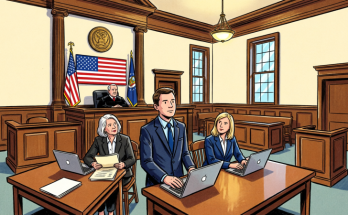
At The Will Reading, My Dad Proudly Declared: “The 3 San Diego Houses Go To My Son. She Gets Nothing.” Everyone Cheered. I Just Smiled And Looked At The Lawyer: “He Hasn’t Seen It Yet… Has He?” The Lawyer’s Face Dropped. My Dad Screamed: “Know… What?!”
Part 1
I sat very still in the far corner of my parents’ living room with my back straight, my hands flat on my knees, and my dress blues pressed sharp enough to slice the room in half.
No one else looked like they were at a funeral.
The air in the Matthews house in Pacific Beach was thick with the smell of shrimp cocktail, perfume, warm chardonnay, and the sweet burned edge of cigar smoke drifting in from the patio. My grandmother had been in the ground less than three hours, and already thirty people were balancing wine glasses on coasters she used to yell at us not to stain. Ryan’s friends were laughing too loud near the fireplace. Dad’s business buddies had formed a semicircle around the lawyer like vultures pretending to be country club members.
Not one person had said, “Margaret built all this.”
Not one person had told a story about the woman who started with a single delivery truck and turned it into eight San Diego properties and a small commercial warehouse.
They were talking about square footage.
Capital gains.
Rental demand.
Tax shelters.
I could hear every word, and somehow that made the room feel even quieter.
The family attorney, Mr. Hollis, stood by the coffee table with a leather folder tucked under one arm and his reading glasses low on his nose. He had barely cleared his throat before my father stood up and cut him off with that same broad, practiced voice he used on golf courses and in boardrooms—the one that always sounded to other people like authority and to me like a door slamming shut.
“No need to drag this out,” Dad announced, buttoning his jacket like he was preparing for applause. “Margaret made her wishes clear.”
My stomach tightened, but my face stayed still.
He pointed toward Ryan with an open palm, as if presenting a prize stallion. “The Matthews real estate portfolio goes where it belongs. Ryan is my firstborn. He’ll carry the family name, build the family line, and manage the family legacy.”
Then, finally, he looked at me.
Not the way a father looks at a daughter. The way a man looks at a stain that has been there so long he’s stopped pretending not to notice it.
“As for Olivia,” he said, letting the room settle around my name before he dirtied it, “the military already raised her. She chose that life. She has her salary, her benefits, her pension one day, all that government support. She doesn’t need a dime from this family.”
A few people actually clapped.
I wish I were exaggerating. I wish I could say they at least had the decency to look embarrassed. They didn’t. Ryan grinned into his wine glass like a man who had just heard numbers on a scoreboard. Brooke, his fiancée, tipped her head back and laughed that brittle little laugh of hers, the one that always sounded like acrylic nails tapping against glass.
Mom gave a small nod, fast and nervous, the way people nod when they want violence to stay verbal.
I tasted bitterness at the back of my throat. Not because of the money. Not even because of the insult. It was the ease of it. The nakedness. The fact that he could erase me in front of witnesses and still expect me to help clean up afterward.
Ryan raised his glass at me from the sofa. He had one ankle thrown over his knee, expensive loafer hanging in the air, tie loosened just enough to say grief but not enough to wrinkle. “Don’t look so devastated, soldier girl,” he said. “If things get tight on that government paycheck, I can spot you a few grand.”
Brooke snorted.
“Interest applies, obviously,” he added.
More laughter.
My pulse kicked hard once at the base of my neck, then steadied. Years in uniform had taught me a useful thing: the body always wants to give itself away before the mind does. You learn to override that. Breathe in four. Hold four. Out four. Hold four. Box breathing under fire, except the fire smelled like cheap white wine and family rot.
Mom crossed the room toward me with her pearls looped around her fingers, the fake ones she saved for gatherings where she wanted to look softer than she was.
She bent down, her hand cold on my shoulder. “Olivia,” she whispered, not quietly enough, “please don’t make a scene. Your brother is sensitive today.”
Sensitive.
My grandmother was dead. I had been cut out of a fortune built by the only person in that family who ever really saw me. And Ryan was the sensitive one.
Mom squeezed my shoulder once more. “You’ve always been the strong one,” she said. “You don’t need houses. Let him have this. Let the family stay at peace.”
There it was. The same trick they had used on me my whole life.
If I survived pain, then pain didn’t count.
If I stood up after they hit me, then the hit didn’t matter.
If I didn’t cry, then I wasn’t bleeding.
My eyes dropped to the aluminum Halliburton briefcase resting upright by my boot. It was scuffed along one corner from travel and locked with two metal latches. Inside was enough paper to turn that whole room inside out.
I let my fingers rest on the handle for half a second.
Not yet.
Across the room, Mr. Hollis was still awkwardly holding his file, uncertain whether to act like he had just been overruled or officially invited to commit malpractice. He gave me one apologetic glance, then reached for his pen.
That was when I stood.
Not fast. Not dramatic. Just enough to pull every eye in the room toward me.
The hum of conversation thinned. Ryan’s smile widened, like he thought he was about to watch me crack. Dad folded his arms. Mom took one step back.
I looked straight at the lawyer.
“Mr. Hollis,” I said, and my voice came out level enough to cool metal, “before anybody signs anything, are you absolutely sure your file was updated after May of 2021?”
The room changed on that date.
I felt it.
Not because anyone understood what I meant. They didn’t. That was the beautiful part. They were still standing inside their own certainty, smug and warm and stupid, not realizing the floor had already been taken out from under them years ago.
Mr. Hollis blinked at me. “Excuse me?”
I didn’t answer him. I just looked down at the briefcase.
The first thing you need to know is this: I didn’t become dangerous at my grandmother’s wake.
I became dangerous long before that, at a dinner table where I learned exactly what kind of daughter my family believed I was.
And once you understand that table, you’ll understand why I smiled when my father tried to cut me out.
Part 2
If you want to know how a family creates a ghost, I can tell you exactly where mine started.
Our dinner table was long, glossy, and always too polished to feel lived in. The overhead light hit the mahogany like it was being displayed instead of used. My father sat at the head of it every night with the television on too loud in the adjoining family room, ESPN bleeding commentary through the doorway like a second conversation that mattered more than the one in front of him.
The air usually smelled good. That was part of the problem.
Hickory ribs. Cornbread. Garlic butter. My mother believed in feeding people well, especially if those people were my father and Ryan. I used to think maybe if I brought enough achievement to the table, they’d save a little appetite for me too.
I was sixteen the night I laid my report card on the white tablecloth between the slaw bowl and the stack of folded napkins.
Straight A’s.
AP Calculus: A.
Physics: A.
English: A.
The paper looked clean and bright under the dining light. I remember smoothing the corners with my fingertips like I could flatten my need into something respectable.
Dad was busy asking Ryan about a football game they had lost by three touchdowns.
“Walk me through that second-quarter pass,” he said, as if the fate of the republic depended on it.
Ryan shrugged with his mouth half full. “Coach called garbage all night. If the line had held, I’d have had three TDs.”
Dad nodded like this was battlefield analysis. “That’s what I said. Bad protection. You can’t do anything with a weak line.”
I sat there while they re-wrote defeat into heroism in real time.
Five minutes passed.
Then ten.
My report card stayed where I had placed it, white and ignored, a tiny surrender flag no one bothered to notice.
Finally Dad looked my way.
“Olivia,” he said, pointing his fork at the empty serving platter, “we’re out of ribs. Go see if there’s more in the kitchen and clear some of these plates while you’re up.”
He never even saw the paper.
Or maybe he did, and it simply carried no emotional weight for him at all.
That was worse.
That was when I understood something I wouldn’t have been able to name back then: Ryan was the event, and I was the support staff.
The split got wider junior year.
Homecoming week, Ryan decided he needed an Italian wool suit because, according to my mother, “confidence is everything on nights like this.” I stood in the doorway of my parents’ bedroom while Mom wrote the amount on the checkbook register.
Eight hundred dollars.
Dad lifted one eyebrow like he wanted credit for noticing the price, then handed over his card anyway.
“It’s an investment,” Mom said.
That phrase stayed with me.
A few days later I found her in the kitchen scraping baked cheese off a casserole dish. I had been researching colleges after midnight for weeks, mostly because the library computers were free and home was loud. The Navy was one path. The Naval Academy was another. I knew I wanted out, but I also wanted options, and options cost money.
“Mom,” I said, holding the printout with the ISBN numbers on it, “I need the advanced SAT prep books. The whole set is about fifty dollars.”
She didn’t even turn around at first. Just kept scrubbing the dish, shoulders tight.
Then came the sigh.
Long. Exhausted. The sigh of a woman apparently burdened by a daughter’s future.
“Olivia, honestly,” she snapped. “Can’t you borrow them from the library? Money is a little tight right now. You need to stop being so demanding.”
Demanding.
That word sat in the steam over the sink like grease.
Eight hundred dollars for a suit Ryan would spill punch on by 10:30 p.m. was an investment.
Fifty dollars for books that could change my life was selfishness.
That same weekend he drove off to homecoming in Dad’s new Mustang, suit hanging right, hair perfect, cologne pouring off him in expensive clouds. I stood in my room in a hand-me-down dress from my cousin that bunched under the arms and skimmed wrong at the waist. The zipper stuck halfway up, and I had to twist around and yank it with one hand while bracing myself against the dresser.
I looked in the mirror and understood the household math.
Ryan was an asset.
I was overhead.
By eighteen, I had stopped asking for enthusiasm. I wanted paperwork. Signatures. Escape routes.
When my acceptance into Officer Candidate School came, I carried the envelope into the family room with both hands. Dad was in his recliner. The TV flashed football scores across the bottom. Mom was online shopping for patio furniture. Ryan was sprawled on the couch, shirtless, eating chips straight from the bag.
“I got in,” I said.
Dad glanced at the letter during a commercial break. “Navy, huh?”
I waited.
He nodded once. “That’s good. Saves me tuition money.”
Then he looked back at the screen.
Mom smiled the same smile people use when they hear someone else’s kid got an internship they don’t understand. “It’ll be good for you,” she said. “You do well in structured environments.”
Ryan laughed through a mouthful of chips. “You mean because nobody there cares if she has a personality?”
That got him a grin from Dad.
No hug.
No pride.
No “we’re proud of you.”
Just relief that I had found a way to remove myself from their budget.
The morning I left for Newport, I stood in the foyer with one duffel bag and a bus ticket in my pocket. The house smelled like coffee and dryer sheets and the faint lemon polish our cleaning woman used on the entry table every Thursday.
Mom shouted from upstairs that she couldn’t drive me because Ryan had chipped a tooth opening a beer bottle.
Dad called from the kitchen that he had a tee time.
“You can get an Uber, right?” he said. “You’re independent.”
I took a Greyhound.
The driver loaded my duffel under the bus while diesel fumes rolled over the curb. I climbed the steps, found a window seat, and looked out through smudged glass at the empty sidewalk.
No one came out.
No one waved.
No one changed their mind.
When the bus pulled away, I felt something inside me go strangely quiet. Not broken. Not even sad, exactly. More like a misfiled expectation finally being corrected.
I wasn’t leaving my family.
I was leaving a building where I had never once been home.
Newport was cold rain, clipped voices, aching muscles, and instructors who could strip excuses off a human being in under thirty seconds. I loved it almost immediately. Not because it was easy. It was hell. Mud, blisters, shouted corrections, inspections, wet socks, metal bunks, and five-minute showers. But the rules were the same for everyone, and that fairness felt almost holy.
When a drill instructor got in my face, it was because my form was wrong.
Not because I was the daughter who could take it.
When I earned praise, even one word of it, it landed hard.
One morning an instructor bounced a quarter off the blanket on my rack. It sprang into the air and spun back onto the floor.
“Outstanding,” he said.
That single word fed a hunger I had been carrying since childhood.
The military didn’t make me cold.
It made me clear.
Discipline equals freedom, they say, and I learned that was true. The more capable I became, the less I needed anyone’s permission to exist.
I built myself a spine out of routine and competence.
Made my bed.
Shined my shoes.
Learned supply chains, contracts, accountability, timing.
Learned that respect has structure.
Learned that silence can be tactical.
And then, three years ago, I came home on leave and opened my grandmother’s front door.
The house should have smelled like lavender sachets and baking bread.
Instead, the first thing that hit me was mildew.
I stood there with my bag still in my hand, staring at the water-stained ceiling and the orange Home Depot bucket catching a steady drip from above, and I knew something in this family had gone rotten in a way even I hadn’t guessed yet.
Part 3
The sound of that drip still lives in my head.
Drip.
Pause.
Drip.
Grandma Margaret sat in her wingback chair under a knitted blanket even though the afternoon was warm enough to keep the windows cracked. The house I remembered as bright and orderly felt dim and damp, like the walls had been holding their breath too long. Dust had settled into the grooves of the baseboards. One curtain rod hung slightly crooked over the front window. There was a brown bloom spreading across the ceiling plaster above the bucket, the edges darker where the water had soaked in and dried and soaked in again.
I set my bag down and walked straight to the bucket.
“Grandma,” I said, trying to keep my voice normal, “why is there rain in your living room?”
She gave me a tired little smile. Her face looked smaller than I remembered, the skin softer around the jaw, but her eyes were still sharp under the haze of age and medication.
“I told Ryan,” she said. “He handles the property accounts now. He said roofers are charging a fortune and the maintenance fund is stretched thin.”
I turned and stared at her.
Stretched thin.
Margaret Matthews owned eight properties in San Diego County, most of them long paid off, all of them occupied for years. Even with taxes and repairs and vacancies, the portfolio threw off enough monthly income to keep three roofs dry without blinking.
“Did he show you the numbers?”
She adjusted the blanket higher over her lap. “He says I shouldn’t worry about numbers anymore.”
That sentence made my skin go cold.
I had spent the last few years in Navy supply, where numbers decided whether ships got parts, whether crews got fed, whether timelines held. In my world, “don’t worry about the numbers” usually meant someone wanted you far away from them.
That night, after I got Grandma settled in bed and listened to her breathing even out down the hall, I went into the study.
The room smelled like old paper, cedar, and the faint peppery trace of my grandfather’s aftershave still lingering in the grain of the desk after all these years. The lamp on the corner cast a low amber circle across the blotter. I opened drawers quietly, careful not to make the brass pulls click.
The ledger was in the bottom right drawer under a stack of church bulletins and expired warranty papers.
At first glance, it looked normal enough—columns, dates, vendor names, expenses, rental deposits. But Ryan had never been a details person, and there’s something about lazy fraud that always offends me more than clever fraud. He hadn’t even tried to make the pattern elegant.
There were months of “landscaping services” billed at $2,200 per property on buildings with gravel strips, two agaves, and one dying bougainvillea. “Emergency plumbing” charges with no work orders attached. “Pest remediation” on units that had never filed a complaint. A roofing inspection paid twice in six weeks to two companies with almost identical names.
I flipped pages slowly, my fingertips leaving faint half-moons in the paper.
No receipts.
No originals.
Just Ryan’s blocky handwriting in the margins and occasional photocopied invoices that looked like they’d been run through a printer in a garage.
The further I went, the colder I got.
It wasn’t sloppiness.
It was harvesting.
He was treating the estate like a vein.
By midnight, I had three pages of notes and one problem bigger than fraud: if I confronted him without proof he couldn’t squirm out of, Dad would bury it, Mom would smooth it over, and Grandma would be called confused.
I needed something clean. Something physical. Something a jury would understand.
The next morning I heard Ryan before I saw him.
A loud twin-turbo growl ripped through the quiet neighborhood and shook the window glass in the breakfast nook. I stepped onto the front porch with my coffee mug in my hand just as he rolled into the driveway in a bright orange Ford Raptor so new the tires still had chalk marks on them.
The truck gleamed.
Grandma’s roof leaked into a bucket, and Ryan had arrived in seventy-five thousand dollars of denial.
He climbed out wearing mirrored Oakleys, a crisp golf shirt, and the grin of a man who had never once expected to be audited.
“Well, look who’s home,” he said. “Navy Barbie.”
I ignored that and pointed at the truck. “Between jobs, are you?”
He leaned against the hood and took a sip from a Starbucks cup big enough to hold soup. “Crypto went well.”
“Interesting.” I took a step down from the porch. “Because Grandma says the maintenance fund is dry.”
His smile didn’t disappear, but it changed shape. “Materials are insane right now. Labor too. Supply chain issues, Olivia. You of all people should understand that.”
He had heard enough phrases on cable news to stitch together a lie.
“Then fix the roof.”
“It’s on the list.”
I looked at the water stain above the front window through the open door behind me. Then I looked back at the truck.
“Funny how your list always starts with you.”
His jaw tightened for half a second. Then he laughed and pushed off the hood.
“You’ve been gone a long time. Don’t come home acting like an inspector general.”
He brushed past me and went inside to kiss Grandma on the cheek like a grandson in a greeting card.
I stood on the porch and watched his taillights in my head before he’d even left.
That night, I went back into the ledger.
Page forty-two gave me what I needed.
HVAC replacement, Garnet Avenue duplex. Eight thousand dollars. Paid in full the previous month.
Maybe it had been done.
Maybe I was wrong.
But the thing about good lies is that they make you hope they’re true, because truth requires action.
I wrote down the address, grabbed my keys the next morning, and drove to Garnet Avenue with the windows down and the Santa Ana heat pressing hard against the car like a hand.
The tenant who opened the door was in his thirties, sweaty, and visibly miserable. Hot air rolled out of the unit around him, stale with dust and old carpet.
“Can I help you?” he asked.
“I’m Olivia Matthews,” I said. “I need to ask about the new AC unit Ryan had installed.”
He stared at me for a beat.
Then he laughed.
Not because it was funny.
Because it wasn’t.
“Lady,” he said, wiping his forehead with the hem of his shirt, “this thing’s been dead for three months.”
My pulse went quiet.
“Mind if I see it?” I asked.
He stepped aside and held the screen door open.
The rusted unit waited in the side yard under a crust of sun-baked leaves, humming weakly like it was offended to still be alive.
And when I crouched to read the serial plate, my mouth went dry.
Manufactured in 1990.
Ryan hadn’t replaced a thing.
He hadn’t even tried to.
I stood there in the heat with my phone in my hand, staring at proof that could no longer be explained away, and for the first time since I came home, I didn’t feel hurt.
I felt lethal.
Because when I drove back to my grandmother’s house, I wasn’t going there to ask questions anymore.
I was going there to find out how deep the betrayal really went.
Part 4
I took six photographs before I left Garnet Avenue.
One of the rusted unit from the front.
One from the side, where the housing had split at a seam.
One close on the serial plate.
One wide shot of the yard and window so no one could claim I had photographed the wrong property.
Then two of the tenant’s thermostat reading eighty-seven degrees in a living room that smelled like hot drywall and frustration.
The tenant—Mike—stood with his arms folded while I worked. Sweat had darkened the collar of his T-shirt. There was a box fan roaring in the corner like it was trying to cool the whole county by itself.
“I’ve called twelve times,” he said. “Texted too. He keeps saying next week.”
“Did you ever get an invoice or work order?”
He barked out another bitter laugh. “I can barely get a response.”
“You have copies of the texts?”
“Every one of them.”
“Don’t delete anything,” I said. “And don’t stop documenting the heat.”
He narrowed his eyes at me. “Are you actually going to do something?”
That question landed harder than I expected.
Because I had spent so many years in my family being the person expected to endure, smooth over, clean up, and take the high road that being asked if I would act felt almost foreign.
“Yes,” I said. “I am.”
He studied my face for a second, then nodded once. “Good. Because I’m about two days from filing suit.”
I drove back in a storm that started sudden and hard, the way California rain does when it finally decides to mean it. By the time I turned onto Grandma’s street, the wipers were losing. Water sheeted across the windshield, streetlights smeared gold, and thunder hit far enough away to sound like a truck dropping steel plates.
Inside the house, the bucket in the living room was fuller than before.
I set my phone, printed notes, and the ledger page on the tea table in front of Grandma.
“He’s stealing from you,” I said.
No easing into it. No protective language. No little verbal cushions for old age.
I spread the pictures like evidence.
“The AC was never replaced. The tenant is threatening legal action. Ryan billed the estate eight thousand dollars anyway. He’s invoicing fake landscaping, duplicate repairs, God knows what else. This isn’t mismanagement. It’s fraud.”
Grandma picked up the photo of the serial plate with fingers that trembled only a little. Rain tapped at the windows. Somewhere in the kitchen, the refrigerator motor clicked on and hummed.
She looked at the date stamp on the image, then at me.
And sighed.
Not surprised.
Not outraged.
Just tired.
“I know,” she said.
The room seemed to tilt.
“You know?”
She set the photo down carefully. “I knew something was wrong. I didn’t know all of it, but I knew.”
I sank back into the chair opposite her. “Then why didn’t you stop him?”
She looked toward the dark hallway, then back at me. For the first time since I’d arrived, I saw something in her expression I had never seen as a child.
Shame.
Not for what she had done.
For what had been done around her while she waited for help that never came.
“Three years ago,” she said quietly, “I confronted your father. I told him Ryan was draining accounts and avoiding repairs. I said I wanted another lawyer. Another bookkeeper. A full review.”
Her mouth tightened.
“Thomas told me if I involved the police or embarrassed the family, he would make sure I never saw you again.”
The rain sounded louder all at once.
I stared at her. “What?”
“He said he’d tell you I was losing my mind. He said he’d block visits, filter calls, tell everyone I was confused and bitter. And back then…” She swallowed. “Back then you were deployed, and he knew I was afraid I’d lose the one person left in this family I could still trust.”
For a second I couldn’t hear anything but blood in my ears.
My father hadn’t just defended Ryan.
He had used me as collateral.
He had leveraged my love for my grandmother to keep her compliant while his son skimmed her life’s work.
The old hurt inside me, the childhood kind, the part that still wanted some explanation softer than malice—it died right there in that chair.
Grandma straightened under her blanket. The tiredness didn’t disappear, but something underneath it hardened into shape.
“I should have acted anyway,” she said. “That was my failure.”
“No,” I said, sharper than I meant to. “That was his.”
She gave me a thin, grim smile. “Maybe both.”
Lightning flashed, white against the front window. For an instant the room looked like a photograph. The bucket. The stain. The photos on the tea table. My grandmother’s face like carved paper.
Then she leaned forward.
“Olivia,” she said, and her voice changed. Stronger. Clearer. More Margaret Matthews, less old woman in a damp chair. “Listen to me very carefully.”
I did.
“I am not going to let your grandfather’s legacy be chewed apart by a weak man and a stupid one.”
The words were so clean I almost laughed.
She pointed one finger at me, just as commanding at eighty-two as she had been when I was twelve and tracked mud over her tile.
“You are the only person in this family who understands duty without needing applause for it. You are the only one who works for what she has. And you are the only one Ryan fears enough to insult on sight.”
“I don’t know about fear,” I said.
“Oh, he fears you,” she replied. “He always has. People like Ryan can smell standards on a person. It makes them itch.”
Despite everything, I smiled.
Then she killed it with the next sentence.
“I want to transfer everything to you before I die.”
I sat very still.
The rain hammered the roof. Water plinked into the bucket. Somewhere in the house the old pipes knocked once in the wall.
“Everything?” I asked.
“Everything.”
“That would start a war.”
“I know.”
“Dad will come after you.”
“He already has.”
I looked at the papers on the table. The fake invoice. The photos. The proof. I thought about my father’s face if he found out early. I thought about Ryan’s reflexive lying. I thought about all the years I had trained myself not to need anything from them and how strange it felt now to be handed not money, but responsibility.
Grandma watched me the way commanders watch people right before they assign something irreversible.
“Do you have the courage,” she asked, “to accept this mission?”
The old fear rose first.
Then something steadier sat on top of it.
“Yes,” I said.
Her chin dipped once. “Good.”
“Who do we use?”
“Not Hollis,” she said immediately. “He talks too much and bows too low when your father is in the room. We’ll go to Davis.”
Mr. Davis had handled one of my grandfather’s commercial purchases years earlier. He was old school, discreet, and allergic to theatrics.
“Can you get there?” I asked.
A dry little smile touched her mouth. “Do I look dead to you?”
I laughed then, brief and startled.
It felt wrong in a room like that, but also necessary.
She reached for my hand and squeezed once. Her skin was cool and paper-thin, but her grip had not forgotten how to mean something.
“Monday,” she said. “Eight a.m. We go through the back entrance.”
Outside, thunder rolled low and long over the coast.
Inside, I looked at the bucket filling by the door and understood that the roof wasn’t the only thing about to come down.
Part 5
Monday morning at 7:12, Dylan pulled his dented Silverado into Grandma’s driveway.
Dylan was my second cousin, the kind of man my immediate family always described with that tone rich people use for people who can actually fix things. He ran a small garage in Clairemont, had oil permanently worked into the lines of his hands, and wore plaid flannels like he’d been born in one. He also hated my father’s voice on sight, which made him useful.
He killed the engine, stepped out, and looked at me through the drizzle. “You want to tell me where we’re going, or are we doing spy stuff?”
“Spy stuff,” I said.
He grinned. “Best kind.”
We loaded Grandma into the truck carefully. She wore a navy wool coat and one of her old silk scarves tied at the throat. Anyone who didn’t know her might have called her frail. Anyone who did know her would have recognized the expression in her eyes and backed up.
We parked in the alley behind Davis & Kline, entered through a side door that opened into a narrow hallway smelling like dust, paper, and stale office coffee, and were in Mr. Davis’s conference room by 8:03.
He already had the documents laid out in neat stacks.
Trust paperwork.
Assignment schedules.
Eight quitclaim deeds.
A written statement of capacity.
Notary acknowledgments.
A physician’s letter from Grandma’s doctor confirming she was lucid, oriented, and competent to make decisions regarding her estate.
That last item told me Mr. Davis understood exactly what kind of family we were dealing with.
He removed his glasses, looked at Grandma, then at me.
“Margaret,” he said, “I’m required to ask: is anyone pressuring you to do this?”
“No,” she said. “I’m late to doing it.”
He nodded.
Then he turned to me. “And you, Lieutenant, understand that if this transfers as drafted, you become sole beneficiary and successor trustee of the Matthews portfolio, effective through the trust structure and recorded deeds. This bypasses probate on these assets. It also means if anyone contests, they’ll have to challenge capacity, execution, or fraud.”
“They’ll try,” I said.
“I assumed as much.”
Grandma snorted softly. “Thomas will puff up. Ryan will rage. Susan will cry.”
Dylan coughed into his fist like he was hiding a laugh.
Mr. Davis slid the first page across the table. “Then let’s make sure the paperwork is better than their feelings.”
The next hour sounded like pen on heavy bond paper, the dry crunch of pages turning, and the metallic bite of the notary stamp. Scratch. Flip. Stamp. Scratch. Flip. Stamp.
With every signature, the room seemed to get clearer.
Pacific Beach house.
Garnet Avenue duplex.
The Mission Bay triplex.
The Miramar warehouse.
The family residence.
The two smaller rentals in North Park.
The commercial lot my grandfather bought in the eighties because “someday someone will want it.”
Grandma signed them all without hesitation.
When it was done, she sat back, breathing a little harder, and looked at me over folded hands.
“This is the important part,” she said. “Radio silence.”
I nodded.
“You tell no one. Not Thomas. Not Susan. Not Ryan. Not Hollis. If they insult you, let them. If they brag, let them. If they underestimate you, especially let them.”
Mr. Davis gathered originals into labeled folders. “We’ll record immediately.”
Grandma’s eyes stayed on mine. “Comfort makes careless people stupid. Let them stay comfortable.”
I understood. More than that, I respected it.
War isn’t always a loud thing. Sometimes it’s waiting while the other side mistakes your silence for surrender.
For the next three years, that’s exactly what I did.
I went back to my unit. I deployed. I managed supply flows and contract audits and million-dollar inventories while Ryan kept posting photos of expensive dinners, golf weekends, and that ridiculous truck. Whenever I was home, he called me “government girl” and asked if I was still “playing war.” Dad kept making little speeches about legacy and bloodline. Mom kept trying to smooth their insults into concern.
I said almost nothing.
Because every dollar Ryan stole wasn’t just theft anymore.
It was evidence.
Then Grandma died.
The cemetery soil was still dark on our shoes when Dad grabbed my elbow in the front hall and steered me into his home office like he was walking me into a disciplinary hearing. The room smelled like old leather, cigar smoke, and the expensive hand soap Mom bought for rooms she wanted to look masculine.
Ryan leaned against the bookshelf with his ankles crossed. Mom sat in the wing chair holding a tissue to bone-dry eyes.
Dad slid one page across the desk with a black Montblanc pen placed carefully on top.
“Sign it,” he said.
I looked down.
Disclaimer of Interest.
The phrase sat in cold legal font at the top of the page like an insult dressed for church.
“It’s a formality,” Dad said. “You voluntarily waive any claim to the estate so everything transfers cleanly to Ryan.”
My laugh almost came out then, but I swallowed it.
Mom leaned forward, voice soft and urgent. “Honey, Ryan needs stability. He and Brooke are planning a wedding. You’re gone all the time. You don’t want the headache of managing property.”
I didn’t move.
Then she delivered the part she had probably been saving.
“And eventually,” she said, “you’ll get married. You’ll change your name. These things should stay with the Matthews line. Ryan is the son.”
There it was.
Not even disguised.
In her mind, my gender still made me temporary.
Ryan pushed off the bookshelf and came around behind me, dropping a hand on my shoulder like we were doing some affectionate sibling scene for witnesses.
“Come on, Liv,” he said. “Sign it and I’ll make it worth your while. I’ll buy you one of those Hermès bags. Whatever those things are. Birkin, Kelly, who cares.”
I looked at the hand on my shoulder.
Then at the pen.
Then at the document.
Slowly, I picked it up.
Dad’s posture relaxed a fraction. Mom exhaled. Ryan smirked.
I took the page in both hands and tore it clean down the middle.
The sound cracked through that office like bone.
Then I tore the halves again.
And again.
White scraps rained down over Dad’s desk blotter and onto the Persian rug.
“No,” I said.
Silence.
Ryan’s face turned the wet color of raw meat. Dad stood up so fast his chair scraped back. Mom made a tiny shocked noise, more offended by the refusal than by the theft behind it.
“You ungrateful little—” Ryan started, stepping toward me.
I shifted my weight just enough for him to notice.
He stopped.
“See you at the reading,” I said.
Then I walked out, leaving the ripped paper on the floor.
That night, in my apartment downtown, I spread tax records, assessor printouts, account statements, tenant complaints, and loan rejections across my dining table until it looked like a command center instead of a home.
By dawn I had enough paper to bury a man.
All that was left was deciding exactly when to open the grave.
Part 6
The three days between the funeral and the will reading felt less like grief and more like pre-launch.
I barely slept.
Coffee cups stacked beside my sink in a little ceramic cemetery. My dining table disappeared under binders, county records, sticky notes, and printouts from databases no one in my family had ever bothered to learn existed. Outside my windows, downtown San Diego moved through its usual rhythms—sirens somewhere distant, gulls screaming over parking garages, traffic muttering along wet pavement after a brief morning drizzle. Inside, the only sounds were page turns, keyboard clicks, and the occasional hard snap of a binder ring closing around another category of proof.
If Ryan had been only stealing through fake maintenance charges, I could have ended him with that.
But greed makes people sloppy in layers.
The San Diego County Assessor’s portal told a better story than Ryan ever could. I pulled title histories for every property in the portfolio and cross-referenced them with the estate account activity I had access to as trustee. Three rejected loan applications surfaced within an hour, all from lenders with names that sounded like legal trouble in a strip mall.
He had tried to leverage the Pacific Beach house.
Twice.
Then the warehouse.
Rejected both times.
Because when the lenders ran title, the properties weren’t in his name.
He had been trying to borrow against real estate he didn’t own.
I printed the denial letters and slid them into the “fraud” binder behind bright yellow tabs.
Then I found late property tax notices.
Pink tab.
Undeclared cash rent deposits that didn’t match reported income.
Blue tab.
Altered spreadsheets with metadata showing edits made after statements were sent to Grandma.
Orange tab.
The story built itself in paper and timestamps, neat as a firing solution.
I called Dylan Saturday morning.
He answered over the clang of tools. “If this is about moving a body, I need an hour.”
“It’s about a witness.”
“Less exciting, but still in my top five. When?”
“Two p.m. at my parents’ house.”
He went quiet for half a second. “You’re really doing it.”
“Yes.”
Another beat. Then, softer, “Your dad looks rough, Liv. You sure?”
I leaned back in my chair and stared at the photograph I’d propped against the lamp: Grandma in her forties beside her first delivery truck, one hand on her hip, hair whipped sideways by wind, smiling like she knew exactly how many fools she’d outwork in her lifetime.
“He had three years to do the right thing,” I said. “He used them to protect a thief.”
Dylan exhaled through his nose. “I’ll be there.”
By one o’clock I was dressing for battle.
Most people think uniforms are about appearance. They are, but not only. Uniforms are architecture. They take a body full of nerves and give it edges. I buttoned my white shirt to the throat, settled my service dress jacket over it, aligned my ribbons, checked my gig line, and pinned my hair into a regulation bun so clean it could have survived inspection by a sadist.
The mirror gave me back a woman my family had never once correctly measured.
Not softer than she looked.
Not harder, either.
Just exact.
On my nightstand sat the little leather Bible Grandma had given me when I commissioned. A ribbon marker still rested where she’d tucked it years ago. I opened to the page out of habit more than piety.
The stone the builders rejected has become the cornerstone.
I closed it and slipped it into the inside pocket of my jacket.
Then I crouched and opened the aluminum briefcase.
Inside went the original trust documents in one weatherproof folder, recorded deeds in another, and the binders in order: titles, audits, loan attempts, tax discrepancies, tenant complaints, digital backups. Everything labeled, tabbed, cross-referenced. Ryan would try to call me emotional. Dad would try to call me disrespectful. Mom would try to call me cruel.
Paper doesn’t care what names people use.
Paper only cares who signed, when, and where the money went.
At 1:42 p.m. I locked the briefcase, carried it downstairs, and drove west.
By the time I pulled up to the house, half the guests were already there. Black sedans lined the curb. Through the front window I could see movement, glasses, hands, people shifting themselves into the right positions to witness whatever version of fairness they expected to happen.
And then I was back in the living room, exactly where Part 1 left off—except now the whole thing had tightened.
My question about May 2021 still hung over the room.
Mr. Hollis adjusted his glasses. “The file was last updated in 2018,” he said carefully. “Why would that matter?”
I bent, wrapped my hand around the briefcase handle, and lifted it onto the glass coffee table.
The metal hit with a heavy, flat thud that made three people flinch.
I pushed aside two half-empty wine glasses and a plate of shrimp tails without asking permission. Liquid sloshed. Someone made an offended noise. Good.
My fingertips rested on the latches for one second.
Dad had gone pale around the mouth. Ryan still looked irritated rather than afraid, which told me he had no idea what was coming. Mom’s eyes moved from my face to the briefcase and back again, already searching for a way to recast whatever happened next as bad manners on my part.
I flipped the first latch.
Click.
Then the second.
Click.
The room went quiet enough for me to hear the ice settling in a glass somewhere behind me.
I opened the lid.
Blue binders. Red county seals. Heavy paper. Everything aligned.
No one breathed.
I reached inside and put my hand on the first recorded deed.
And in that exact second, before a single page hit the table, I saw it dawn on my father that maybe—just maybe—he had misjudged the one child in his house who ever knew how to prepare.
Then I lifted the first red-stamped page into the light.
Part 7
“This,” I said, holding the document high enough for the chandelier to catch the seal, “is the recorded grant deed for the Pacific Beach property.”
No one moved.
I laid it flat in front of Mr. Hollis.
He leaned over it automatically, lawyer before friend, and adjusted his glasses with one finger. The room pressed inward around the table. I could smell someone’s floral perfume, the brine of shrimp, the lemon polish on the wood, and under it all the hot little scent of panic beginning to sweat through expensive clothes.
“Owner of record,” I continued, “Olivia Margaret Matthews, as trustee and beneficiary through transfer executed May 14, 2021.”
I pulled out the second page.
“Garnet Avenue duplex.”
Down it went.
“The Miramar warehouse.”
Down.
“The North Park rentals.”
Down.
“The family residence.”
Down.
Each page landed with a dry slap that cut deeper than shouting ever could.
By the fourth deed, Ryan’s mouth had opened. By the fifth, Mom had put one hand to her throat. By the sixth, Dad looked like all the blood in his body had been rerouted elsewhere and forgotten to tell his face.
Mr. Hollis touched the county seal with the back of one finger as if paper could burn him.
“This can’t be right,” Dad said, but the power had gone out of his voice. It came back thin, papery. “Hollis?”
The attorney looked up at him, then back at the documents, then down again. He flipped to the recording information, scanned the notarization, checked the assessor parcel numbers.
Then he did the one thing my father had spent his whole life training people not to do in front of him.
He told the truth.
“These are valid,” Mr. Hollis said.
The room broke into a low wave of whispers.
Dad blinked hard. “What?”
“These deeds were recorded in 2021,” Hollis said, slower now, because when you tell a rich man bad news you tend to spread it carefully, like salt on ice. “The properties were transferred out before Margaret’s death. The will file I have would only control assets still held by Margaret at the time of death. These weren’t.”
Ryan shoved off the sofa so hard the coffee table rattled. “That’s a lie.”
I didn’t even look at him. “No. That’s public record.”
He lunged toward the table, grabbed for one of the deeds, and sent two papers sliding to the floor. “She was senile,” he shouted. “You manipulated her. You forged this.”
The old training took over before emotion could. I shifted one foot back, squared my shoulders, and raised a hand just enough to warn without escalating.
“Don’t touch me, Ryan.”
He did anyway—half step forward, fist tightening—not really to hit yet, more to reclaim space he thought he owned.
“Try it,” I said quietly.
Something in my face must have reached him. He stopped an arm’s length away.
Then another voice cut in.
“She wasn’t senile.”
Dylan stepped out from the back of the room.
I had almost forgotten he was there, which meant everyone else definitely had. He moved forward with grease still faintly dark in the lines around his nails despite the collared shirt I’d told him to wear. He stopped beside me, not close enough to be theatrical, just close enough to be witness.
“I drove her to Davis & Kline,” he said. “Sat in the truck for two hours while she went through every page. She knew exactly what she was signing.”
Ryan rounded on him. “You shut up.”
Dylan didn’t.
“She said she was doing it because you were stealing from her,” he said, each word plain as a nail. “And because Uncle Thomas was covering it up.”
That hit the room like a dropped tray.
People turned.
Not toward me anymore.
Toward Dad.
Toward Ryan.
Toward the shape of the story under the clothes they’d all worn here to protect themselves from.
Mom made a small sound and covered her mouth.
Dad’s eyes snapped to mine for the first time that afternoon with something close to naked fear in them. Not sadness. Not regret. Fear. The kind men get when a thing they thought was settled begins moving under the dirt.
I bent, picked up the fallen deed pages, dusted nothing off them because there was nothing to dust, and replaced them inside the briefcase.
Then I opened the blue fraud binder.
“Since we’re all together,” I said, “there’s another issue.”
Ryan’s head jerked toward me.
I laid out copies instead of originals this time: the fake HVAC expense beside the photograph of the rusted 1990 unit. Landscaper invoices beside wide shots of gravel yards. Rejected loan applications. Tax notices. Tenant complaints.
By the time I finished, Brooke had taken two steps away from Ryan without seeming to notice she’d done it.
Dad sat down heavily in his armchair like the floor under him had gone soft.
Mom whispered, “Oh my God,” but even that sounded less like moral outrage than social horror. She wasn’t grieving fraud. She was picturing who else in the room now knew.
Ryan looked around for support and found calculation instead.
That was the moment he understood the party had left him.
“You set me up,” he said.
“No,” I replied. “You got comfortable.”
He started toward me again, then stopped when he noticed I wasn’t the only one watching. Half the guests had gone still. Mr. Hollis looked like he wished for a minor stroke. Dylan stood steady. Even Brooke was staring at Ryan like she was inventorying what she could still salvage.
I closed the fraud binder and latched the briefcase.
“Ryan,” I said, “you have forty-eight hours to clear your personal belongings out of the management office.”
His laugh came out cracked. “You can’t be serious.”
“I’m exactly serious. If you are not out by Monday at five, I’ll have the sheriff remove you.”
Dad found enough air to speak. “Olivia—”
I turned to him.
Just turned.
He stopped.
There are moments when people realize authority was never what they thought it was. Sometimes it’s a uniform. Sometimes it’s paper. Sometimes it’s simply the fact that one person in the room is no longer willing to play the role assigned to her.
“Do not speak to me like I’m twelve,” I said. “And do not mistake restraint for weakness.”
Mom started crying then, finally, but it sounded thin and late.
I lifted the briefcase off the table. It really did feel lighter.
“Enjoy the shrimp,” I said to no one in particular, and walked toward the front door.
No one tried to stop me.
My heels clicked across hardwood, down the entry, past the mirror where I caught one quick reflection of the room behind me: Ryan ashen and furious, Dad collapsed, Mom crumpling, Brooke backing away, Hollis holding a deed like it might rewrite his entire week.
On the porch, the air smelled like salt and damp bougainvillea. The marine layer was rolling in low over the coast, swallowing the late sun.
Behind me, through the half-open door, chaos finally started.
Monday, I thought.
That would be the property fight.
But the books held something even uglier, and by then Ryan still hadn’t understood what kind of war he had dragged into daylight.
Part 8
Monday morning at 9:02, I arrived at the property management office with a county sheriff’s deputy beside me and a printed civil standby order in my briefcase.
The office sat in a low stucco building off Balboa, tucked between a tax preparer and a vape shop, which felt appropriate for Ryan’s era of leadership. Grandma used to keep the place clean enough to smell like paper, copier toner, and lemon cleaner. Under Ryan, it smelled like stale tequila, hot electronics, and the sour panic of a man who’d been awake all night trying to outrun paperwork.
The deputy, a broad-shouldered woman named Moreno, nodded for me to unlock the door.
Inside, drawers hung open. File boxes had been yanked halfway off shelves. A framed “Live Laugh Love” print Brooke had clearly contributed leaned cracked against the wall near the Keurig. Ryan stood behind the main desk shoving handfuls of paperwork into a cardboard box. He had the gray-green skin tone of someone fueled by bourbon and denial.
When he saw the uniform beside me, he went red.
“You brought a cop?”
“Deputy,” I said. “Civil standby.”
“You crazy bitch.”
Deputy Moreno didn’t even blink. “Sir, collect personal items only.”
Ryan slapped a stapler off the desk. It hit the wall and bounced under a chair.
“I built this business,” he shouted.
I set the briefcase down, opened it, and removed an evidence inventory sheet I’d prepared the night before. “No,” I said. “You billed this business.”
He rushed to the office desktop and started hammering keys with both hands.
I crossed the room in six strides and pulled the power cord from the tower.
The monitor went black.
He spun around, wild-eyed. “What the hell is wrong with you?”
“Nothing,” I said. “I cloned the drive Saturday night.”
That stopped him.
It was almost disappointing how effective the truth was.
Every muscle in his face faltered at once. He looked over my shoulder as if maybe Dad would materialize in the doorway, big and loud and useful.
He didn’t.
I nodded toward the box on the desk. “Family photos, clothes, personal toiletries. That’s it. Leave the files. Leave the hard drives. Leave the mail key.”
He cursed me in three creative directions, then obeyed in jerks.
Outside, through the front window, a tow truck rolled into the lot.
At first Ryan didn’t notice it. I did. So did Deputy Moreno. We both glanced out at the same time just as the driver stepped down, checked the VIN on the bright orange Ford Raptor, and reached for his chain.
Ryan followed our eyes.
“No,” he said.
The word came out small.
Then the chain hooked under the truck’s frame with a clean metallic clank.
He rushed toward the window. “No, no, no—that’s my truck.”
Deputy Moreno moved just enough to block him from bolting outside.
The repo driver didn’t look up. He’d probably heard every version of that sentence ever invented.
I watched the nose of the Raptor lift as hydraulic whining filled the lot. Sun flashed on the code-orange paint one last time, bright and stupid and expensive, before the truck started rolling backward toward consequence.
Ryan pressed both hands to the glass.
“That’s illegal,” he muttered.
“It’s financed,” I said. “And apparently not current.”
He turned and looked at me with pure hatred. “You did this.”
“No,” I said again. “Math did.”
He slumped back into the office chair like his bones had gone out.
Then Brooke arrived.
Of course she did.
She got out of her white SUV in sunglasses the size of dinner plates and heels inappropriate for asphalt, phone already in hand, expression already sharpened for blame. She marched in before the repo truck had fully cleared the lot.
“What is going on?” she demanded.
Ryan stood up too fast. “Babe, listen, it’s temporary.”
Her gaze flicked from the deputy to the boxes to me, then back to him. Whatever she saw in his face must have answered the question she hadn’t asked yet.
“You told me you owned the properties,” she said.
He spread his hands. “There was a legal issue—”
“You told me your family was liquidating after the funeral and you’d have enough to close on La Jolla by summer.”
Deputy Moreno suddenly found the ceiling fascinating.
Ryan reached for Brooke’s wrist. “It’s a misunderstanding.”
She yanked away.
Then she did something so perfectly mean I almost respected it.
She pulled the engagement ring off her finger and threw it at his chest.
It bounced off his polo and hit the tile with a tiny hard click.
“I took it to a jeweler this morning,” she said. “Cubic zirconia. You proposed to me with a fake diamond.”
Ryan stared at the ring on the floor like maybe it had become a snake.
“Brooke—”
“No.” She jabbed one finger toward him. “You are not poor because you were betrayed. You are poor because you lie.”
Then she turned and left without another word, heels snapping against the sidewalk, car door slamming hard enough to shake the window.
Ryan made a strangled sound low in his throat and sank onto the edge of the desk.
Ten minutes later, my parents arrived.
Too late for the truck.
Too late for Brooke.
Too late for illusion.
Mom stepped out first and froze at the sight of Ryan on the curb with a cardboard box beside him. Dad looked smaller than he had at the will reading, like shock had already started a quiet appetite in him over the weekend.
“Olivia,” Mom said, rushing forward. “Please. We can fix this. We’ll take out a loan, pay back whatever he owes, smooth things over—”
I almost admired the instinct. Cover. Cushion. Transfer. Repeat.
“You already did,” I said.
She blinked. “What?”
I opened the briefcase, removed one more printout, and handed it to Dad.
Public record. Second mortgage filed six months earlier against their home.
He stared at it, then at me.
“You gave Ryan the money,” I said. “Didn’t you?”
Dad’s silence answered first.
Mom’s face answered second.
They had mortgaged their own house to keep their son floating and still come here expecting me to throw myself underneath the leak.
“If you keep doing this,” I said, “you’ll lose everything.”
Mom’s voice broke. “He’s our son.”
“And I was your daughter,” I said.
The words sat there between us, sharp and simple and overdue.
No one answered.
Three days later, a subpoena arrived at my apartment.
Not for me as a defendant.
For me as a witness.
Ryan’s loan applications, altered income declarations, undeclared rent skim, and false financial representations had finally crossed far enough into federal territory that someone with a seal on the envelope cared.
I read the papers once at my kitchen counter, then set them down beside the binders.
Outside, the city moved on. Someone honked in the street below. A dog barked. A helicopter passed somewhere over the harbor.
Inside, my apartment felt very still.
This had stopped being family drama.
Now it was arithmetic with consequences.
I reached for the blue binders, slid the photos and records into a shipping box for federal investigators, and sealed it shut with three strips of tape.
As I pressed the last strip flat, my phone lit up with Mom’s name on the screen.
I let it ring.
Then I looked at the sealed box on my table and realized the next fight wouldn’t be about property at all.
It would be about whether I was still willing to save people who had spent my entire life teaching me I was disposable.
Part 9
I did not answer my mother’s first call.
Or her second.
Or the voicemail she left that night, or the longer one the next morning where her voice went from brittle to pleading to offended in under ninety seconds. I listened to them once while standing in line for coffee, then archived them into a folder labeled Family for Counsel, the same way I’d label any recurring problem in any other operation.
People romanticize healing.
They make it sound like a sunrise or a beach walk or one hard cry that empties the whole wound out at once.
That wasn’t what mine looked like.
Mine looked like checklists.
Vendor contracts.
Site inspections.
Tenant callbacks.
The morning after I shipped the box to federal investigators, I reported to the management office at 0700 and started rebuilding my grandmother’s business the only way I knew how: by treating it like it mattered.
I terminated every fake vendor Ryan had invented or overpaid.
I hired a licensed roofing crew for the house and a veteran-owned construction company to handle the rentals. The owner, Theo Ramirez, was a former Marine staff sergeant with a calm voice, scarred knuckles, and the kind of eye contact that said he had no need to dominate a room to stand in it. He walked properties with a yellow legal pad tucked under one arm and gave me estimates that matched reality instead of fantasy.
At the Garnet Avenue duplex, he crouched beside the dead AC unit, read the serial plate, and let out a low whistle.
“This thing belongs in a museum,” he said.
“Can you replace it this week?”
He looked up at me. “Can you approve it today?”
“I can approve it right now.”
He smiled once, quick and surprised, like he wasn’t used to owners answering in complete sentences. “Then yes.”
Within a month, the difference felt physical.
Tenants who had been angry became cautious, then relieved, then occasionally kind. Mike from Garnet texted me a photo of the new unit with the message: Didn’t think anyone in your family knew how to fix a thing. Guess I was wrong.
An older tenant in North Park left banana bread on my office desk in foil with a note tucked underneath: Thank you for answering the phone like we matter.
That note hit me harder than the subpoena had.
Because my whole life, in my parents’ house, mattering had always seemed tied to being chosen. Here, in my grandmother’s business, it turned out mattering could also be tied to being useful, reliable, fair.
To showing up.
The first time I walked into Grandma’s house after the roof repair, the air no longer smelled like wet plaster. It smelled like sawdust, fresh paint, and the faint lavender drawer sachets she’d tucked into linen cabinets for decades. I stood in the living room under a dry ceiling and felt the oddest urge to report back to her.
Mission complete, ma’am.
Not really complete.
But stable.
I spent evenings clearing out the rooms Ryan had colonized whenever he “stayed over to help.” It was like excavating a shallow civilization built on stolen money. Designer sneaker boxes. Cigar cutters still in plastic. Gaming equipment. Monogrammed whiskey stones. An unopened countertop ice maker. Half a dozen shirts with tags still on.
The trash bags filled fast.
In the master bedroom, while lifting the mattress to strip the bed, I found a leather-bound journal tucked between the box spring and the headboard. The cover was worn smooth at the corners. The first page was dated five years earlier.
I sat on the edge of the bed and started reading.
At first it was ordinary—appointments, thoughts about church, notes on tenants, reminders to call people back. Then, halfway through, I found a passage written in the tight deliberate script she used when something mattered.
Ryan has Thomas’s charm and Thomas’s weakness. He wants to be admired more than he wants to be honest.
Olivia is different. Sad-eyed, yes, but steady. She does not ask to be chosen. She asks for the work. If this family has a keeper of the fire, it will be her, whether they deserve her or not.
I had to put the journal down.
For thirty-two years I had lived inside a family narrative where I was difficult, cold, severe, too much, not enough, wrong kind of daughter, wrong kind of woman. And there, in brown ink on lined paper, was proof that the one person in that house who understood effort had seen me clearly all along.
I cried with the journal open in my lap and the afternoon light moving slowly across the hardwood.
Not pretty crying.
Not movie crying.
Shoulders shaking, throat burning, nose running, years coming loose at the hinges crying.
When I was done, I wiped my face with the hem of my T-shirt, laughed once at how ugly grief really is, and hung Grandma’s portrait over the fireplace that evening.
The house changed after that.
Maybe not physically.
But spiritually, yes.
Then Mom called again.
This time I answered.
Her voice was thin, raw, and frightened in a way I had never heard before. “It’s your father,” she said. “His blood pressure spiked. He’s at Scripps. And the bank sent a notice of default. We’re behind on the second mortgage. Olivia, please.”
I stood in the kitchen looking at the repaired ceiling, the clean counters, the journal resting beside the fruit bowl.
For years, the old version of me would have taken that tone and turned it into obligation.
The new version knew better.
“I’m sorry he’s in the hospital,” I said.
The silence on the line sharpened.
“That’s all?” she asked.
“What exactly are you asking for, Mom?”
Her breath trembled. “Help. Money. Something. We can’t lose the house.”
I looked out at the backyard where Theo’s crew had stacked old roofing tile for haul-away. Evening light hit the terracotta pieces and turned them rust-gold.
“You already chose where your money went,” I said. “You chose Ryan. Repeatedly.”
“We were trying to save him.”
“You were feeding him.”
She started crying harder. “How can you say that?”
Because it was true, and truth has a shape to it that doesn’t soften just because someone is finally hearing it.
I told her I would not send cash, would not refinance their mistakes, and would not fund Ryan’s defense.
She called me cruel.
That one didn’t even sting anymore.
After we hung up, I stood in the kitchen for a long time with my phone still in my hand. Theo came in through the back door to ask about invoice signatures, saw my face, and stopped.
“You okay?” he asked.
I almost gave the automatic answer.
Instead I said, “No. But I’m not confused.”
He nodded once, as if that made perfect sense.
It did.
A week later, a federal prosecutor called and asked when I’d be available to testify.
Part 10
The federal building downtown always smells the same—cold air-conditioning, stone dust, burnt coffee, and nerves.
I arrived early, because early is on time and on time is late if you’re trying to keep your heart from staging a mutiny. My shoes clicked across polished floor. Security bins rattled. Lawyers in dark suits moved in purposeful little storms with legal pads tucked to their ribs.
Ryan was already there when I stepped off the elevator onto the hearing floor.
He looked worse than he had at the office. Not dramatic worse. Real worse. Puffiness under the eyes. A bad shave. Cheap suit, wrong shoulders. He was sitting beside a public defender with both knees bouncing while Mom pressed tissues into his hand and Dad stared at the opposite wall like maybe he could punish it into becoming another life.
The sight of them should have undone me.
It didn’t.
That surprised me more than anything else.
For so long I had imagined a final scene where their collapse would satisfy something deep in me. It didn’t. What I felt instead was distance. Clean, measurable distance. The kind between two ships passing in fog that once belonged to the same fleet and no longer answer to the same command.
Ryan saw me first.
His mouth tightened. “Enjoying yourself?”
“No.”
That seemed to offend him more than if I’d smiled.
“You did this.”
I set my briefcase down on a bench and met his eyes. “You did this and assumed no one would stop you.”
He leaned forward, elbows on knees. “You always thought you were better than us.”
“No,” I said. “I thought rules applied to you too.”
That landed. He looked away first.
When they called my name, I took the stand with the same calm I use when presenting supply shortfalls to admirals. Facts. Sequence. Documentation. No drama.
I testified about the property portfolio, the account irregularities, the fake maintenance invoices, the loan attempts, the undeclared cash rent, the tenant complaints, the recording dates on the deeds, and the evidence chain. The prosecutor walked me through exhibits one by one. I identified them. Explained them. Anchored them to dates and records.
Ryan’s attorney tried to suggest family animus.
“Lieutenant Matthews,” he said, with that little emphasis defense lawyers use when they want to imply stiffness equals malice, “isn’t it true you’ve had longstanding resentment toward your brother?”
I folded my hands in my lap. “Resentment is not a bookkeeping category.”
A few people in the courtroom shifted as if hiding smiles.
He tried again. “So you deny personal conflict influenced your actions?”
“I can personally dislike a person and still accurately read a ledger.”
That ended that line.
By the end of the hearing, the judge had heard enough to move the case forward with very little sympathy for Ryan’s posture of confusion. The bank fraud counts would stand. The tax charges would proceed. There would be no magical family understanding, no hallway deal, no rescue by surname.
When court recessed, Ryan didn’t look at me again.
Dad did.
In the hallway outside, while lawyers peeled off and elevators swallowed strangers, he stepped toward me with his hands half raised, as if he wasn’t sure whether he was approaching a daughter or a judge.
“Olivia—”
I waited.
He swallowed. “I was wrong.”
I said nothing.
Maybe he expected the pause to invite mercy. It didn’t. It was simply a pause.
“I should have stopped him years ago,” he said. “I should have listened to Margaret. I should have—”
“Yes,” I said.
The word cut off everything else.
He blinked. “I’m trying to apologize.”
“I know.”
His face twisted a little, not with anger now, but with something more humiliating. Need.
“I know I don’t deserve it,” he said, voice lowering. “But can you forgive me?”
There it was.
The final transaction.
The one I had unconsciously prepared for my whole life. The moment when the people who had starved me of fairness would come to me starving and call the transfer grace.
I looked at him—really looked. The softened jaw, the tired eyes, the shirt collar sitting wrong, the little tremor in his left hand.
He looked older, smaller, more human than the giant from my childhood.
And still the answer was no.
“Forgiveness isn’t a prize for finally telling the truth when the lie gets expensive,” I said.
He shut his eyes briefly.
“I’m your father.”
“You were,” I said. “You chose Ryan every time it cost me something. You chose appearances over protection. You blackmailed your own mother with access to me. You do not get to arrive late to the wreckage and ask me to call it healing.”
Mom had come up behind him by then. I saw the moment my words hit her too.
She whispered, “Please.”
I turned to her.
The same woman who had asked me to give up my inheritance because I was “the strong one.” The same woman who had looked at my brother’s appetite and called it sensitivity, then looked at my discipline and called it selfishness.
“I hope you both find somewhere safe to live,” I said. “I hope you learn what accountability feels like from the inside. But no—you don’t get me back because you ran out of other options.”
Mom started crying again.
Dad’s shoulders caved in a little more.
For a second I almost hated myself for how steady I felt. Then I remembered something important: calm is not cruelty. Sometimes it is simply the refusal to let old systems pull you back into them.
I picked up my briefcase.
“If you need copies of public records for your own attorney, have yours contact mine,” I said. “Do not call me for emotional labor you never offered when I was a child.”
Then I walked away.
That Thanksgiving, I did not go to their house.
I hosted dinner at Grandma’s.
The table was set with her china. The kitchen smelled like sage stuffing, roasted turkey, butter, and the dark edge of pie crust. Dylan came in a clean flannel. Mike from Garnet brought beer. Mrs. Gable from North Park brought sweet potatoes with marshmallows browned too dark on top. Two of my Navy friends showed up in civilian clothes looking relieved to be anywhere without speeches. Theo arrived last carrying a pumpkin pie and a small toolbox because he’d “noticed the back gate still drags.”
No one asked me to be smaller.
No one told me to keep the peace.
No one treated my presence like a debt.
When we sat, I took the head of the table—not as conquest, but because somebody had to carve the turkey, and I was done pretending leadership was a masculine inheritance.
I raised my glass.
“To Margaret,” I said.
“To Margaret,” they echoed.
The room glowed with candlelight and old wood and the low easy sound of people talking because they wanted to, not because they were performing being related.
Halfway through dessert, Theo stood at the sink washing knives without being asked. I came up beside him to dry plates.
“You look different here,” he said.
“Better or worse?”
“Less braced.”
I considered that.
“Better, then,” I said.
He handed me a plate, our fingers brushing once, nothing dramatic, just warm skin and no demand behind it.
That night, after everyone left and the house settled into that soft full silence good meals leave behind, I stood in the doorway of the dining room and understood something I wish I had learned younger.
Family is not the people who clap when you’re cut out.
Family is the people who pass the gravy, wash the knives, and never ask you to bleed politely.
A month later, my lawyer called with Ryan’s plea deal.
And the first thing I felt was not triumph.
It was room.
Part 11
Winter on the coast is a subtle thing.
The mornings come in silver instead of gold, the air smells more sharply of salt, and the light over the Pacific turns flat and reflective like a blade laid sideways. On the first Monday in January, I stood on the balcony of the Pacific Beach house with a mug of black coffee warming both hands and watched the waves shoulder themselves onto shore below.
Inside, the house was quiet except for the hum of the heater and the occasional tick of old wood adjusting to repaired ceilings, repaired windows, repaired truth.
Ryan took the plea.
Bank fraud. Tax fraud. Restitution agreements. Structured consequences. The kind with numbers instead of speeches. He did not call me from county lockup. He did not send an apology. Good. I didn’t want one.
My parents lost their house by spring.
I found out through a public filing, not from them. They moved into a small rental in El Cajon under terms arranged by their attorney and whatever savings Dad had left untouched by rescue attempts. Mom sent two letters. Dad sent one. All three used different language to ask for the same thing: not money, not exactly, but absolution. A way back into the shape of my life.
I read them once at my kitchen counter in Grandma’s house.
Then I put them in a folder.
I did not write back.
That was the part some people would call harsh. Maybe it was. But I had spent enough of my life learning the difference between mercy and access. Mercy can be private. Access is a doorway. I no longer confused the two.
By March, the estate was healthy again.
Vacancies were down. Maintenance response times were under twenty-four hours. Reserves were rebuilding. Theo’s crew had finished the last of the deferred repairs, including the back stairs at the Mission Bay triplex that Ryan had once “fixed” with two mismatched screws and a prayer.
One afternoon Theo and I walked the Miramar warehouse after a roofing inspection. The place smelled like dust, sun-warmed metal, and machine oil from the neighboring unit. He handed me the clipboard, and our shoulders almost touched as we looked over the figures.
“You run this place like a command post,” he said.
“I’ve been accused of worse.”
He smiled. “It’s a compliment.”
I looked out through the open roll-up door at the strip of bright California sky beyond it. “I know.”
He didn’t push. That was one of the reasons I liked being around him. He never handled silence like a problem to solve. We got coffee sometimes. Walked job sites. Shared easy conversations that didn’t require me to explain my edges. Maybe one day it would become more. Maybe it wouldn’t. I was no longer hungry enough for love to call every kindness destiny.
Grandma’s journal stayed on my nightstand.
Some nights I read a page before bed, especially on the bad ones—when some old memory surfaced sharp as glass, when I caught myself reaching for my phone to tell her something about a contractor bid or a tenant win or the way the ocean looked from the balcony at dusk. Grief changed shape, but it never really moved out. It just learned to sit more quietly.
In April, I met with Mr. Davis to finalize the amendment I’d been thinking about since the first box of SAT prep books I ever bought for myself with Navy pay.
We created the Margaret Matthews Scholarship Fund.
Twenty percent of annual net profits, dedicated to the children of active-duty Navy enlisted personnel and junior officers who needed help with test prep, application fees, books, and first-year college costs. Not because college makes a person worthy. Because worthy people should not be turned back by fifty-dollar gates.
Mr. Davis tapped the document with his pen. “This is generous.”
“It’s strategic,” I said.
He smiled. “That too.”
When I signed the final page, the ink dried dark and clean under my hand. For the first time, the Matthews name felt less like a burden I had inherited and more like a tool I had finally taken away from the wrong people.
That evening I hosted a small dinner on the balcony.
Nothing fancy. Grilled salmon, roasted potatoes, charred asparagus, a decent bottle of wine Dylan insisted on bringing because he had “developed taste now,” which was a lie. Mrs. Gable came. Mike came. Two scholarship applicants and their parents joined us after meeting with the fund coordinator earlier that day. Theo arrived late from a job site with sawdust still on one sleeve and an apology I did not need.
As the sun dropped, the sky turned orange and violet over the water. Laughter moved through the house in warm low waves. Someone in the kitchen dropped a fork. Dylan swore at the grill. Mrs. Gable told a story about teaching ninth graders that made one of the applicants nearly choke on water laughing.
My phone buzzed once in my pocket.
Unknown number.
I already knew who it was.
I stepped away from the railing, glanced at the screen, and let it go to voicemail.
A minute later another buzz.
Then a text.
Please, just talk to us. We’re still your family.
I looked at those words for a long second while the ocean wind tugged loose strands of hair around my face.
Then I locked the phone and set it face down on the patio table.
Theo came up beside me carrying two mugs of coffee. He handed me one.
“Everything okay?” he asked.
I looked through the glass door at the people inside—my chosen table, warm and alive and unafraid of each other. Then I looked out at the darkening water where the last of the sun was flattening into a bright line.
“Yes,” I said.
And this time it was true in a way that didn’t need qualification.
Not because the past had been repaired.
Not because my parents had changed enough to deserve me.
Not because justice feels good every minute.
But because I had finally stopped standing in the doorway of a locked room asking people who did not love me correctly to please let me in.
I went back inside with my coffee.
Later that night, after the dishes were done and the last guest had gone, I played the voicemail from the unknown number.
Dad’s voice.
Older. Thinner. Tired.
He said my name. He said he was sorry. He said he understood if I never answered. He said he hoped I was happy.
I listened without moving.
Then I deleted the message.
Not with rage.
Not with trembling.
Just with certainty.
Some endings are loud. Slammed doors, courtroom gavel strikes, engines pulling away.
Mine sounded like one soft tap of a thumb on a screen.
Delete.
Outside, the ocean kept moving under the moon, patient and absolute.
Inside, the house held.
I stood in the quiet living room under the dry ceiling, one hand resting on the back of my grandmother’s chair, and felt the deep, solid peace of a life no longer waiting to be chosen.
They had rejected me.
They had tried to write me out.
They had mistaken endurance for weakness and silence for surrender.
They were wrong.
I was never the extra child at the edge of the table.
I was the one who knew how to keep the fire lit after everyone else had turned the house into ash.
And this time, the will was mine.
THE END!
Disclaimer: Our stories are inspired by real-life events but are carefully rewritten for entertainment. Any resemblance to actual people or situations is purely coincidental.