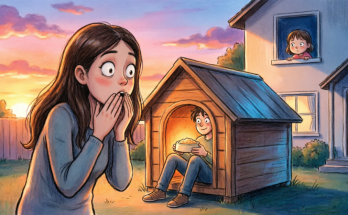
I Was Cutting Vegetables In The Kitchen When My 4-Year-Old Daughter Tugged My Arm Looking Scared And Worried. ‘Mommy… Can I Stop Taking The Pills Grandma Gives Me Every Single Day?’ My Blood Ran Cold Hearing Those Words. My Mother-In-Law Had Always Insisted They Were ‘Good Vitamins For Her Growth And Health.’ Trying Not To Panic I Told My Daughter To Bring Me The Pill Bottle From Her Bedroom Right Now. When I Saw The Label I Didn’t Recogniz The Medication Name At All. I Rushed Her To The Doctor Immediately That Same Hour. When The Doctor Checked The Bottle Carefully His Face Turned Ghost-White And His Hands Started Shaking. He Slammed The Bottle Down On The Table Hard And Shouted Angrily: ‘Do You Know What This Is? Why Is A Four- Year-Old Child Taking This Medication? Who Gave It To Her And Why?
Cold flooded my body despite the warm Tuesday afternoon light pouring through the kitchen window. Diane—my mother-in-law—had been staying with us for three weeks while recovering from knee surgery. She’d insisted on helping with Emma, saying she wanted to “bond” more with her granddaughter. She read her bedtime stories, brushed her hair, brought her little snacks. I had told myself it was sweet. I had told myself I was lucky.
I wiped my hands on a towel, my pulse thudding. “Emma,” I said gently, kneeling so we were eye to eye, “I need you to bring me that bottle. Right now, okay?”
Her eyes widened. “Am I in trouble?”
“No,” I said quickly, pulling her into a hug. “You did exactly the right thing by telling me. You’re never in trouble for telling Mommy something that worries you.”
She nodded and ran down the hallway to her bedroom. The moment she was out of sight, I gripped the counter, my fingers digging into the laminate. Diane had mentioned vitamins before. I remembered her offhand comments—I gave Emma her vitamins already—said with that breezy confidence that discouraged questions. I had assumed she meant the children’s gummies I kept in the cabinet. I had never thought to check.
Emma returned clutching an orange prescription bottle, the kind I recognized immediately, the kind that should never have been anywhere near my child’s reach. She handed it to me with both hands.
“This one,” she said quietly.
The label faced outward, and the world seemed to tilt as I read it. The medication name meant nothing to me—long, clinical, unfamiliar. What I did recognize was the patient name printed beneath it.
Diane Patterson.
Adult dosage instructions.
My hands began to shake so badly I had to sit down at the table. I turned the bottle over, then back again, as if the words might rearrange themselves into something less horrifying. They didn’t.
“How many of these did Grandma give you?” I asked, my voice barely steady enough to be my own.
“One every night before bed,” Emma said. “She said it was our special secret.” She lowered her voice again. “She told me not to tell you because you worry too much about silly things.”
The room seemed to close in on me. I twisted the cap open and looked inside. The bottle was nearly half empty. According to the pharmacy sticker, it had been filled just ten days before Diane arrived at our house. There was no possible way she should have gone through that much medication herself.
My thoughts spiraled. I didn’t know the name of the drug, but I knew one thing with absolute certainty: no prescription medication prescribed to an adult should ever be given to a four-year-old without explicit medical direction. And Emma’s pediatrician had never mentioned anything remotely like this.
“Go put your shoes on,” I said, standing abruptly. “We’re going to see Dr. Stevens. Right now.”
Emma’s eyes filled with tears. “Did I do something bad?”
I crouched in front of her and took her face in my hands. “No,” I said firmly. “You did something brave. Mommy is proud of you.”
The drive to the pediatrician’s office took twelve minutes that felt endless. Emma hummed softly in the backseat, swinging her feet, completely unaware of the terror building in my chest. I called the office as I drove, explaining what had happened in rushed, clipped sentences. The receptionist’s tone changed immediately. She told us to come straight in.
Dr. Stevens met us in the exam room within minutes. He was usually unflappable, the kind of doctor who soothed anxious parents with calm explanations and patient smiles. He listened as I spoke, nodding slowly, his expression neutral—until I handed him the bottle.
The change was instant.
The color drained from his face as he read the label. His jaw tightened. His hands began to tremble, just slightly at first, then enough that he had to steady the bottle against the table. Emma watched him with wide eyes.
Then, without warning, he slammed the bottle down on the exam table so hard it rattled.
“Do you know what this is?” he demanded, his voice sharp with anger. “Why is a four-year-old child taking this medication? Who gave it to her—and why?”
Emma flinched at the sound. I reached back to touch her leg, grounding her, grounding myself.
“My mother-in-law,” I said, my throat tight. “She told us they were vitamins.”
Dr. Stevens dragged a hand down his face, breathing out slowly through his nose as if trying to keep himself under control. I had never seen him like this—not once in the four years he’d treated my daughter. Fear crept into my chest, heavier than before.
“What is it?” I asked.
Dr. Stevens looked at Emma, then back at me, his expression grim, professional, and deeply disturbed all at once. He placed both palms flat on the table, leaning forward.
“Hello Paridol is an”
Type “KITTY” if you want to read the next part and I’ll send it right away.👇
Dr. Stevens stared at the prescription bottle for several seconds after I asked my question, and the silence that filled the small pediatric exam room felt heavy enough that even Emma stopped swinging her legs and looked back and forth between us with growing confusion.
He slowly lifted the bottle again, turning it under the fluorescent light as if he hoped the label might somehow change into something less alarming.
Then he placed it carefully on the metal tray beside the exam table and drew a long breath that sounded more controlled than calm.
“Before I answer that,” he said quietly, “I need to know exactly how long Emma has been taking these.”
I swallowed hard and repeated what my daughter had told me in the kitchen, explaining that my mother-in-law had been giving her one pill every night for roughly ten days while insisting they were simple vitamins meant to help her grow.
Dr. Stevens closed his eyes for a moment when he heard that number.
When he opened them again, the professional mask was still there, but beneath it I could see something much darker settling into his expression.
Concern.
Shock.
And unmistakable anger.
He leaned forward slightly, lowering his voice even though the door to the room was closed.
“This medication,” he said slowly, tapping the bottle with one finger, “is absolutely not something a four-year-old should ever be taking without extremely strict medical supervision.”
My stomach twisted.
“What is it?” I asked again, my voice barely steady.
Dr. Stevens looked at Emma, then back at me, his expression grim, professional, and deeply disturbed all at once as he placed both palms flat on the table and leaned closer.
“Hello Paridol is an—”
C0ntinue below 👇
Tuesday afternoon, sunlight streamed through the kitchen window, casting ordinary shadows across our ordinary life. Nothing about the moment felt dangerous until my daughter spoke. “Mommy.” Emma’s voice barely rose above a whisper. I turned to find her standing beside me, her small fingers clutching the hem of my shirt.
Something in her expression made my chest tighten. She looked the way she did when confessing to breaking something valuable. Except the fear went deeper. What’s wrong, sweetheart? Her brown eyes searched mine for several seconds. Can I stop taking the pills grandma gives me everyday? The knife I’ve been holding joined the carrot on the cutting board.
My voice came out steadier than I felt. What pills? The ones from the bottle in my room. Grandma Diane says they’re vitamins to make me big and strong. Emma’s bottom lip trembled, but they make my tummy hurt sometimes, and I feel really sleepy after. Ice flooded my veins despite the warm afternoon. Diane had stayed with us for 3 weeks while recovering from knee surgery.
She’d been so helpful, so attentive to Emma, always bringing her little treats, reading bedtime stories, tucking her in at night. The perfect grandmother. Emma, honey, I need you to show me exactly which bottle grandma gave you. Can you bring it to me right now? She nodded and disappeared down the hallway toward her bedroom.
I gripped the counter edge, my knuckles whitening. Diane had mentioned giving Emma vitamins a few times. I’d assumed she meant the children’s gummy vitamins we kept in the kitchen cabinet, the same ones I gave Emma myself most mornings. Emma returned, clutching an orange prescription bottle. The label faced away from me. This is it, mommy.
My hands shook as I took the bottle. The label showed a medication name I’d never seen before. Halo Paridol prescribed to Diane Patterson. The dosage instructions were for an adult. I read the label three times, trying to make sense of what I held. How many of these did grandma give you, baby? One every night before bed.
She said it was our special secret. Emma’s voice dropped lower. She told me not to tell you because you worry too much about silly things. The bottle was half empty. According to the refill date, Diane had picked up this prescription just 10 days before coming to stay with us. She should have barely used any of it.
My medical knowledge was limited, but I knew prescription medications weren’t meant for children unless specifically prescribed by their pediatrician. And Emma’s doctor had never mentioned this drug. Go put your shoes on right now. We’re going to see Dr. Stevens. Am I in trouble? I pulled Emma into a tight hug, breathing in the strawberry scent of her shampoo.
No, sweetheart. You did exactly the right thing by telling mommy, “You’re not in trouble at all.” The drive to the pediatrician’s office took 12 minutes that felt like hours. Emma sat in her car seat, humming a tune from her favorite cartoon, completely unaware of the terror coursing through me. I called ahead, explaining the situation to the receptionist who’ immediately flagged it as urgent. Dr.
Stevens met us in the examination room within minutes. He was usually so calm, the kind of physician who made parents feel foolish for worrying. Today, his professional smile faded the moment I handed him the bottle. His face drained of color as he read the label. The bottle trembled in his grip. Then he slammed it down on the examination table so hard that Emma jumped.
Do you know what this is? Why is a 4-year-old child taking this medication? Who gave it to her and why? His reaction terrified me more than anything else had. Dr. Stevens never raised his voice. He delivered bad news about ear infections and necessary specialists with gentle compassion. Now fury and something like fear transformed his features.
My mother-in-law gave it to her. She said they were vitamins. My voice cracked. What is it? Dr. Stevens pressed both palms flat against the table, visibly trying to compose himself. Hello Paridol is an antiscychotic medication. It’s prescribed for severe mental health conditions in adults. It should never under any circumstances be given to a child this young unless under very specific psychiatric supervision for extreme cases. The room tilted.
Antiscychotic. The side effects in children can be catastrophic. We’re talking about potential neurological damage, metabolic issues, movement disorders that could be permanent. He turned to Emma, softening his tone. Sweetie, can you tell me how you’ve been feeling lately? Emma swung her legs from the examination table.
Tired and sometimes my tummy hurts real bad and I get really, really sleepy even when it’s not bedtime. Dr. Stevens examined at Emma with a thoroughess that took nearly an hour. He checked her reflexes, her coordination, her speech patterns. He asked about her appetite, her sleep, any involuntary movements.
Every test made my heart pound harder. I’m calling child protective services, he said quietly once Emma was distracted with stickers. This constitutes medical abuse. I’m also admitting her for observation and to run comprehensive blood work. Is she going to be okay? I don’t know yet. It depends on how much she was given and for how long.
You said 3 weeks. His jaw clenched. We need to monitor her carefully. Some effects might not show up immediately. The hospital admission felt surreal. Nurses moved efficiently around Emma, attaching monitors and drawing blood samples. My daughter remained cheerful, thinking this was an adventure. She didn’t understand why mommy kept crying.
I called my husband, James, from the hospital hallway. He was on a business trip in Atlanta, not due home until Friday. James, something’s happened with Emma. Your mother’s been giving her prescription medication. What? Mom wouldn’t do that. She gave Emma Haloparidol. Do you know what that is? Silence stretched across the phone line. That’s That’s mom’s medication.
She takes it for her condition. What condition? She has paranoid schizophrenia. She was diagnosed years ago before we got married. The medication keeps it under control. James’s voice grew defensive, but she would never do anything to hurt Emma. There must be some mistake. The bottle is half empty.
James, your mother has been giving our 4-year-old daughter antiscychotic medication every single night for 3 weeks. Dr. Stevens had to admit her to the hospital. I’m catching the next flight home. The CPS investigator arrived 2 hours later. Patricia Wallace was a tired looking woman in her 50s who’d probably seen everything.
She listened to my story without interrupting, taking detailed notes. Where is Mrs. Patterson now? At our house, I assume. I left with Emma directly from there. Rage I’d been suppressing bubbled up. What kind of person does this? What possible reason could she have? Patricia’s expression remained neutral. I’ll need to interview her.
Can you call and ask her to remain at the residence? I dialed Diane’s number with shaking fingers. She answered on the second ring, sounding pleasant and warm. Sweetheart, how’s your afternoon going? Diane, I need you to stay at the house. Someone from child protective services needs to speak with you. Child protective services. Whatever for. You know exactly what for.
My voice turned to steal. The pills you’ve been giving Emma. The silence lasted 5 seconds. Then Diane laughed. A light tinkling sound. Oh, those vitamins. I was just trying to help. Emma’s always been such a restless child. And I read that certain supplements can help with sleep and focus. They weren’t vitamins. They were your halo paradol prescription. Don’t be ridiculous.
I would never. The bottle is in my hand right now, Diane. Your name is on the label. Dr. Stevens has admitted Emma to the hospital because of what you did. Another pause. When Diane spoke again, her tone had shifted into something colder. You’ve always been an overly anxious mother. Emma is perfectly fine. A little discipline and structure is what she needed, not coddling.
Discipline. You medicated her. She needed to learn to be calm and obedient. She was always running around, making noise, interrupting adult conversations. The medication helped her be more manageable. My entire body went rigid. Manageable. Children today are allowed to run wild. In my day, we knew how to raise respectful, quiet children.
I was doing you a favor. Dian’s voice carried absolute conviction. You should be thanking me, not acting like I committed some crime. Patricia had been listening on speaker. She reached for the phone. Mrs. Patterson, this is Patricia Wallace with Child Protective Services. I need you to remain at the residence.
I’ll be there within the hour to discuss this matter. I don’t have to talk to you without my lawyer present. That’s your right, Mrs. Patterson. But leaving the residence before we speak will complicate matters significantly. The call ended. Patricia looked at me with something approaching sympathy. I’ve seen a lot in this job, but grandparents medicating children to make them manageable is particularly disturbing.
James arrived at the hospital near midnight. He looked haggarded from the emergency flight, his tie loosened and shirt wrinkled. Emma was asleep by then, monitors beeping softly in the dim room. How is she? They’re monitoring her. The blood work shows the drug in her system. Obviously, they won’t know about long-term effects for a while.
I couldn’t look at him. Why didn’t you tell me about your mother’s condition? She’s been stable for decades. I didn’t think it mattered. Didn’t think it mattered. Exhaustion made me sharp. Your mother has a serious mental illness requiring antiscychotic medication, and you didn’t think I should know that before leaving our daughter in her care.
She raised me just fine. The medication works. She’s been managing her condition since I was a teenager. James ran his hands through his hair. I never thought she’d do something like this. Well, she did, and now our daughter is in a hospital bed. Dr. Stevens updated us the next morning……………….