Part 1
At exactly 9:00 a.m., a black BMW nosed into my driveway like it belonged there, glossy paint catching the winter sun. A white Mercedes followed, familiar as a bad habit.
I watched from my home office window, mug warm in my hands, my cursor blinking on a code review that suddenly felt miles away. Mom stepped out first, perfectly styled, perfectly irritated, pointing at my front garden with the same rigid finger she’d used when I was eight and tracking mud across her “good” carpet.
She didn’t like my wildflowers. She didn’t like anything I chose that she hadn’t approved.
The realtor emerged from the BMW with a tablet and the kind of smile that was all teeth and zero warmth. She lifted her phone and began taking photos of my porch as if she’d already purchased it.
The doorbell chimed.
Then again.
Then my mother’s fist hit the wood. Hard. Three strikes, like she was serving a warrant.
“Natalie! Open up. We have business to discuss!”
I didn’t rush. I saved my work, closed my laptop, rinsed my mug, refilled it, and took one slow sip. I wasn’t stalling because I was scared.
I was stalling because letting them wait was the only power I’d had for most of my life, and I was done giving it away.
When I finally opened the door, Mom pushed past me so fast she practically created a draft. The realtor didn’t even pretend to ask permission; she angled her phone down my entryway, snapping photos like my hallway was a product listing.
“This is Ms. Brennan,” Mom announced, already strolling into my living room. “Coldwell Banker. She’s here to assess the property.”
“I’m sorry,” I said, tone calm enough to make my pulse look like a lie, “what property?”
Dad wandered in behind them with his hands in his pockets and that familiar expression: the one that said disappointment was his default setting.
“Don’t play dumb, Natalie,” he said. “We’re selling this dump.”
Ms. Brennan held out her hand. “Your parents tell me you’ve been… staying here since your aunt passed.”
Staying. As if my home was a couch I’d overstayed on.
“I’m sure we can find you a nice apartment once we get this place market-ready,” she continued, professional voice, pity undertone. “Sometimes a fresh start is best.”
My mother was already running her fingertips along the restored wallpaper I’d spent weekends salvaging, patching, and sealing. “This has to go. It’s… old.”
“It’s vintage,” I said.
“It’s ugly,” Mom corrected, like she was editing my life in real time.
Dad pointed at the wall between kitchen and dining room. “Tear it down. Open concept. That’s what sells.”
Ms. Brennan nodded, tapping notes. “The bones are good. Needs updating. Floors, fixtures, windows.”
Mom clicked her tongue at the hardwood. “Nobody wants original wood. We’ll put in that gray laminate everyone loves. It’ll look clean. Modern.”
They were talking about my house as if I wasn’t standing there. As if I was furniture they’d already decided to donate.
I leaned against the doorframe and took another sip of coffee. “And what makes you think you can sell it?”
Mom turned sharply. “Because we said so.”
Dad added, “Because we’re your parents.”
Ms. Brennan’s eyes flicked between them and me, sensing tension but not understanding the shape of it.
Mom’s face tightened into that expression she wore when she felt superior and inconvenienced at the same time. “Losers like you should rent forever,” she said, voice loud enough to land like a slap. “You’re thirty-four, single, hiding behind a computer job. You don’t need a four-bedroom house. It’s embarrassing.”
Dad laughed, the same laugh he used when Kevin told him about saving lives in a hospital, the same laugh he never gave me. “Pack your trash,” he said. “We’ll give you two weeks. That’s generous.”
Ms. Brennan crouched by the window, measuring with an app. “These will need updating. Double-pane. Energy efficient. Buyers expect modern amenities.”
I let the silence stretch until it felt like a rope pulled taut.
“Ms. Brennan,” I said, “can I ask you something?”
Her smile tightened. “Of course, dear.”

“Did they show you paperwork?”
Mom rolled her eyes. “Oh my God.”
“Proof of ownership,” I clarified. “A deed. A title. Anything that shows they have the legal right to sell this house.”
Ms. Brennan hesitated. “Well… they’re your parents. They said the house was inherited from your father’s sister.”
“My father’s sister left it to me,” I said.
Mom made a dismissive noise. “She’s delusional. Always has been.”
Dad nodded like they were presenting a united front in court. “We had to take over her finances years ago. She’s not capable.”
My stomach tightened, not because I believed them, but because I remembered being seventeen and hearing those exact words used to justify controlling my bank account, my car keys, my college applications.
“Would you like to see the deed?” I asked Ms. Brennan.
I pulled out my phone and opened the digital copy I kept in a folder titled Helen. It wasn’t sentimental. It was practical. It was protection.
Natalie Cross. Sole owner. Transfer date: 2019.
Ms. Brennan’s face changed like a curtain dropped. She stared, then looked up at my parents.
“You told me you owned this property,” she said, voice sharpened by sudden self-preservation.
Dad’s jaw clenched. “We’re her parents.”
“That isn’t ownership,” Ms. Brennan said. She took a step backward, then another. “You’ve wasted my time and potentially implicated me in attempted fraud.”
“It’s not fraud!” Mom shrieked. “We’re helping her! She doesn’t deserve a house like this. She was supposed to be a doctor or a lawyer. Not—” Mom’s gaze raked over my yoga pants and sweatshirt like it was evidence. “Not some computer person working in pajamas.”
“I’m a software engineer,” I said, evenly. “I make four hundred thousand a year. I own three patents. But please, continue explaining how I’m a loser.”
Dad’s face flushed deep red. “You’re lying.”
“Am I?” I turned my phone slightly as if I might pull up tax returns. “Should I show Ms. Brennan my income too? Or maybe the deed to the rental property I bought last year. Or the one I bought the year before.”
My parents froze. They had never asked about my job. Never cared. To them, Kevin was the surgeon. Angela was the social climber. And I was the spare child, the one who didn’t sparkle the way they liked.
“Get out,” I said.
Mom laughed, quick and sharp. “You can’t kick us out. We’re your parents.”
I looked at Ms. Brennan. “Would you please call the police? I have trespassers who won’t leave.”
Ms. Brennan backed toward the door. “I’m not getting involved,” she said, but her eyes were on my parents now, wary. “Ma’am, sir… falsely claiming to own property and attempting to sell it is serious. You might want to leave before this escalates.”
She fled down my walkway, heels clicking like punctuation.
Dad stepped closer, trying to loom. “This isn’t over,” he growled. “You owe us. We raised you. Fed you. Housed you for eighteen years—”
“And I noticed you never visited once in the five years I’ve lived here,” I said, voice soft. “Not until you thought you could profit from me.”
Mom’s eyes narrowed. “You living in Helen’s house like some charity case. Helen only left it to you because she felt sorry for you. The pathetic middle child no one wanted.”
There it was. The truth, spoken like a casual fact.
“Helen left it to me,” I said, “because I was the only one who visited her when she was dying. I was the only one who cared. You didn’t even come to her funeral.”
“We were busy,” Dad muttered.
“You were in Vegas,” I said. “I saw the photos.”
I held the door open. “Leave now. Or I call the police.”
They left, but not quietly. Mom knocked over my porch planter with a practiced flick of her purse. Dad scraped his key down the side of my car as he passed, a childish cruelty from a grown man.
The sound made my chest go cold.
Then I remembered.
My Tesla’s cameras caught everything.
That night, my phone buzzed with texts.
Kevin: Did you really kick Mom and Dad out? They say you stole Aunt Helen’s house.
Angela: How could you? They were trying to help you. You’ve always been selfish.
I didn’t answer.
Instead, I opened the county property records site and typed in my parents’ address, curiosity hardening into something heavier.
Foreclosure notice. Four months behind. Filed three weeks ago.
My fingers hovered.
Then I dug deeper.
Dad’s business had filed for bankruptcy. Credit card lawsuits. Liens. An eviction notice scheduled for thirty days from yesterday.
That was why they came.
They didn’t come to save me.
They came to steal from me, because they were about to lose everything.
I stared at the screen and felt something in me settle, like the last puzzle piece snapping into place.
For years, I’d wondered if I was crazy for feeling used, if I was too sensitive, if maybe I really was the problem.
Now the proof glowed in plain black letters on a white government website.
I wasn’t the failure.
I was their backup plan.
And I was done being one.
Part 2
The next morning, I called Diana.
Diana wasn’t just a lawyer; she was the kind of woman who treated injustice like an engineering problem: identify the weak points, apply pressure, document everything.
When she answered, I didn’t bother with small talk.
“They brought a realtor to my house,” I said. “Told her they owned it. Told me to pack my trash. Dad keyed my car.”
A pause. Then Diana let out a low laugh. Not amused. Energized. “Natalie,” she said, “this is a gift. Did you get it on camera?”
“Doorbell and car cameras,” I said. “Audio too.”
“Beautiful,” she replied. “File a police report for trespassing and vandalism. And attempted fraud. Also, restraining order.”
“They’re my parents.”
“They’re criminals who share your DNA,” Diana corrected. “Those are different categories.”
I swallowed, because the truth stung even when you’d already known it.
By noon, I had a police officer in my living room, taking notes while I played the footage. Mom’s voice filled the room, bright with cruelty. Losers like you should rent forever.
The officer’s expression didn’t change, but his pen moved faster when Dad’s key met my car.
I signed the report.
When the officer left, I stood in my hallway and looked at the wallpaper again, the one Mom called ugly. I remembered Aunt Helen running her hand over it years ago, voice gentle.
This house has good bones, Nat. But bones aren’t what make it a home. People do.
I took a breath. Then another.
For the first time, I didn’t feel guilty.
I felt clear.
Two days later, they showed up again.
Different realtor.
Same Mercedes.
This time, they didn’t ring. They tried the doorknob like the house was already theirs.
I watched through the camera feed on my phone, standing in my kitchen, the kettle hissing behind me.
Mom spoke to the new realtor with practiced charm, gesturing broadly. Dad stood with his arms crossed, smirking like he’d already won.
I opened the door just enough to keep the chain engaged.
“What now?” I asked.
Mom’s eyes flicked to the chain like she’d cut it with her stare if she could. “We’re finishing what we started.”
I turned my head slightly, speaking past her to the realtor. “Hi. Did they show you proof they own the property?”
The realtor blinked. “Well, they said—”
“They don’t,” I said. “I do.”
Dad’s smile dropped. “You think you can humiliate us?”
“You humiliated yourselves,” I replied.
Mom’s face hardened into rage. “You’re going to regret this.”
I closed the door and called the police.
When the officers arrived, my parents performed outrage like it was theater. Dad shouted about family rights. Mom cried about betrayal. The realtor stood awkwardly, clutching her clipboard like a shield.
The officers warned them. Trespass again and it becomes arrest.
They left in a storm of threats and insults.
Diana’s words echoed: With their financial situation, they’re going to get desperate.
Desperate came faster than I expected.
The day after the warning, my security system alerted me while I was in the grocery store choosing apples.
Motion detected. Backyard.
I opened the live feed.
Dad was at the sliding door, shoulders hunched, working a tool against the frame. Mom stood lookout, scanning like a teenager committing a prank.
Something in me went oddly calm.
I called 911.
I stayed on the line and watched as police lights washed the backyard blue and red. I watched Dad’s hands shoot up. I watched Mom’s mouth open in a scream I couldn’t hear through the feed.
Arrested.
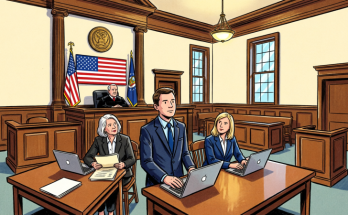
The next morning, I sat in court wearing a sweater Aunt Helen had knitted me years ago, the sleeves a little too long. It felt like armor.
They stood in orange jumpsuits.
My parents.
The people who taught me table manners, who told me to say “please,” who insisted reputation was everything.
Now their reputation smelled like stale jail air.
The judge read the charges: attempted breaking and entering, trespassing, vandalism, attempted fraud.
Their public defender cleared his throat. “Your Honor, my clients are facing eviction and believe they had a right to their daughter’s property—”
“No one has a right to someone else’s property,” the judge cut in. “Bail is set at ten thousand dollars each.”
Mom’s head snapped toward me, eyes wild with expectation, like she assumed I’d stand up and pay.
I didn’t move.
I didn’t blink.
I stared back until she looked away first.
They sat in jail for three days before Angela posted bail.
I found out because Kevin called me, voice tight. “You really let them stay in jail?”
“I didn’t put them there,” I said. “They broke into my house.”
“They’re desperate,” he insisted. “You don’t understand—”
“Oh, I understand,” I said. “They’re desperate because they spent their whole lives pretending they were rich.”
Kevin exhaled. “Natalie, what do you want?”
I wanted to say: I want you to see me. I want you to admit what they did to me. I want an apology that doesn’t come with a hand out.
Instead I said, “I want them to stop.”
After I hung up, I opened my laptop, not to work, but to build a fence they couldn’t climb: paperwork.
Diana filed for a restraining order. We scheduled a hearing. I gathered footage, screenshots, public records, everything.
Then I did something else.
I made a decision that felt like stepping onto a bridge I hadn’t known existed.
I looked up the foreclosure details on my parents’ house, the one they’d bragged about for thirty years. The one with marble counters, a chandelier taller than I was, a rose garden Mom treated like her only child.
There was an auction date. There were bank contacts. There was a number for cash offers.
I called.
The banker sounded tired, the way people do when they’ve heard every excuse. When I said “cash offer,” her tone changed, becoming suddenly respectful.
I didn’t buy it as Natalie Cross.
I bought it as an LLC I’d created years ago for rental properties, something boring and anonymous.
Stonebrook Holdings.
Cash offer. As-is. Quick close.
The bank practically sighed with relief.
The price made me blink: four hundred thousand.
They’d owed almost two million.
Their “mansion” wasn’t a mansion. It was a stage set held up by debt.
I wired the money.
Signed the documents.
And felt, not triumph, but a strange, steady sense of balance returning to the universe.
My parents were released on bail on a Friday.
They were served eviction papers on Monday.
The new owner was giving them seventy-two hours to vacate.
They called me that night.
Mom was sobbing into the phone, loud enough that it sounded performative. “Natalie, please. We have nowhere to go. No money. Nothing.”
I held the phone away from my ear for a second, letting the noise fade.
When I brought it back, my voice was quiet. “Rent an apartment.”
Dad’s roar thundered in the background. “We’re not those people!”
I almost laughed. Not because it was funny. Because it was so perfectly them.
“You’re right,” I said. “Those people probably didn’t try to steal their daughter’s house.”
Mom choked. “Family forgives.”
“Family doesn’t break in through the backyard,” I replied.
“Was buying our house your revenge?” Dad shouted.
“The bank’s house,” I corrected. “You haven’t owned it for months.”
Silence.
Then Mom’s voice, small and stunned: “You bought it?”
I leaned back against my kitchen counter and looked at the framed photo of Aunt Helen on the wall, her smile crooked, her eyes kind.
“What are you going to do with it?” Mom whispered.
I smiled, but it wasn’t cruel. It was certain.
“I’m turning it into transitional housing,” I said. “For women leaving domestic violence situations.”
Mom sucked in a breath like I’d slapped her.
Dad exploded again. “You’re destroying our lives!”
“No,” I said, and my voice finally carried something sharp. “You destroyed your own lives. You spent thirty years telling me I was worthless. You tried to steal what I worked for. You taught me losers don’t deserve property.”
I paused.
“Turns out you were right,” I said. “Losers don’t deserve property.”
And I hung up…………………….
Click Here to continuous Read Full Ending Story👉:“Parents brought a realtor to sell my house. Called me a loser. They didn’t know I owned it. Now I’m taking theirs.”__PART1