They don’t explain grief weaponized into paperwork.
They don’t explain the loneliness of realizing people sat at your dinner table already calculating your collapse.
Andrew entered federal protective medical custody after the island raid.
Stage four pancreatic cancer doesn’t pause for justice.
By the time investigators finished extracting information from him, he could barely stand without assistance.
I visited him only once.
The hospital room overlooked Lake Michigan.
Gray water.
Gray sky.
Machines humming softly.
He looked older than his years.
Not physically.
Spiritually.
Like guilt itself had weight.
When I entered, he tried sitting straighter automatically.
Old habits.
Old performances.
Then he stopped pretending.
“I never meant for this to happen.”
I stood near the window quietly.
“I know.”
That surprised him.
“You do?”
“Yes.”
And I did.
That was the tragedy.
Andrew wasn’t born monstrous.
He was weak.
Ambitious.
Afraid.
He walked into darkness believing he could benefit from it temporarily without becoming part of it permanently.
By the time he realized what Victor Dane truly was—
he was trapped.
That doesn’t excuse him.
But understanding evil and excusing it are not the same thing.
Andrew stared at the blanket covering his legs.
“I tried to protect you at the end.”
“You should’ve protected us at the beginning.”
His eyes filled instantly.
Not dramatic tears.
Broken ones.
The kind men cry when they finally stop defending themselves.
“I know.”
Silence settled between us.
Heavy.
Human.
Finally he whispered:
“Did your father hate me?”
I looked toward the lake.
“No.
I think that was what hurt him most.”
Andrew closed his eyes.
A few weeks later, he died quietly before dawn.
No cameras.
No dramatic final confessions.
Just a nurse holding his hand while machines slowed one by one.
I cried afterward.
Not because I forgot what he did.
Because mourning complicated people is one of the hardest things a heart can survive.
Victor Dane never saw freedom again.
The evidence proved too massive.
Too public.
Too interconnected.
Even his remaining allies abandoned him once the investigations threatened their own reputations.
That was the truth my father understood before anyone else:
people loyal to power are rarely loyal to each other.
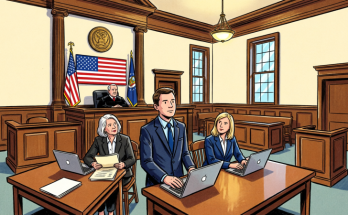
During sentencing, dozens of families testified.
Some spoke through tears.
Others through rage.
One elderly woman held a photograph of her husband and said:
“They convinced him he was a burden before they convinced him to sign.”
That sentence haunted the courtroom.
Victor listened to every testimony without visible emotion.
Until Samuel Navarro stood.
The old man walked slowly to the podium carrying the same photograph recovered from my father’s burned workshop.
Elias and Thomas together.
Young.
Laughing.
Alive before fear consumed their lives.
Samuel placed the photograph directly in front of Victor.
“You spent decades teaching people that dying makes them weak,” he said quietly.
“But you were wrong.
It makes predators impatient.”
For the first time ever, Victor Dane looked away.
That mattered more than the sentence itself.
My father’s name was eventually cleared publicly.
Officially.
Not as a paranoid old man obsessed with conspiracies.
As the first person who tried to stop one.
The state awarded him posthumous recognition for exposing systematic financial abuse tied to elder care fraud.
I accepted it for him standing beside my mother and Rachel.
Flashbulbs exploded.
Reporters shouted questions.
But all I could think about was how much he would’ve hated the attention.
Dad never wanted fame.
He wanted truth to survive him.
And it did.
The house slowly became peaceful again after that.
The workshop was rebuilt six months later.
Not identical.
Some things shouldn’t be recreated exactly.
But close enough that when the wind moved through the trees at night, it still sounded like home.
My mother planted new white roses beside the old garden.
Rachel moved nearby permanently.
Samuel visited every Sunday for coffee.
Grief rearranged all of us.
But not always cruelly.
Sometimes surviving horror teaches people how to love each other more honestly afterward.
One evening near sunset, I found myself sitting alone in my father’s rebuilt workshop holding the notebook he left behind.
The final page remained unfinished.
Only one sentence written there:
If Melissa survives this…
Nothing after it.
Blank space.
At first that emptiness hurt me terribly.
Then eventually I understood.
He didn’t finish the sentence because the rest belonged to me.
Not him.
Not Victor Dane.
Not Andrew.
Me.
I closed the notebook gently and looked around the workshop.
Sunlight filtered through the windows.
Dust floated lazily in the air.
Outside, the roses moved softly in the wind.
And for the first time in years, I felt something unfamiliar settle inside my chest.
Not revenge.
Not triumph.
Peace.
The kind earned slowly after surviving things that should have destroyed you.
People always ask afterward what the lesson was.
As if suffering becomes easier when packaged neatly into wisdom.
But if there was one thing I learned from all of this, it was this:
evil rarely introduces itself looking monstrous.
Sometimes it arrives wearing tailored suits.
Sometimes it speaks gently.
Sometimes it offers help.
Sometimes it marries into your family.
And sometimes the people who save you are not the loudest or strongest in the room.
Sometimes they are dying men hiding evidence inside walls because they refuse to let truth disappear with them.
My father once told me roses survive winter by going quiet, not by dying.
I finally understand what he meant.
Survival is not loud most of the time.
It is patient.
Stubborn.
Hidden underground until the season changes.
And eventually—
if protected carefully enough—
it blooms again.