I Bought My Dream Home In Secret. A Neighbor Warned, “Strangers Are Inside.” I Checked The Cameras — It Was My Brother’s Family Celebrating. That’s When I Dialed The Police.
Part 1
I bought my dream house in secret.
Not because I wanted to be mysterious. Not because I enjoyed hiding good news. I bought it in secret because my family had a talent for turning my victories into shared property, my effort into their entitlement, and my boundaries into something they could laugh at until I let them cross.
For years, the dream was simple: a place that was mine alone. Quiet. Solid. Safe. A house with windows that caught morning light, floors that didn’t creak like a complaint, and a door I could close without anyone arguing I owed them a key.
Cedar Lake Estate was the kind of house people point at when they drive by and say, “Must be nice.” White stone climbing with ivy, black iron gates, a long gravel drive that curved toward the water. The lake itself sat behind it like a promise, the surface always moving, always alive. It wasn’t a mansion. It wasn’t a celebrity compound. But it was more than anyone in my family believed I could ever have.
I worked for it the way you work for anything when no one is coming to save you.
Two jobs through college. A full-time role in operations after graduation and a side gig editing resumes on weekends. I lived on ramen, cold coffee, and stubbornness. I sold my car and biked through Minnesota winters so I could keep my savings growing. I said no to vacations. No to impulsive shopping. No to dating anyone who thought ambition was cute until it got inconvenient.
My father’s voice followed me through every sacrifice.
Cassie, you’re not going places. You dream too big.
My mother always had a quieter version of the same message, delivered with a sigh like I was exhausting her just by existing.
Be realistic. Your brother knows how to succeed. You’re not built like him.
Alder. Golden son. The one who never paid consequences. The one who stole my toys, then my clothes, then my ideas, and somehow my parents always called it sharing. Every time I resisted, they said I was selfish. Every time he took, they said he was confident. The family didn’t just favor him. They made him a crown out of my losses and told me to clap.
So when I finally got the loan approval, when my realtor handed me the keys, when the deed carried my name alone, I didn’t call my parents. I didn’t tell Alder. I didn’t post a picture. I didn’t even tell my closest coworkers until the last signature was inked and filed and sealed.
I told myself I’d celebrate quietly once I moved in. I’d take a deep breath, touch the walls, and let the victory feel real.
On move-in day, the air smelled like wet leaves and pine. I stood at the black iron gate with my new key pressed tight in my palm, letting myself taste the moment like it was something rare.
This wasn’t just a house.
It was every sleepless night. Every overtime hour. Every cheap dinner swallowed with a vision in my mind: my own front door.
I slid the key into the lock and felt it turn smoothly. The gate opened with a low, elegant swing. Gravel crunched beneath my tires as I drove up the curve of the driveway. The house rose ahead of me, white stone catching pale autumn light. The lake flashed through trees like a silver coin.
I parked, stepped out, and just stood there for a second.
Then I heard it.
Faint music.
At first I thought it was my imagination, a leftover echo from the stress of the last few months. But it came again, clearer, and my stomach tightened.
I crossed the porch, inserted my key into the front door, and pushed it open.
The scent hit me first: fresh paint and polished wood, clean and new. For a heartbeat, everything was quiet. The foyer was empty. The house felt like a blank page waiting for my handwriting.
Then my phone buzzed loud in the silence.
Unknown number. But the name was saved from our brief introductions a week earlier: my neighbor across the lake road, Mr. Harlow.
I answered, already uneasy.
His voice came sharp and urgent. “Cassie, I don’t want to alarm you, but there are people inside your house.”
My chest went cold. “What do you mean?”

“They’ve been there all evening,” he said. “Music, kids running around, balloons. Looks like a party.”
I went numb so fast it was like my body shut down to survive.
I ended the call with shaking hands and opened the security app on my phone. The previous owner had left the system, and during closing my realtor insisted I keep it active for the first few weeks. I’d meant to upgrade it later.
The screen flickered to life.
And my stomach dropped through the floor.
There they were.
Balloons strung across my living room like a celebration. Wine glasses clinking. Laughter bouncing off walls I hadn’t even touched yet. My hardwood floors—floors I’d dreamed about—scuffed by shoes that didn’t belong. My kitchen island littered with plates I hadn’t set.
At the center of it all stood Alder.
Tall. Grinning. Raising a glass like a king christening his new kingdom.
Lyra, his wife, leaned against the marble island, swirling wine like she’d chosen the countertop herself. Their kids darted up my staircase, shrieking with joy as though they’d lived there for years.
It hit me like a punch.
This wasn’t a misunderstanding.
This wasn’t “dropping by.”
This was claiming. Pretending. Erasing me before I’d even begun.
I sat down hard in my car across the street, eyes locked on the live feed. Shock turned to fury so sharp I could taste blood at the back of my throat.
My fingers tightened around my phone.
I pressed the emergency dial and forced my voice steady when the dispatcher answered.
“This is Cassie Drexler,” I said. “I’m the legal owner of a property on Cedar Lake Drive. There are intruders inside my home.”
“Do you know the individuals?” the dispatcher asked calmly.
I stared at Alder’s smug face on the screen, his glass raised high.
“Yes,” I whispered, steel threading my voice. “I know them too well.”
I waited, watching the feed like it was a crime documentary starring my own blood. The night pressed in. The lake reflected faint house lights like it was pretending nothing was wrong.
Then red and blue lights spilled across the driveway.
Officers stepped out, silhouettes moving toward my front door.
Inside on my phone screen, I saw sudden movement—Lyra scrambling to hide glasses, hissing at the kids to go upstairs. Alder walked to the door wearing that smile that had fooled everyone his whole life.
But not me.
Not anymore.
The knock echoed through my house.
And the confrontation I’d spent my whole life avoiding was finally going to happen on my terms.
Part 2
Alder opened the door like he was greeting guests.
“Evening, officers,” he said smoothly, leaning on the doorframe with casual confidence. “Can I help you?”
Even through the camera feed, I could see how practiced he was. Alder didn’t panic under pressure. He performed. He turned any accusation into a stage and made everyone forget who’d actually done wrong.
The officers asked for proof of residence. Alder didn’t flinch.
“This is family property,” he said with a laugh that sounded friendly until you realized it was meant to disarm. “We’ve been coming here for years.”
Behind him, Lyra moved fast, sweeping wine glasses off the counter, shushing the children. The house that had been alive with noise moments earlier went still.
A kind of silence that exposes a lie.
I stepped out of my car and walked up the driveway with my folder tucked under my arm. The night air bit at my skin, grounding me as adrenaline surged. Gravel crunched beneath my shoes. My heart pounded, but my hands stayed steady. I’d rehearsed too many arguments in my head for years. Tonight I wasn’t arguing.
I was documenting.
Alder’s smile faltered when he saw me, then recovered instantly.
“Cassie,” he said with mock warmth. “Good to see you. Officers, this is my sister. She’s… well, she wouldn’t have been able to buy this place without me.”
There it was.
The rewrite.
The same trick he’d used since we were kids: claim ownership over my effort, make me sound unstable if I disagreed, and rely on our parents’ reflex to believe him first.
I handed the folder to one of the officers.
Inside were copies of the deed with my signature, the mortgage papers tied to my credit, the bank statements showing the down payment transfer from my accounts, and the closing documents with the title insurance. Every page was a record of sacrifice. Proof that this wasn’t a family gift. It wasn’t a shared dream.
It was mine.
Alder tried again, voice pitching slightly higher. “Ask her where the down payment came from. I lent her the money. Without me, she couldn’t afford a place like this.”
The lie stung even though I expected it.
For a split second, I felt twelve again, standing in our childhood kitchen while Alder spun some story and my parents nodded along, eyes fixed on me like I was already guilty for reacting.
My throat tightened. Anger clawed up.
I pushed it down.
If I lost my temper, Alder would label me dramatic. If I raised my voice, my parents would say I was proving him right. That was the trap: they made my emotional response the evidence, never his actions.
So I didn’t give them emotion.
I gave them facts.
“Every dollar is mine,” I said calmly. “I have the statements. I have the loan approval. He has nothing.”
The officer flipped through the documents, careful and thorough, eyes scanning the certified stamps.
Then he closed the folder, handed it back to me, and turned to Alder.
“Sir,” he said, firm, “unless you can provide proof of ownership or authorization from the owner, you and your family will need to leave the premises.”
Alder’s mask cracked for the first time. His grip tightened on the doorframe, knuckles white.
Lyra appeared behind him, face tight and brittle. “This is ridiculous,” she snapped. “She’s lying. He—”
“And these are the facts,” I cut in, voice steady. “This is my house. Not yours. Not ours. Mine.”
The officer shifted, one hand resting near his belt. “Do you want them trespassed, ma’am?” he asked me.
The question hung in the night air like a blade.
Alder’s eyes locked on mine, daring me to back down. He was betting on shame. Counting on me to fold like I always had, to avoid conflict because peace was something I’d been trained to protect even when it cost me.
My chest ached with the weight of years of silence.
Then I heard my own voice, clear and unshaking.
“Yes,” I said. “Trespass them.”
Alder’s mouth opened and closed. The charm dissolved into fury. Lyra hissed curses under her breath and pulled the kids down the stairs, muttering about ruined plans. The officers stepped forward, firm and unyielding, and escorted them out.
They didn’t drag them. They didn’t need to. Alder went stiff, refusing to make a scene that would look bad for him. He walked like a man who still believed he could spin this later.
At the driveway edge, he turned back.
“This isn’t over,” he said quietly, venom tucked behind the words. “You’re making a mistake.”
I didn’t answer.
I watched their car pull away into the dark.
The house—my house—fell quiet again. No laughter. No clinking glasses. Just the soft hum of my HVAC system and the lake’s wind brushing the trees.
I walked inside for the first time without strangers’ noise.
Balloons drooped from the banister like exhausted evidence. A smear of frosting stained my counter. Tiny footprints tracked across the floor. My chest tightened with grief I didn’t want to name: grief that my family’s first instinct was to take, not congratulate.
I spent the rest of the night cleaning in a numb trance, wiping away their celebration like it was contamination. Every plate I washed felt like an undoing. Every balloon I popped felt like a small reclaiming.
By morning, my phone was vibrating nonstop.
Mom. Dad. Voicemails piling up. Messages from cousins I barely spoke to.
I finally answered my mother’s call while sitting at my kitchen island, staring at a spotless counter that still didn’t feel safe.
Her voice came sharp and scolding before I could speak. “Cassie, what have you done? You embarrassed your brother in front of the entire neighborhood.”
Not why was he inside your house.
Not how dare he break in.
Only what have you done.
My father cut in, low and firm. “That house was meant for family. Not for one person to hoard.”
I gripped the edge of the island. “Family doesn’t break in,” I said. “Family doesn’t throw parties in a home they didn’t earn.”
There was a pause.
Then my father sighed like I was being difficult. “Alder says he lent you the down payment,” he said. “He says you’re hiding it, pretending it’s yours alone.”
Ice sank into my gut.
So Alder had already started laying groundwork before I even knew. He’d poisoned the story, stitched his lie into the family narrative so tightly it would feel familiar by the time I spoke.
“That’s a lie,” I said, voice shaking now despite my efforts. “I have proof. Every cent came from me.”
My mother’s reply was instant and cruel in its familiarity.
“We believe Alder,” she said. “He’s always been responsible. You’ve always chased things too big for you.”
The old ache returned like a wound reopened.
I ended the call and sat there trembling, not from fear.
From resolve.
If the truth wasn’t enough for them, then the law would be.
And this time, I wasn’t going to fight in the shadows of family opinion.
I was going to fight where facts mattered more than favoritism.
Part 3
I tried to lose myself in work the next morning, pretending spreadsheets and deadlines could drown out the fact that my own parents had taken my brother’s side again, like they always did.
I barely made it through two emails before the receptionist buzzed my phone.
“Cassie,” she said quietly, “there’s someone here asking for you. He says he’s your brother.”
My stomach turned.
I stepped into the lobby and froze.
Alder stood leaning against the front desk with a smile stretched across his face like he owned the building. He was charming the receptionist, voice sweet, posture relaxed, as if showing up at my workplace uninvited was a normal sibling thing.
Coworkers glanced over, curiosity sparking.
Alder’s eyes lit up when he saw me. “There she is,” he said warmly, loud enough for everyone to hear. “My hardworking sister.”
I clenched my jaw and motioned for him to follow me without a word.
Inside a small conference room, I shut the door.
Alder slid into a chair and stretched back like he had all the time in the world. “Cassie,” he said, voice syrupy, “you can’t keep that house for yourself.”
I stared at him. “Watch me.”
He laughed, shaking his head like I was adorable. “It’s too big,” he said. “Too expensive. Too much for one person. Why not make it a family home? A place for gatherings. Holidays. A true legacy.”
My laugh came out bitter. “A family home,” I echoed, “is that what you call breaking in and throwing a party like you already owned it?”
His smile thinned. “You’re being dramatic,” he said, and there it was again—his favorite weapon.
“If you don’t agree,” he continued, leaning forward, “everyone will turn against you. Mom, Dad, the relatives. They’ll see you for what you are. Selfish.”
I sat back, watching him weave the web like he always had. Alder relied on one thing more than money or charm.
He relied on my fear of being the villain.
“You forget,” he said softly, eyes narrowing, “I can make this ugly.”
“I already have a police report,” I replied, keeping my tone even.
A flicker crossed his face. Surprise. Then anger. “You really went that far,” he said.
“I had to,” I replied. “You don’t respect no.”
His jaw tightened. “You want me to tell everyone you used my money for that down payment?” he hissed. “People will believe me. They always do.”
I reached into my bag and placed a folder on the table.
Inside were copies of the deed, the mortgage, the police report, and—new this morning—a cease-and-desist letter Paula, the attorney I’d hired overnight, had drafted and sent to Alder’s email.
He didn’t touch the folder, but I saw his eyes flicker as the weight landed.
“If you step onto my property again,” I said calmly, “you’ll be arrested.”
Alder swallowed, then scoffed. “You’re going to burn the family down over a house?”
I leaned forward, meeting his eyes without flinching. “If the truth burns it down,” I said, “it wasn’t built on anything real.”
For a long beat, we stared at each other. The hum of the building’s ventilation was the only sound.
Then Alder shoved back his chair so hard it rattled. He stormed to the door, hand on the knob, and spat over his shoulder, “You’ll regret this.”
He slammed the door and walked out like a man who still believed volume could win.
Two days later, his story hit social media like a wildfire.
A coworker sent me a screenshot with a short note: You should see this. They’re talking about you.
It was Alder’s latest performance. A photo of him, Lyra, and their kids squeezed into their cramped rental living room, faces arranged into a tableau of suffering.
Caption: Some people hoard everything for themselves while their own blood struggles. Family should mean sharing.
The comments flooded in.
Old friends from our hometown. Cousins I hadn’t spoken to in years. People who had no idea what they were looking at.
How selfish.
Imagine having so much and not helping your family.
Shameful.
I scrolled, numb at first, then burning.
Then the knife twisted deeper.
My parents commented beneath Alder’s post.
My father: He was always difficult. Alder is right.
My mother: Family comes first. Alder has always understood that.
I stared at their words until my eyes blurred.
They weren’t just watching him lie.
They were handing him the megaphone.
That night, I sat alone in the half-empty house—still bare walls, furniture not yet moved in, silence stretching long across polished floors. The lake outside shimmered with streetlight reflections, rippling like it was mocking me with calm.
I did what I had learned to do when chaos tried to swallow me.
I documented.
Screenshots of every comment. Saved copies of the post. Backup files. I logged into my security system and pulled the footage from the night of the party, capturing Alder’s smug toast in my living room.
I created a timeline: neighbor call, camera feed, police arrival, trespass order, social media smear, workplace intimidation.
Proof doesn’t care about family narratives.
Proof just exists.
Paula called me that evening. “He’s building a public case to pressure you,” she said. “But you’re not alone. We’ll handle it.”
I didn’t realize how much I needed to hear those words until my throat tightened.
Later, an old friend from high school messaged me privately.
I know what he’s doing. I believe you. Lies fade, but proof doesn’t. Keep it close.
A spark of strength cut through the fog.
Not everyone was lost to Alder’s story.
Not everyone would choose the mask over the facts.
And for the first time, I let myself feel something like determination instead of despair.
If my family wanted to paint me as the villain, fine.
I had evidence.
I had counsel.
And I had a house with my name on it, a line in the sand my brother couldn’t charm his way across.
The war was no longer just within the family.
It had spilled into the world.
And this time, I was ready to fight where truth had weight.
Part 4
The pounding started on a Sunday afternoon.
Not polite knocks. Not hesitant taps. Fists against wood, heavy and insistent, the kind of sound that assumes the door will open because it always has.
I looked through the peephole and felt the old chill crawl up my spine.
Lined up on my porch like they were entering a courtroom stood my parents, Alder, and Lyra.
Their faces carried the same rehearsed calm I’d seen my whole life, but their eyes betrayed the storm underneath.
I opened the door only halfway, keeping my body in the frame.
My father stepped forward first, voice dripping with honey. “Cassie,” he said, “this doesn’t need to be ugly.”
Lyra cut in before I could answer. “This house could be a home for all of us,” she snapped. “A place for family gatherings. Holidays. A true legacy.”
Alder nodded, hands in his pockets, wearing that familiar confidence like armor. “It’s too much for you alone,” he said softly. “Be reasonable.”
My mother’s eyes were sharp. “You don’t have a husband,” she said. “You don’t have children. Why do you need all this space?”
I stared at them, saying nothing. Silence can be a weapon when you stop using it as surrender.
Alder reached into his coat pocket and pulled out a folded piece of paper. He smoothed it out with the pride of a man presenting a solution.
“Here’s the agreement,” he said. “Sign this and you avoid lawyers, court, embarrassment. You keep half. We take half. Simple.”
The paper shook slightly between his fingers—not from nerves, from arrogance. Like he’d already decided I would fold.
I pulled my phone from my pocket and pressed record. Holding it up, I said clearly, “Everything you’re saying is being recorded.”
The color drained from their faces in unison.
My father stiffened. My mother’s lips parted. Lyra’s eyes darted to the phone like it was a weapon.
Alder’s jaw clenched.
My father’s voice hardened, stripped of syrup. “If you don’t sign,” he said coldly, “you’re no child of ours. We’ll cut you off. You’ll be alone.”
Alone.
That word used to terrify me.
As a kid, being “cut off” meant punishment and shame. It meant silence at dinner, my father’s disappointment like a physical weight, my mother’s sighs like knives.
But standing there in the doorway of the house I’d built, I realized something new.
To be their daughter meant to be sacrificed for Alder.
To be loved meant to be erased.
I straightened my back. “Then I guess I’ll be alone,” I said evenly. “Because I will not give this house up. Not to him. Not to you.”
My mother’s eyes brimmed with something that looked like tears but didn’t feel like regret. It felt like frustration. Like a plan failing.
Alder stepped forward, fury etched into his face.
I closed the door slowly, firmly, until the latch clicked.
Through the window, I watched them retreat down my driveway, shoulders stiff. Alder gestured sharply as they walked, his rage animated and loud even without sound.
They had come to break me.
Instead, I had ended the conversation on my terms.
That night, Paula filed for a restraining order based on the police report, the workplace intimidation, and the recorded doorstep demand. We didn’t dramatize it. We didn’t exaggerate. We laid out facts the way you lay out a case: clean, chronological, undeniable.
Two days later, my credit monitoring service pinged an alert.
Attempted inquiry. Hard pull. Mortgage-related.
My stomach tightened. Alder.
He was trying to file something. A claim. A lien. A refinance attempt. Something dirty that could create a legal headache.
I called Paula immediately. She contacted the credit bureaus, froze my credit, and sent an additional notice to Alder and his attorney.
“We’re documenting escalation,” Paula said. “He’s making your case stronger.”
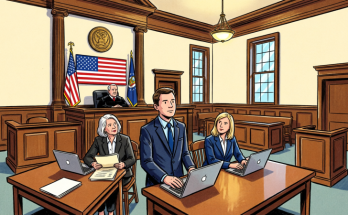
The hearing date arrived faster than I expected. The courthouse felt too quiet for how hard my heart pounded. My folder was thick in my hands, heavy with paper and years.
Inside were the deed, mortgage, bank statements, closing disclosures, the police report, screenshots of Alder’s smear post and my parents’ comments, security footage of the party, and the recording from my porch.
My family sat on the opposite side dressed in their finest. Alder wore a sharp suit and a confident expression like he expected the judge to be another audience member he could charm. Lyra sat stiff beside him, arms crossed, eyes cutting toward me with disdain.
My parents avoided my eyes entirely, faces carved into stone.
When the judge entered, the room rose, then sat.
Alder’s lawyer spoke first, voice smooth and practiced. “Your Honor, this home was funded with family resources. Mr. Drexler provided financial support. The intent was always for the property to serve as a family home.”
Family home. The same phrase they used to justify theft.
When it was my turn, I stood with my hands steady.
“Every cent came from me,” I said. “Every paycheck, every wire transfer, every loan tied to my name. I have documentation. I also have evidence of trespass, intimidation, and attempted coercion.”
Paula handed the folder to the clerk.
The judge flipped through, eyes scanning stamps and signatures. Then she gestured toward the screen.
“Play the footage,” she said.
My living room filled the courtroom projector. Balloons. Kids running. Alder’s glass raised. His voice echoing in my house.
“Here’s to us,” he toasted. “Finally moving up in the world.”
The courtroom stirred. Murmurs rippled through benches.
Alder’s lawyer tried to wave it off. “That was clearly a joke,” he said. “Taken out of context.”
Paula didn’t blink. “Then let’s hear the context,” she replied.
She played the porch recording.
Alder’s voice demanding I sign over half the house. My father threatening to disown me. My mother insisting it was too much for me alone.
Silence swallowed the room.
Alder’s mask cracked into anger. Lyra muttered under her breath, gripping the table edge.
The judge tapped her gavel once, the sound sharp and final.
“The evidence is conclusive,” she said. “Cedar Lake Estate is the sole and lawful property of Cassie Drexler. All claims to the contrary are dismissed.”
Relief surged through me so hard my lungs felt too small.
Then the judge continued, voice firm.
“Additionally,” she said, “any further attempts to access, encumber, or enter this property without permission will be treated as harassment and trespass. A protective order is granted.”
The gavel struck again.
The sound sealed more than a legal decision.
It sealed a lifetime of being told I didn’t deserve what I earned.
And as I walked out of the courtroom with my folder clutched to my chest, I realized the truth I’d avoided for years:
This was never just about a house.
This was about my voice.
And I had finally taken it back in a room where Alder’s story couldn’t outrun my proof.
Part 5
By the time I returned to Cedar Lake, my phone was vibrating nonstop.
Cousins. Old friends. Coworkers who’d been polite but distant after Alder’s smear post. Even people I hadn’t heard from in years.
I’m sorry. I believed him.
You were right.
I can’t believe your parents did that.
Alder’s insane.
Vindication is a strange feeling. It tastes sweet for a second, then turns bitter when you realize people only believe you once a judge stamps your truth into the public record. Without that, I would still be the selfish sister. The hoarder. The villain.
I scrolled until my eyes blurred, then set the phone down on the kitchen counter.
The house was quiet, finally. The silence wasn’t empty anymore. It was clean.
Alder disappeared from the internet almost overnight. His posts vanished. His page went blank. Lyra’s account went private. Their friends stopped commenting. The narrative collapsed because it couldn’t survive against evidence.
Two days later, a relative I barely kept in touch with sent me an audio file.
I hesitated before pressing play, but curiosity won.
Alder’s voice poured through my speaker sharp and angry. He was berating my parents for “letting things unravel in court,” for “humiliating” him, for “choosing Cassie over family unity.”
He wasn’t sorry for trespassing or lying.
He was only sorry he’d been caught.
The recording confirmed what I’d always known deep down: Alder didn’t want connection. He wanted control. And when control failed, he blamed everyone else.
That evening, there was another knock at my door.
Quieter this time. Hesitant.
Through the window, I saw my parents standing together, shoulders slumped, faces tired.
Part of me wanted to ignore them. Part of me wanted to open the door and demand an explanation for every time they’d chosen Alder’s comfort over my safety.
Instead, I opened the door and stood in the frame, holding the boundary with my body.
My father spoke first. “You’ve won,” he said, voice tight. “No one can take it from you.”
My mother’s eyes darted around my foyer like she was measuring the space, still calculating.
My father continued, and his tone sharpened the way it always did when he tried to regain authority. “But do you understand what you’ve done? You brought shame on this family. Everyone is talking.”
I stared at him.
“If the family’s honor depends on lies,” I said steadily, “then it deserves to fall.”
My father flinched as if he hadn’t expected me to say it so plainly.
My mother’s face crumpled then, eyes wet. “We thought Alder needed more from us,” she whispered. “We thought you were stronger. That you didn’t need the same protection.”
Her words hit harder than I wanted to admit. Not because they were kind. Because they were honest.
They had always treated my strength as permission to neglect me.
I didn’t comfort her. I didn’t soften. I didn’t become the old Cassie who soothed her parents’ discomfort so the family could pretend everything was fine again.
“I’m not here for apologies,” I said quietly. “I’m here for reality.”
My father’s jaw tightened. “Reality is you’ve made yourself an outsider,” he snapped.
I held his gaze. “No,” I said. “Reality is you’ve spent your whole lives making me one, and I finally stopped begging to be included.”
Silence filled the doorway.
My mother looked down, hands twisting in front of her.
My father’s shoulders sagged, just a fraction.
“I won’t let anyone take what I’ve built again,” I said. “Not Alder. Not you. Not anyone.”
They didn’t argue. They didn’t defend. They just stood there like people who’d lost control of a story they’d been telling for decades.
When they left, I closed the door and leaned my back against it, heart pounding.
Not because I was afraid.
Because something inside me had finally unclenched.
Over the next week, I moved in fully. Furniture deliveries arrived. I hung curtains. I unpacked boxes that had sat in my apartment for years because I never felt settled enough to make life feel permanent.
My neighbor Mr. Harlow came over with a pie and a quiet, respectful smile. “Just wanted to say,” he said, “I’m glad you called the police.”
“Me too,” I replied.
He nodded. “Some people think being related is a key,” he said. “It isn’t.”
As if the universe wanted to test that truth, Alder tried one more time.
He showed up at my gate late one night, staggering slightly, furious and desperate. The security cameras caught him yanking at the iron bars and yelling my name into the dark like the whole lake should listen.
I didn’t open the door.
I called the sheriff.
The protective order did its job. Deputies arrived, told him to leave, and when he refused, they arrested him for violating the order.
Alder’s mugshot popped up online the next morning. The same face that had once smiled through every consequence now looked stunned, as if he couldn’t believe the world finally stopped bending.
My parents didn’t call me to complain about shame this time.
They didn’t call at all.
Maybe the arrest finally made them understand that this wasn’t a family argument anymore.
It was the law.
It was boundaries.
It was me choosing myself.
That night, I stood in my living room and turned the lights off one by one, watching the house settle into quiet. The lake outside reflected the moon like a soft promise.
I lit a single candle on the mantle, its glow flickering across walls that finally felt like mine.
Peace didn’t arrive as a dramatic moment.
It arrived as something simple:
A door that stayed closed.
A boundary that held.
A home that was mine and would remain mine, no matter how loudly anyone tried to claim it.
And in that quiet, I realized the dream house wasn’t my ending.
It was my beginning.
Part 6
The first time I slept through the night in Cedar Lake Estate, I woke up confused.
No adrenaline. No half-dreams of someone pounding on my door. No reflex to check my phone for a crisis. Just morning light spilling across my bedroom floor and birds making noise like they owned the trees.
It took me a minute to understand that safety can feel unfamiliar when you’ve spent your whole life bracing.
I made coffee and walked barefoot through the kitchen, letting my feet learn the space. The house still smelled new—paint, wood, a hint of lake air drifting in when I cracked a window. I stood at the back door and watched the water ripple, and for the first time, I wasn’t imagining my family in the background.
They had always been there before, like a shadow behind every achievement.
Now there was only me.
Work continued. I went back to my job, but something had changed in the way I carried myself. Coworkers who had watched Alder’s smear post quietly now looked sheepish. A few apologized. Some didn’t, and I remembered that neutrality is often just fear in nice clothes.
The strangest part was how quickly the world moved on once the court ruling happened. People love drama, but they love forgetting even more. Alder’s story became last week’s gossip. My parents’ comments were buried under new posts and new scandals.
But the legal consequences remained.
The protective order stayed in place. Alder’s violation meant he had a court date of his own, and the judge issued a warning that another incident would mean real jail time, not just a night in holding.
Lyra tried damage control. She messaged me once, from a new number, with a tone that felt both insulting and pleading.
Cassie, this is ruining the kids. Can’t you just let it go?
I deleted it without answering.
Let it go was always code for: let him get away with it.
I hired a locksmith to change every lock in the house, even though I already had new keys, because I refused to trust that Alder hadn’t copied something somewhere. I upgraded the camera system. I installed motion lights. I set up a gate code that only I and two trusted friends had.
For a while, my friends were my anchor.
My coworker Janelle came over with pizza and sat on the floor with me because my furniture hadn’t arrived yet. My college friend Mia helped me assemble bookshelves, laughing when we put one panel on backwards.
“We’re building your fortress,” Mia joked, wiping sweat from her forehead.
“It’s not a fortress,” I corrected automatically.
Then I paused and smiled. “Actually, it is.”
On weekends, I unpacked slowly, turning my boxes into a life. Each drawer I filled felt like an act of claiming. Each picture frame I set on a shelf felt like proof I was allowed to exist without permission.
I also did something I’d avoided for years.
I started therapy.
Not because I was broken in a dramatic way, but because I was tired of carrying old pain like it was my job. The therapist, a steady woman named Dr. Kline, asked me early on, “What did it feel like when your parents sided with Alder?”
The answer came too fast.
“Normal,” I said.
Dr. Kline nodded like she understood. “That’s the problem,” she said. “When harm feels normal, boundaries feel like betrayal.”
I swallowed hard.
She was right.
The hardest part wasn’t the night Alder trespassed.
The hardest part was the way my body still expected to be punished for defending myself.
A month after the court ruling, my father tried to call me.
I stared at his name on my phone until it stopped ringing.
Then he texted:
We need to talk. Your mother is upset. The family is fractured.
Fractured.
As if my house had caused it. As if Alder’s theft and their enabling were footnotes.
I didn’t respond.
Two days later, Nate texted me instead.
Cassie, I’m sorry. I didn’t know how bad it was. He’s spiraling. Mom and Dad keep blaming you. I don’t agree. I just… I don’t know how to fix it.
I stared at the message for a long time.
Nate wasn’t the golden child. Alder was. Nate was the quieter sibling in the middle—old enough to have seen things but young enough to have learned silence as survival.
I finally replied:
You can’t fix it. You can only decide what you’ll tolerate.
Nate’s response came a few minutes later.
I’m trying.
Good, I thought.
Because I had stopped trying to fix them. It was never my job.
One evening, Mr. Harlow waved me down as I checked my mail. “Saw a moving truck last week,” he said. “Thought you might be having company.”
My stomach tightened automatically.
He shook his head quickly. “Not you,” he added. “Your brother. He’s been telling people he’s ‘moving soon.’ Like he still thinks it’s his.”
I exhaled slowly.
Even after handcuffs, even after court, even after humiliation, Alder’s entitlement still breathed.
I looked at my gate. My cameras. My locks. The legal order in my file drawer.
“Let him tell stories,” I said quietly. “He can’t live in them anymore.”
Mr. Harlow nodded with the solemn approval of someone who respects boundaries the way he respects fences.
That night, I stood in my living room with its newly placed couch and rug, and I turned on music for the first time—not as noise to drown out anxiety, but as joy.
The song echoed off my walls.
My walls.
I walked to the back windows and watched the lake shimmer under streetlights, calm and endless.
My family had tried to steal my dream house the way they’d stolen everything else.
They failed.
And in the quiet after, I realized something even more valuable than the deed:
I had proven to myself that I could protect what I built.
Not with begging.
Not with pleasing.
With boundaries, evidence, and the willingness to let people be angry.
That was the price of peace.
And for the first time, I could afford it.
Part 7
In early spring, Cedar Lake Estate stopped feeling like a new purchase and started feeling like a home.
It happened in small moments: the way my mug fit the kitchen shelf without wobbling, the way my coat hung by the door like it had always belonged there, the way I stopped checking the security feed every hour. Not because I was careless, but because I trusted the systems I built.
The house warmed into me.
And I warmed into myself.
I hosted my first dinner party in May. Nothing fancy. Just Janelle, Mia, Mr. Harlow and his wife, and two coworkers from the office who had quietly supported me when the smear campaign hit. We ate pasta, drank cheap wine, and laughed about dumb things.
At one point, Mia looked around my dining room, the sunlight catching the lake through the windows, and said, “I can’t believe they tried to take this from you.”
“Of course they did,” I replied.
Janelle snorted. “The only surprising part is that you didn’t burn the whole family tree down.”
I smiled, but my chest tightened.
Because the truth was, I had burned something down.
Not them.
The version of myself that believed love meant surrender.
After dinner, when everyone left, I stood in my kitchen alone and listened to the quiet.
It wasn’t lonely.
It was peaceful.
That difference mattered.
A week later, my mother sent a letter.
Not an email. Not a text. A physical letter, as if paper might make her words feel heavier.
Cassie,
We never imagined you would do this to us. Alder is struggling. Your father is heartbroken. We raised you to value family. This house is creating division.
I read it once, then placed it in a drawer without responding.
Dr. Kline asked me later, “What would responding accomplish?”
I thought about it.
It would invite debate. It would invite guilt. It would invite my mother’s favorite sport: rewriting.
So I didn’t respond.
I went for a walk by the lake instead, letting wind and water calm what her letter tried to stir.
That summer, Alder’s life began to unravel publicly.
Lyra filed for separation. She didn’t announce it online, but it slipped out through neighbors and mutual acquaintances. Alder had maxed out credit cards, taken loans, promised “big deals” that never came through. The same arrogance that told him he could claim my house had told him he could outrun math.
My parents tried to stabilize him the way they always had: with excuses, denial, and enabling.
But now they didn’t have my silence to protect their narrative.
The court ruling had turned the family’s private dysfunction into something visible, and visibility makes lies harder to carry.
Nate visited me once in late July. He arrived alone, parked by the gate, and waited until I opened it. That alone told me he was trying.
He stood awkwardly on my porch, hands in pockets, eyes scanning the lake like it might offer him words.
“Mom’s furious,” he said finally. “Dad’s quieter. Alder’s… Alder’s still Alder.”
I nodded. “I figured.”
Nate swallowed. “I’m not here to ask you to fix anything,” he said quickly, as if he was afraid I’d shut the door. “I just… I needed to see you. In your place.”
I stepped aside. “Come in,” I said.
Nate walked through my foyer slowly, like he expected someone to jump out and accuse him of trespassing. He looked at the framed photos on my wall—friends, travel, small moments of joy—and his expression shifted.
“This looks like you,” he said softly.
I poured coffee and we sat at my kitchen island. Nate stared into his mug, then said, “I thought you were exaggerating when you said it wasn’t just about the house.”
I didn’t reply. I let him finish.
“It’s about how they always made you smaller,” he admitted. “And how they made Alder bigger. I didn’t want to see it.”
I studied him. “Why now?” I asked.
Nate’s laugh came out bitter. “Because now he’s aiming at me,” he said. “He wants me to ‘help’ him. Which means pay his bills and let him call it family. Dad wants me to do it too.”
I felt a flicker of something like sympathy. Not pity—sympathy. Nate was finally standing where I’d stood for years.
“What are you going to do?” I asked.
Nate looked up. “I’m going to say no,” he said, voice shaky. “And I’m scared.”
I nodded. “That’s normal,” I said. “Saying no feels dangerous when you were trained to say yes.”
Nate exhaled slowly, shoulders dropping a fraction. “How did you do it?” he asked.
I thought about the night I watched Alder toast in my living room. About the way my parents blamed me for calling the police. About the courtroom, the gavel, the protective order.
“I got tired of paying for peace,” I said quietly. “Peace isn’t supposed to cost you everything.”
Nate stared at me like the sentence was both simple and impossible.
When he left, he hugged me briefly on the porch. “I’m proud of you,” he whispered.
My throat tightened. “Thanks,” I said.
After he drove away, I stood on my porch and watched the lake shimmer. The sun was low, turning the water gold. The house behind me felt warm and solid.
My phone buzzed.
Alder.
Unknown number, but I recognized the pattern of the digits. He’d found a way around blocks.
I didn’t answer.
A voicemail arrived seconds later, his voice thick with rage.
“You think you’re better than us,” he spat. “You think you can hide behind the law. You’ll regret it. You’ll regret being alone.”
I listened once, then deleted it.
Alone used to be a threat.
Now it sounded like an offer.
Because in my home, alone meant safe.
Alone meant mine.
And as the summer wind moved through the trees by the lake, I understood something with quiet certainty:
My family had tried to steal my house, but what they really wanted was the old version of me—the version who would surrender to keep them comfortable.
That version was gone.
And no amount of rage could bring her back.
Part 8
The first snow fell early that year, soft and quiet, frosting Cedar Lake Estate like it was sealing the story.
I watched it from my living room with a mug of tea, lights glowing warm inside my windows, and I felt something I had never associated with winter before.
Safety.
In December, an official-looking envelope arrived from a law office I didn’t recognize. For a second, my stomach tightened. Old reflex. Family trouble always arrived in paper form.
I opened it carefully.
It was a notice: Alder had attempted to file a civil claim arguing he had “financial interest” in Cedar Lake Estate based on alleged contributions.
Paula called within an hour, calm as ever. “It’s nonsense,” she said. “But it’s another harassment tactic. He’s trying to drain you with paperwork.”
“What do we do?” I asked.
“We respond once,” Paula said. “Firmly. Then we petition for sanctions if he keeps filing frivolous claims.”
I stared out at the snow. “Do it,” I said.
The court dismissed Alder’s claim quickly. His lawyer withdrew soon after, likely realizing there was no evidence and plenty of risk. Alder didn’t have the money to keep hiring attorneys, and for once, his charm couldn’t compensate for the lack of facts.
That should have been the end.
It wasn’t.
In February, my mother showed up at my gate.
Not with Alder. Not with Lyra. Alone, wrapped in a thick coat, hair pinned back like she was preparing for a battle of dignity.
I watched her through the camera feed first, because trust takes time to rebuild once it’s been used as a weapon.
I stepped outside but didn’t open the gate.
She looked up at me through the bars like I was the one who’d imprisoned her.
“You won’t even let me in,” she said, voice trembling with outrage and something else. Fear, maybe.
“I’m not stopping you from leaving,” I replied. “I’m stopping you from crossing my boundary.”
My mother’s eyes flashed. “I’m your mother.”
“And I’m your daughter,” I said. “That didn’t stop you from siding with him.”
She flinched as if the truth was a slap. “Alder is falling apart,” she hissed. “He lost his job. Lyra took the kids. He’s staying in a motel. Your father is sick with worry.”
I waited, silent, listening for the real ask.
My mother pressed her palm against the cold iron. “He needs help,” she said. “And we need you to stop this. Stop fighting. Let him back in. Let him—”
“Let him take,” I finished calmly.
Her mouth tightened. “Let him have a chance,” she snapped. “He made a mistake.”
“He made a plan,” I corrected. “He broke in. He lied. He tried to force me to sign over my property. He tried to destroy my reputation. That’s not one mistake.”
My mother’s eyes filled, and for a second, I saw something close to grief behind her anger. “You’re punishing us,” she whispered.
“No,” I said. “I’m protecting myself.”
She shook her head sharply. “This house changed you.”
I almost laughed.
“This house didn’t change me,” I said. “It just gave me enough stability to stop accepting what you taught me was normal.”
My mother stared at me through the bars, and for the first time, I could see the crack in her certainty: the realization that she no longer had access. No longer had leverage.
“What do you want, Cassie?” she asked finally, voice low.
The question used to trap me. It used to make me plead for love, for fairness, for an apology that meant nothing without change.
Now my answer was simple.
“I want you to stop,” I said. “Stop asking me to sacrifice myself for Alder. Stop pretending his entitlement is my responsibility. Stop threatening me with loneliness like it’s worse than being used.”
My mother’s shoulders sagged slightly. She looked older, suddenly. “He’s your brother,” she whispered.
“And I’m your daughter,” I said again, softer but firm. “You don’t get to only remember that when you need something.”
She stood there a moment longer, then turned away without another word.
I watched her walk down the road, her coat flapping in the wind, and felt an ache that wasn’t guilt.
It was mourning.
Mourning the mother I wished she could be.
That night, Nate called me.
“I heard Mom went to your house,” he said, voice tense.
“Yes,” I replied.
Nate exhaled. “I told them no,” he said. “I told them I’m not paying Alder’s motel. Dad yelled. Mom cried. Alder called me a traitor.”
Nate paused. “But I said no.”
A smile tugged at my mouth. “Good,” I said.
Nate’s voice cracked. “It feels awful.”
“It will,” I told him. “Then it will feel like freedom.”
A long silence on the line.
Then Nate said quietly, “I’m glad you didn’t fold. It forced me to grow a spine.”
I swallowed the lump in my throat. “I’m glad too,” I said.
In March, I hosted another dinner party. This time it was bigger: friends, neighbors, coworkers. People who brought casseroles and wine and laughter that didn’t require anyone to be smaller.
Standing in my kitchen with noise filling my home in a way that felt safe, I realized what Alder had never understood.
Family isn’t who gets access to you.
Family is who respects you when you say no.
When the night ended and the house settled into quiet again, I walked through the rooms slowly, touching the doorframes, the windowsills, the places where Alder had once stood raising a glass like a thief crowning himself.
He couldn’t stand here anymore.
Not legally.
Not emotionally.
Because I had moved past the version of me he knew how to manipulate.
And the lake outside kept moving, unbothered, reflecting moonlight like it was reminding me that time doesn’t pause for anyone’s entitlement.
I went to bed that night feeling the kind of peace that comes from one thing:
A boundary that held.
Part 9
The call came in late April, from a number I didn’t recognize.
I let it ring out.
A voicemail arrived.
Alder’s voice, rougher than I remembered, stripped of the smooth charm he used when he wanted something. “Cassie,” he said quietly, “I need to talk to you. Not about the house. About… me.”
I stared at the transcription on my phone and felt nothing immediate. No rage spike. No guilt spiral. Just caution.
Paula’s voice echoed in my mind: people who escalate don’t suddenly become safe because they sound sad.
I didn’t call back.
Instead, I forwarded the voicemail to Paula and asked what she recommended.
Her reply was quick: “Do not engage directly. If you want closure, we can arrange communication through counsel.”
Closure.
I didn’t know if I wanted it. I’d spent years thinking closure was a door someone else had to unlock for you.
Then Dr. Kline had said something that stuck: closure isn’t given. It’s taken.
Two weeks later, another voicemail came. Alder again.
“I’m in a program,” he said. “Court ordered. Anger management. Financial counseling. I’m not saying I’m fixed. I’m saying I finally see it.”
He paused. “I didn’t think you’d call the cops,” he admitted. “I didn’t think you’d take it that far. I thought… I thought you’d always give in.”
There it was. The truth without decoration.
He didn’t believe I deserved the house.
He believed I would fold because my whole life had taught him I would.
After the third voicemail, I agreed to one thing: a mediated meeting through Paula, in a public office conference room, with a security guard nearby. Not because I trusted Alder, but because I wanted to look him in the eye once and see whether anything in him was real.
Alder arrived looking thinner. Less polished. His hair was shorter, his eyes tired. He didn’t have Lyra beside him, didn’t have our parents buffering him with excuses.
For the first time, it was just him.
He sat across from me, hands clasped, and didn’t smile.
“I’m not here to ask for the house,” he said quickly. “I know I lost. I know it’s yours.”
I waited.
Alder swallowed. “I’m here because… I don’t know how to live with what I did,” he said, voice hoarse. “I thought I was the one who deserved things. I thought you were… background.”
Background.
The word stung, even after everything. Because it was honest.
“I don’t want your apology if it’s just about you feeling better,” I said.
Alder flinched. “It is about me,” he admitted. “Because I’m the one who did it.”
At least he didn’t dodge.
“I’m not asking you to forgive me,” he continued. “I’m asking you to hear this: I was wrong. I lied. I tried to take your life because I didn’t know how to build my own. And I thought Mom and Dad would always back me no matter what.”
He paused, eyes wet. “They did,” he whispered. “Until court.”
I stared at him. “What do you want from me,” I asked.
Alder’s hands trembled slightly. “Nothing,” he said. “Not anymore. I want to stop being the person who steals to feel big.”
Silence filled the room.
Then I spoke the truth I’d earned.
“I hope you do the work,” I said. “Because if you don’t, you’ll keep hurting people. But you don’t get access to me again. Not like before.”
Alder nodded quickly, like he’d expected that. “I understand,” he said. “I just… I needed you to know I see you now.”
I held his gaze. “Seeing me doesn’t change what you did,” I said.
“I know,” he whispered.
Paula watched quietly, letting the moment exist without interference.
When the meeting ended, Alder stood and hesitated, as if he wanted to reach for a hug or a handshake or some sign that things were “fixed.”
I stayed seated.
Alder swallowed, then nodded once and walked out.
No drama. No threat. No charm.
Just a man leaving a room with consequences still attached to him.
Outside, the day was bright. The lake air felt clean.
I drove home and parked in front of my gate, the iron bars familiar now, not as a symbol of wealth but as a symbol of boundary.
Inside my house, I moved through rooms that were fully lived in now: furniture placed, art on walls, a rug softened by footsteps that belonged to me. The kitchen smelled like coffee and garlic from last night’s dinner.
I stood in my living room and looked at the exact spot where Alder had raised his glass on camera.
Once, that image had made my stomach drop.
Now it made me feel something else.
Pride.
Not the loud kind. The quiet kind that comes from surviving a family system built to erase you.
That evening, I invited my friends over again. Not for celebration of court rulings or family drama, but because the house felt best when it held laughter that didn’t steal.
We sat on the back deck by the lake as the sun went down, the water turning orange, then purple, then black. Someone brought dessert. Someone else brought stories. Mr. Harlow waved from his porch across the road.
Mia leaned back in her chair and said, “You did it.”
I smiled. “I did,” I said.
Not just bought the house.
Kept it.
Kept myself.
Kept my boundaries.
As night settled, I went inside and locked my door with a calm hand. I checked the cameras once, not obsessively, just responsibly. The feed showed nothing but stillness, trees swaying gently, the gate closed.
I turned off the lights and stood for a moment in the quiet.
My family had tried to steal my dream house the moment I got it.
They had tried to rewrite my story the moment the police arrived.
They had tried to shame me into surrender the moment the court proved I was right.
But the truth was simple and final:
This house was mine.
And so was my life.
I went to bed that night with the lake wind brushing my windows, and for the first time since childhood, I felt completely, undeniably at home.
Part 10
The first real summer at Cedar Lake Estate arrived quietly, like the house had been holding its breath until it was sure I meant to stay.
The trees filled in along the waterline, thick and green, and the lake warmed enough that the surface stopped looking like steel and started looking like glass. One evening, I walked barefoot down the back steps and onto the small dock that came with the property. The boards were sun-warmed and smooth, and for the first time since the night I watched my brother toast inside my living room, my body didn’t tense at the sound of laughter drifting across the water.
It was just laughter. Not an alarm.
That was new.
I’d made the house mine in the practical ways first. Curtains, rugs, furniture. I replaced every lock twice, not because I needed to, but because doing it made my chest unclench. I upgraded the camera system, put motion lights along the drive, and installed a gate code that could be changed with one tap. For a while, I treated the security app like a heartbeat monitor.
Then slowly, like healing always does, I stopped checking it unless I had a reason.
The first time I noticed that shift, it startled me.
I came home from work one Wednesday evening, dropped my bag by the door, and realized I’d walked in without scanning the driveway first. I didn’t immediately open the camera feed. I didn’t listen for footsteps that didn’t belong. I just turned on the kitchen light and started cooking.
I stood over a pot of pasta while the lake breeze moved through the screen door, and it hit me with embarrassing clarity: I was living. Not managing.
That night, Mr. Harlow waved at me from across the road while he watered his garden. His wife lifted a hand too, and I felt a small warmth in my chest that had nothing to do with family and everything to do with community.
A month later, Paula called with news that finally closed a legal loop.
“Alder’s harassment claim has been officially dismissed with prejudice,” she said. “He can’t file again on the same basis. He also signed a stipulation acknowledging sole ownership and agreeing to no-contact terms. It’s enforceable.”
I sat down at my kitchen table, fingers resting on the wood as if I needed something solid.
“Did he fight it,” I asked.
Paula paused. “No,” she said. “Not this time. His attorney said he didn’t want to keep digging.”
I exhaled slowly.
When I hung up, I stared at the lake through the window and let the quiet settle. I hadn’t realized how much mental space Alder’s threat of “never being done” had taken up until I felt it leave.
Two days later, I received a letter in the mail with Alder’s handwriting.
I almost didn’t open it.
Then I did, because I wanted the last piece of this story to belong to me, not to fear.
Cassie,
This isn’t an apology for forgiveness. I know I don’t get to ask for that.
I signed the papers because I finally understand you weren’t taking something from me. You were protecting what you built.
I’m staying away. I won’t contact you again.
I’m sorry for what I did. Not sorry I got caught. Sorry I did it.
Alder
I read it twice, then folded it and placed it in a file with the court order. Not because I wanted to cherish it, but because I wanted proof of the only thing that mattered: he would not have access again.
That same week, Nate asked if we could meet for coffee.
When I arrived at the café, he was already there, looking more tired than usual but steadier in a way I hadn’t seen in him before. He didn’t waste time with small talk.
“They’re still blaming you,” he said quietly. “Mom and Dad. They keep saying you ruined Alder’s life.”
I stirred my coffee slowly. “Alder ruined his life,” I said.
Nate nodded. “I know,” he said. “I told them that.”
I looked up. “And?”
Nate’s mouth tightened. “And they didn’t take it well,” he admitted. “Dad told me I was disloyal. Mom cried. They said I’m choosing you over the family.”
I held his gaze. “What did you say?”
Nate exhaled. “I said I’m choosing truth,” he replied. “Because if loyalty means lying so Alder never has consequences, then loyalty is just another kind of theft.”
The sentence made my throat tighten. Not because it was poetic, but because it was real. Nate had always been the one who survived by staying quiet. Hearing him speak like that felt like watching someone finally step out of a burning house.
He looked down at his hands. “I’m moving,” he added.
“Where,” I asked.
“Closer to the city,” he said. “New job. New apartment. I’m not giving them my address right away.”
I nodded once. “That’s smart.”
Nate swallowed. “I didn’t want to be like them,” he whispered. “I just didn’t know how not to be.”
I reached across the table and rested my fingertips on his hand for a brief second, a small gesture that didn’t promise too much.
“You’re learning,” I said. “That counts.”
When we parted outside the café, Nate hugged me longer than he ever had before. “I’m proud of you,” he said quietly. “Not for the house. For not folding.”
I watched him walk to his car, and a thought rose in me like sunlight: the family story had tried to make me the villain, but sometimes the best thing you can do for a system like that is refuse to play your assigned role. It forces everyone else to confront their own.
Not everyone would.
But Nate was.
In late August, my parents wrote another letter. This one wasn’t blame disguised as grief. It wasn’t perfect. But it was different enough that my hands didn’t shake when I opened it.
Cassie,
We didn’t handle this right.
We believed what was easiest to believe, because facing what Alder did felt like facing our own failure.
We are sorry.
We will respect your boundaries.
Dad had a box of things of yours. We’re leaving it with Nate. No pressure to respond.
Mom and Dad
I stared at the words for a long time.
I didn’t cry. I didn’t forgive. I didn’t suddenly feel safe.
But something in my chest loosened anyway, because the apology didn’t ask for access. It didn’t demand a meeting. It didn’t call me selfish.
It simply acknowledged what I’d been screaming into silence my whole life: you treated me unfairly.
I didn’t reply.
Not yet.
Instead, I took the evening off, walked down to the dock, and sat with my feet dangling over the water. The lake reflected the sky in ripples of gold, then purple, then deep blue.
Behind me, the house glowed warm through the windows. Inside were the sounds of my real life—music humming softly, dishes drying on a rack, my phone sitting face down because it wasn’t a leash anymore.
Mr. Harlow’s porch light clicked on across the road. A car passed in the distance. The world kept moving, unbothered by my family’s drama.
I took a deep breath and let it fill my lungs all the way.
I thought about the night my neighbor called and said strangers were inside my house. I thought about the way my heart froze, the way my hands stayed steady anyway as I called the police. I thought about the courtroom, the gavel, the moment truth finally had weight.
I looked down at the water and understood the cleanest truth of all:
Cedar Lake Estate wasn’t just a dream home.
It was the first thing I ever protected without apologizing for it.
I stood, brushed my hands on my jeans, and walked back up to the house. At the gate panel, I changed the access code again, not because anyone had it, but because the act reminded me that access is mine to control.
Then I stepped inside and locked my door with a calm hand.
The lake wind brushed the windows like a lullaby.
And for the first time in my life, I didn’t feel like the afterthought in someone else’s story.
I felt like the author.
THE END!
Disclaimer: Our stories are inspired by real-life events but are carefully rewritten for entertainment. Any resemblance to actual people or situations is purely coincidental.