Part 9
Two years later, I took my first real vacation.
Not a family trip. Not a performative “look at me” escape. A quiet, intentional week where nobody could demand my credit card, my signature, or my silence.
I didn’t go to the Maldives. I didn’t need to prove anything to an island.
I went to a small coastal town in California where the mornings smelled like salt and coffee, and the only questions strangers asked were about the weather.
On my third day, a letter arrived at my hotel. No return address. My name in handwriting I knew too well.
Vernon.
I didn’t open it immediately. I stared at the envelope for a long time, feeling old instincts stir: fear, obligation, guilt. Therapy taught me those feelings weren’t love. They were training. They were the grooves carved into me by years of being treated like a resource, not a person.
When I finally tore the envelope, the paper inside was plain, the words uneven.
Jada,
I don’t know how to apologize the right way. I used to think being a father meant being obeyed. I thought respect was something I could demand. I was wrong. I did things I can’t undo. I signed my name next to yours while someone forged it. I let your brother bleed this family dry and I helped him do it. I tried to hit you. I tried to make you lie for me.
I lost everything I cared about. Some of it was taken. Most of it I threw away with my own hands.
Your mother and I are working now. The basement is humble. It’s clean. The lawn is finally cut. I’m taking my medication again. I’m in a program for financial counseling, and the words “accountability” and “consequences” taste bitter, but I’m learning.
Trayvon took a plea deal. Ten years, with the possibility of early release if he completes addiction treatment. I don’t know if he’ll ever forgive you. I don’t know if he deserves forgiveness.
I don’t expect you to forgive me either. I’m writing because you deserved to hear me say it plainly:
You were right.
You didn’t ruin this family. We did.
I’m sorry.
Dad
I read the letter twice. Then I folded it, slow, and slid it back into the envelope.
Forgiveness isn’t a switch. It’s a process. Sometimes it’s a door you never reopen, even if the person on the other side finally learns how to knock.
Back in Chicago, my life looked nothing like it used to.
I stayed at Sterling & Vance, got promoted again, and started specializing in a niche I’d never planned to understand so intimately: family financial abuse. I helped clients untangle forged loans, stolen identities, “family business” scams dressed up as love. I spoke at community centers about credit freezes and boundaries, about how generosity without limits becomes a target.
Nemesis Holdings became a real entity, not just a weapon. I renovated properties, rented them responsibly, built wealth that didn’t depend on applause. I kept my apartment, but I also bought a small place for myself that felt like mine in every sense: sunlight, plants, soft furniture, no memories haunting the corners.
As for 452 Maple Avenue, I didn’t keep it forever.
After one year of consistent rent payments and documented counseling, I sold it.
Not to my parents. Not to myself.
To a third party.
A clean break.
My parents moved into a modest apartment they could afford with jobs they once would’ve mocked. My mother stopped wearing fake furs. My father stopped trying to be a king. The world didn’t applaud them anymore, but they finally had something they never had while chasing applause: stability.
Sometimes my mother texted me a simple update, nothing manipulative, nothing dramatic. Doctor appointment went well. Rent paid. Work was busy. I learned to accept those messages without letting them pull me back into the old dynamic. I responded when I wanted. I didn’t respond when I didn’t.
And Trayvon?
He wrote me once from prison, angry and blaming, still convinced I stole something from him. I didn’t reply.
Not because I wanted revenge, but because I didn’t want him to keep living in a story where I was his excuse.
The last night of my California trip, I sat on a balcony with a blanket over my shoulders and watched the sun sink into the ocean. My phone was quiet. My bank accounts were secure. My name was mine.
I thought about my mother’s voice at that steakhouse, sharp with superiority: If you can’t afford it, stay behind.
I smiled to myself.
I stayed behind from their chaos.
And by doing that, I moved ahead of everything they tried to chain to my ankles.
Some people spend their lives chasing first-class seats.
I learned the real luxury was walking away with my dignity intact, my future unclaimed by anyone else, and the quiet certainty that the books, finally, were balanced.
Part 10
I came back to Chicago with sun on my skin and my father’s letter folded in the side pocket of my carry-on, like a document I didn’t know whether to file or burn.
The first week was quiet in the way storms can be quiet when they’re gathering energy. My calendar filled with meetings I’d chosen: a session with my therapist, a sit-down with the attorney Michael recommended, and lunch with Sterling, who insisted I eat something that didn’t come in a plastic container.
“You did the right thing,” Sterling said over a plate of pasta I didn’t taste. “But doing the right thing doesn’t mean they’ll stop coming for you.”
I thought he meant my family. He did, but not in the way I expected.
On Wednesday morning, a courier arrived at my office with a thick envelope. No return address. Just my name, printed in neat block letters.
Inside was a lawsuit.
Jessica Miller v. Jada Washington.
Defamation. Intentional infliction of emotional distress. Interference with marital relationship. A laundry list of accusations that read like she’d poured her humiliation into a blender and tried to turn it into a settlement.
My lips went numb as I read it. Not because I was afraid I’d lose, but because of how familiar it felt.
Jessica didn’t want justice. She wanted control.
She wanted to punish me for making the world see what she was.
At the bottom was a typed demand: a public apology, removal of “false materials,” and damages totaling two million dollars.
Two million, I thought, staring at the number until it stopped looking like a number and started looking like a joke.
I walked the papers down to Sterling’s office without knocking. He took one glance and sighed like a man who’d seen this exact brand of nonsense a hundred times.
“She filed in civil court,” he said. “That means she’s not confident she can win criminally. That’s good.”
“Or she’s trying to drag me through the mud,” I replied.
Sterling’s eyes sharpened. “Both can be true. But you’re not alone.”
Michael, true to his word, moved like a shark who smelled blood. Within forty-eight hours, he had filed a response, requested discovery, and scheduled a deposition. Jessica’s attorney tried to posture. Michael didn’t care. He spoke in short sentences and smiled the way people smile when they’re holding receipts.
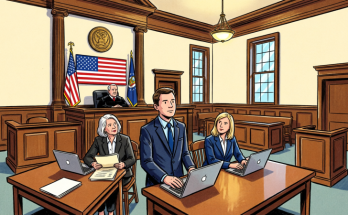
Jessica showed up to her deposition in a cream suit and a face that looked like it had practiced innocence in the mirror. Her hair was curled perfectly. Her nails were pale pink. She looked like a lifestyle blogger trying to convince the world she’d never done a wrong thing in her life.
I sat across the table from her with my own attorney and a legal pad I didn’t need. I wasn’t there to take notes.
I was there to watch.
Jessica’s lawyer started with soft questions, trying to frame her as the victim: a wife harmed by a jealous sister-in-law, a woman terrorized by public humiliation.
Jessica dabbed at her eyes dramatically. “Jada has always resented me,” she said. “She couldn’t stand that Trayvon chose me. She couldn’t stand that I came from a… different background.”
My attorney leaned forward. “Different how?”
Jessica hesitated, then recovered. “Higher expectations. A more refined lifestyle.”
I watched her mouth shape the lie with the same ease she’d used at the dinner table. The same ease she’d used at JFK. The same ease she’d used to call me “you people” and then pretend she hadn’t.
Michael waited until the room settled into her performance, then slid a folder across the table.
“I’d like to introduce Exhibit A,” he said.
Jessica’s lawyer frowned. “What is this?”
“A certified credit report,” Michael said. “And a record of multiple debt collection actions in New Jersey.”
Jessica’s face twitched. “That’s irrelevant.”
Michael’s smile didn’t move. “It’s relevant to motive. Ms. Miller is claiming emotional distress caused by public humiliation. We intend to show a long-standing pattern of fraud and financial desperation.”
Jessica’s attorney tried to object. The court reporter typed steadily, indifferent to panic.
Then Michael dropped Exhibit B: a copy of a police report from three years prior in New Jersey, where Jessica had been named in a fraud complaint involving online gambling and a forged check. No charges filed. Not enough evidence. But the smoke was there.
Jessica’s mascara started to clump at the corners. Her lawyer’s jaw tightened.
Michael’s voice stayed calm. “Ms. Miller, do you recognize the name Anthony Rizzo?”
Jessica blinked too fast. “No.”
“Isn’t Mr. Rizzo the individual you met repeatedly in motel parking lots to settle gambling debts?”
Jessica’s chair scraped loudly as she shifted. “That’s— that’s a lie.”
My attorney slid a sealed envelope forward. “We have a private investigator’s affidavit and photographic evidence.”
Jessica looked at the envelope like it might explode.
Her lawyer whispered something to her, sharp and urgent. Jessica shook her head.
“I’m not answering that,” she snapped.
Michael nodded pleasantly. “Noted. Let’s move on. Ms. Miller, you are alleging that Jada Washington published false information. Can you tell us which specific statements were false?”
Jessica opened her mouth, then closed it.
Because the problem with suing someone for telling the truth is that truth has a way of showing up.
Michael turned a page on his legal pad. “Did you or did you not receive transfers from Trev Solutions LLC during the period of the unauthorized home equity loan?”
Jessica’s chin lifted. “I don’t know what you’re talking about.”
Michael placed another page on the table: bank statements with the transfers highlighted.
Jessica’s gaze flicked to them, then away.
“I want the record to reflect,” Michael said to the court reporter, “that Ms. Miller has seen the evidence.”
Jessica’s lawyer finally spoke, voice strained. “We’ll be filing a motion to dismiss this line of questioning.”
Michael nodded. “And we’ll be filing a counterclaim.”
Jessica’s eyes snapped to him. “For what?”
“For malicious prosecution,” Michael said. “And for costs. And for any provable damages to Ms. Washington’s reputation and career caused by this frivolous suit.”
For the first time, Jessica looked at me directly.
Not with disdain.
With fear.
Her world had been built on the idea that people like me didn’t have the stamina, the resources, or the willingness to fight back.
Now she knew I did.
After the deposition, I walked out of the building into cold Chicago air and checked my phone. There were three new messages from unknown numbers. All variations of the same theme: apologize, stop, you’re evil.
Jessica was still trying to weaponize strangers.
I deleted them without reading fully.
That night, I sat at my kitchen island and unfolded my father’s letter again. The apology still sat on the page like something fragile, something that might crumble if I touched it too much.
I realized I’d been treating the letter like a door.
Either I open it all the way, or I keep it locked forever.
But maybe forgiveness wasn’t a door.
Maybe it was a window cracked open just enough to let air in, while still keeping the storm outside.
I poured myself tea instead of wine and wrote a single sentence on a sticky note, just for me:
Boundaries are not punishment. They are protection.
I stuck it on my fridge and went to bed with my phone on silent, knowing that the next battle wouldn’t be loud like the gala.
It would be quiet.
It would be paperwork.
And I was very good at paperwork.
Part 11
The call about Trayvon came on a Tuesday, the kind of day that felt too ordinary to carry bad news.
My phone buzzed while I was in the grocery store debating between two brands of coffee. The caller ID showed a number I didn’t recognize, but something in my chest tightened before I answered, like my body had already read the message.
“Ms. Washington?” a man’s voice asked. “This is Officer Delgado with the Illinois Department of Corrections. Your brother, Trayvon Washington, has requested you attend his parole review hearing.”
I leaned my forehead against the cool metal shelf and shut my eyes.
“How soon?” I asked.
“Two weeks,” Delgado replied. “He listed you as a victim and immediate family. Your statement can be considered.”
I ended the call and stood still, listening to the store’s soft music and the squeak of carts, feeling like I was underwater.
Two years hadn’t erased the memory of my brother’s voice in that hospital hallway. It hadn’t erased the sound of glass shattering at the gala, or the way my mother’s face collapsed when her fantasy finally died. But two years had changed me. I wasn’t the same woman who stood in the shadows with a server’s tray and a detonator in her pocket.
I was steadier now.
The question wasn’t whether Trayvon deserved parole.
The question was whether I wanted to keep carrying him.
That night, I drove to my parents’ apartment for the first time since the sale of Maple Avenue. Not because I owed them an appearance, but because if I was going to speak at a parole hearing, I wanted my facts straight. I wanted to look at them and see what time had done.
They lived in a modest two-bedroom near a noisy intersection. No chandeliers. No perfect lawn. Just beige walls and a couch that looked like it came from a discount showroom.
My mother opened the door slowly, like she wasn’t sure I was real.
“Jada,” she whispered.
My father stood behind her, thinner than I remembered, posture less rigid. He wore a simple sweatshirt and reading glasses. The man who used to rule rooms now looked like a man who’d learned rooms could survive without him.
“I’m not staying long,” I said, stepping inside.
My mother nodded too quickly. “Of course. Of course. We’re just— we’re glad you’re here.”
My father cleared his throat. “We got the notice,” he said. “About Trayvon.”
“So did I.”
Silence sat between us, heavy and familiar.
My mother folded her hands. “He’s been… writing us,” she said. “He says he’s changed.”
I looked at my father. “Do you believe him?”
My father’s mouth tightened. He stared at the carpet for a long moment before he answered.
“I believe he regrets getting caught,” he said quietly. “And I believe he regrets what it cost him. But I don’t know if he understands what it cost you.”
The honesty startled me more than anger ever had.
My mother’s eyes filled. “He’s our son,” she whispered. “I know what he did was wrong. I know. But when I think of him in there… I can’t breathe.”
I felt something shift in my chest. Not softness. Not forgiveness. Just the recognition that grief doesn’t excuse harm, but it does explain why people keep making the same stupid choices.
“I’m going to the hearing,” I said.
My mother’s face brightened, hopeful like a child. “You’ll help him?”
“I didn’t say that,” I replied.
My father’s gaze lifted to mine. “What will you say?”
“I’ll say the truth,” I said. “For once.”
Two weeks later, I sat in a sterile room with gray walls and a long table. Trayvon entered in a plain prison uniform that made him look smaller than I remembered. His shoulders were hunched. His hair was cut short. His swagger was gone.
But his eyes were still the same eyes that used to scan rooms for applause.
He sat across from me and swallowed hard. “Jada,” he said.
I didn’t answer.
He tried again. “You look… good.”
“Get to it,” I said.
His hands twisted together. “I’m sorry,” he blurted. “I know you don’t want to hear it, but I am. I messed up. I messed up so bad.”
“You stole from me,” I said. “You stole my name. You stole my credit. You stole dad’s health. You didn’t mess up. You made choices.”
His eyes flickered with anger, then collapsed into shame. “I was trapped,” he said. “Jessica—”
“Stop,” I cut in. “If you blame Jessica, you haven’t learned anything.”
Trayvon’s jaw tightened. “She pushed me.”
“And you jumped,” I said.
He stared at me like he wanted to argue, but the words didn’t come. Maybe because prison stripped away excuses the way hunger strips away pride.
“I can’t change what I did,” he said finally. “But I’m trying to be different. They have programs in here. Financial accountability, addiction counseling. I’m doing it.”
I watched him carefully. “Why do you want parole?”
He answered too fast. “To be with family.”
My voice stayed flat. “Wrong answer.”
Trayvon flinched.
“You want parole because you’re tired,” I said. “Because prison is uncomfortable. Because you miss convenience. Tell me the truth.”
His shoulders sagged. “I want out,” he admitted, voice cracking. “I hate it here.”
There it was. At least it was real.
The parole board called us in. Trayvon sat beside his public defender, eyes wide, trying to look humble. My mother clutched a tissue, trembling. My father sat straight but quiet. And then it was my turn to speak.
I stood and felt the familiar calm wash over me, the same calm I had when I testified in corporate fraud cases. Evidence. Facts. No decoration.
“My name is Jada Washington,” I began. “I am Trayvon Washington’s sister. I am also a documented victim of his crimes.”
Trayvon’s eyes fixed on the table.
I told the board about the forged loan, the stolen insurance payments, the damage to credit and safety. I told them he attempted to manipulate and intimidate. I told them he showed remorse only when consequences arrived.
Then I paused.
“However,” I said, and my mother inhaled sharply, “I also believe the purpose of incarceration is accountability and rehabilitation. I don’t want my brother destroyed. I want him changed.”
Trayvon’s head lifted, hope flickering.
I kept my tone steady. “I do not support early release at this time. Not because I want revenge, but because he is still learning honesty. He answered my questions with rehearsed lines before he answered with truth. I believe he needs more time to complete programming and demonstrate consistent accountability.”
My mother’s face crumpled.
Trayvon’s hope died.
But I didn’t stop there.
“If and when he is released,” I continued, “I request a no-contact order for a minimum of five years. I request financial restitution as already ordered. And I request that any release plan include supervised housing not connected to my parents’ residence.”
I sat down.
The board thanked me. The hearing ended.
Outside the building, my mother sobbed. “How could you?” she whispered. “He’s your brother.”
My father put a hand on her shoulder and said, quietly, “Lorraine… she did what we should have done years ago.”
My mother stared at him like she’d never heard him disagree with her in public.
I turned toward my car, heart heavy but clear. Sometimes love looks like rescue. Sometimes it looks like a locked door.
On the drive home, my phone buzzed with an email notification: Jessica’s lawsuit had been dismissed with prejudice. Counterclaim pending.
I exhaled slowly.
One lie down.
More to go.
I didn’t know what Trayvon would become. I didn’t know if my parents would ever stop grieving the version of him they invented.
But I knew what I would become.
A woman who told the truth even when it cost her applause.
A woman who stayed behind from chaos, and didn’t feel guilty for moving forward.
Part 12
Three years after the gala, I stood in a small community center on the South Side, holding a microphone that didn’t feel heavy anymore.
Behind me, a projector displayed a simple slide:
How to Protect Yourself From Family Financial Fraud.
There were about forty people in folding chairs. Young adults, older women, a couple of men in work boots. Some looked skeptical. Some looked tired. Most looked like they’d already been burned by someone who knew their Social Security number by heart.
“I’m not here to tell you to stop loving your family,” I said. “I’m here to tell you that love without boundaries becomes a target.”
I watched faces shift as the words landed.
I taught them how to freeze credit. How to pull free annual credit reports. How to separate emergency contacts from mailing addresses. How to recognize the difference between a request and a manipulation.
I didn’t tell my whole story. I didn’t need to. The room already understood the theme.
After the session, a woman with gray braids approached me. Her hands trembled as she held out her phone.
“My son opened cards in my name,” she whispered. “I thought… I thought I was helping. I didn’t want him to struggle.”
I took her phone gently and helped her navigate the dispute process. I wrote down the steps. I connected her to a legal aid clinic I partnered with. I didn’t fix her pain, but I helped her stop the bleeding.
When she left, she hugged me like I’d handed her oxygen.
That night, back at my apartment, I sat on my balcony with tea and watched Chicago’s lights flicker like distant stars. The city used to feel like an enemy I had to conquer. Now it felt like a place I lived, a place I could influence without shrinking.
Sterling made me partner that year. Not because of my numbers, though my numbers were strong, but because I’d developed a reputation for something most firms couldn’t teach: moral clarity under pressure.
“People trust you,” he told me, handing me the offer. “Even when they don’t like what you say.”
The new title didn’t change my life the way people imagine it does. I still wore simple clothes. I still kept my personal life quiet. I still drove my Porsche like it was just a car, not a trophy.
But something did change.
I stopped thinking of myself as someone who survived a family.
I started thinking of myself as someone who built a life anyway.
My parents kept paying rent wherever they lived. My father kept taking his medication. My mother stopped posting vague religious threats online. She started working at a library, which surprised everyone, including her. She told me once, in a rare moment of honesty, that she liked how quiet it was.
“You’d always loved quiet,” I said.
She blinked at me like she’d forgotten.
Trayvon stayed in prison longer. When he wrote again, his letters changed. Less blame. More silence. More accountability. He didn’t ask for favors. He didn’t demand forgiveness. He told me about classes, about learning to sit with discomfort without turning it into theft.
I didn’t respond often, but I read them.
Jessica disappeared into a new life the way scammers do. New city. New name. New social media profiles. Once in a while, someone would send me a screenshot of her online, pretending she was a “survivor” of a toxic marriage, hinting she’d been “targeted” by a jealous sister-in-law. The story always changed. The victim role was her favorite outfit.
My counterclaim ended quietly: she settled for a small amount and a non-disparagement clause. Not because I needed the money, but because I wanted the legal finality. The truth doesn’t always need a spotlight. Sometimes it just needs a signature that can’t be forged.
On my thirty-fifth birthday, I bought myself a plane ticket.
Business class.
Not because I needed the seat.
Because I wanted the symbol.
I didn’t tell my parents. I didn’t tell my cousins. I didn’t post it online.
I just sat at the gate with a book in my lap and my boarding pass on my phone, and when the airline called my group, I stood and walked forward without hesitation.
The old version of me would’ve waited, worried someone would accuse me of arrogance, worried someone would think I was trying to show off.
This version of me didn’t care.
On the plane, I watched the city shrink beneath the clouds and thought about the first time my mother told me to stay behind.
She meant it as punishment.
She accidentally gave me a blueprint.
Stay behind from people who see you as a resource.
Stay behind from manipulation disguised as family.
Stay behind from the urge to prove yourself to someone committed to misunderstanding you.
And in doing that, move ahead.
When the flight attendant offered me champagne, I smiled politely and asked for sparkling water.
Not because I was afraid of celebration.
Because I didn’t need it.
I leaned back, closed my eyes, and let the quiet hum of the plane carry me forward, feeling the strange, steady luxury of a life that belonged to me alone.
THE END!
Disclaimer: Our stories are inspired by real-life events but are carefully rewritten for entertainment. Any resemblance to actual people or situations is purely coincidental.