I stood in my kitchen holding the phone, feeling a grim satisfaction rise through the anger.
They were coming home.
They were going to face what they’d done.
I called Charlotte immediately.
“They know,” I said. “Dennis called. They’re flying back.”
“Expected,” Charlotte replied. I could hear papers shuffling. “They’ll lawyer up and try for emergency custody. We’ll be ready.”
Over the next few days, Sophie lived like a frightened shadow. She followed me room to room, staying close enough to touch my elbow at all times. At night she woke up screaming, disoriented, eyes wild.
“It’s okay,” I would whisper, sitting on the edge of the bed. “You’re safe. You’re not there anymore.”
She would cling to me like she couldn’t believe words were real.
I took her shopping for clothes because the hospital bag wasn’t a wardrobe. In the store she stared at racks of children’s clothes like she’d never been allowed to choose anything.
“Pick what you like,” I said gently.
She reached for a pink dress with butterflies, then pulled her hand back like she’d been burned.
“Trisha says pink is tacky,” she whispered.
My jaw tightened.
“Trisha’s not here,” I said. “Do you like it?”
A tiny nod.
“Then it’s yours,” I said.
We filled the cart: pajamas with cartoons, shoes that actually fit, socks with little animals on them. At checkout, the total was nearly five hundred dollars. I handed over my card without flinching.
Sophie stared at the bags in disbelief.
“Is this… all for me?” she asked.
“All for you,” I said.
Four days after Dennis’s call, there was pounding on my apartment door that rattled the frame.
Sophie froze on the couch, a crayon clutched in her fist.
“It’s okay,” I told her, keeping my voice calm. “Stay here.”
I opened the door with the chain still on.
Dennis stood in the hallway, eyes bloodshot, hair messy, suit jacket wrinkled like he’d slept in it. Behind him, Trisha hovered, phone in her hand. Even now, she looked like she might be filming.
“I want to see my daughter,” Dennis demanded. “You can’t keep her from me.”
“You kept her in an attic,” I said. “You don’t get to talk about rights like they’re yours to claim.”
Dennis’s face went red. “You self-righteous—”
“I spent my career protecting children from people exactly like you,” I cut in. “So don’t try to intimidate me, son. It won’t work.”
Trisha stepped forward, lifting her phone slightly. “This is kidnapping,” she said, voice high. “We’re documenting everything.”
“Document away,” I said. “I’ve got documentation too: hospital records, police photos, DHS reports. And soon I’ll have your bank records showing where Sophie’s money went.”
Dennis’s face drained white.
Trisha’s phone lowered an inch.
I leaned closer to the gap in the door. “Get off my property before I call the police and report you for harassment.”
“This isn’t over,” Dennis spat, but his voice had lost its certainty.
“No,” I said. “It’s just beginning. See you in court.”
I closed the door.
Behind me, Sophie stood trembling.
“Was that Daddy?” she whispered.
“Yes,” I said. “And he’s leaving.”
“Is he mad at you because of me?” Sophie asked, the old shame rising in her eyes.
I knelt in front of her, forcing her to meet my gaze.
“Listen to me,” I said gently. “He’s mad because he got caught doing something wrong. That’s not your fault. None of this is your fault. Do you understand?”
Sophie nodded, but I could see doubt. Children always blame themselves. I’d seen it a thousand times.
That night, Charlotte emailed me a PDF—Dennis’s bank records, subpoenaed.
I spent hours combing through them, cross-referencing dates and withdrawals like I was back at work.
There it was.
Every month: $1,200 deposited into an account in Sophie’s name.
And every month: withdrawals for Dennis’s lifestyle. Car dealership payments. Restaurants. Clothing stores Trisha frequented. Travel bookings.
They weren’t just neglecting Sophie.
They were using her as a funding source.
As I stared at the numbers, a memory surfaced—Dennis at eight years old, waiting by the window for my car, running outside when I pulled in, shouting, Guess what happened at school?
How does a boy become the man who locks his child in a closet?
I didn’t have time to answer that question yet.
I only had time to stop him.
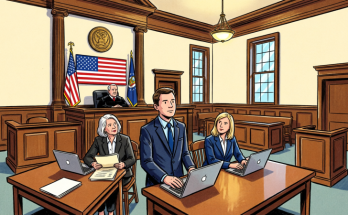
The first hearing came fast—an emergency custody hearing at Multnomah County Courthouse. The building was stern concrete downtown, a place I’d sat in many times as a witness during my career.
Today I walked in as a petitioner.
Charlotte met me in the lobby, sharp gray suit, eyes focused.
“They’re already here,” she murmured. “With counsel. Don’t engage.”
In the waiting area outside the courtroom, I saw Dennis and Trisha.
Dennis’s suit looked expensive. Trisha wore a conservative dress that didn’t match her usual Instagram style. Someone had coached them.
Their lawyer, Robert Chen, shuffled papers, speaking low.
Trisha spotted me first. Her eyes narrowed. She whispered something to Dennis, and he turned, anger flaring across his face—then something else underneath.
Fear.
Judge Sandra Pierce presided. Late fifties, silver hair, eyes that didn’t tolerate nonsense. I’d been in her courtroom twice years ago. She didn’t remember me, and I didn’t need her to.
I needed her to see the truth.
Charlotte presented our case like a surgeon: clean incisions, no wasted motion.
Discovery of Sophie in an attic closet.
Medical reports: malnourishment, dehydration, trauma signs.
Rosa’s testimony.
Photographs of the attic space: wardrobe, mattress, dishes.
Judge Pierce’s expression hardened with each piece.
Chen tried to spin.
“Your honor,” he said, “this is a gross misrepresentation. My clients were renovating the attic. The space was temporary while they prepared a proper bedroom. Mr. Stanley”—he gestured at me—“jumped to conclusions.”
Charlotte stood. “If I may, your honor.”
She handed over neighbor statements—people who’d never seen a child in eight months. No school drop-offs. No yard play. No doctor visits.
Then Charlotte dropped the bank records like a hammer.
“Mr. Dennis Stanley deposits $1,200 monthly into an account for Sophie,” she said. “And then withdraws the funds for personal expenses: a Tesla purchase, vacations, designer clothing.”
Judge Pierce looked at Dennis over her glasses.
“Mr. Stanley,” she said, voice cold, “is this accurate?”
Dennis opened his mouth. Closed it. Opened it again.
His lawyer whispered, but Dennis shook his arm off.
“I… I was going to pay it back,” Dennis muttered.
Judge Pierce’s eyes narrowed. “You were going to pay back your five-year-old daughter?”
The courtroom went silent.
Judge Pierce ruled: temporary guardianship remains with me. Dennis and Trisha barred from contact pending further evaluation. Full psychological assessment ordered. Case referred to the district attorney for review.
When the gavel fell, Dennis looked like he’d been punched.
In the hallway afterward, he tried to corner me.
“Dad, please,” he said, voice cracking just enough to sound human. “You have to understand—”
“I understand perfectly,” I said, stopping and facing him. “You had a daughter who needed you. You hid her like she was shame. You stole from her. You chose image over your child.”
Trisha hissed behind him, “You ruined our lives, old man.”
I looked at her, really looked at her—designer nails, curated face, eyes that had smiled for thousands of followers while a child sobbed above her.
“Your life was ruined the moment you decided a child was disposable,” I said quietly. “I didn’t do this. You did.”
We walked away, leaving them in the corridor with reporters beginning to gather.
Back at my apartment, Sophie colored at her new desk—an art table I’d bought because she deserved one. She drew a house with flowers, a bright sun in the corner.
“Grandpa,” she asked without looking up, “can we plant real flowers?”
“We can plant a whole garden,” I said, and for the first time in days, a smile came naturally.
The court-appointed psychologist, Dr. Helen Morales, visited my apartment a week later. Kind eyes. Soft voice. She met Sophie five times over ten days, using toys and drawings to coax truth out gently.
I stayed out of the sessions, but sometimes I heard Sophie’s voice through the door—hesitant, then crying, then quiet.
After the third session Dr. Morales pulled me aside.
“Mr. Stanley,” she said gently, “what this child experienced is severe. Isolation. Neglect. Emotional abandonment. She’s going to need extensive therapy.”
“Whatever she needs,” I said. “She gets.”
Dr. Morales nodded. “She feels safe with you. That matters.”
The second hearing was ten days later, and the courtroom was more crowded. Trisha’s name had started circulating. Influencer. Charged. Child in attic. People love tragedy when it’s packaged like scandal.
Charlotte presented Dr. Morales’s report. Thirty-seven pages. PTSD symptoms, hypervigilance, nightmares, anxiety, delays in speech and social development.
When Charlotte read excerpts aloud, Dennis sat pale and stiff. Trisha cried, positioned so reporters could see.
Then came security footage—doorbell cameras from neighbors showing Dennis and Trisha leaving the house repeatedly for dinners and trips, always alone. No child. Never.
Charlotte followed with credit card statements: tens of thousands on restaurants, travel, clothing. Almost nothing on children’s needs.
Judge Pierce listened, expression like stone.
Chen tried to object. Judge Pierce cut him off.
Then Charlotte asked for permanent guardianship and recommended termination of parental rights.
Trisha stood and burst into a trembling speech about misunderstandings and renovations and how I’d always hated her.
Judge Pierce shut her down with a single sentence: “Mrs. Stanley, sit down.”
Then she looked at Dennis and asked again, coldly, whether he’d used Sophie’s funds.
Dennis finally whispered, “Yes.”
The confession sucked the air out of the room.
Judge Pierce ruled: guardianship stays with me. No contact continues. Case referred formally to the district attorney for criminal charges.
Outside the courthouse, Dennis tried to approach me again, but reporters swarmed him. I didn’t stop to watch him drown in the narrative he’d built.
The district attorney moved fast.
Charges came two weeks later: child neglect, child endangerment, financial exploitation of a minor.
Dennis and Trisha were arrested on a Tuesday morning. Dennis posted bail, but the arrest record didn’t care about his money.
The local news ran the story that evening. Dennis’s polished LinkedIn photo beside Trisha’s curated Instagram profile. Then footage of Cedar Hill Drive. Then the phrase no parent should ever hear: “child found in attic.”
Sophie colored quietly at my kitchen table while the news played. She drew butterflies and flowers, lines still shaky but improving.
“Grandpa,” she asked suddenly, “can we get ice cream sometime?”
“We can get ice cream whenever you want,” I said.
Dennis’s employer put him on leave, then fired him. Trisha’s sponsors vanished overnight. Her followers dropped in waves. She posted a tearful video claiming she was a victim. The comments destroyed her. She deleted it within a day.
They tried to pressure me through lawyers. Charlotte responded with one sentence every time: Our client will not negotiate. See you in court.
Sophie began kindergarten. The first day she clung to my hand until the teacher gently coaxed her inside. By the end of the week she came home talking about blocks and crayons and a boy with a dinosaur backpack.
Small victories. Real ones.
The plea deal came in August. Dennis and Trisha would plead guilty to child neglect and financial exploitation. Sentencing set for September 15.
Charlotte asked if I wanted to give a victim impact statement on Sophie’s behalf.
“Yes,” I said.
I wrote it carefully, cutting every unnecessary word, because sometimes truth hits hardest when it’s clean.
On sentencing day, gray clouds hung low over Portland. Sophie stayed home with Mrs. Patterson, a retired teacher neighbor who’d become steady comfort.
Sophie hugged me tight before I left. “Will Daddy be there?”
“Yes,” I said. “But he can’t hurt you anymore. I promise.”
In court, Dennis and Trisha stood to allocute—formal admission of guilt. Hearing Dennis say the words out loud—admitting he’d neglected his child—felt like watching a dam break.
When it was my turn, I walked to the podium and looked at Judge Pierce, then at Dennis.
He couldn’t meet my eyes.
“Your honor,” I said, voice steady, “I spent thirty-eight years protecting children from abuse and neglect. I’ve seen terrible things. But I never imagined I’d find my own granddaughter living in conditions I spent my career fighting against.”
I described Sophie’s weight. Her fear of darkness. Her nightmares. Her belief that she was bad.
I watched Dennis’s jaw clench harder with each sentence. Trisha cried loudly. I didn’t look at her.
Then I said the line that mattered most.
“The best thing that ever happened to Sophie Stanley was being found,” I said. “The best thing for her future is ensuring the people who hurt her face real consequences.”
Judge Pierce listened without expression.
When she spoke, her voice was iron.
“What you did was systematic, calculated, and cruel,” she told Dennis and Trisha. “You didn’t make a mistake. You made a series of conscious choices.”………………………..