At My Niece’s Birthday, My Mother Told Me To Bring The Present From The Car. So I Told Them: ‘Please Take Care Of The Baby While I’m Gone!’ When I Came Back I Asked: ‘Where Is My Daughter?’ My Sister While Smirking Said: ‘Your Brat Was Ruining My Daughter’s Day So I Gave Her Some Pills And Now She’s All Quiet!’ I Rushed To Check On Her And She Wasn’t Breathing. I Started Shouting For Help And My Mother Grabbed My Arm Hard And Said: ‘Stop Shouting – Can’t You See You’re Ruining Everything!’ I Yelled: ‘What Have You Done To My Daughter?’ Dad Added: ‘She’s Fine Just Sleeping!’ My Sister Grabbed A Wine Bottle And Threw It At My Head Knocking Me Unconscious Onto The Floor…
I never imagined that the worst day of my life would begin beneath pink streamers, pastel balloons, and a princess-themed cake that leaned slightly to one side in the summer heat, the kind of cheerful, picture-perfect setup that makes everything feel harmless until you realize how easily horror can hide behind it.
My niece Autumn was turning seven, and my sister Natalie had been planning the party for months with the kind of obsessive intensity she reserved for anything that placed her at the center of attention. The backyard of my parents’ suburban Philadelphia home had been transformed into a sugary fantasy, complete with a bouncy castle that squealed with children’s laughter, a face-painting station manned by a bored teenager, and a dessert table arranged like it belonged in a magazine spread. It should have been magical. Instead, it became the backdrop to a nightmare that still wakes me at three in the morning, my heart racing as my hands reach instinctively for my daughter just to feel her chest rise and fall.
My daughter Rosie had just turned two, and everything about her felt like a miracle we were still afraid to believe in fully. She was curious about everything, fascinated by shadows on the wall, the rustle of leaves, the sound of her own laughter echoing in unfamiliar spaces. Her father, Derrick, and I had been married for three years, but Rosie was the center of our universe in a way that went far beyond ordinary love. We had struggled to conceive, endured two rounds of IVF that drained our savings and tested our marriage, and learned how quietly devastating hope can be when it keeps slipping through your fingers. When Rosie finally arrived, screaming and perfect, we cried for hours, exhausted and overwhelmed, holding her like she might disappear if we loosened our grip. She was our miracle wrapped in a pink blanket, the answer to prayers we had nearly stopped believing would ever be answered.
The tension between my family and me existed long before Rosie was born, woven so deeply into our history that it felt almost structural. Growing up, Natalie was the golden child, the one who could do no wrong, the daughter who reflected everything my parents wanted to see in themselves. She had the grades, the looks, the charm that made people lean in when she spoke. I was the afterthought, the accident baby born seven years after my parents had decided their family was complete. My mother, Catherine, never let me forget that my arrival had interrupted her plans to return to her career as a real estate agent, a detail she mentioned casually at dinners, holidays, or whenever she felt like reminding me of my place. My father, Donald, treated me with a kind of distant indifference, acknowledging me only when report cards arrived or when he needed someone to fetch a drink during football games.
Natalie married young, choosing a man named Preston who worked in pharmaceutical sales, a job my parents found suitably impressive. They had two children, Autumn and her younger brother Hudson, and settled into a large house fifteen minutes from my parents. Sunday dinners became a regular event, one I was sometimes invited to as an afterthought when an extra chair was already set. When I met Derrick at a coffee shop in Center City, my family barely acknowledged him. He was a paramedic, which apparently didn’t qualify as a “real career” in my mother’s eyes. She once asked me, within earshot of him, why I couldn’t have found someone more ambitious. Derrick had just come off a fourteen-hour shift saving lives, but to her, he was little more than an inconvenience.
Derrick endured their contempt with a grace I never could have managed on my own. He squeezed my hand under the table when my mother commented on my weight or my job as a veterinary technician, redirected conversations when my father asked why we hadn’t bought a house yet, and held me afterward while I cried about another dinner where I had felt invisible. He reminded me, over and over, that I was worthy of love even if my family couldn’t see it.
When Rosie was born, I believed, foolishly, that things might change. For a brief moment, it seemed possible. My mother showed up at the hospital with a teddy bear and tears in her eyes, holding Rosie and whispering that she was beautiful. That warmth lasted barely six weeks, disappearing the moment Natalie announced her third pregnancy. From then on, Rosie became just another grandchild, ranking somewhere below the family dog in terms of attention. The favoritism extended to the children, with Autumn and Hudson receiving elaborate gifts while Rosie got whatever was left over, if anything at all.
The morning of Autumn’s birthday party, I should have listened to the unease twisting in my stomach. Derrick had a hospital shift but planned to stop by later, kissing me goodbye with a worried look and asking if I was sure I wanted to go alone. I told him it would be fine, that it was just a kid’s party, words that would later echo in my head with a cruelty I couldn’t escape. I dressed Rosie in a yellow sundress with tiny daisies, brushed her hair into two small pigtails, and packed her diaper bag carefully, double-checking everything as if preparation could somehow ward off disaster.
Natalie greeted us at the door with a smile that never reached her eyes, already stressed and barking orders at Preston. Autumn ran past in her Cinderella costume, shrieking with excitement, while Hudson sulked nearby. Natalie commented that I was late, though I wasn’t, and glanced at Rosie with thinly veiled irritation, reminding me to keep her quiet because it was Autumn’s day and distractions wouldn’t be tolerated.
By early afternoon, the party was in full swing. I kept Rosie close as children swarmed the yard, her small hand gripping mine while she observed the chaos. Around one thirty, my mother approached with the expression she always wore when she wanted something. She placed a hand on my shoulder and told me that the gift she and my father had bought for Natalie was still in the trunk of the car, asking me to go get it. I hesitated, looking down at Rosie, who was rubbing her eyes and clearly overdue for a nap. I asked if Preston could do it instead. My mother’s eyes hardened, and she waved me off, insisting it would only take a moment and that they had raised children before.
Against every instinct screaming inside me, I handed Rosie over and walked toward the car. The errand took no more than fifteen minutes. When I returned, gift in hand, I scanned the yard for my daughter’s yellow dress and felt my heart begin to pound when I didn’t see it. I searched everywhere, pushing through groups of guests, checking the bouncy castle, the face-painting station, the snack table, panic rising with every second.
I found my mother laughing near the cake table, Natalie beside her with a glass of wine. The ease on their faces made my blood run cold. I asked where my daughter was, my voice sharp with fear. Natalie turned to me slowly, smirking in a way that drained the color from my world as she said my child had been ruining her daughter’s day, so she’d given her some pills to quiet her down.
The words didn’t make sense at first. I demanded to know what she had given Rosie, where she was, my voice cracking as Natalie rolled her eyes and dismissed my panic, casually explaining she’d given her some benadryl and put her down in the guest room. I didn’t wait for another word. I ran inside, heart pounding, taking the stairs two at a time until I reached the room and pushed the door open.
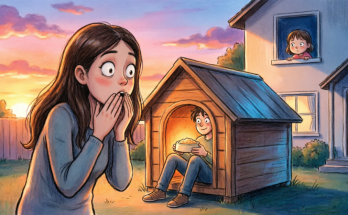
Rosie lay motionless on the bed, her lips tinted blue, her chest still. The scream that tore from me felt animal, raw, as I scooped her up and shouted for help, checking for a pulse with shaking fingers. My mother appeared, annoyance etched across her face, grabbing my arm hard and telling me to stop shouting because I was ruining everything. My father added that Rosie was just sleeping, accusing me of being dramatic. Natalie stood there with her wine glass, irritated rather than concerned.
I began CPR on my daughter, screaming for someone to call 911 while my family watched as if this were an inconvenience. Another guest appeared, horrified, and ran to call for help. Natalie’s irritation turned sharp, and in one swift motion, she grabbed a wine bottle and swung it at my head. There was a crack, a flash of pain, and then nothing as I collapsed onto the floor, the world going dark around me.
When Derrick arrived at three fifteen, he expected to find his wife and daughter at a child’s birthday party. What he found instead was chaos. Later, he told me that he knew something was wrong…
Type “KITTY” if you want to read the next part and I’ll send it right away.
PART 2
Derrick told me later that the first thing he saw was our daughter in the arms of a paramedic colleague he recognized from the hospital, oxygen mask secured gently over her face while another medic monitored her vitals with tight focus.
He said the look on his coworker’s face was enough to make his blood run cold, because it was the expression professionals wear when they are fighting quietly against time.
I was unconscious on the hallway floor when he found me, a swelling already forming where the bottle had struck, and my parents were speaking over one another, insisting it had all been an accident, that emotions had run high, that no one meant any <hurt>.
Natalie was crying by then, but not in fear for Rosie.
She was crying about the party being destroyed.
When Derrick demanded to know what had happened, my mother tried to minimize everything, repeating that Rosie had only been given something harmless and that I had overreacted, that the fall was my fault because I had been hysterical.
But one of the other guests had recorded part of the chaos on her phone.
And as Derrick stood there listening to excuses pile up around him, he realized this was not confusion.
It was a pattern.
And this time, he was not going to let them rewrite the story.
C0ntinue below
At My Niece’s Birthday, My Mother Told Me To Bring The Present From The Car. So I Told Them: ‘Please Take Care Of The Baby While I’m Gone!’ When I Came Back I Asked: ‘Where Is My Daughter?’ My Sister While Smirking Said: ‘Your Brat Was Ruining My Daughter’s Day So I Gave Her Some Pills And Now She’s All Quiet!’ I Rushed To Check On Her And She Wasn’t Breathing. I Started Shouting For Help And My Mother Grabbed My Arm Hard And Said: ‘Stop Shouting – Can’t You See You’re Ruining Everything!’ I Yelled: ‘What Have You Done To My Daughter?’ Dad Added: ‘She’s Fine Just Sleeping!’ My Sister Grabbed A Wine Bottle And Threw It At My Head Knocking Me Unconscious Onto The Floor…
I never imagined that the worst day of my life would begin beneath pink streamers, pastel balloons, and a princess-themed cake that leaned slightly to one side in the summer heat, the kind of cheerful, picture-perfect setup that makes everything feel harmless until you realize how easily horror can hide behind it.
My niece Autumn was turning seven, and my sister Natalie had been planning the party for months with the kind of obsessive intensity she reserved for anything that placed her at the center of attention. The backyard of my parents’ suburban Philadelphia home had been transformed into a sugary fantasy, complete with a bouncy castle that squealed with children’s laughter, a face-painting station manned by a bored teenager, and a dessert table arranged like it belonged in a magazine spread. It should have been magical. Instead, it became the backdrop to a nightmare that still wakes me at three in the morning, my heart racing as my hands reach instinctively for my daughter just to feel her chest rise and fall.
My daughter Rosie had just turned two, and everything about her felt like a miracle we were still afraid to believe in fully. She was curious about everything, fascinated by shadows on the wall, the rustle of leaves, the sound of her own laughter echoing in unfamiliar spaces. Her father, Derrick, and I had been married for three years, but Rosie was the center of our universe in a way that went far beyond ordinary love. We had struggled to conceive, endured two rounds of IVF that drained our savings and tested our marriage, and learned how quietly devastating hope can be when it keeps slipping through your fingers. When Rosie finally arrived, screaming and perfect, we cried for hours, exhausted and overwhelmed, holding her like she might disappear if we loosened our grip. She was our miracle wrapped in a pink blanket, the answer to prayers we had nearly stopped believing would ever be answered.
The tension between my family and me existed long before Rosie was born, woven so deeply into our history that it felt almost structural. Growing up, Natalie was the golden child, the one who could do no wrong, the daughter who reflected everything my parents wanted to see in themselves. She had the grades, the looks, the charm that made people lean in when she spoke. I was the afterthought, the accident baby born seven years after my parents had decided their family was complete. My mother, Catherine, never let me forget that my arrival had interrupted her plans to return to her career as a real estate agent, a detail she mentioned casually at dinners, holidays, or whenever she felt like reminding me of my place. My father, Donald, treated me with a kind of distant indifference, acknowledging me only when report cards arrived or when he needed someone to fetch a drink during football games.
Natalie married young, choosing a man named Preston who worked in pharmaceutical sales, a job my parents found suitably impressive. They had two children, Autumn and her younger brother Hudson, and settled into a large house fifteen minutes from my parents. Sunday dinners became a regular event, one I was sometimes invited to as an afterthought when an extra chair was already set. When I met Derrick at a coffee shop in Center City, my family barely acknowledged him. He was a paramedic, which apparently didn’t qualify as a “real career” in my mother’s eyes. She once asked me, within earshot of him, why I couldn’t have found someone more ambitious. Derrick had just come off a fourteen-hour shift saving lives, but to her, he was little more than an inconvenience.
Derrick endured their contempt with a grace I never could have managed on my own. He squeezed my hand under the table when my mother commented on my weight or my job as a veterinary technician, redirected conversations when my father asked why we hadn’t bought a house yet, and held me afterward while I cried about another dinner where I had felt invisible. He reminded me, over and over, that I was worthy of love even if my family couldn’t see it.
When Rosie was born, I believed, foolishly, that things might change. For a brief moment, it seemed possible. My mother showed up at the hospital with a teddy bear and tears in her eyes, holding Rosie and whispering that she was beautiful. That warmth lasted barely six weeks, disappearing the moment Natalie announced her third pregnancy. From then on, Rosie became just another grandchild, ranking somewhere below the family dog in terms of attention. The favoritism extended to the children, with Autumn and Hudson receiving elaborate gifts while Rosie got whatever was left over, if anything at all.
The morning of Autumn’s birthday party, I should have listened to the unease twisting in my stomach. Derrick had a hospital shift but planned to stop by later, kissing me goodbye with a worried look and asking if I was sure I wanted to go alone. I told him it would be fine, that it was just a kid’s party, words that would later echo in my head with a cruelty I couldn’t escape. I dressed Rosie in a yellow sundress with tiny daisies, brushed her hair into two small pigtails, and packed her diaper bag carefully, double-checking everything as if preparation could somehow ward off disaster.
Natalie greeted us at the door with a smile that never reached her eyes, already stressed and barking orders at Preston. Autumn ran past in her Cinderella costume, shrieking with excitement, while Hudson sulked nearby. Natalie commented that I was late, though I wasn’t, and glanced at Rosie with thinly veiled irritation, reminding me to keep her quiet because it was Autumn’s day and distractions wouldn’t be tolerated.
By early afternoon, the party was in full swing. I kept Rosie close as children swarmed the yard, her small hand gripping mine while she observed the chaos. Around one thirty, my mother approached with the expression she always wore when she wanted something. She placed a hand on my shoulder and told me that the gift she and my father had bought for Natalie was still in the trunk of the car, asking me to go get it. I hesitated, looking down at Rosie, who was rubbing her eyes and clearly overdue for a nap. I asked if Preston could do it instead. My mother’s eyes hardened, and she waved me off, insisting it would only take a moment and that they had raised children before.
Against every instinct screaming inside me, I handed Rosie over and walked toward the car. The errand took no more than fifteen minutes. When I returned, gift in hand, I scanned the yard for my daughter’s yellow dress and felt my heart begin to pound when I didn’t see it. I searched everywhere, pushing through groups of guests, checking the bouncy castle, the face-painting station, the snack table, panic rising with every second.
I found my mother laughing near the cake table, Natalie beside her with a glass of wine. The ease on their faces made my blood run cold. I asked where my daughter was, my voice sharp with fear. Natalie turned to me slowly, smirking in a way that drained the color from my world as she said my child had been ruining her daughter’s day, so she’d given her some pills to quiet her down.
The words didn’t make sense at first. I demanded to know what she had given Rosie, where she was, my voice cracking as Natalie rolled her eyes and dismissed my panic, casually explaining she’d given her some benadryl and put her down in the guest room. I didn’t wait for another word. I ran inside, heart pounding, taking the stairs two at a time until I reached the room and pushed the door open.
Rosie lay motionless on the bed, her lips tinted blue, her chest still. The scream that tore from me felt animal, raw, as I scooped her up and shouted for help, checking for a pulse with shaking fingers. My mother appeared, annoyance etched across her face, grabbing my arm hard and telling me to stop shouting because I was ruining everything. My father added that Rosie was just sleeping, accusing me of being dramatic. Natalie stood there with her wine glass, irritated rather than concerned.
I began CPR on my daughter, screaming for someone to call 911 while my family watched as if this were an inconvenience. Another guest appeared, horrified, and ran to call for help. Natalie’s irritation turned sharp, and in one swift motion, she grabbed a wine bottle and swung it at my head. There was a crack, a flash of pain, and then nothing as I collapsed onto the floor, the world going dark around me.
When Derrick arrived at three fifteen, he expected to find his wife and daughter at a child’s birthday party. What he found instead was chaos. Later, he told me that he knew something was wrong…
Continue in C0mment
I never imagined that the worst day of my life would begin with pink streamers and a princess cake.
My niece Autumn was turning seven, and my sister Natalie had been planning this party for months. The backyard of my parents suburban Philadelphia home had been transformed into a cotton candy wonderland complete with a bouncy castle and a face painting station. It should have been magical. Instead, it became the setting of a nightmare that still jolts me awake at 3:00 in the morning, drenched in sweat and reaching for my daughter to make sure she’s still breathing.
My daughter Rosie had just turned two. She was at that age where everything fascinated her, from butterflies to shoelaces to the sound of her own laughter echoing off walls. Her father, Dererick, and I had only been married for 3 years, but Rosie was the center of our universe. We’d struggled to conceive, gone through two rounds of IVF that depleted our savings and tested our marriage.
And when she finally arrived, screaming and perfect, we both cried for hours. She was our miracle wrapped in a pink blanket, the answer to prayers we’d almost stop believing in. The tension between my family and me had existed long before Rosie was born. Growing up, Natalie was the golden child, the one who could do no wrong.
She had the grades, the looks, the charm that made our parents be with pride. Meanwhile, I was the afterthought, the accident baby born seven years after my parents had supposedly finished having children. My mother, Catherine, never let me forget that my arrival had disrupted her plans to return to her career as a real estate agent.
She’d mention it casually at family dinners, at holidays, whenever she wanted to remind me of my place in the family hierarchy. My father, Donald, treated me with benign neglect, occasionally remembering my existence when report cards came home, or when he needed someone to fetch his beer during football games.
Natalie married young to a man named Preston who worked in pharmaceutical sales. They had two children, Autumn and her younger brother Hudson, and settled into a McMansion 15 minutes from my parents. Sunday dinners became a weekly occurrence to which I was sometimes invited, usually as an afterthought when an extra place setting was already at the table.
When I met Derrick at a coffee shop in Center City, my family barely acknowledged his existence. He was a paramedic, which apparently wasn’t prestigious enough for the Reynolds family standards. Catherine once asked me with an earshot of Dererick why I couldn’t have found someone with a real career. Dererick had just spent 14 hours saving lives, including pulling a teenager from a car wreck, but to my mother, he was little more than a glorified ambulance driver.
Derrick handled their contempt with grace I couldn’t have mustered. He’d squeeze my hand under the table when my mother made snide comments about my weight or my job as a veterinary technician. He changed the subject when my father asked why we hadn’t bought a house yet, as if saving for a down payment while paying off student loans was somehow a personal failing.
In private, he’d hold me while I cried about another dinner where I’d been made to feel invisible. And he’d remind me that I was worthy of love, even if my family couldn’t see it. When Rosie was born, I foolishly believed things might change. A grandchild, I thought, might soften my mother’s edges.
For a brief moment, it seemed possible. Catherine showed up at the hospital with a teddy bear and tears in her eyes. She held Rosie and whispered that she was beautiful, that she had my grandmother’s nose and my father’s dark hair. That warmth lasted approximately 6 weeks until Natalie announced her third pregnancy at a family dinner.
Suddenly, my mother’s attention snapped back to her favorite daughter, and Rosie became just another grandchild, ranking somewhere below the family dog in terms of interest. The favoritism extended to the children as well. Autumn and Hudson received lavish gifts for their birthdays in every holiday. Rosie got afterthoughts, if anything at all.
Last Christmas, Catherine gave Autumn a genuine American Girl doll with three complete outfits and accessories. Rosie received a pack of generic onesies, two sizes too big, with a clearance sticker still visible on the package. The morning of Autumn’s party, I should have listened to my instincts.
Dererick had a shift at the hospital, but he was planning to come by after 3:00 when things wound down. He kissed me goodbye that morning with a worried expression, asking if I was sure I wanted to go alone. I’ll be fine, I promised him. It’s just a kid’s birthday party. What could possibly go wrong? Those words would haunt me for months afterward.
I dressed Rosie in a yellow sundress with tiny daisies on it, brushed her wispy brown hair into two small pigtails, and packed her diaper bag with snacks, sippy cups, and her favorite stuffed rabbit named Buttons. She was in a good mood, babbling about bunnies and cake as I buckled her into her car seat.
Natalie greeted us at the door with a smile that didn’t reach her eyes. She was already stressed, barking orders at Preston about the placement of the gift table and complaining that the balloon arch was slightly crooked. Autumn ran past in her Cinderella costume, shrieking with excitement while Hudson sulked in the corner because he wasn’t the center of attention.
“You’re late,” Natalie said, though I was exactly on time according to the invitation. “Traffic!” I lied, not wanting to start an argument before the party had even begun. She looked down at Rosie with something that might have been disdain. “Keep her quiet, please. This is Autumn’s day, and I don’t want any distractions.” The party was in full swing by noon.
Children swarmmed the backyard while parents clustered in small groups, sipping lemonade and making small talk. I kept Rosie close, knowing that large gatherings overwhelmed her. She clung to buttons and watched the chaos with wide eyes, occasionally pointing at something that caught her attention.
Around 1:30, my mother approached me with that particular expression she wore when she wanted something. Her silver bob was perfectly styled, and her cream colored blouse probably cost more than my monthly car payment. She placed her hand on my shoulder in a gesture that might have looked affectionate to outsiders, but felt like a claim of ownership.
Darling, I need you to run to the car. Natalie’s gift from your father and me is still in the trunk. We had it specially ordered from that boutique in Ridden House Square, and I completely forgot to bring it inside. I glanced down at Rosie, who was starting to fuss. Her nap time had come and gone, and she was rubbing her eyes with her small fists.
The whimpering sound she made told me she was minutes away from a full meltdown. Can’t Preston get it? Rosie needs to lie down soon. My mother’s eyes hardened almost imperceptibly. Preston is busy with the grill. It’ll only take a moment. Just leave her here. Against every instinct, screaming in my brain, I relented.
I handed Rosie to my mother, who held her at arms length like she might catch something contagious. Please take care of her while I’m gone. She’s tired, so try to keep her calm. Her sippy cup is in the diaper bag if she gets fussy. We’ve raised children before, Catherine replied with a dismissive wave. Go. The car was parked at the end of the street because the driveway had been reserved for Natalie’s guests.
I walked quickly, found the wrapped gift in the trunk, a heavy box that turned out to be an expensive dollhouse, and hurried back. The entire errand took maybe 10 minutes, 15 at most. When I returned to the backyard, I scanned the crowd for my daughter’s yellow dress. She was nowhere to be seen. My heart began to pound as I pushed through groups of chatting adults.
I checked the bouncy castle, peering inside to see if someone had taken her in there. I circled the face painting area, asked the teenage girl running it if she’d seen a toddler in yellow. I scanned the snack table, the drink station, the area where presents were piled high in glittering paper. No Rosie, no yellow sundress, no small brown pigtails bouncing as she toddled around.
I found my mother near the cake table, laughing at something one of the other guests had said. Natalie stood beside her, a glass of white wine in her manicured hand. Their ease, their complete lack of concern, made my blood run cold. Where is my daughter? The words came out sharper than I intended, edged with panic. Natalie turned to me with a smirk that sent ice through my veins.
Her lips curled upward in expression of such casual cruelty that I almost didn’t recognize her as my sister. Your brat was ruining my daughter’s day, so I gave her some pills, and now she’s all quiet. For a moment, the world stopped spinning. The sounds of children laughing and music playing faded into a distant hum. I stared at my sister, waiting for the punchline, waiting for her to tell me she was joking. She wasn’t joking.
What pills? My voice cracked. What did you give her? Where is she? Natalie rolled her eyes like I was being dramatic about a broken nail rather than my child’s welfare. Relax. It’s just some benadryil. I gave her a couple spoonfuls to calm her down. She wouldn’t stop crying and Autumn was getting upset. She’s sleeping in the guest room.
God, you act like I poisoned her or something. I didn’t wait for her to finish. I ran into the house, taking the stairs two at a time, my legs burning as I sprinted down the hallway to the guest room. The door was closed. When I pushed it open, the sight that greeted me shattered something fundamental inside my chest.
Rosie was lying on the bed, motionless. Her lips had a bluish tint that I recognized from Dererick’s stories about overdose calls. Her chest wasn’t moving. My baby, my miracle, my entire reason for existing, wasn’t breathing. The scream that tore from my throat was primal, inhuman. I scooped her up, checking for a pulse with trembling fingers while simultaneously screaming for someone to call 911.
Her skin was clammy and pale, and when I tilted her head back to check her airway, she remained completely limp. Footsteps thundered up the stairs. My mother appeared in the doorway, her face twisted with annoyance rather than concern. She grabbed my arm hard enough to leave bruises, her nails digging into my flesh like talons. Stop shouting.
Can’t you see her ruining everything? I couldn’t process her words. My daughter was dying in my arms, and my mother was worried about the party. I yanked my arm free, nearly dropping Rosie in the process. What have you done to my daughter? The words came out as a howl. Someone call 911 right now. My father appeared behind my mother, his face flushed from the beers he’d been drinking all afternoon.
He peered at Rosie with mild curiosity, like she was an interesting insect rather than a child in medical distress. She’s fine, just sleeping. Don’t be so dramatic. You always make everything about yourself. Natalie pushed past our parents, her earlier smuggness replaced by something that might have been the beginning of fear.
She still held her wine glass, the liquid slloshing as she moved. Oh, stop it. Kids sleep hard sometimes. She probably just needed the rest. You should be thanking me. She’s not breathing. I was beyond reasoning, beyond explaining. I placed Rosie on the bed and started infant CPR, the compressions and breaths coming automatically from the training Derrick had insisted I take years ago.
Between cycles, I screamed at them to call for help. Nobody moved. They all stood there watching me try to resuscitate my daughter like it was some sort of performance they found vaguely distasteful. Through the open window, I could hear the party continuing below. Children still laughing, music still playing as if my world wasn’t ending in this room.
One of the other mothers, a woman I’d never met before, appeared in the doorway. Her face went white when she saw what was happening. “Oh my god,” she gasped. “I’m calling 911.” She disappeared before my family could stop her, and I heard her footsteps pounding down the stairs, her voice already shouting for someone to get her phone. Natalie’s expression shifted.
Whether she was finally registering the gravity of the situation, or simply growing irritated with my refusal to calm down, I’ll never know. What I do know is that she reached for the wine bottle on the dresser, a half full Chardonnay that had probably been brought up for her personal consumption. “You’re embarrassing yourself,” she said, her voice cold and measured.
“And you’re embarrassing this family. This is exactly why we never wanted you at these events. The bottle connected with the side of my head before I even realized she’d swung it. There was a crack, a flash of white hot pain, and then the world tilted sideways. I felt myself falling, felt the carpet rushing up to meet me, and then everything went black.
The bottle shattered against my skull, and Natalie let the broken neck fall from her hand. She stood there breathing heavily, staring at my crumpled form while chaos erupted around her. When Dererick arrived at 3:15, he expected to find his wife and daughter at a child’s birthday party.
What he found instead was chaos. Later, he told me that he knew something was wrong. The moment he pulled up to the house, an ambulance was already there, its lights flashing red and blue against the white sighting of my parents’ home. A police cruiser was parked behind it, and a crowd of party guests huddled on the front lawn, their faces pale and confused.
Some of the mothers were crying. Children were being ushered to cars by parents who wanted to get them away from whatever was happening inside. He pushed through the crowd, his paramedic instincts kicking in before his personal terror could paralyze him. A colleague of his was loading a stretcher into the ambulance and when Dererick saw the small form strapped to it, his knees nearly buckled. That’s my daughter.
He was running before he finished the sentence, reaching the ambulance just as they were preparing to close the doors. Rosie was intubated and for line running into her tiny arm, her face obscured by an oxygen mask. Derek, his colleague, a woman named Janelle, recognized him immediately. She’s stable but critical.
We’re taking her to children’s hospital. Apparent overdose. Where’s your wife? That question saved my life. Dererick turned back toward the house, and that’s when someone on the lawn mentioned that I was still inside, that I’d been hurt, that there was blood. He found me in the guest room, unconscious and surrounded by glass shards, a pool of crimson spreading beneath my head.
My mother was trying to shake me awake while simultaneously insisting that I was fine, and just needed to stop making such a scene. She’s faking it, Catherine was saying when Dererick burst through the door. She’s always been dramatic. Just get her some water and she’ll be fine. According to the police report filed later, Dererick physically moved my mother aside with enough force that she stumbled backward into my father.
He checked my pulse, assessed the wound on my head, and immediately began stabilizing me for transport. When my father tried to intervene, saying something about keeping family matters private, Dererick’s response was loud enough that multiple witnesses later recounted it word for word. Your daughter drugged my child and your other daughter cracked my wife’s skull with a bottle.
If any of you touch either of them again, I will end you. That’s not a threat. It’s a promise. His voice carried through the house, out the open windows to the guests still gathered on the lawn. The silence that followed was absolute. My father, who had spent his entire life bullying people smaller than him, took three steps backward.
Natalie stood frozen in the corner where she’d retreated after dropping a broken bottle, her face drained of color. My mother’s mouth opened and closed without sound. Preston appeared in the doorway, his face ashen. He’d come inside from the backyard when he heard the sirens, and he’d witnessed Natalie’s assault on me from the hallway just moments before the paramedics arrived.
He hadn’t been able to process what he’d seen quickly enough to intervene. But now, the reality of his wife’s actions was written across his features in stark horror. “Who did this?” Dererick demanded, his eyes sweeping across their faces. “Who gave my daughter those pills?” “Who hit my wife?” Preston spoke, his voice hollow.
“Natalie?” “It was Natalie. She gave the baby something earlier because she was crying. And then when your wife found her and started screaming, Natalie hit her with the wine bottle. I came in from outside when I heard the commotion and saw her swing at your wife. I couldn’t get there fast enough to stop it.
Dererick turned to face his sister-in-law. Later, he would tell me that he’d never wanted to hurt anyone as badly as he wanted to hurt her in that moment. The only thing that stopped him was the knowledge that Rosie and I needed him more than he needed revenge. “You’re going to prison,” he said, his voice eerily calm.
“You’re going to lose everything. Your house, your kids, your freedom. And when you’re sitting in a cell wondering how it all went wrong, I want you to remember this moment. I want you to remember that you did this to yourself. The paramedics who arrived for me were colleagues of Derek’s from a different station.
They’d been dispatched after the first crew recognized that there were two victims. As they loaded me onto a stretcher, Dererick turned to face my family with an expression that made my father step backward involuntarily. I’m going to destroy all of you, every single one, and I’m going to enjoy watching it happen.
The hours that followed exist in my memory as fragments. waking up in the hospital with my head bandaged and Dererick holding my hand, tears streaming down his face. The relief when doctors told us that Rosie had been resuscitated and was breathing on her own, though they were keeping her for observation. The police officer who came to take my statement, his face carefully neutral as I recounted what had happened.
The social worker who sat with us explaining our options, offering resources for trauma support, Natalie had given my 2-year-old daughter four times the recommended adult dose of dyen hydramine. Whether she’d done it intentionally or through negligence, the result was the same. Rosie had gone into respiratory distress and would have died if I hadn’t found her when I did.
The head wound I’d sustained required 12 stitches and left me with a concussion that caused blinding headaches for weeks afterward. The next 72 hours were a blur of hospital rooms, police interviews, and desperate prayers. Rosie remained in the pediatric intensive care unit, hooked up to monitors that beeped in rhythms I learned to interpret.
A steady beep meant her heart was strong. A slight fluctuation sent nurses rushing to her bedside while Dererick and I clutched each other in the hallway. Dr. Patricia Okonquo, the pediatric toxicologist assigned to Rosy’s case, sat us down on the second day to explain exactly what had happened to our daughter’s body.
The dyen hydramine had suppressed her central nervous system to the point of respiratory failure. Her brain had been deprived of oxygen for an estimated 3 to four minutes before I found her and began CPR. Those minutes, Dr. Okonquo explained gently, could have resulted in permanent brain damage or death.
Your quick action saved her life,” she told me, her hand resting on my forearm. “The CPR you performed kept oxygenated blood flowing to her brain until the paramedics arrived.” “Without that, we’d be having a very different conversation right now.” I couldn’t respond. Dererick thanked her on my behalf while I stared at the Lenolium floor and tried not to vomit.
The hospital social worker, a soft-spoken man named Gerald, visited us multiple times during Ros’s stay. He explained the mandatory reporting procedures, the involvement of child protective services, the legal process that would unfold in the coming weeks. Everything he said washed over me like white noise. I could focus on nothing except the small form in the hospital bed, the tubes and wires that kept my daughter tethered to this world.
Dererick handled the practical matters while I kept vigil at Rosy’s bedside. He fielded calls from concerned friends, updated his parents on her condition, and spoke with the police detectives assigned to the case. Detective Maria Vasquez, a nononsense woman with sharp eyes and a surprisingly gentle manner, took my statement on the third day when the doctors cleared me for extended conversation.
I told her everything. The years of favoritism, the dismissive treatment, Natalie’s exact words when I asked about Rosie, my mother’s reaction when I screamed for help. Detective Vasquez recorded it all without interruption, her expression neutral, but her pen moving rapidly across her notepad. Your husband mentioned that your brother-in-law witnessed the assault, she said when I finished.
Preston Holloway has agreed to provide a formal statement. He’s cooperating fully with our investigation. That surprised me. Preston had always seemed like an extension of Natalie, nodding along with her opinions and staying silent during family conflicts. Learning that he was willing to testify against his own wife shifted something in my perception of him.
There’s something else you should know, Detective Vasquez continued. We executed a search warrant at your sister’s residence this morning. We found the medication bottle she used. Based on the dosage remaining in her statement about how much she administered, we’ve confirmed that your daughter received approximately 100 milligrams of dyenhydramine.
100 milligrams. The recommended dose for a child Rosy’s age and weight was around 6 millig. Nearly 17 times the appropriate amount. My sister had given my 2-year-old nearly 17 times the safe dose for a toddler. Dererick had to catch me when my legs gave out. The criminal charges came first.
Natalie was arrested the following morning, still in the clothes she’d worn to the party, the wine stain on her blouse, now a rusty brown. She was charged with reckless endangerment of a child and aggravated assault. My mother and father were charged as accessories after the fact for their attempts to prevent me from seeking medical help for Rosie.
The booking photos appeared in the local news, and I felt nothing but grim satisfaction seeing them. Derrick and I hired an attorney named Carolyn J, a former prosecutor who had built her reputation on cases involving crimes against children. She was a small woman with graying hair and reading glasses perpetually perched on her nose.
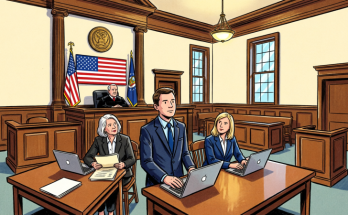
But when she spoke in court, her voice carried the weight of absolute conviction. The civil suit we filed named Natalie, my mother, and my father as defendants. We sued for medical expenses, pain and suffering, and punitive damages. Carolyn argued that my family’s pattern of behavior, the neglect, the dismissiveness, the prioritization of appearances over safety had created an environment where such an incident was almost inevitable.
The trial lasted two weeks. Witnesses testified about my parents’ treatment of me over the years, the way they’d marginalized me and my husband, their obvious preference for Natalie and her children. Former friends of the family came forward to describe incidents they’d witnessed, casual cruelties they dismissed at the time, but now recognized as part of a pattern.
My childhood neighbor, a woman named Gloria Patterson, who had watched me grow up, testified about the time she’d seen my mother leave me standing in the rain outside our house for 20 minutes because I’d forgotten my key. Gloria had offered to let me wait in her home, but Catherine had refused, saying I needed to learn responsibility.
I was 9 years old. A former colleague of my father’s described a company picnic where Donald had introduced Natalie’s achievements to everyone while failing to mention my existence entirely. When someone asked if he had other children, he laughed and said something about disappointing returns on investment.
Each testimony peeled back another layer of the family dynamic I’d normalized for so long. Hearing strangers describe what they’d witnessed, their voices filled with disbelief and disgust, forced me to confront the reality I’d spent decades minimizing. This wasn’t normal. This was never normal. Dererick took the stand and described finding his daughter blue and unresponsive, his voice steady, but his hands trembling.
I testified about the years of emotional abuse, the constant criticism, the way my mother had grabbed my arm and told me to stop making a scene while my daughter lay dying. Natalie’s defense attempted to paint the incident as an accident, a well-meaning aunt who had simply miscalculated a dosage. But Caroline demolished that argument with medical testimony, explaining that no reasonable person could administer nearly 17 times the safe dose to a toddler by accident.
The liquid children’s benadryil that Natalie had used came with a clearly marked dosing cup and explicit instructions based on age and weight. Ignoring all of that to pour a couple spoonfuls into a 2-year-old was not a mistake. It was recklessness so severe it bordered on intentional harm. The prosecution in the criminal case had already secured a conviction by the time our civil trial concluded, which certainly didn’t help Natalie’s credibility.
The jury deliberated for less than four hours. They found all three defendants liable and awarded us $2.7 million in damages. My parents house, the one where I’d grown up feeling like a stranger, had to be sold to cover their portion. Natalie’s McMansion went on the market a month later. Preston got full custody of Autumn and Hudson, citing Natalie’s conviction and incarceration as evidence of her unfitness as a parent.
But the money wasn’t the point. The point was accountability. The point was showing them that there were consequences for treating people as less than human. After the verdict was read, I stood outside the courthouse and let the spring ear wash over me. Reporters shouted questions that I ignored. Photographers snapped pictures that would appear in local papers the next day.
Dererick stood beside me, his arm wrapped protectively around my shoulders. My mother attempted to approach as she exited the building. Her face was drawn, aged 10 years in the span of 2 weeks. She reached toward me with a trembling hand and opened her mouth to speak. “Don’t,” I said, stepping back. “There is nothing you could say that I want to hear.
” “Please,” she whispered. “I’m still your mother.” Dererick positioned himself between us before I could respond. You stopped being her mother the moment you told her to stop screaming while her daughter was dying. “Walk away now.” Catherine’s face crumpled. For a brief moment, I felt something that might have been pity flicker through my chest.
Then I remembered her nails digging into my arm, her voice hissing at me to stop making a scene, and the feeling vanished like smoke. My father didn’t even glance in my direction as he shuffled past, his shoulders hunched, his gaze fixed on the concrete steps. He looked diminished somehow, smaller than I remembered.
The man who had loomed so large in my childhood fears was just a tired old man who had chosen the wrong daughter and lost everything because of it. Natalie was escorted out in handcuffs, her sentencing scheduled for the following month. She saw me standing there and her expression twisted into something ugly and desperate. “This is your fault,” she screamed, struggling against the officers holding her arms.
“You always had to make everything about yourself. You ruined our family. I watched them load her into the transport vehicle, her shouts muffled by the closing door. For years, I might have believed her. For years, I had accepted blame for every family conflict, apologized for my existence, made myself smaller and quieter in hopes of earning love that was never available to me.
Those years were over.” Rosie made a full recovery, though she still has occasional checkups to ensure there was no lasting damage from the oxygen deprivation. She doesn’t remember that day, which is perhaps the only mercy in this entire story. She turned 3 6 months after the incident, and Dererick and I threw her a party in our backyard with a teddy bear theme.
She laughed and played and smashed cake into her face, blissfully unaware of how close we came to losing her. I haven’t spoken to my parents since the trial. My mother sent a letter shortly after attempting to apologize while simultaneously blaming me for tearing the family apart. The letter was three pages long and contained exactly zero acknowledgement of what she had done wrong.
She blamed my sensitivity, my drama, my inability to understand that Natalie had only been trying to help. I burned it without reading past the first paragraph. My father has made no attempt at contact whatsoever, which tracks perfectly with every memory I have of him. Natalie served 18 months of a three-year sentence.
I’ve heard through acquaintances that she’s living in a small apartment now, working as a receptionist at a dentist’s office. Her children visit her on alternating weekends, supervised by a court-appointed monitor. Preston remarried a nurse he met during the divorce proceedings, a kind woman named Sandra, who by all accounts treats Autumn and Hudson with genuine affection.
I feel no sympathy for Natalie’s circumstances. She nearly killed my daughter and then assaulted me when I tried to save her. Whatever difficulties she faces now are consequences of her own making. Dererick’s handling of the situation that day became something of a legend at his station. The story of the paramedic who walked into a family party to find his daughter coding and his wife bleeding on the floor, who managed to triage both situations while simultaneously confronting the perpetrators, gets told to New Recruits as an example of maintaining composure
under impossible pressure. He doesn’t like to talk about it. He still wakes up sometimes from nightmares where he arrived 5 minutes later where Rosie didn’t make it, where he lost both of us in that guest room. We moved 3 months after the trial concluded. The new house is smaller but brighter with a backyard where Rosie chases butterflies and a kitchen where Derrick and I cook dinner together most nights.
We put the settlement money into a trust for Rosy’s education and used a portion to take a family vacation to the coast where we built sand castles and collected seashells and try to create new memories to overwrite the trauma. My therapist says that healing isn’t linear, that there will be setbacks and difficult days. She’s right.
Some mornings I wake up and the anger is so fresh it feels like the incident happened yesterday. Other times, I go weeks without thinking about it, only to be triggered by something mundane, like seeing a wine bottle or walking past a house decorated for a birthday party. What I’ve learned, though, is that family isn’t determined by blood.
Family is the people who show up, who protect you, who would never in a million years put you or your children in harm’s way. Derek is my family. Rosie is my family. The friends who brought us meals during the trial and sat with us in the hospital waiting room and testified on our behalf. They’re my family.
The people who raised me, who were supposed to love me unconditionally, who should have protected my daughter with their lives, they were never really family at all. They were just strangers who happened to share my DNA. People so consumed by their own priorities and appearances that they couldn’t recognize a dying child in front of them.
I used to wonder what I did wrong, why my parents never seemed to love me the way they loved Natalie. I spent decades trying to earn their approval, modifying my behavior, making myself smaller, accepting crumbs of affection, and convincing myself they were feasts. I’ve stopped asking that question. The failure wasn’t mine.
It was never mine. Rosie is downstairs right now watching cartoons with Derek while I type this out. In a few minutes, I’m going to close my laptop and join them, snuggle into the couch with my husband on one side and my daughter on the other. We’ll probably order pizza and have ice cream for dessert because it’s Saturday and we can That’s the life we built from the ashes of that terrible day. It’s not perfect.
The scars are still there, both physical and emotional, but it’s ours and it’s safe and it’s full of love. There’s an epilogue to this story that I didn’t expect when I first started writing it. 6 months after the trial, I received a message through social media from Autumn, my niece. She was eight by then, old enough to understand that something terrible had happened.
Young enough that the adults in her life had tried to shield her from the details. Her message was simple. I’m sorry about what mommy did to Rosie. I hope she’s okay. I miss you. I stared at that message for a long time, tears streaming down my face. Autumn hadn’t done anything wrong. Hudson hadn’t done anything wrong. They were casualties of their mother’s cruelty.
Children who had lost their family structure because of choices they had no part in making. After discussing it with Derek, I reached out to Preston. The conversation was awkward and painful. Both of us navigating the wreckage of what had once been a family. He apologized profusely and repeatedly for not intervening sooner, for not seeing what Natalie was capable of.
His guilt was palpable through the phone. We arranged supervised visits between Rosie and her cousins, neutral ground with Preston present. The first meeting was tense. The children eyeing each other wearily while the adults tried to make small talk. By the third visit, they were playing together like nothing had ever happened.
Children are resilient that way, able to form connections untainted by adult grievances. Autumn sometimes asks me about her mother. I give her age appropriate answers, explain that her mommy made a very bad choice and had to face consequences for it. I don’t poison her against Natalie as much as part of me might want to. She’ll learn the full truth eventually when she’s old enough to process it.
For now, she just needs to know that she’s loved and that none of this was her fault. Dererick’s parents, Margaret and Theodore, have become the grandparents Rosie deserves. They live two hours away in rural Pennsylvania, a small farmhouse where Rosie gets to collect eggs from chickens and chase their ancient border collie through endless green fields.
Margaret cried when she met Rosie for the first time, holding her granddaughter with a gentleness that made my own childhood feel even more stark by comparison. Theodore built her wooden toys in his workshop, each one more elaborate than the last. They know the story of what happened. Everyone in our lives knows at this point.
Margaret told me once, her voice thick with emotion, that she couldn’t fathom what kind of mother would value appearances over her grandchild’s life. Theodore simply shook his head and said that some people aren’t fit to call themselves family. The scar on my head has faded to a thin white line hidden mostly by my hair.
Sometimes I trace it with my fingers when I’m thinking about that day, a physical reminder of how quickly everything can change. The nightmares that become less frequent, though they never fully disappear. Dererick and I both see therapists now, individually and together. Working through the trauma that bound us even tighter as a couple, while also threatening to tear us apart in unexpected ways.
There were dark months after the incident. Months where I couldn’t be in the same room as a crying child without my heart rate spiking. Months where Dererick would come home from work and find me sitting in Rosy’s room just watching her breathe, unable to convince myself that she was truly safe. We got through it together, holding each other up when the other faltered.
And if there’s one lesson I want to pass on, it’s this. You are not obligated to maintain relationships with people who harm you, regardless of who they are or what role they’re supposed to play in your life. Blood doesn’t entitle anyone to your presence, your forgiveness, or your peace. Protect yourself, protect your children, and never apologize for doing so.
My daughter is alive because I trusted my instincts instead of my mother’s reassurances. My daughter is alive because Dererick arrived when he did and refused to let anyone minimize what had happened. My daughter is alive because we fought back, because we held accountable the people who nearly took her from us.
I received a letter from my father last month. The first communication from him since the trial. He’s been diagnosed with prostate cancer, caught early enough that the prognosis is good. The letter was a transparent attempt at reconciliation filled with platitudes about family and forgiveness and not wanting to die with unfinished business between us.
I read the entire thing this time. Then I sat down at my kitchen table and wrote my response four words long. You made your choice. I sent it without hesitation. Dererick read it over my shoulder and squeezed my hand. We didn’t discuss it further. Some people will read this and think I’m cruel, that I should forgive my elderly, sick father and make peace before it’s too late.
To those people, I say, you weren’t there. You didn’t watch your mother prioritize a party over your dying child. You didn’t feel the impact of a wine bottle against your skull thrown by your own sister. You didn’t spend months in therapy trying to convince yourself that you deserve to exist.
Forgiveness isn’t something I owe anyone, especially not the people who nearly cost me everything that matters. Rosie started preschool this past fall, just after her fourth birthday. She has friends now, little girls with pigtails and missing teeth, who come over for playdates and fill our house with laughter. She’s learning her letters, can count to 20, and insists on picking out her own outfits every morning, resulting in combinations that would make a fashion designer weep.
She doesn’t know how close she came to not being here for any of it. Maybe someday when she’s much older, we’ll tell her the full story. For now, she just knows that mommy has a scar on her head from an accident and that we don’t see Grandma Catherine or Grandpa Donald anymore. Dererick got promoted last year to shift supervisor.
He works slightly fewer hours now, which means more time at home with us. We’ve started talking about having another child, though the conversation always comes with caveats and fears. What if something happens? What if we can’t protect them? The trauma has made us hypervigilant in ways that aren’t always healthy. But we’re working on it.
We’re always working on it. Sometimes the only way to save your family is to walk away from the one you were born into and build a new one from scratch. That’s what we did. Our family now is small but fierce, built on love and trust and the shared understanding that we would do anything to protect each other.
I look at Rosie sometimes, her dark curls bouncing as she runs through our backyard, and I’m overwhelmed by gratitude so intense it feels like drowning. She’s here. She’s alive. She’s happy. That’s everything. That’s the whole world. And I’ve never once looked