Part 1 — The Invitation Was a Trap
The first thing I remember is the sound—crystal clinking like tiny alarms, laughter floating over spotless white linen, and my mother’s perfume sitting in the air like a warning.
Outside, Chicago was frozen solid. Wind scraped the sidewalks clean. But inside the restaurant—one of those River North places where the lighting makes everyone look richer than they are—everything was warm, polished, expensive. The kind of room that makes you think: Maybe this time, I belong.
It was New Year’s Eve. My family’s favorite holiday for performance.
My mother, Marilyn Bennett, leaned closer with a smile so sweet it could’ve passed for kindness, and whispered into my ear like a sugar-coated stab.
“We only invited you out of pity,” she murmured. “Don’t stay long.”
It took my brain a second to understand the sentence. Not because I didn’t hear it—because my mind still wanted to protect me from the truth.
Then my brother Austin laughed. Loud. Proud. Like humiliation was a party trick.
“She’s the family failure,” he announced, raising his glass as if he’d just delivered a toast.
The table snickered. An aunt added, half-joking, half-cruel, “At least she showed up on time for once.” An uncle nodded like he was watching a show.
And in that instant, I understood:
This wasn’t dinner.
This was a stage.
And I was the entertainment.
So I did the one thing they never trained me for.
I didn’t cry.
I didn’t argue.
I didn’t beg for a place at a table that only loved me when I was quiet.
I just smiled.
I took a slow sip of my drink. I set the glass down carefully—like I was signing something final.
Then I stood up, said I had an early morning, and walked out alone.
Outside, the cold slapped my face awake. Cars hissed past. Behind the glass, their laughter still floated—determined to follow me.
They thought I left because I was weak.
They didn’t know that, in that moment, something inside me switched off. Not anger. Not sadness.
Clarity.
Because the “family cabin” they bragged about—our photogenic little escape in the woods, the one they used like proof of success—wasn’t a family cabin.
It was mine.
Not “family-owned.” Not “shared.”
My name was on the deed.
And those “joint accounts” they treated like a bottomless ATM—credit cards, payments, vacations, the quiet emergencies they always dumped onto “whoever could handle it”—
Those accounts were tied to my name, too.
My ID. My credit. My future.
A week later, my phone exploded.
My mother screamed, voice cracking with panic. “The cabin is gone! There are strangers at the door with legal papers!”
Austin roared through the speaker. “You ruined my credit! My cards are blocked!”
And then the bank emails started landing—one after another, cold as winter rain:
Notification: Joint account closed.
Notification: Authorized access revoked.
Notification: Itemized statements will be mailed to the address on file.
Then the envelopes started arriving.
Thick statements. Black ink. Numbers that didn’t care about family titles.
Every withdrawal.
Every purchase.
Every signature.
Everything they assumed I’d never see.
And they still didn’t know the worst part:
The cabin wasn’t the only thing in my name.

Part 2 — The Ledger Doesn’t Lie
The first letter arrived on a Tuesday morning—like the bank chose the exact moment to drop a bomb with polite formatting.
It wasn’t a regular notice. It was thick. Embossed. My name printed with that immaculate coldness institutions use when they’re about to change your life:
“Consolidated Summary of Financial Products Associated With the Account Holder.”
Products. Plural.
I stood in my kitchen with my coffee still steaming and read down the list.
A credit card I didn’t remember applying for.
An auto loan.
Two personal lines of credit.
An investment account.
All attached to my name.
And yet I’d never seen a dime of that money.
My stomach went hollow, not because I was surprised—because the puzzle finally had a picture.
Then my phone rang.
“Valerie?” It was Rachel, my branch manager. Her voice wasn’t casual. “I need you to come in today. There are… irregularities. I want you to see them in person.”
At the bank, she didn’t offer comfort. She offered reality.
She slid a folder across the desk.
Forms with my signature.
Or rather… a signature that looked like mine.
The same slant. The same finish. Close enough to pass at a glance. Perfect enough to be intentional.
And then she said the sentence that made the room tilt:
“Mailing address on file is your mother’s house.”
Not mine.
Not my apartment.
Not my email.
They’d had the statements, the alerts, the warnings mailed straight to them—so I’d stay blind while my name carried the weight.
I stared at the paperwork until my eyes burned.
“How much?” I asked, and my voice came out too calm—like my body had decided panic was a waste of time.
She told me the number.
It was enough to do two things at once:
Destroy me if I froze.
Save me—because now I had proof.
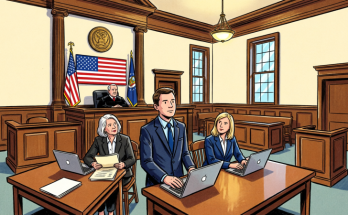
That afternoon, I sat across from a lawyer named Daniel Mercer. No theatrics. No revenge fantasies. Just sharp eyes and clean sentences.
“This is identity theft,” he said, tapping the forms. “Fraud. Forgery. And if property in your name was used as collateral… civil liability too.”
“She’s my mother,” I muttered, like biology should count as immunity.
Daniel didn’t blink.
“Then it’s worse. It’s abuse of trust.”
That night, my mother texted:
I need to see you. Urgent.
Not “sweetheart.” Not “please.”
The tone of someone losing control.
I answered with one line:
Tomorrow. Public place.
She arrived dressed perfectly—as if expensive fabric could hold up collapsing lies. But her hands shook when she lifted her cup.
She didn’t mock me this time.
She begged.
“Valerie… please. Don’t destroy us.”
I looked at her and waited. Let the silence force her to fill it.
“It was just… to get by,” she whispered. “To keep us afloat. So Austin wouldn’t miss opportunities.”
“Using my name?” I asked.
Her eyes watered—tears that looked practiced until the fear underneath made them real.
“You’re strong,” she said. “You could always handle everything.”
And that was it.
Their entire justification in one sentence.
I could handle it, so they could dump it.
I opened the folder and slid it toward her.
Her face drained as she recognized the bank stamps, the statements, the dates.
“Where did you get—”
“From the bank,” I said. “Because when I closed access, the system reviewed everything. And it found what you hid.”
She started talking fast—payments, selling things, taking loans—anything that sounded like control.
“In my name too?” I asked.
She flinched.
Then I said the sentence that finally made me feel like my own person:
“I didn’t come to negotiate. I came to inform you.”
I stood up.
She reached for my hand—mother to daughter, like muscle memory.
I pulled away slowly.
“If I’d been a daughter to you,” I said quietly, “you wouldn’t have needed to use me like a bank account.”
Her face collapsed.
For the first time, she didn’t look powerful.
She looked small.
Part 3 — Consequences
Daniel filed the reports. Not as revenge.
As survival.
The bank opened an investigation. Accounts were frozen. The forged paperwork was escalated. My credit began the long, ugly process of clearing.
Austin called me one morning, furious and shaking.
“You’re a traitor! You’re doing this to your own blood!”
I inhaled once.
“No,” I said. “You did this to me. I just stopped pretending it was normal.”
Then I hung up.
Weeks passed. Then months.
My family tried to spin it as a misunderstanding. A “private matter.” A “daughter overreacting.”
But paper doesn’t argue.
And banks don’t care about family roles.
When the settlement finally came through, it didn’t feel like victory.
It felt like my name returning to me.
I paid off my real debts. Opened accounts in only my name. Locked down everything. Built a life that didn’t require anyone’s approval to breathe.
And on the next New Year’s Eve—sitting with friends who didn’t need me to be small to feel big—I raised my glass and listened to the clink.
This time it didn’t sound like an alarm.
It sounded like a beginning.
Because the ending wasn’t my mother begging.
The ending was this:
I stopped being the family joke.
I became the author.