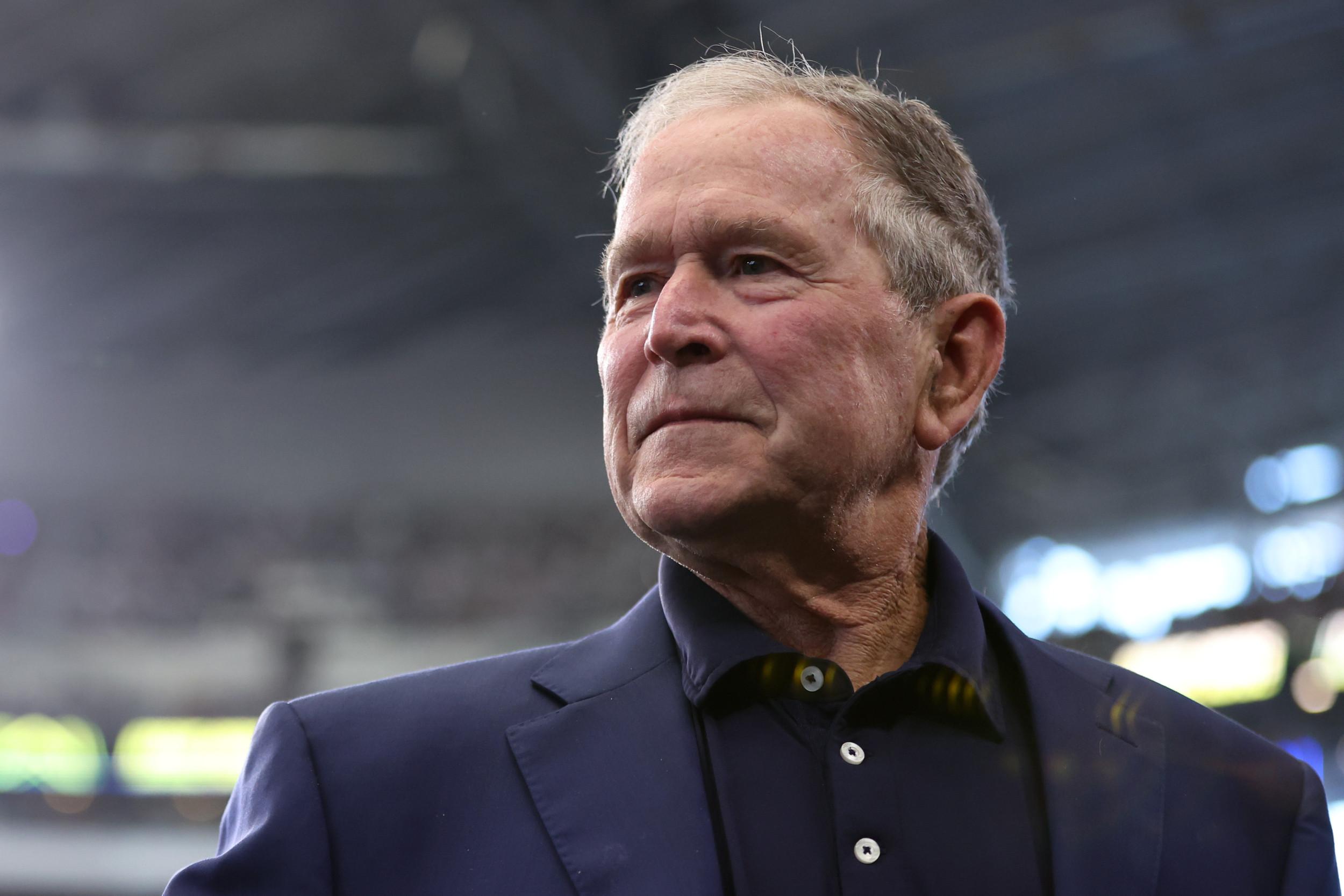
At 80 years old, George W. Bush occupies a very different place in American life from the man who stood before the nation as president more than two decades ago.
The cameras are no longer following his every movement. The daily pressures of the Oval Office are long behind him. Yet the events that defined his presidency—particularly the September 11, 2001 terrorist attacks and the wars that followed—remain deeply embedded in American history.
Born on July 6, 1946, in New Haven, Connecticut, Bush celebrated his 80th birthday in 2026. He served as the 43rd president of the United States from January 2001 until January 2009, after previously serving as governor of Texas.
Today, his life is centered much more on family, painting, veterans’ initiatives and work associated with the George W. Bush Presidential Center.
And in 2026, an especially significant anniversary brought him back into the public eye.
Twenty-Five Years After September 11
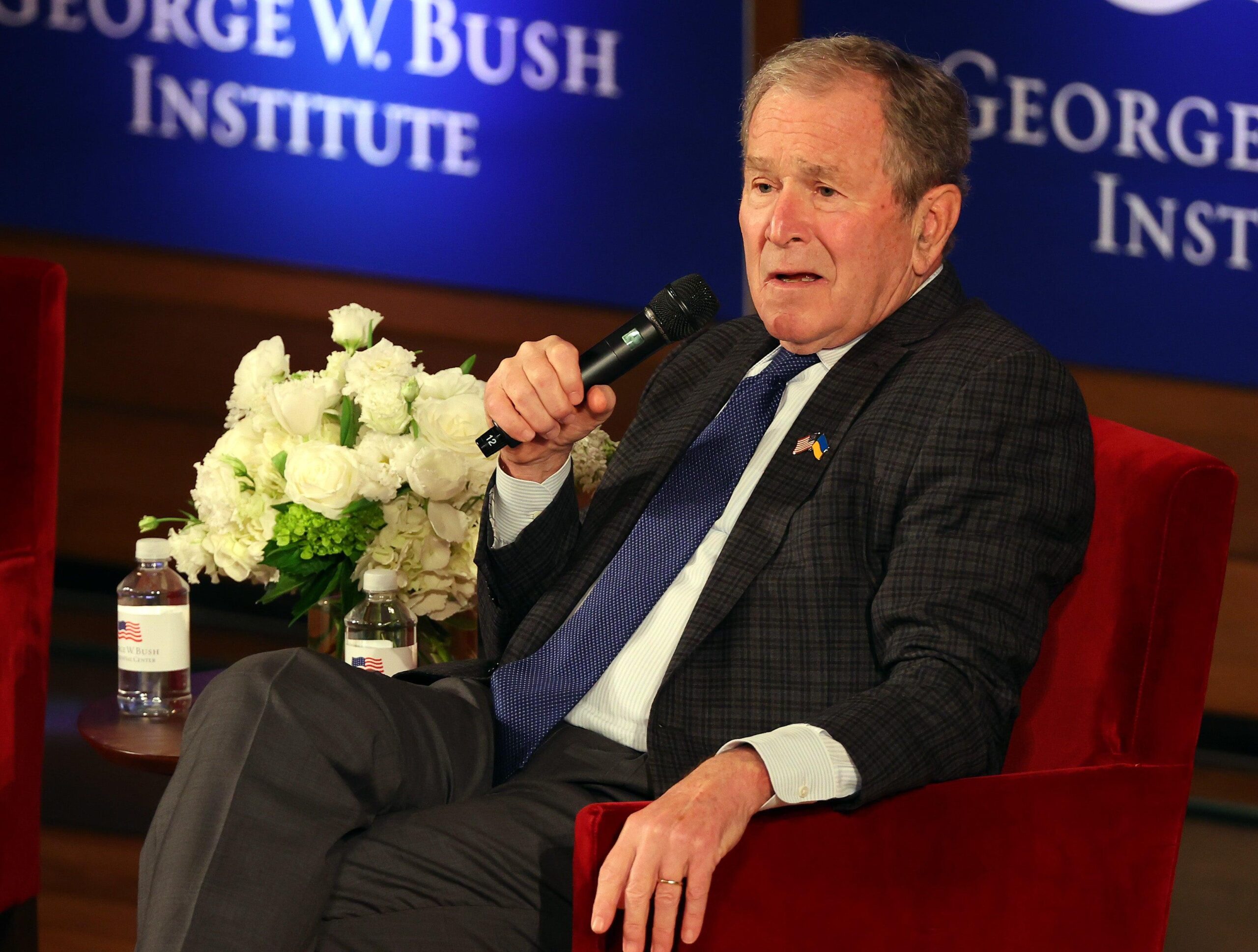
On September 9, 2026, Bush appeared with former Secretary of State Condoleezza Rice at the George W. Bush Presidential Center in Dallas for a discussion commemorating the approaching 25th anniversary of the September 11 attacks.
For Bush, September 11 will always be inseparable from his presidency.
He had been president for less than eight months when hijacked commercial aircraft struck the World Trade Center and the Pentagon, while another plane, United Flight 93, crashed in Pennsylvania after passengers and crew resisted the hijackers.
Nearly 3,000 people were killed.
The attacks transformed Bush’s presidency and reshaped American foreign and domestic policy for years afterward.
At the 2026 event, Bush and Rice reflected on the attacks, the country’s response and the importance of service. Bush spoke about the unity he remembered seeing in the period immediately after September 11.
A quarter-century later, those memories belong not only to history books but to millions of Americans who remember exactly where they were when they first heard the news.
The Decisions That Defined His Presidency
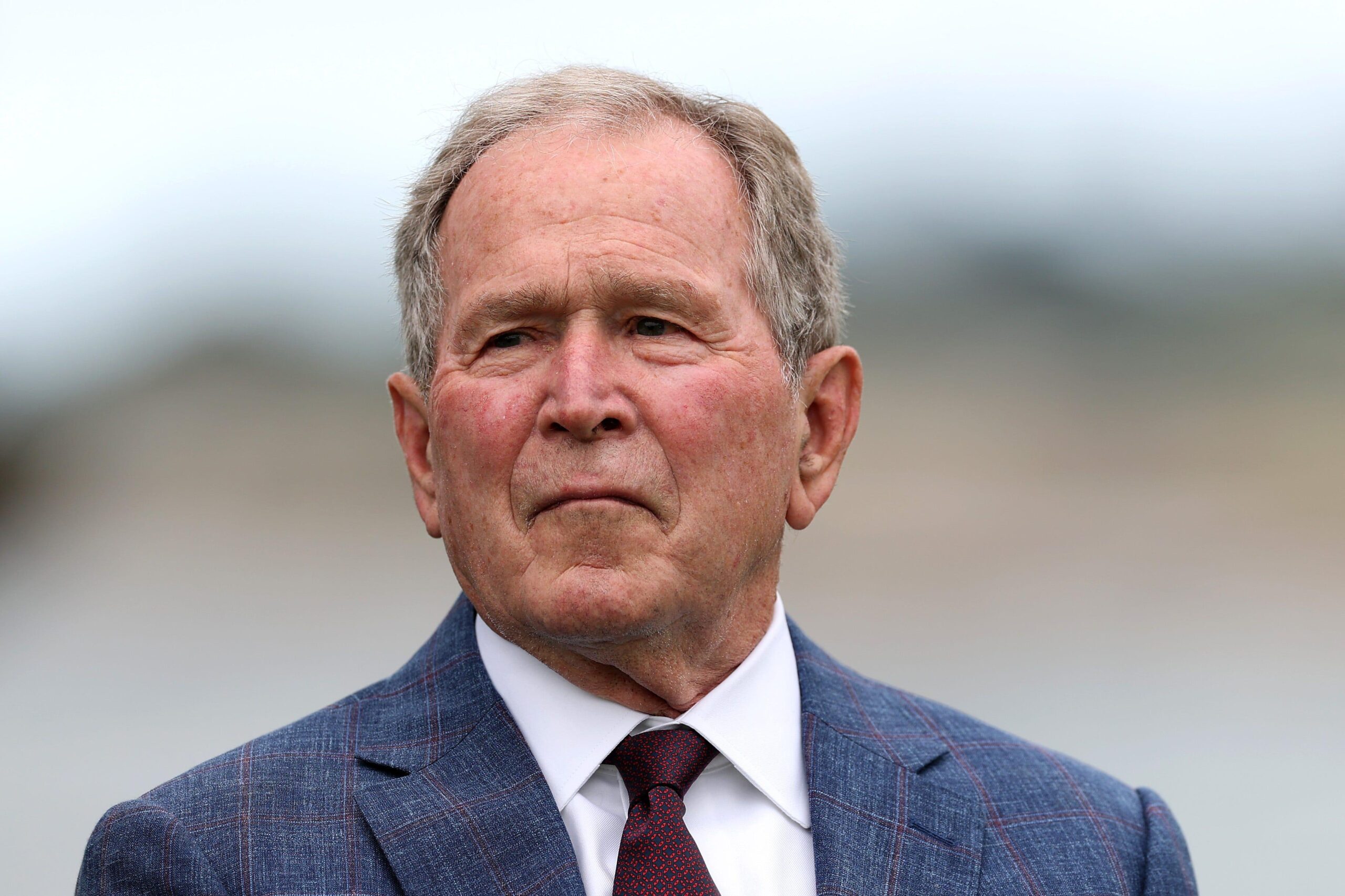
Bush’s eight years in office included some of the most consequential and disputed decisions in recent American history.
His administration launched military operations in Afghanistan after September 11, targeting al-Qaeda and the Taliban government that had sheltered the organization.
In 2003, the United States and coalition forces invaded Iraq.
The Iraq War became one of the defining controversies of Bush’s presidency. His administration argued that Saddam Hussein’s government posed a serious security threat and cited intelligence assessments concerning weapons of mass destruction. Stockpiles of the kind anticipated before the invasion were not subsequently found.
Supporters of Bush have emphasized the removal of Saddam Hussein, the administration’s response to terrorism and Bush’s commitment to national security.
Critics have focused on the human and financial costs of the wars, the intelligence failures surrounding Iraq, detention and interrogation policies, and the broader consequences of American intervention.
Those disagreements remain part of how historians, policymakers and Americans assess his presidency.
Bush’s domestic record was similarly consequential. His administration enacted major tax cuts, created the President’s Emergency Plan for AIDS Relief, commonly known as PEPFAR, signed the No Child Left Behind Act, and expanded Medicare to include prescription-drug coverage.
His second term also included the federal response to Hurricane Katrina and the beginning of the 2007–2009 financial crisis.
His presidency therefore cannot easily be reduced to a single event or judgment. It encompassed war, terrorism, economic upheaval, public-health initiatives and major domestic-policy changes.
From President to Private Citizen
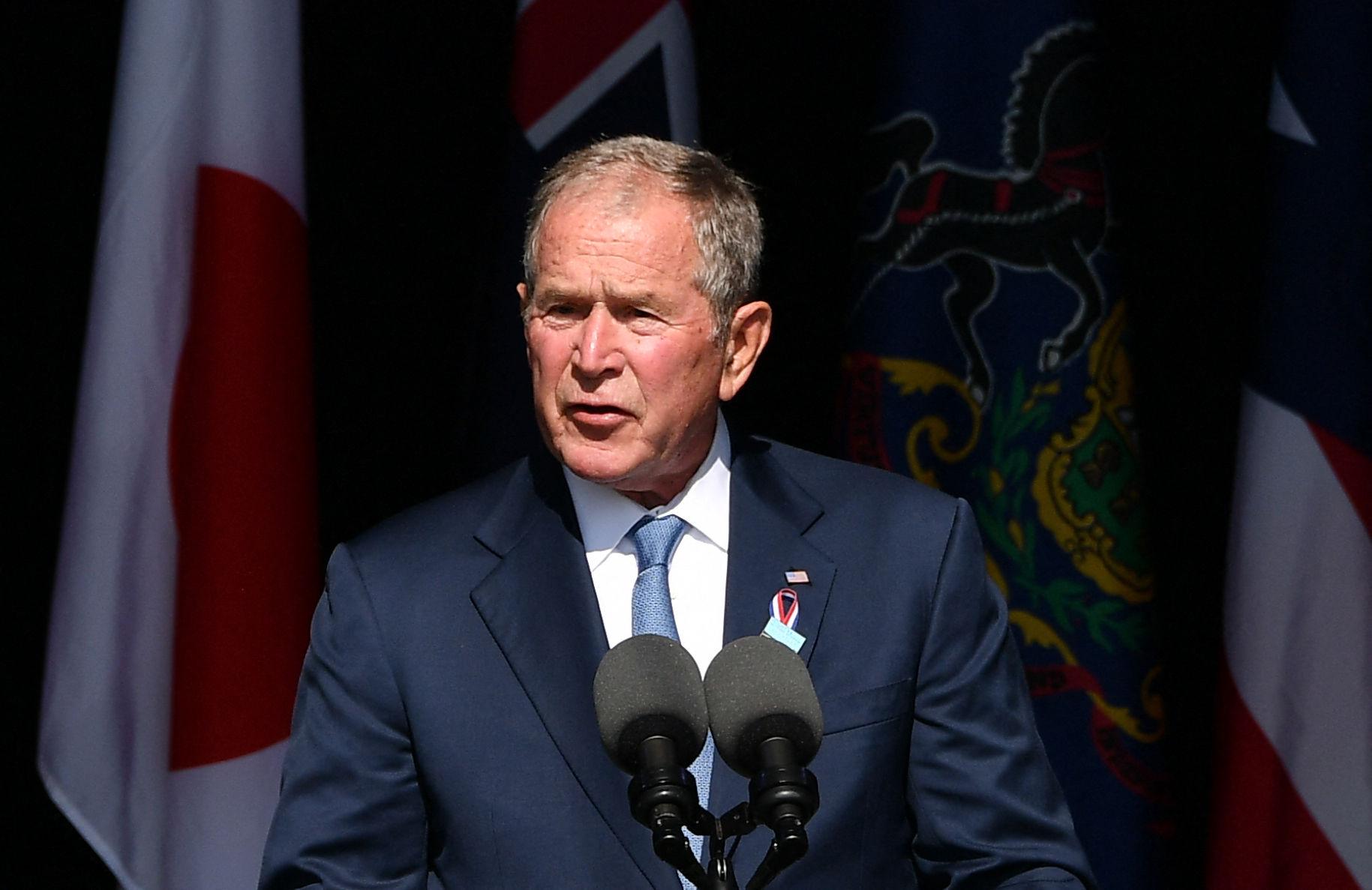
On January 20, 2009, Bush watched Barack Obama take the oath of office.
Then, after eight extraordinary years, Bush returned to Texas.
Former presidents remain public figures for life, but Bush generally adopted a lower political profile than he had maintained during his presidency.
One unexpected passion became particularly visible: painting.
Bush began studying art after leaving office and eventually produced portraits of world leaders, immigrants and American military veterans.
The transformation surprised many people.
A man once surrounded by intelligence briefings, military decisions, international summits and political battles was now spending long periods standing quietly in front of a canvas.
His portraits of wounded and recovering service members were eventually collected in Portraits of Courage, published in 2017.
The project connected his new artistic interest with a subject that remained important to him after the presidency: military veterans.
A Family Shaped by American Public Life
George W. Bush’s story is also part of an extraordinary American political family.
His father, George H. W. Bush, served as the 41st president of the United States from 1989 to 1993.
His mother, Barbara Bush, became one of America’s most recognizable first ladies.
His younger brother, Jeb Bush, served as governor of Florida and later sought the Republican presidential nomination.
George W. Bush married Laura Welch in 1977. Their twin daughters, Barbara and Jenna, were born in 1981.
The passing of both of Bush’s parents in 2018 marked an emotional transition for the family. Barbara Bush died in April at age 92. George H. W. Bush died later that year at age 94.
For George W. Bush, the former president eventually became the elder generation of the family he had once watched his parents lead.
That is one of the quiet realities of growing older.
Public titles remain in history books, but families continue changing.
Children become parents. Parents become grandparents. Loved ones disappear. Memories accumulate.
Even former presidents experience that passage of time.
Friendship Across Political Divisions
One of the more visible elements of Bush’s post-presidential life has been his relationship with people from different political backgrounds.
His friendship with former first lady Michelle Obama, for example, has attracted attention during public ceremonies where the two have been photographed sharing warm interactions.
Bush has also worked with former President Bill Clinton on charitable initiatives despite the political differences between their administrations and parties.
These relationships do not erase policy disagreements. Rather, they illustrate how former presidents and their families sometimes develop personal relationships that exist separately from partisan competition.
The Weight of History at 80
Turning 80 carries a particular significance for someone whose decisions affected millions of people.
For most people, photographs from their younger years are primarily family memories.
For a former president, those photographs belong to national archives.
Bush can look back at images of himself standing at Ground Zero after September 11, addressing Congress, meeting troops, speaking with world leaders, sitting in the Situation Room or walking across the White House lawn.
Each image represents a moment that is now history.
Some moments are remembered with admiration.
Others remain intensely debated.
That complexity is unavoidable when considering the life of any president.
Still Appearing in Public
Bush has not disappeared from public life.
In September 2026, his appearance at the Bush Center alongside Condoleezza Rice demonstrated that he continues to participate in discussions about his presidency and the events that shaped it.
At 80, however, his role is fundamentally different.
He is no longer the person making decisions from the Oval Office.
He is now one of the people explaining, remembering and reflecting on decisions made decades ago.
That distinction becomes increasingly important as younger generations encounter September 11 primarily as history rather than personal memory.
Someone born after the attacks can now be well into adulthood.
For them, George W. Bush may be a figure encountered first in documentaries, classrooms, archives and online videos rather than as the president appearing on television each evening.
A Life Beyond the Presidency
The presidency lasts, at most, eight years.
Life afterward can last decades.
Bush left office at 62. He has now spent approximately seventeen years as a former president.
Those years have revealed another side of his life—one involving painting, family, veterans and occasional public appearances rather than daily political leadership.
None of that removes the controversies of his presidency, nor does it determine how history will ultimately assess his decisions.
But it provides a fuller picture of the person who once occupied America’s highest elected office.
George W. Bush at 80
At 80, George W. Bush stands at an unusual intersection between living memory and history.
He is old enough to look back across decades of extraordinary change, yet he remains present to discuss events that transformed the United States and the world.
The young Texas businessman became a governor.
The governor became president.
The president became a wartime leader.
And eventually, the commander in chief became a former president, grandfather and painter living largely outside the daily political spotlight.
His presidency remains the subject of substantial debate, and different Americans continue to view his decisions very differently.
But one fact is unavoidable:
Twenty-five years after September 11 and more than seventeen years after leaving the White House, George W. Bush is still here to reflect on the history he helped shape.
At 80, his story is no longer simply the story of a presidency.
It is also the story of what comes afterward—the passage of time, the persistence of memory, the loss of loved ones, the responsibilities of legacy and the experience of watching events that once felt immediate gradually become history.